Introduction
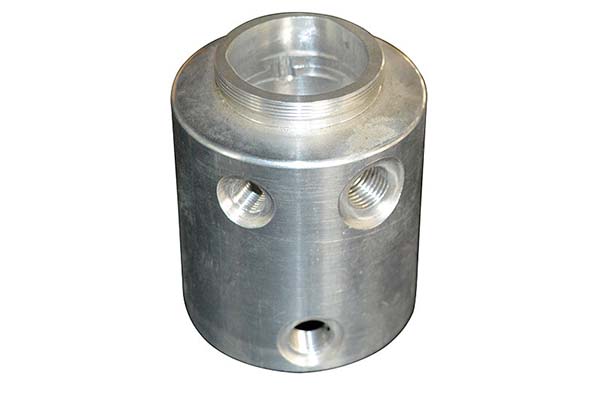
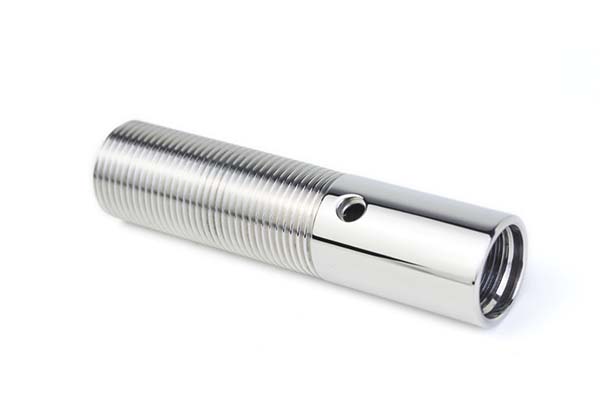
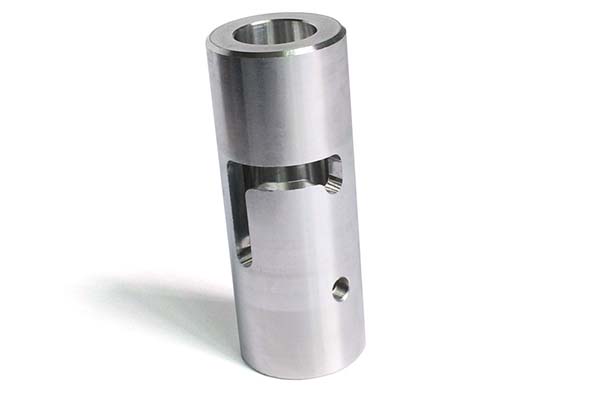
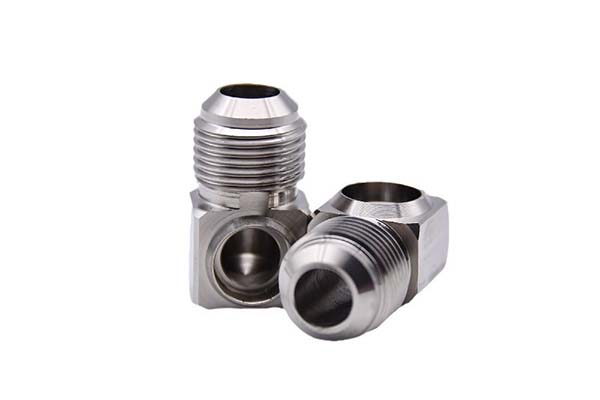
Kovar is a unique exotic alloy celebrated for its exceptional low thermal expansion and compatibility with glass, making it a critical material in electronics and semiconductor industries. As a nickel-iron-cobalt alloy—29% nickel, 17% cobalt, and 54% iron —it delivers a coefficient of thermal expansion that closely matches borosilicate glass, enabling reliable hermetic seals in high-performance devices. However, machining this alloy presents distinct challenges, from its tough microstructure to its sensitivity to heat generation during cutting. This guide explores the essential aspects of CNC machining Kovar , offering practical solutions to overcome its difficulties and achieve precise, high-quality results.
What Are the Key Material Properties of Kovar?
The nickel-iron-cobalt composition of Kovar is engineered to provide unique performance characteristics.
Composition and Key Properties
| Property | Value |
|---|---|
| Composition | 29% Ni, 17% Co, 54% Fe |
| Coefficient of thermal expansion | 5.1 × 10⁻⁶/°C (20–300°C)—matches borosilicate glass |
| Tensile strength | 515 – 690 MPa |
| Yield strength | 275 MPa |
| Elongation | 30% (high ductility) |
| Thermal conductivity | 17 W/(m·K) (lower than steel) |
| Hardness | 150 – 200 HB |
| Machinability rating | 50% of 1212 carbon steel |
How Properties Impact Machinability
| Property | Machining Implication |
|---|---|
| Low thermal expansion | Boon for applications; complicates machining—low thermal conductivity traps heat at tool-workpiece interface |
| Low thermal conductivity (17 W/(m·K)) | Heat dissipates slowly; increases risk of tool wear and workpiece distortion |
| High ductility (30% elongation) | Chips adhere to cutting tools; creates built-up edges that degrade surface finish |
| Moderate hardness (150–200 HB) | Higher than some irons; requires sharper tools and optimized parameters to prevent work hardening |
| Machinability rating 50% | Requires specialized techniques; more resistant to cutting than plain carbon steels |
What CNC Machining Processes Work for Kovar?
Tool Selection
| Tool Factor | Recommendation | Why |
|---|---|---|
| Cutting tools | Carbide with TiN or TiAlN coatings | Good wear resistance; reduces friction |
| Low-volume alternative | Uncoated HSS | Wears 3–4× faster than carbide |
| Tool geometry | Sharp edges; positive rake angles | Minimizes cutting forces; reduces chip adhesion |
Machining Parameters
| Operation | Cutting Speed (m/min) | Feed Rate (mm/rev or mm/tooth) | Depth of Cut |
|---|---|---|---|
| Turning | 100 – 150 | 0.1 – 0.15 mm/rev | 0.5 – 1.5 mm |
| Milling | 120 – 180 | 0.08 – 0.12 mm/tooth | 0.5 – 1.5 mm |
| Drilling | 80 – 120 | 0.05 – 0.1 mm/rev | Peck drilling |
Turning notes: Lower speeds risk chip welding; higher speeds increase heat generation.
Milling notes: 4-flute end mills with high helix angles improve chip evacuation, reducing heat buildup.
Drilling notes: Carbide drills with 118° point angles; through-coolant holes essential to flush chips and cool cutting zone.
How Do You Manage Heat and Achieve Surface Finish?
Heat Management
| Strategy | Implementation |
|---|---|
| Coolant | Soluble oils (5–8% concentration); moderate pressure (30–50 bar) |
| Coolant delivery | Flood cooling sufficient for most operations; directed nozzles for deep cuts |
| Temperature impact | Excessive heat distorts workpiece; degrades tool performance |
Surface Finish and Dimensional Accuracy
| Parameter | Achievable Value | Method |
|---|---|---|
| Dimensional accuracy | ±0.002 mm for electronic components | Stable machine setups; minimal vibration; rigid toolholders |
| Surface finish (Ra) | 0.8 – 1.6 μm with proper parameters | Fresh carbide tools; reduced feed rate |
Case study: Machining sensor housings—using fresh carbide tools and reducing feed rate by 20% improved surface finish by 30% .
Tool Path Optimization
| Strategy | Benefit |
|---|---|
| Smooth motion (arc transitions) | Prevents sudden load changes |
| Climb milling | Minimizes tool engagement with work-hardened surfaces |
How Do You Maximize Tool Life and Efficiency?
Tool Wear Management
| Strategy | Implementation |
|---|---|
| Replace tools | At 70% of maximum wear; flank wear ≤0.15 mm |
| Lubrication | EP (extreme pressure) additives reduce friction between chips and tools |
| Machining strategy | Climb milling minimizes engagement with work-hardened surfaces |
Material Removal Rate Optimization
| Parameter | Roughing | Finishing |
|---|---|---|
| Depth of cut | 0.5 – 1 mm | 0.1 – 0.3 mm |
| Feed rate | Balanced with depth; ensures consistent chip formation | Reduced for surface finish |
High-speed machining (HSM): Possible with rigid machines; tests show HSM reduces cycle time by 25% without compromising accuracy when using proper tooling.
Where Is Kovar Used?
Kovar applications center on its thermal matching properties.
| Industry | Applications | Why Kovar? |
|---|---|---|
| Electronics | Transistor headers, diode packages, connector pins | Hermetic seals protect components from moisture and contaminants; Kovar-based packages reduced failure rates by 40% compared to plastic alternatives in high-humidity environments |
| Semiconductor | Vacuum chambers, wafer handling equipment | Dimensional stability under thermal cycling is critical |
| Telecommunications | Fiber optic connectors, laser housings | Reliable signal transmission |
| Aerospace | Satellite components, avionics | Extreme temperature fluctuations demand low thermal expansion materials |
| Medical devices | Housings for implantable sensors | Smooth surfaces (Ra <0.8 μm) prevent tissue irritation |
| Laser components | Hermetic seals for delicate optics | Compatibility with glass protects optics from environmental damage |
Specialized components: Kovar waveguides machined to ±0.001 mm tolerances maintain signal integrity in satellite components.
What Is Yigu Technology’s Perspective?
At Yigu Technology , we specialize in CNC machining exotic alloy Kovar for electronics and aerospace clients. Our approach includes:
- Tooling: Carbide cutting tools with TiAlN coatings.
- Heat management: Soluble oil coolant (5–8%) at 30–50 bar; directed nozzles for deep cuts.
- Precision: High-precision machines with thermal compensation to counteract Kovar’s temperature sensitivity—achieving tolerances as tight as ±0.001 mm .
- Surface finish: Fresh carbide tools; optimized feed rates (20% reduction improves finish by 30%).
- Applications: Hermetic seal components for semiconductor and telecommunications industries.
Our expertise ensures every part meets the strict standards required for critical applications—delivering reliable performance in high-humidity environments and thermal cycling conditions.
Conclusion
CNC machining Kovar requires understanding its unique nickel-iron-cobalt composition and applying tailored strategies. Kovar offers a coefficient of thermal expansion 5.1 × 10⁻⁶/°C —matching borosilicate glass—with tensile strength 515–690 MPa and 30% elongation . Its machinability rating is 50% of 1212 carbon steel , requiring specialized techniques. Optimal machining parameters include cutting speeds 100–180 m/min (turning/milling), carbide tools with TiN/TiAlN coatings, and soluble oil coolant (5–8%) to manage heat (thermal conductivity 17 W/(m·K)). Achievable tolerances: ±0.002 mm for electronic components ; surface finish Ra 0.8–1.6 μm (30% improvement with fresh tools and 20% feed reduction). Applications span electronics (transistor headers—40% failure reduction), semiconductor (vacuum chambers), telecommunications (fiber optic connectors), aerospace (satellite components), and medical devices (implantable sensor housings). With proper tooling, heat management, and precision setups, Kovar delivers reliable hermetic seals and dimensional stability in critical applications.
FAQs
Why is Kovar ideal for glass-to-metal seals?
Kovar’s coefficient of thermal expansion closely matches borosilicate glass (5.1 × 10⁻⁶/°C), preventing stress cracks during temperature cycling. This compatibility, combined with its high ductility (30% elongation), enables strong, reliable hermetic seals—critical for protecting electronics from moisture and contaminants.
What cutting tools work best for machining Kovar?
Carbide tools with TiN or TiAlN coatings are optimal. They resist abrasion and reduce friction, minimizing tool wear and chip adhesion. Uncoated HSS tools can be used for low-volume jobs but wear 3–4 times faster .
What industries rely most on Kovar components?
The electronics industry , semiconductor industry , and telecommunications sector are the largest users, leveraging Kovar for hermetic seals and thermal stability. It is also critical in aerospace industry applications like satellite components, where temperature resistance and dimensional stability are essential.
Contact Yigu Technology for Custom Manufacturing
At Yigu Technology , we combine deep material knowledge with advanced CNC machining to deliver precision Kovar components. Our 3-axis, 4-axis, and 5-axis CNC machines are equipped with TiAlN-coated carbide tools , soluble oil coolant systems (5–8%) , and thermal compensation to handle Kovar’s unique challenges. We achieve tolerances as tight as ±0.001 mm and surface finishes Ra 0.8–1.6 μm . From transistor headers to satellite waveguides, we deliver components that meet the strictest hermetic seal and dimensional stability requirements.
Ready to machine your next Kovar project? Contact Yigu Technology today for a free consultation and quote. Let us help you achieve precision and reliability in every exotic alloy component.