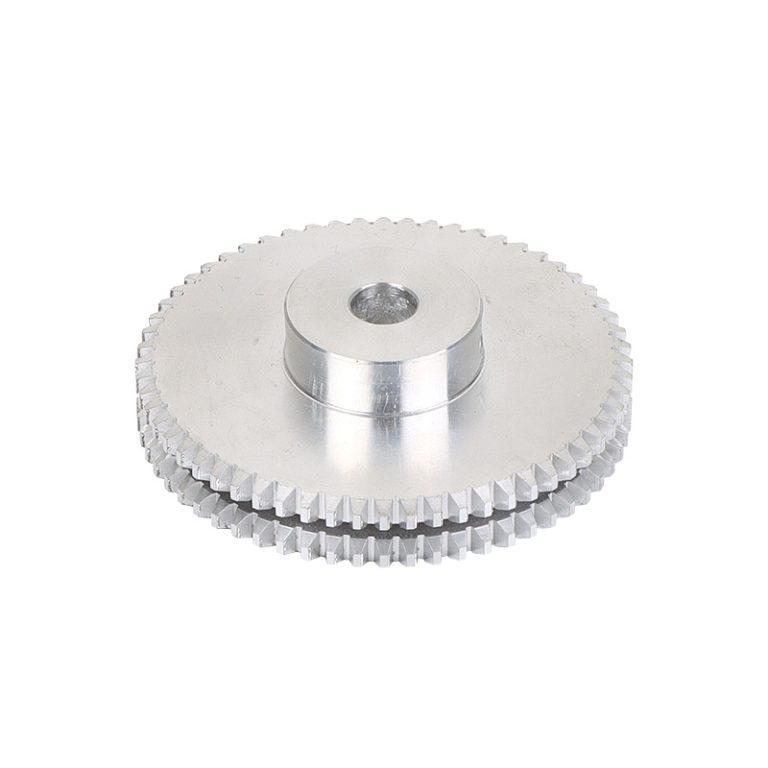
Introduction
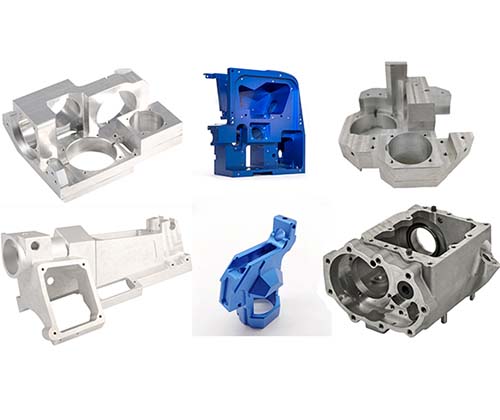
In modern manufacturing, CNC parts have emerged as the cornerstone of precision and efficiency. They play a pivotal role in enhancing production processes across aerospace, automotive, electronics, and medical industries. CNC parts dramatically improve production efficiency—computer-controlled machines run continuously, producing parts faster than traditional manual methods. Precision is another area where CNC parts shine—tolerances as low as a few micrometers are achievable, critical for aerospace where deviations have catastrophic consequences. This guide explores the types of materials, design considerations, and applications that define CNC main parts, providing a comprehensive framework for material selection and application matching.
What Types of Materials Are Used for CNC Main Parts?
The choice of materials significantly impacts performance, functionality, and cost-effectiveness. Metals, plastics, and ceramics each offer unique properties for specific applications.
Metals
Metals are widely used due to high strength, durability, and excellent mechanical properties.
| Material | Types | Properties | Applications |
|---|---|---|---|
| Steel | Carbon steel (low/medium/high); alloy steel (stainless, nickel, molybdenum) | High strength, good toughness, moderate cost | Automotive engine blocks, chassis, gears, shafts; stainless steel: food/beverage equipment, surgical instruments |
| Aluminum | 2024-T4, 7075-T6 | Lightweight (1/3 steel density); excellent corrosion resistance; high thermal conductivity | Aerospace: fuselage (2024-T4), wings/landing gear (7075-T6); Electronics: heat sinks, laptop casings |
| Copper | Pure copper | Excellent electrical and thermal conductivity; good corrosion resistance | Electrical wiring, connectors, circuit boards; heat exchangers, automotive radiators, industrial cooling towers |
Steel advantages: High strength withstands heavy loads—engine blocks, heavy-duty machinery frames, gears.
Aluminum advantages: Weight reduction critical in aerospace; 2024-T4 (fatigue resistance) for fuselage; 7075-T6 (high strength-to-weight) for wings and landing gear.
Copper advantages: High electrical conductivity (reduces energy losses); high thermal conductivity (ideal for heat exchangers).
Plastics
Plastics are popular for weight reduction, cost-effectiveness, and specific functional properties.
| Material | Properties | Applications |
|---|---|---|
| ABS (Acrylonitrile Butadiene Styrene) | Balance of strength, toughness, heat resistance; easy to mold; high surface finish | Electronics: device housings (TVs, monitors, printers); Toys: Lego bricks, action figures—non-toxic, impact-resistant |
| Polycarbonate (PC) | High strength; excellent impact resistance; high transparency | Optical instruments: lenses, viewfinders; Automotive: headlights, taillight covers—impact-resistant, heat-resistant |
Ceramics
Ceramics offer high hardness, high temperature resistance, and excellent electrical insulation.
| Material | Properties | Applications |
|---|---|---|
| Alumina ceramics (Al₂O₃) | Mohs hardness up to 9 (near diamond); excellent wear resistance; high-temperature resistance; electrical insulation | Cutting tools: ceramic inserts—cut hard materials with less wear, high speeds, high temperatures; Electronic packaging: protect components from heat and electrical interference |
What Design Considerations Apply to CNC Main Parts?
Aerospace Applications
| Component | Material | Design Requirement | CNC Contribution |
|---|---|---|---|
| Turbine blades | Nickel-based superalloys | Precise aerodynamic shapes; tolerances ±0.05 mm | Tight tolerances optimize engine performance; Boeing: 5% fuel efficiency improvement |
| Wing spars, ribs, skin panels | Aluminum alloys (high strength-to-weight) | Complex internal structures for weight reduction while maintaining integrity | Airbus: 20% increased wing lifespan |
Automotive Applications
| Component | Material | Design Requirement | CNC Contribution |
|---|---|---|---|
| Cylinder heads | Aluminum or steel | Combustion chambers, valve seats, coolant passages; combustion chamber volume ±0.5 cc tolerance | Ford: 10% increase in torque output |
| Gears | Steel | Precise tooth profiles; spacing accuracy ±0.01 mm | Reduced gear noise; GM: 15% longer transmission service life |
| Control arms, suspension links | High-strength steel or aluminum | Exact specifications for handling and safety | BMW: 12% improvement in cornering performance |
Electronics Applications
| Component | Material | Design Requirement | CNC Contribution |
|---|---|---|---|
| Mobile phone housings | Aluminum alloy | Sleek design; tolerances ±0.03 mm | Perfect fit for internal components; Apple iPhone series |
| Heat sinks | Aluminum or copper | Complex fin structures for maximum surface area | Intel: 10°C CPU temperature reduction |
| PCB drilling | Copper-clad laminate | Hole accuracy ±0.01 mm | Proper component mounting; reliable electrical connectivity |
What Is Yigu Technology’s Perspective?
As a custom supplier of non-standard plastic and metal products, we have in-depth expertise in material selection and application for CNC parts.
- Material expertise: Metals (steel, aluminum, copper), plastics (ABS, PC), ceramics (alumina). We assess properties based on customer needs—strength, weight, conductivity, cost.
- Customized solutions: Technical team works closely from initial design—understanding product function, usage environment, budget constraints. We optimize design, select appropriate materials, and determine most efficient processing technology.
- Outcome: High-quality CNC parts; reduced costs; improved production efficiency. From small-scale prototypes to large-scale production orders.
Conclusion
CNC main parts are defined by the materials they use, the design precision they achieve, and the applications they serve. Steel offers high strength for automotive engine blocks and gears; aluminum provides lightweight properties for aerospace fuselages (2024-T4) and wings (7075-T6) with 5% fuel efficiency gains; copper delivers electrical conductivity for wiring and thermal conductivity for heat exchangers. ABS plastics serve electronics housings and toys; polycarbonate provides impact-resistant automotive lighting and optical lenses. Alumina ceramics enable high-speed cutting tools and electronic packaging. CNC achieves tolerances as tight as ±0.001 mm for electronic components, ±0.01 mm for gear tooth profiles, and ±0.05 mm for aerospace turbine blades—resulting in documented improvements: Boeing 5% fuel efficiency, Ford 10% torque increase, GM 15% longer transmission life, Intel 10°C CPU temperature reduction. With proper material selection and design optimization, CNC parts deliver precision, performance, and cost-effectiveness across industries.
FAQs
What are the most common materials for CNC parts?
The most common materials include metals (steel, aluminum, copper), plastics (ABS, polycarbonate), and ceramics (alumina). Steel: high strength for automotive engine components; aluminum: lightweight, corrosion-resistant for aerospace wings and heat sinks; copper: electrical/thermal conductivity for wiring and heat exchangers; ABS: cost-effective electronics housings and toys; polycarbonate: high strength, transparency for automotive lighting and optical components; alumina ceramics: high hardness, heat resistance for cutting tools and electronic packaging.
Can CNC parts be made from non-standard materials?
Yes. Non-standard materials may have unique machining characteristics, increasing difficulty and cost. As a non-standard plastic and metal products custom supplier, we assess machining requirements and optimize production processes to ensure high-quality CNC parts while considering client budget and performance requirements.
Contact Yigu Technology for Custom Manufacturing
At Yigu Technology , we combine deep material knowledge with advanced CNC machining to deliver precision components. Our 3-axis, 4-axis, and 5-axis CNC machines work with steel, aluminum, copper, ABS, polycarbonate, and alumina ceramics. We provide DFM feedback to optimize your designs for manufacturability. From aerospace turbine blades to electronics housings, we deliver parts that meet your exact specifications with consistent quality.
Ready to define your CNC main parts with the right materials and design? Contact Yigu Technology today for a free consultation and quote. Let us help you achieve precision, performance, and cost-effectiveness in every component.