Introduction
Time is your most valuable resource in product development. Every day spent waiting for a prototype is a day your competitors get closer to market. Custom rapid prototyping changes this equation. It allows you to go from digital design to physical part in hours or days, not weeks or months. This speed enables more iterations, better testing, and faster launches. This guide explains how custom rapid prototyping works, the technologies involved, and how it accelerates development across industries.
What Is Rapid Prototyping?
Rapid prototyping is a set of techniques that enables the fast fabrication of physical models directly from 3D CAD data. It bridges the gap between conceptual design and mass production.
The core benefits are clear:
- Speed: Design iterations happen in days, not months
- Cost savings: Catch design flaws early, when fixes are cheap
- Improved quality: Test and refine before committing to tooling
- Enhanced collaboration: Tangible models improve team communication
- Competitive edge: Accelerate launch timelines
What Key Technologies Enable Rapid Prototyping?
Two main technology categories drive rapid prototyping: additive manufacturing (3D printing) and subtractive manufacturing (CNC machining).
3D Printing (Additive Manufacturing)
3D printing builds objects layer by layer from digital models. It supports various materials and creates intricate designs with exceptional detail.
| Technology | Best For | Key Characteristics |
|---|---|---|
| FDM (Fused Deposition Modeling) | Cost-effective, general-purpose prototypes | Low cost, wide material range, visible layer lines |
| SLA (Stereolithography) | High detail, smooth finishes | Smooth surface, fine features, higher cost |
| SLS (Selective Laser Sintering) | Durable, complex geometries | No supports needed, strong parts, functional testing |
A designer creating a complex ergonomic grip might use SLA for its smooth finish. An engineer testing a durable mechanical part might choose SLS for its strength.
CNC Machining (Subtractive Manufacturing)
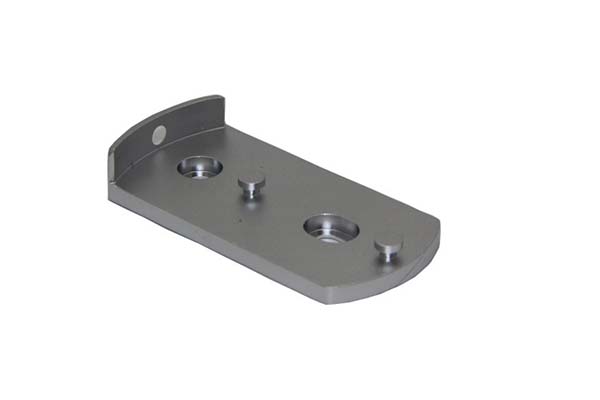
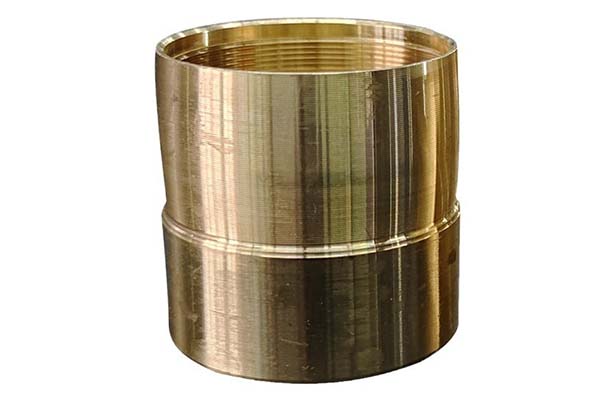
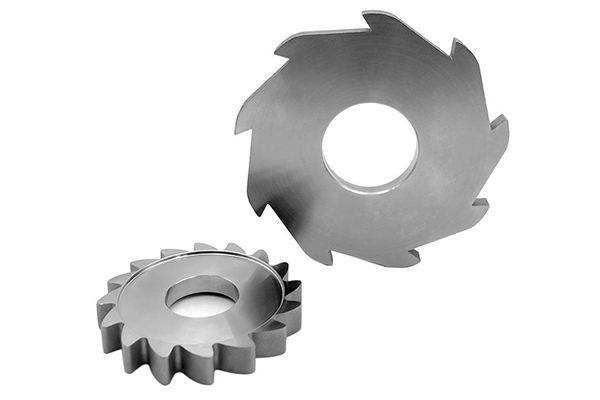
CNC machining removes material from a solid block to achieve the desired shape. It excels at creating robust, precise prototypes.
- Precision: Tolerances as tight as ±0.01 mm
- Material versatility: Metals, engineering plastics, composites
- Durability: Production-grade materials for functional testing
- Surface finish: Polished, ready for assembly
What Are the Steps in Custom Rapid Prototyping?
The process follows a structured path from idea to validated prototype.
Step 1: Conceptualization
Define objectives and functionality. What problem does the product solve? What must the prototype demonstrate? Clear goals guide every subsequent decision.
Step 2: CAD Modeling
Create detailed designs using 3D CAD software. This digital model becomes the blueprint for the prototype.
Step 3: Material Selection
Choose materials based on application needs. Factors include:
- Strength and durability: For stress testing
- Thermal properties: For high-temperature environments
- Chemical resistance: For exposure to harsh substances
- Cost efficiency: Balancing performance with budget
Step 4: Prototype Creation
Fabricate using 3D printing or CNC machining. The choice depends on geometry, material, and intended use.
Step 5: Testing and Validation
Assess performance against objectives. Identify areas for improvement.
Step 6: Iteration
Make design adjustments based on test results. Produce subsequent versions. Each iteration brings you closer to a production-ready design.
Step 7: Finalization
Prepare for production with an optimized, validated design.
How Does Rapid Prototyping Drive Product Development?
The impact goes beyond just making parts faster.
Iterative Design and Testing
Continuous iteration is the heart of rapid prototyping. Developers refine designs based on real-world testing, not assumptions.
A medical device company developing a new surgical instrument created five prototype iterations in six weeks. Each version incorporated surgeon feedback. The final design was validated and ready for production—a process that would have taken months without rapid prototyping.
Enhanced Collaboration
Physical prototypes bridge communication gaps. Engineers, designers, marketers, and stakeholders can all see, touch, and evaluate the same object. Discussions shift from abstract concepts to concrete feedback.
A consumer electronics team used SLA-printed models to demonstrate a new laptop design to executives. The physical model revealed ergonomic issues that had not been apparent in CAD. The design was adjusted before tooling began.
Faster Time-to-Market
By compressing testing and validation cycles, rapid prototyping shortens development timelines. Companies launch products ahead of competitors.
| Development Stage | Traditional Timeline | With Rapid Prototyping |
|---|---|---|
| First prototype | 4–8 weeks | 2–5 days |
| Design iteration cycle | 3–6 weeks | 1–2 weeks |
| Overall development | 12–24 months | 6–12 months |
What Materials Are Commonly Used?
Material selection significantly affects prototype performance.
Plastics
- ABS: Strong, impact-resistant, widely used
- PLA: Biodegradable, easy to print, good for concept models
- Nylon: Durable, wear-resistant, suitable for moving parts
- Polycarbonate: High impact strength, transparent options
Metals
- Aluminum: Lightweight, good strength-to-weight ratio
- Titanium: High strength, corrosion-resistant, biocompatible
- Stainless steel: Strong, corrosion-resistant, durable
Composites
- Carbon fiber-filled: Lightweight, high stiffness
- Glass-filled: Enhanced strength, thermal stability
Resins
- Standard resins: General-purpose SLA printing
- Tough resins: Functional testing, impact resistance
- Flexible resins: Rubber-like parts, gaskets
- High-temperature resins: Heat-resistant applications
What Do Real-World Examples Show?
Case studies demonstrate the impact across industries.
Medical Devices: Custom Prosthetics
Ottobock, a medical device company, used 3D printing to create custom prosthetics tailored to individual patients. Traditional manufacturing took weeks. 3D printing reduced production time to days. The result: better-fitting prosthetics delivered faster.
Surgeons also use rapid prototyping for surgical instruments. Quick iterations allow them to refine tools based on actual operating room feedback, improving precision and safety.
Automotive Innovation
Ford employs CNC machining and 3D printing to prototype new vehicle components. Engine parts, interior trim, and aerodynamic elements are tested quickly.
Using rapid prototyping, Ford reduced the development timeline for certain components by 50%. Engineers could test multiple design variations in the time previously needed for one.
Consumer Electronics
A major tech company used SLA 3D printing to prototype sleek laptop designs with innovative cooling systems. The high-detail prototypes allowed the team to evaluate aesthetics, thermal performance, and assembly fit before committing to production tooling.
The result: shorter design cycles and a successful product launch ahead of schedule.
What Does the Future Hold?
Rapid prototyping continues to evolve.
Technological Advancements
- AI integration: Predictive analytics optimize designs and detect issues before printing
- Hybrid manufacturing: Combining additive and subtractive techniques for optimized results
- Smart materials: Shape-memory alloys, conductive materials, and self-healing polymers
Sustainability Goals
- Biodegradable materials: Reducing environmental impact
- Energy-efficient processes: Lowering carbon footprint
- Waste reduction: Additive processes generate minimal scrap
How Does Yigu Technology Approach Rapid Prototyping?
At Yigu Technology, custom rapid prototyping is central to how we serve clients. We combine multiple technologies to match your specific needs.
We Start with Your Goals
Before any production, we discuss what you need to learn from the prototype. Is it form and fit? Functional performance? User interaction? The answer shapes our approach.
We Match Technology to Purpose
- 3D printing: For complex geometries, rapid iteration, concept models
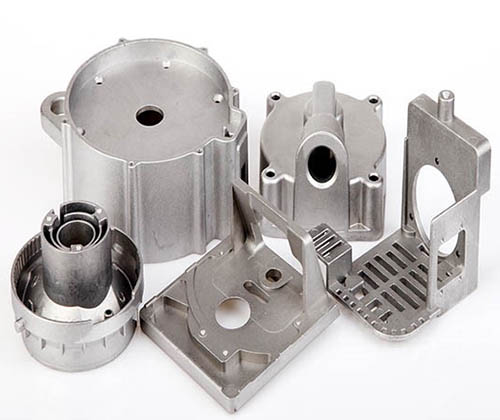
- CNC machining: For precision metal and plastic parts, functional testing
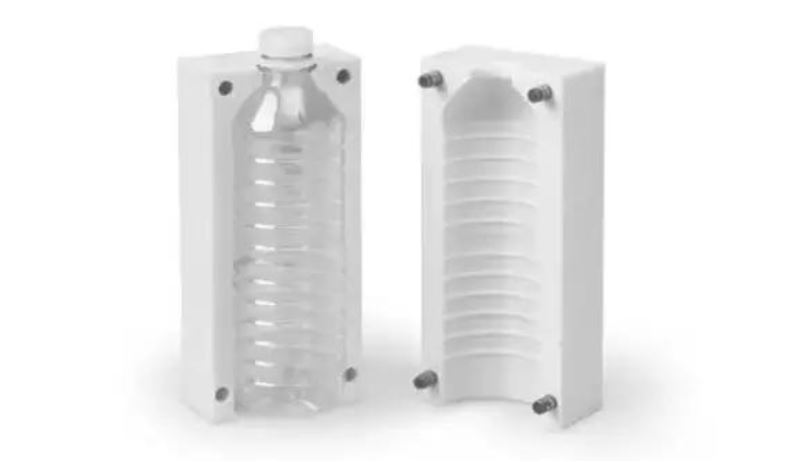
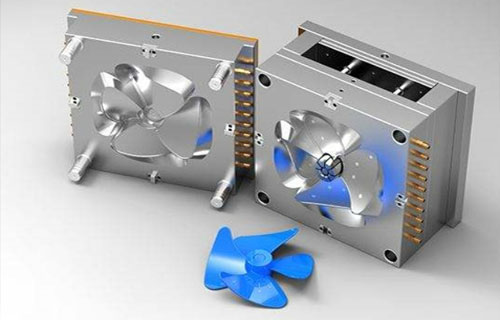
- Rapid tooling: For injection-molded prototypes that mimic final production
We Provide Material Guidance
Our engineers help you select the right materials based on strength requirements, thermal conditions, chemical exposure, and budget.
We Iterate with You
Prototyping is a collaborative process. We provide DFM feedback, suggest improvements, and work with you through multiple iterations until the design is validated.
Conclusion
Custom rapid prototyping accelerates product development by enabling faster iterations, better testing, and earlier validation. Technologies like 3D printing and CNC machining turn digital designs into physical parts in days. This speed reduces risk, improves quality, and shortens time to market.
Whether you are developing medical devices, automotive components, or consumer electronics, rapid prototyping gives you the ability to test, learn, and refine faster than ever before. The result is better products, launched sooner, with greater confidence.
Frequently Asked Questions
What is the difference between rapid prototyping and traditional prototyping?
Rapid prototyping uses additive and advanced subtractive methods to produce parts in hours or days directly from CAD data. Traditional prototyping often involves manual model-making or tooling that takes weeks or months. Rapid prototyping enables faster iteration and earlier validation.
What is the most cost-effective rapid prototyping method?
For small, simple parts, FDM 3D printing is typically most cost-effective. For functional metal parts requiring precision, CNC machining may be more appropriate despite higher per-part cost. The best method depends on material, geometry, and intended use.
How many iterations are typical in rapid prototyping?
Most products go through 3 to 5 prototype iterations. Early iterations test basic form and concept. Later iterations refine functionality, materials, and manufacturability. Rapid prototyping makes multiple iterations feasible within tight timelines.
Can rapid prototyping be used for production parts?
Yes. Additive manufacturing is increasingly used for end-use parts, especially in low-volume or customized applications. CNC machining is commonly used for production components. The term “rapid prototyping” focuses on development, but the same technologies often scale to production.
What industries benefit most from custom rapid prototyping?
Medical devices, automotive, aerospace, consumer electronics, and industrial equipment benefit significantly. Any industry where speed to market, complex geometries, or customization matters can leverage rapid prototyping.
Contact Yigu Technology for Custom Manufacturing
Ready to accelerate your product development with custom rapid prototyping? Yigu Technology offers 3D printing, CNC machining, and rapid tooling services backed by engineering expertise. Our team helps you select the right processes and materials for your project. Contact us today to discuss your design and get started.