Introduction
Imagine being able to take a digital design and turn it into a physical object in hours—without tooling, without minimum orders, without compromise. That is the reality of commercial 3D printing services. These industrial-grade additive manufacturing solutions are transforming how businesses approach product development, prototyping, and production. From aerospace components that must withstand extreme conditions to customized medical implants that match patient anatomy perfectly, commercial 3D printing delivers capabilities that traditional methods cannot match. This article explores how these services work, their benefits across industries, and what businesses need to know to leverage this technology effectively.
What Is Commercial 3D Printing?
Definition and Technology Overview
Commercial 3D printing, also called industrial additive manufacturing, uses advanced machines to create three-dimensional objects from digital models. Unlike desktop printers used by hobbyists, commercial systems offer:
- Higher precision: Tolerances down to ±0.02 mm
- Wider material range: Engineering plastics, metals, ceramics, composites
- Larger build volumes: Parts up to meters in size
- Production capabilities: Consistent quality for end-use parts
- Advanced software: Simulation, monitoring, quality control
The fundamental principle remains the same: build objects layer by layer from a digital file. But commercial systems do it faster, more accurately, and with materials that meet real-world performance requirements.
How It Differs from Traditional Manufacturing
| Aspect | Commercial 3D Printing | Traditional Manufacturing |
|---|---|---|
| Tooling Required | None | Molds, dies, fixtures: $5k–$500k+ |
| Lead Time | Days to weeks | Weeks to months |
| Design Complexity | Almost unlimited | Constrained by process |
| Customization | Free—each part can differ | Expensive—new tooling required |
| Material Waste | <10% | 70–90% for machining |
| Minimum Quantity | One | Often hundreds or thousands |
| Part Consolidation | Multiple parts into one | Assembly required |
History and Evolution
The journey began in the 1980s when Chuck Hull invented stereolithography (SLA) , the first commercially viable 3D printing technology. Since then, the field has exploded:
- 1990s: FDM and SLS emerge, expanding material options
- 2000s: Metal printing becomes viable with SLM and EBM
- 2010s: Industrial adoption accelerates across aerospace, medical, automotive
- 2020s: Multi-material, large-format, and hybrid systems push boundaries
Today, commercial 3D printing is integral to industries where performance, customization, and speed matter most.
What Are the Key Benefits of Commercial 3D Printing Services?
Time and Cost Efficiency
Traditional manufacturing requires extensive setup. Molds must be designed, machined, and tested—weeks or months, tens of thousands of dollars. 3D printing eliminates this entirely.
Faster prototyping: Designers iterate quickly. A concept that once took months to prototype now prints overnight. Test, learn, refine—repeat weekly instead of yearly.
Lower upfront costs: No tooling means no financial risk for new designs. A single prototype costs the same as the hundredth. Small batches become economical.
On-demand production: Print only what you need, when you need it. No inventory, no obsolescence, no minimum orders.
Real-world example: A product design firm needed to test three variations of a new handle. Traditional method: machine each prototype—$3,000 and three weeks. 3D printing: print all three overnight—$200. The firm tested, refined, and finalized in days.
Customization and Complexity
Commercial 3D printing excels where traditional methods struggle—complex geometries and individualized products.
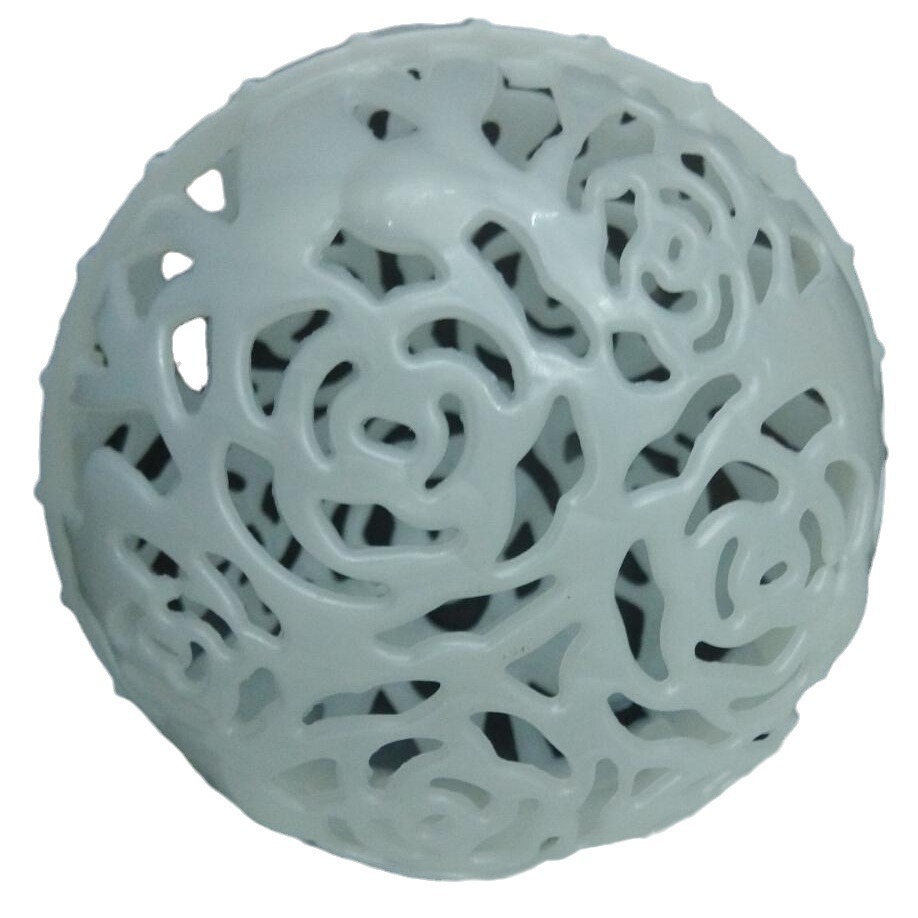
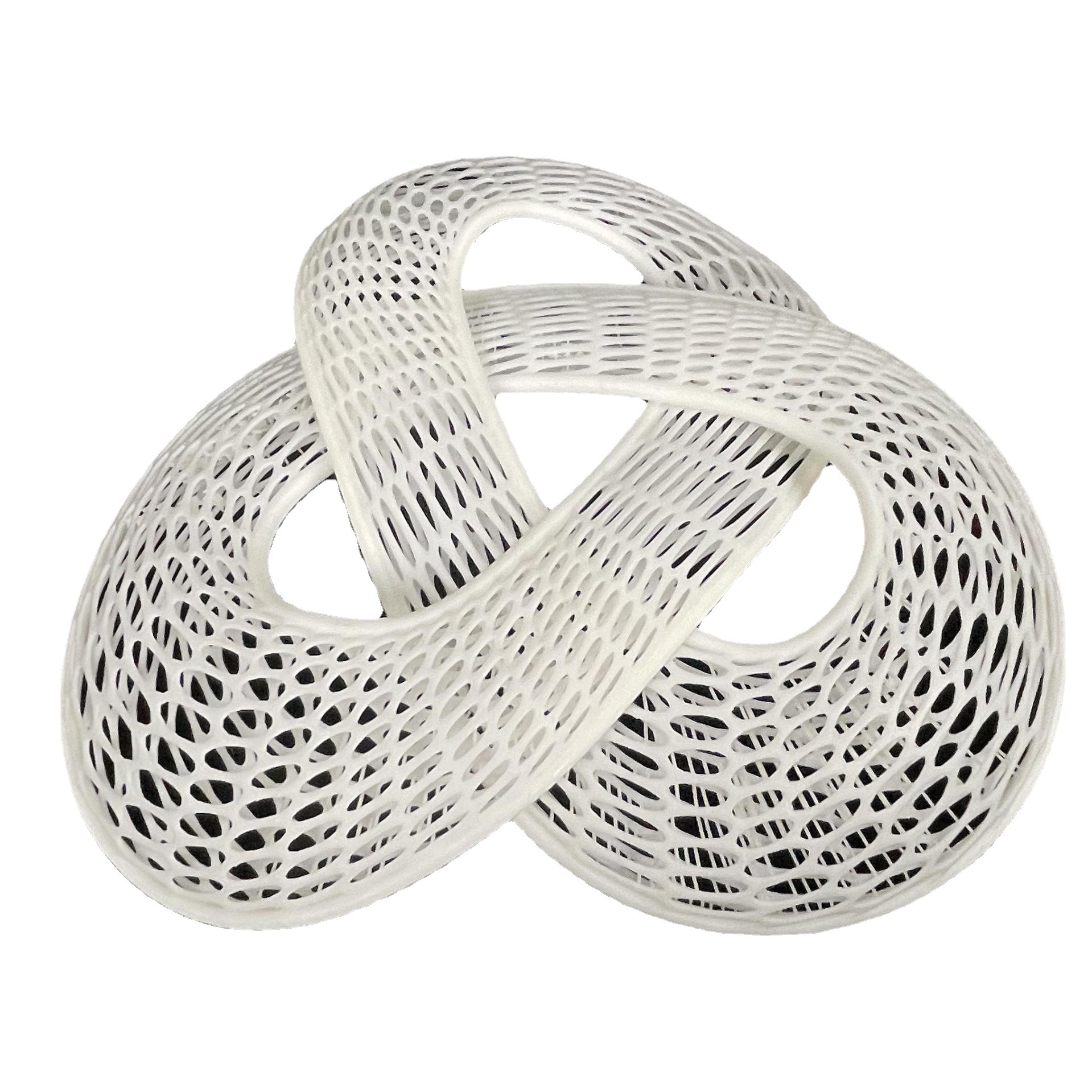
Design freedom: Internal channels, lattice structures, organic shapes—all free. No draft angles, no tool access limitations, no undercut restrictions.
Medical customization: Implants designed from patient CT scans fit perfectly. A study found patients with 3D-printed implants recovered 30% faster than those with standard implants.
Automotive and aerospace: Complex engine components with integrated cooling channels. Lightweight brackets with optimized topologies. Parts that were impossible become routine.
Real-world example: A hospital needed custom tracheal splints for pediatric patients. Each child's anatomy unique. Traditional manufacturing impossible. 3D printing delivered patient-specific splints. Surgical time reduced 60%. Recovery faster.
Environmental Impact
Additive manufacturing aligns with sustainability goals:
Reduced waste: Traditional machining can waste 90% of material. 3D printing uses only what goes into the part—waste under 10%. For expensive materials like titanium, this matters enormously.
Material efficiency: Unused powder in powder bed systems recycles. Metal printing achieves near-100% material utilization over multiple builds.
Local production: Print where parts are needed. No shipping across oceans. Reduced carbon footprint.
Recycled materials: Many printers accept recycled filaments and powders. Biodegradable options exist for some applications.
Energy efficiency: Some studies show additive methods consume less energy per part than traditional manufacturing, especially for complex geometries.
How Is Commercial 3D Printing Used Across Industries?
Automotive Industry
Automakers were early adopters and continue to push boundaries.
Applications:
- Prototyping: Test designs before tooling. Iterate weekly instead of monthly.
- Custom components: Limited edition parts, restoration pieces, performance upgrades.
- Lightweight parts: 3D-printed aluminum brackets reduce weight by 25–50%.
- Tooling: Printed jigs and fixtures improve assembly efficiency.
Benefits:
- Faster development cycles
- Weight reduction improves fuel efficiency
- Customization for niche vehicles
- On-demand spare parts
Real-world example: A high-performance car manufacturer replaced traditional engine seals with 3D-printed multi-lobed fluorosilicone seals. Leakage reduced 30%. Better fit improved efficiency. Fuel consumption dropped.
Aerospace and Defense
Aerospace demands lightweight, high-strength components. 3D printing delivers.
Applications:
- Engine components: Turbine blades with internal cooling channels. GE's fuel nozzle went from 20 parts to 1, weight down 25%, durability up 5x.
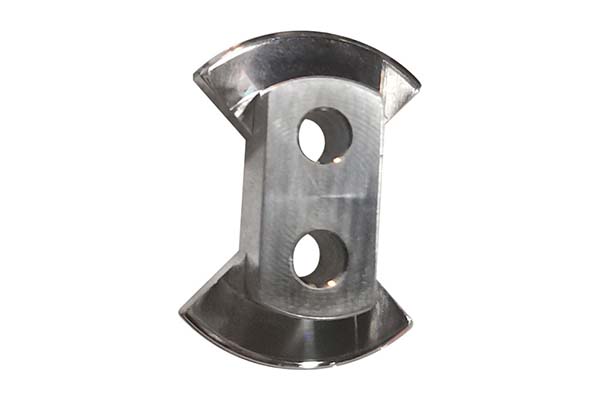
- Structural brackets: Titanium brackets 30–50% lighter than machined versions.
- Ducting and air management: Complex shapes impossible to mold.
- Repair: DED rebuilds worn turbine blades at fraction of replacement cost.
Benefits:
- Weight reduction saves fuel—$3,000–$5,000 per kg annually
- Part consolidation reduces assembly time and failure points
- On-demand production for remote locations
- Complex geometries optimize performance
Real-world example: Boeing used additive manufacturing for titanium components, reducing weight by up to 30% while maintaining mechanical properties. Every kilogram saved saves thousands in fuel over the aircraft's life.
Medical and Healthcare
Medicine may be 3D printing's most impactful application.
Applications:
- Custom implants: Hip replacements, spinal cages, cranial plates from patient CT scans. Perfect fit, faster recovery.
- Prosthetics: Custom sockets, adjustable features. A child outgrowing a prosthetic gets a new one quickly and affordably.
- Surgical guides: Patient-specific tools ensure precise implant placement. Shorter surgery, better outcomes.
- Anatomical models: Surgeons practice on replicas before operating.
Benefits:
- Personalized solutions improve outcomes
- Faster recovery reduces hospital stays
- Lower cost for custom devices
- Better patient education and consent
Real-world example: A hospital used 3D printing to create custom tracheal splints for children with airway collapse. Each splint matched the patient's unique anatomy. Surgical planning time reduced 60%. Fit accuracy improved to ±0.1 mm. Hospital stay shortened by 3 days on average.
Consumer Goods and Electronics
Personalization drives value in consumer markets.
Applications:
- Custom products: Jewelry, phone cases, eyewear tailored to individuals.
- Rapid iteration: Test designs in real-world conditions before production.
- Small-batch production: Limited editions, seasonal items, test markets.
- Complex aesthetics: Intricate patterns impossible to mold.
Benefits:
- Faster time-to-market
- Premium pricing for personalized items
- Reduced inventory risk
- Design differentiation
Real-world example: A jewelry designer creates engagement rings based on customer sketches. Each ring unique. Traditional casting would require new molds—impractical. 3D printing delivers custom rings in days. Customers pay premium for something no one else has.
What Are the Key Technologies in Commercial 3D Printing?
| Technology | Working Principle | Materials | Best For |
|---|---|---|---|
| FDM (Fused Deposition Modeling) | Extrudes thermoplastic filament | PLA, ABS, PETG, Nylon, Polycarbonate | Large parts, prototypes, tooling |
| SLA (Stereolithography) | UV laser cures liquid resin | Photopolymer resins | High-detail parts, jewelry, dental |
| SLS (Selective Laser Sintering) | Laser sinters powder | Nylon, TPU, composites | Durable functional parts, complex geometries |
| SLM/DMLS (Metal) | Laser melts metal powder | Stainless steel, titanium, aluminum | Production metal parts, aerospace, medical |
| EBM (Electron Beam Melting) | Electron beam melts metal in vacuum | Titanium, cobalt-chrome | Aerospace, orthopedic implants |
| Binder Jetting | Binder bonds powder, then sintered | Stainless steel, bronze, ceramics | Medium-volume metal parts, full-color models |
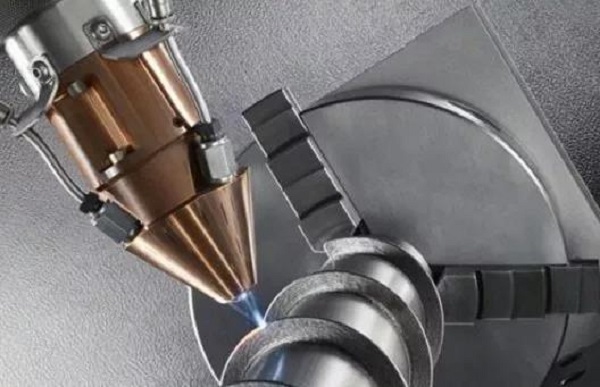
| DED (Directed Energy Deposition) | Laser or electron beam melts wire/powder as deposited | Metal wires and powders | Large parts, repairs, multi-material |
| Multi-Jet Fusion | Fusing agent and detailing agent, then heat | Nylon, TPU | Functional parts, production runs |
FDM (Fused Deposition Modeling)
How it works: Thermoplastic filament melts and extrudes through a nozzle, building parts layer by layer.
Strengths: Large build volumes, low cost, wide material range.
Limitations: Visible layer lines, anisotropic strength.
Best for: Prototypes, jigs and fixtures, large parts, low-cost production.
SLA (Stereolithography)
How it works: UV laser cures liquid resin layer by layer.
Strengths: Exceptional detail, smooth surfaces.
Limitations: Smaller build volumes, resins can be brittle.
Best for: High-detail models, jewelry, dental applications, master patterns.
SLS (Selective Laser Sintering)
How it works: Laser sinters powder particles together. Unsintered powder supports overhangs.
Strengths: No supports needed, durable parts, complex geometries.
Limitations: Rough surface finish, powder handling.
Best for: Functional prototypes, end-use parts, ductwork, housings.
Metal Printing (SLM, DMLS, EBM)
How it works: Laser or electron beam melts metal powder layer by layer.
Strengths: Dense metal parts, excellent mechanical properties, complex geometries.
Limitations: Expensive, slow, supports required.
Best for: Aerospace components, medical implants, high-performance automotive parts.
How Should Businesses Adopt Commercial 3D Printing?
Strategic Integration
To maximize value, businesses must integrate 3D printing thoughtfully:
Start with prototyping: Gain experience, understand capabilities, build internal knowledge.
Identify high-value applications: Where does complexity, customization, or speed provide competitive advantage?
Evaluate production needs: Which parts are candidates for additive manufacturing? Low volume? Complex geometry? Custom requirements?
Consider hybrid approaches: Use 3D printing for complex cores, traditional methods for simple features. Combine for optimal results.
Partnerships and Service Providers
Not every business needs in-house printers. Commercial 3D printing services offer:
- Access to advanced equipment without capital investment
- Material expertise across dozens of options
- Design assistance for printability
- Quality assurance and certification support
- Scalability from prototypes to production
Choosing a provider:
- Evaluate their technology range
- Check material options
- Review portfolio and case studies
- Assess quality control processes
- Compare turnaround and pricing
Preparing for the Future
Additive manufacturing evolves rapidly. Stay informed:
Materials: New alloys, composites, and high-performance polymers appear regularly.
Processes: Faster printers, larger build volumes, hybrid systems.
Software: Better simulation, generative design, process control.
Applications: As technology improves, more parts become economically printable.
Businesses that stay ahead of the curve gain competitive advantage.
What Are the Limitations to Consider?
Speed
3D printing is slower than high-volume manufacturing. A complex part might take days. For millions of parts, traditional methods remain faster.
Cost at Scale
For high volumes, per-part cost remains higher than injection molding or casting. The breakeven point depends on part complexity and material.
Material Constraints
Not every engineering material is available in printable form. Properties can vary with print orientation. Certification requires testing.
Size Limitations
Most printers have limited build volumes. Large parts must be printed in sections and assembled. Industrial-scale printers exist but cost millions.
Post-Processing
Parts often need support removal, surface finishing, heat treatment, and inspection. These steps add time and cost.
Quality Assurance
Ensuring consistent quality requires process control. For regulated industries, certification demands rigorous testing and documentation.
How Does Yigu Technology Approach Commercial 3D Printing?
As a non-standard plastic and metal products custom supplier, Yigu Technology offers commercial 3D printing as a core service. We help clients across industries leverage this technology effectively.
Our Experience in Action
Medical: A device company needed patient-specific surgical guides. Each unique, each needed quickly. We printed them in biocompatible resin from CT data. Surgeons reported perfect fit and reduced surgery time.
Aerospace: A client required titanium brackets with complex internal geometries for weight reduction. Traditional machining impossible. We printed them via SLM. Weight reduced 30%. Parts passed all qualification testing.
Automotive: An engine builder needed prototype components for testing. Traditional fabrication weeks. We printed in aluminum overnight. Testing proceeded immediately. Design iterations daily.
Our Capabilities
We maintain multiple commercial-grade technologies:
- FDM for large parts and engineering materials
- SLA for high-detail models and patterns
- SLS for durable nylon components
- Metal printing for production-grade parts
- Material variety across plastics, resins, and metals
Our Commitment
- Expert guidance: We help select the right technology and materials
- Quality assurance: Every part inspected before shipping
- Clear communication: We'll tell you if your file needs work
- Fair pricing: Transparent quotes with no hidden fees
Conclusion
Commercial 3D printing services are transforming how products are designed, prototyped, and manufactured. The benefits are clear:
- Time and cost efficiency: No tooling, rapid iteration, on-demand production
- Customization and complexity: Parts tailored to individual needs, geometries impossible otherwise
- Environmental sustainability: Reduced waste, local production, material efficiency
From automotive prototypes to aerospace components, from medical implants to consumer goods, commercial 3D printing delivers value across industries.
Limitations remain—speed, cost at scale, material constraints. But technology advances rapidly. Faster printers, better materials, and lower costs expand the application range each year.
For businesses, the message is clear: commercial 3D printing is not experimental. It is a production tool ready for integration. Companies that adopt it strategically gain competitive advantage—faster development, better products, lower costs.
The future of manufacturing is additive. The question is not whether to adopt, but how soon.
Frequently Asked Questions
Q1: What is the difference between commercial 3D printing and desktop 3D printing?
Commercial 3D printing uses industrial-grade systems with higher precision, wider material range, larger build volumes, and production capabilities. Desktop printers are for hobbyists and low-volume applications, with more basic features and smaller output.
Q2: How long does it take to print a part using commercial 3D printing services?
Time varies by complexity, size, and material. Simple parts: hours. Complex parts: days. Large industrial components: a week or more. Post-processing adds additional time.
Q3: Are there any limitations to using commercial 3D printing services?
Yes: speed (slower than mass production), cost at scale (higher per-part for high volumes), material constraints (not all materials available), size limitations (most printers have limited build volumes), and post-processing requirements.
Q4: What industries benefit most from commercial 3D printing?
Aerospace (lightweight, complex parts), medical (custom implants, surgical guides), automotive (prototyping, custom components), consumer goods (personalized products), and industrial manufacturing (tooling, replacement parts) all gain significant advantages.
Q5: Can commercial 3D printing be used for mass production?
For extremely high volumes (millions of parts), traditional methods remain more economical. For low-to-medium volumes (hundreds to thousands), 3D printing can be cost-effective, especially for complex parts. Some industries use it for bridge production while tooling is developed.
Q6: How do I choose between in-house printing and using a service?
Consider: volume (how many parts?), frequency (how often?), capital (can you invest in equipment?), expertise (do you have in-house knowledge?), and requirements (do you need specialized materials or certifications?). Services offer access without investment.
Q7: What post-processing do 3D printed parts typically need?
Common steps: support removal, cleaning (for resin or powder), surface finishing (sanding, polishing), heat treatment (for metals), painting or coating, and assembly. The extent depends on part requirements.
Contact Yigu Technology for Custom Manufacturing
Ready to explore commercial 3D printing for your next project? At Yigu Technology, we combine additive manufacturing expertise with broader manufacturing capabilities. Our team helps you select the right technology and materials, optimize designs for printability, and deliver quality parts on schedule.
Visit our website to see our capabilities. Contact us today for a free consultation and quote. Let's transform your designs into reality.