Finding a reliable metal working partner can feel overwhelming. You need someone who understands your industry, meets your deadlines, and delivers quality without hidden costs. This guide walks you through the logical steps engineers and project managers use to vet suppliers—from understanding core services to verifying quality systems—so you can make a confident choice.
Introduction: More Than Just a Metal Shop
If you are reading this, you likely have a project that needs professional metal fabrication, machining, or finishing. The short answer is this: look for a company with proven expertise in your specific metal type, a solid track record of meeting deadlines, transparent pricing, and the technical capacity to handle your unique requirements. But a smart choice requires digging deeper. Let’s break down everything you need to know.
What Services Do They Offer?
A Full-Service Partner vs. A Specialist
A capable metal working company does more than just “cut metal.” They offer end-to-end solutions. Understanding their core services helps you match their strengths to your project’s needs.
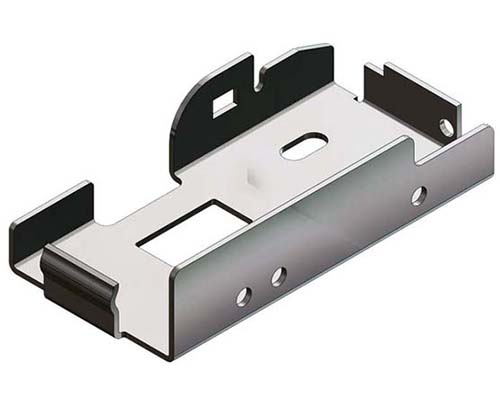
- Metal Fabrication: This includes cutting, bending, and assembling metal into finished products. For example, a company might fabricate stainless steel enclosures for medical devices.
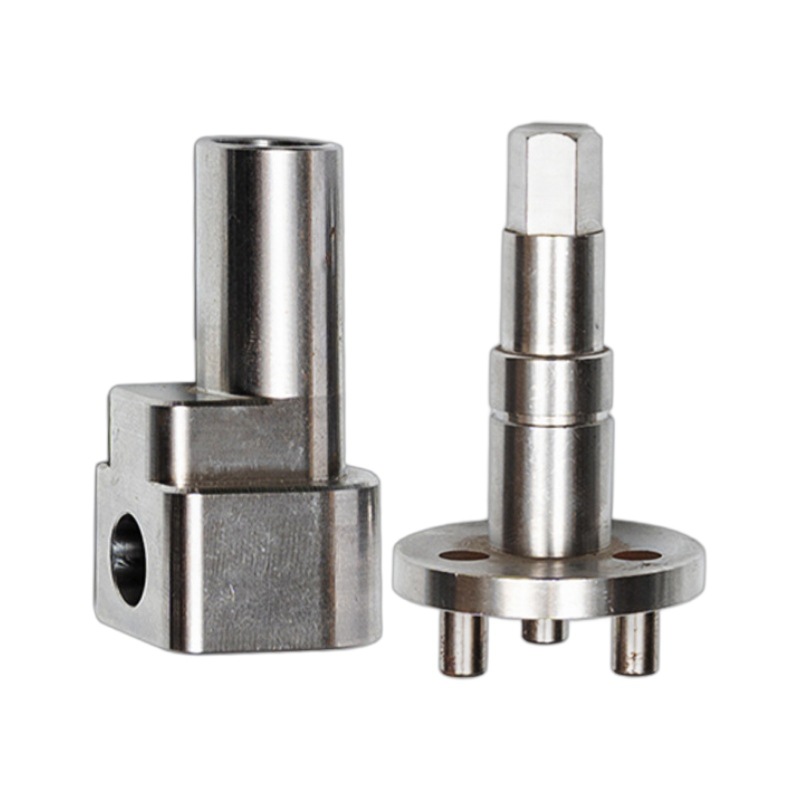
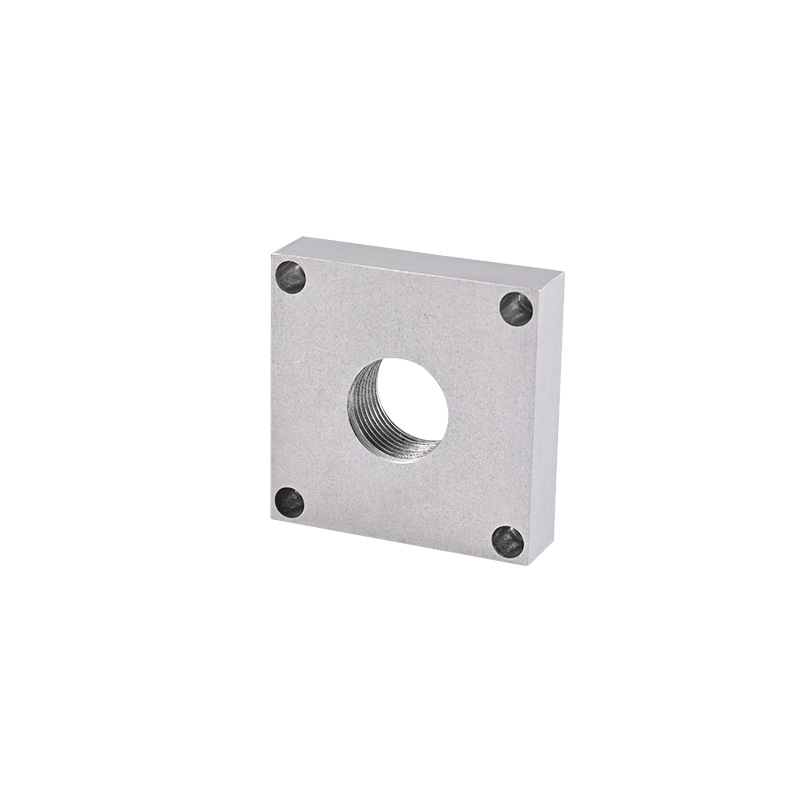
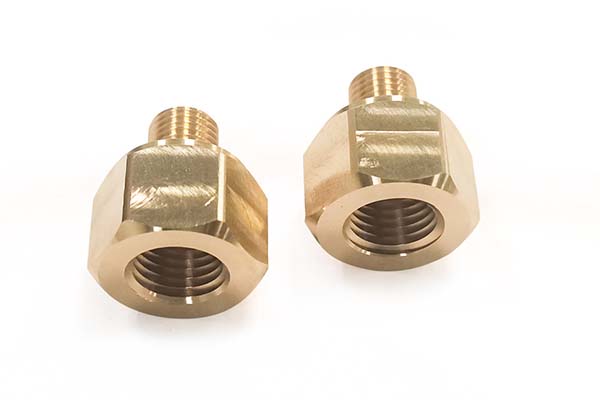
- CNC Machining: This uses automated tools to shape metal with extreme precision. Tolerances often reach ±0.001 inches. A study by the Association for Manufacturing Technology found that CNC-machined parts reduce error rates by 40% compared to manual methods.
- Metal Finishing: Processes like powder coating or anodizing protect metal from corrosion. A marine client, for instance, would need galvanized steel to resist saltwater damage.
- Prototyping and Design Support: Many firms offer in-house engineering to refine your design. A 2023 survey showed that projects with Design for Manufacturability (DFM) input were completed 25% faster.
How Do You Evaluate a Potential Partner?
Key Factors to Check
Not all shops are the same. Some specialize in small-batch custom work. Others focus on high-volume production. Use this checklist to narrow your options.
1. Industry Expertise
Look for a company with experience in your specific field. A case in point: FoodSafe Metals in Wisconsin works only with food-industry clients. They hold third-party certifications to prove their materials meet FDA standards. This reduces contamination risk significantly.
2. Technical Capabilities
Ask about their equipment. Can they handle your specs?
- Do they have laser cutters for thick metals (1 inch or more)?
- Do they offer 5-axis CNC machining for complex, 3D-shaped parts?
- Can they manage large-scale structural steel or intricate micro-machined parts?
A company without the right tools may outsource your work. This often leads to delays and miscommunication.
3. Quality Control Processes
Quality is non-negotiable. A tiny flaw can cause a part to fail. Reputable firms will:
- Inspect raw materials before starting.
- Use coordinate measuring machines (CMMs) to check parts during production.
- Provide Certificates of Compliance (CoCs) to verify they meet standards like ISO 9001 or AS9100.
For example, Aerospace Precision Inc. conducts 100% CMM inspections on all parts. They share reports with clients. This transparency builds trust for high-stakes projects.
4. Pricing and Timeline Transparency
Avoid vague quotes. A good partner will:
- Provide a detailed breakdown of costs (materials, labor, finishing).
- Set realistic deadlines and communicate potential delays.
- Offer alternatives, like switching to a cost-effective metal, if your budget is tight.
A 2024 survey found that 78% of buyers cited “unexpected cost increases” as their top frustration. Clear pricing prevents this.
Which Metal Types Do They Handle?
Matching Materials to Expertise
Different metals have unique behaviors. Not every shop excels at working with all of them. Here is a quick guide to help you ask the right questions.
| Metal Type | Key Properties | Common Uses | What to Ask the Company |
|---|---|---|---|
| Steel (Carbon, Stainless) | Strong, durable; stainless resists corrosion | Structural beams, automotive parts, kitchen equipment | “Do you have experience with 304 stainless steel? Can you weld thick plates?” |
| Aluminum | Lightweight, corrosion-resistant, malleable | Aerospace parts, window frames, electronics | “Do you offer anodizing? Can you machine aluminum to tight tolerances?” |
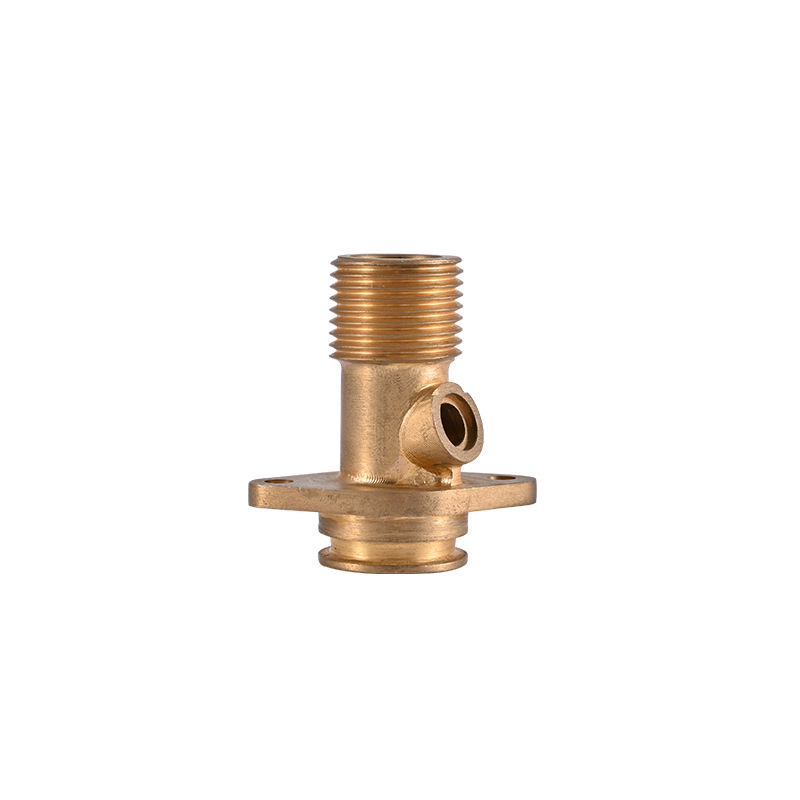
| Copper | Excellent conductivity, malleable | Electrical wiring, plumbing fixtures, heat exchangers | “How do you prevent oxidation during fabrication?” |
| Titanium | High strength-to-weight ratio, biocompatible | Medical implants, aerospace components | “Do you have specialized tools for machining titanium?” |
What Are the Current Industry Trends?
Why Modern Capabilities Matter
Staying aware of trends helps you choose a forward-thinking company. Here are three key developments to look for.
1. Automation and Robotics
More shops use robots for welding and handling. This improves consistency. Midwest Metal Works reported that adding robotic welders reduced their rework rate by 35%. It also allowed them to take on more projects without increasing staff.
2. Sustainability Practices
Eco-friendly practices are becoming standard.
- Using recycled steel saves 74% less energy than producing new steel.
- Optimized cutting software reduces material waste.
- Low-VOC finishes minimize air pollution.
If sustainability matters to your business, ask about these green initiatives.
3. Digital Collaboration Tools
Top firms now use digital platforms to keep you informed.
- Shared portals (like Asana or Monday.com) let you track progress in real time.
- 3D modeling software lets you review designs before production.
- Digital delivery of QC reports ensures transparency.
Digital Fabrication Co. says clients using their online portal are 20% more satisfied because they always know what is happening.
Conclusion
Choosing the right metal working company is about matching their capabilities to your project’s demands. Start by confirming they offer the services you need—whether fabrication, machining, or finishing. Then vet their expertise with your specific metal type and check their quality control systems. Prioritize partners who are transparent about pricing and timelines. By following this structured approach, you avoid costly delays and ensure your project is built on a foundation of reliability.
FAQ
How long does a typical metal working project take?
Timelines vary. A small custom part, like a single CNC bracket, might take 1–2 weeks. A large structural fabrication could take 4–8 weeks. Always ask for a detailed timeline upfront, including time for design reviews and quality checks.
Can a metal working company help me improve my design?
Yes. Most reputable firms offer DFM support. Their engineers can suggest changes to make your design easier to manufacture. This often saves money and speeds up production without harming functionality.
What if I am unsure which metal to use?
A good partner will guide you. They will ask about your needs—like strength, weight, or exposure to corrosion—and recommend the right grade. For outdoor use, they might suggest galvanized steel or aluminum over carbon steel.
Do metal working companies offer warranties?
Many do. Warranties typically cover defects in materials or workmanship for 6 months to 1 year. Always ask about warranty terms before starting and get them in writing.
How can I verify a company’s reputation?
Check online reviews on platforms like Google or IndustryNet. Ask for references from past clients. Look for certifications like ISO 9001 or AS9100. A facility visit, in person or virtual, also helps you see their equipment and processes firsthand.
Contact Yigu Technology for Custom Manufacturing
Finding the right partner is just the first step. At Yigu Technology, we combine deep material expertise with advanced manufacturing to bring your project to life. Whether you need precision CNC machining for aerospace components or custom fabrication for industrial equipment, our team provides transparent pricing and rigorous quality control.
We invest in automation and digital collaboration to keep your project on track. Let us help you turn your specifications into reliable, finished parts.
Contact Yigu Technology today to discuss your project requirements.