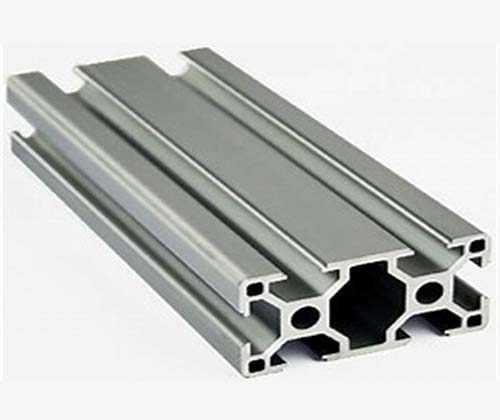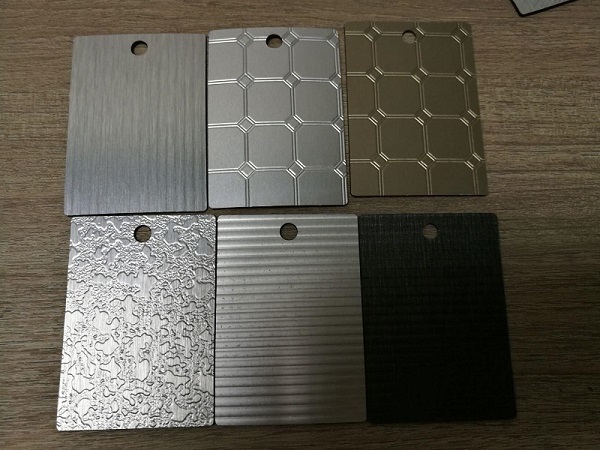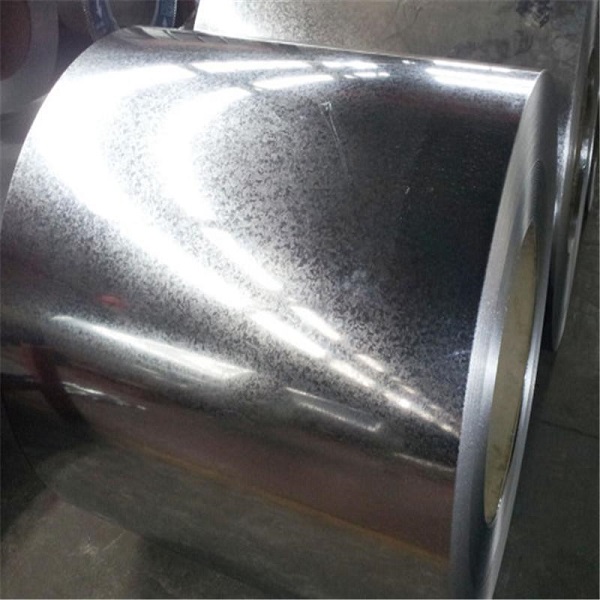
If you are working on a project involving aluminum—whether a building facade, a car part, or a consumer product—you need to understand aluminum fabrication. Simply put, it is the process of transforming raw aluminum materials like sheets, extrusions, or coils into finished components. This involves cutting, bending, welding, and assembling. Because aluminum is lightweight, corrosion-resistant, and malleable, it requires specialized techniques. Knowing these methods helps you choose the right approach, avoid common mistakes, and ensure your final product meets quality standards.
What Are the Core Processes?
A Step-by-Step Look
Aluminum fabrication is a sequence of tailored processes. The right combination depends on your end product.
Cutting
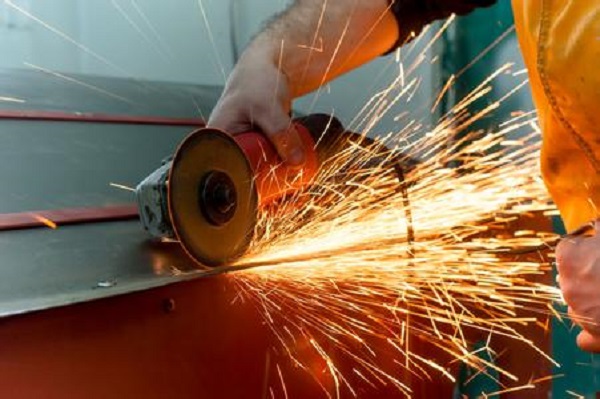
Cutting is the first step. Aluminum is softer than steel and can melt if cut with high heat. So fabricators often use cold-cutting methods.
- Shearing: Best for thin sheets, like those used in sign making.
- Laser Cutting: Provides precision for complex shapes, often used in aerospace parts. Accuracy can reach ±0.1mm.
- Waterjet Cutting: Ideal for thick aluminum blocks, such as industrial machinery bases. It uses no heat, so the material does not warp.
Real Example: A manufacturer producing solar panel frames used laser cutting to create precise holes for wiring. Each hole stayed within 0.1mm of the design, ensuring a perfect fit with other components.
Bending and Forming
Once cut, aluminum pieces often need shaping into curves, angles, or profiles. Aluminum is malleable but can crack if bent too sharply.
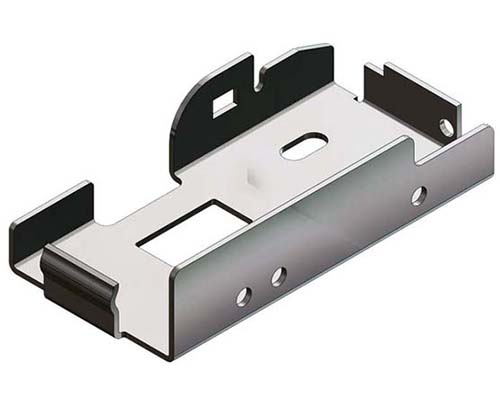
- Press Brakes: Create straight bends, such as 90-degree angles in brackets.
- Roll Forming: Produces continuous curved shapes, like automotive trim.
Case Study: A furniture company needed curved aluminum legs for modern chairs. Using a roll forming machine, they heated the aluminum slightly to 150–200°C—hot enough to soften but not weaken it. They produced 500 consistent legs with no cracks, something manual bending could not achieve.
Welding
Welding joins aluminum pieces. It is trickier than welding steel because aluminum conducts heat faster.
- MIG Welding (Metal Inert Gas): Used for large, thick pieces like truck frames.
- TIG Welding (Tungsten Inert Gas): Used for precise work like aerospace components or custom railings.
According to the American Welding Society (AWS) , TIG welding produces joints with over 90% strength match to the base aluminum. A boat builder uses TIG welding for hull panels. The joints withstand constant water pressure and saltwater exposure without leaking.
Assembly and Finishing
After cutting, forming, and welding, components are assembled into a final product. Assembly may involve fastening with screws or rivets, or adhesive bonding for lightweight products like drone frames.
Finishing enhances appearance and durability.
- Anodizing: Creates a protective oxide layer. The Aluminum Association reports that 75% of outdoor aluminum products use anodizing, which extends lifespan by 5–10 years compared to uncoated aluminum.
- Painting: Used for aesthetics, such as aluminum electronics casings.
What Factors Should You Consider?
Making Informed Choices
Not all aluminum fabrication projects are the same. Your decisions depend on several critical factors.
Material Selection
The alloy you choose affects fabrication difficulty and final performance.
| Alloy | Key Properties | Best For | Fabrication Notes |
|---|---|---|---|
| 6061 | Strong, weldable, heat-treatable | Bike frames, aircraft parts | Requires preheating before welding |
| 5052 | Corrosion-resistant, good formability | Boat parts, outdoor signage | Difficult to weld; adhesive bonding preferred |
| 3003 | Soft, ductile, low strength | Decorative trim, kitchen utensils | Easy to cut and bend; no heat treatment needed |
Project Requirements
- Size: Small projects like custom keychains can use manual methods. Large projects like aluminum bridges require industrial CNC routers for precision.
- Complexity: Intricate designs, such as aluminum microchips, need laser cutting or CNC machining. Simple designs like shelves can use basic shearing.
- Durability: For harsh conditions, choose 6061 and add anodizing. For indoor decorative pieces, 3003 with a simple paint finish is sufficient.
Real Example: A construction company building a skyscraper’s aluminum curtain wall needed large, durable panels to withstand wind and rain. They chose 6061 aluminum, used CNC routers for precise cutting, and applied a thick anodized layer. The curtain wall is expected to last 30+ years with minimal maintenance.
Cost Considerations
Fabrication costs vary. Here are the key drivers.
- Labor: Complex processes like TIG welding cost $25–$40 per hour. Simple shearing costs $15–$20 per hour.
- Material: High-strength 6061 costs $2–$3 per pound. 3003 costs $1–$1.50 per pound.
- Finishing: Anodizing adds $0.50–$1 per square foot. Painting adds $0.30–$0.70 per square foot.
A small business making aluminum planters saved 20% by using waterjet cutting instead of laser cutting and natural anodizing instead of painting.
What Challenges Might You Face?
Common Problems and Solutions
Cracking During Bending or Welding
Aluminum can crack if bent too sharply or welded without preparation. Its grain structure becomes brittle with rapid temperature changes.
- For bending: Use a press brake with a die width 8–10 times the aluminum thickness. Heat the metal to 150–200°C to soften it.
- For welding: Clean the surface with a wire brush or solvent to remove oxide layers. Preheat thick pieces to 100–150°C.
A bike frame fabricator saw cracking drop from 15% to under 2% after adding preheating and thorough cleaning.
Porosity in Welds
Small holes in welds weaken joints and can cause leaks. This is caused by moisture, dirt, or oxide layers.
- Clean aluminum with acetone or a dedicated cleaner before welding.
- Use argon shielding gas at 15–20 CFH.
- Avoid welding in humidity above 60%.
According to AWS, these steps reduce porosity by up to 80%. A water tank manufacturer used this method to cut rework from 10% to under 1%.
Inconsistent Surface Finish
Uneven anodizing or painting ruins appearance. This happens when the surface is not smooth or clean.
- Sand with 220–400 grit sandpaper.
- Use a chemical etchant like sodium hydroxide to remove blemishes.
- For anodizing, control voltage at 12–18V and temperature at 18–22°C.
A water bottle company saw customer complaints drop by 90% after adding a sanding step and adjusting anodizing temperature.
What Trends Are Shaping the Industry?
The Future of Aluminum Fabrication
Automation and CNC Machining
CNC machines use computer programs to perform cuts, bends, and welds with minimal error. The Fabricators & Manufacturers Association (FMA) reports that CNC reduces production time by 30–50% and improves accuracy by up to 99% compared to manual methods.
An automotive supplier now uses CNC welding robots to assemble aluminum car doors. They weld 50 doors per hour, up from 15 per hour manually, meeting high demand for electric vehicles.
Sustainability and Recycled Aluminum
Recycled aluminum uses 95% less energy than producing new aluminum from ore, according to the Aluminum Association. Many fabricators now offer closed-loop systems, recycling scrap into new components.
A green office building used 80% recycled aluminum for its facade. This cut carbon emissions by 40% and saved 15% on material costs.
Advanced Finishing Technologies
- Ceramic Coating: Creates a harder, more scratch-resistant surface than anodizing. Used for toolboxes and EV charging stations.
- Digital Printing: Allows custom designs to be printed directly onto aluminum. A retail brand used this for display stands, cutting production time by 25% and enabling quick design changes.
Conclusion
Aluminum fabrication works transform raw metal into functional, durable components across industries. The core processes—cutting, bending, welding, and finishing—each require specific techniques suited to aluminum’s unique properties. Success depends on selecting the right alloy, matching processes to project size and complexity, and managing costs effectively. By understanding common challenges like cracking or porosity, and staying aware of trends like automation and recycled materials, you can make informed decisions that ensure quality, durability, and value.
FAQ
How long does a typical aluminum fabrication project take?
Timelines vary. A small project like custom brackets may take 1–3 days. A large project like a curtain wall for a building can take 4–8 weeks. Finishing processes like anodizing add 2–3 days.
Is aluminum fabrication more expensive than steel fabrication?
Initially, yes. Aluminum materials cost 20–30% more than steel, and specialized welding adds labor costs. However, aluminum is lighter, reducing shipping and installation costs by 15–25%. Its corrosion resistance also lowers long-term maintenance, so lifecycle costs are often lower.
Can aluminum fabrication create custom shapes?
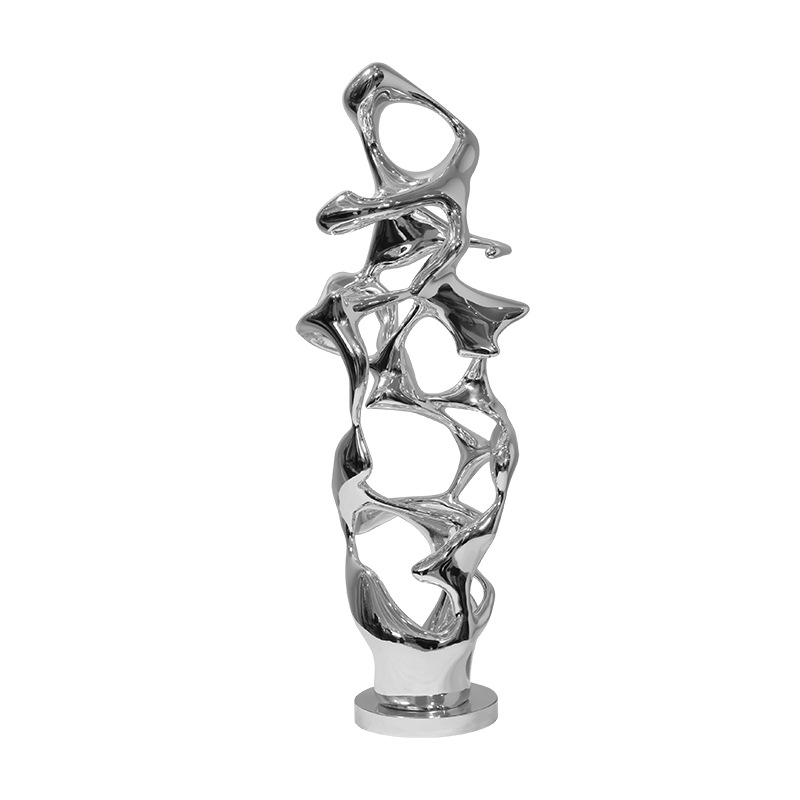
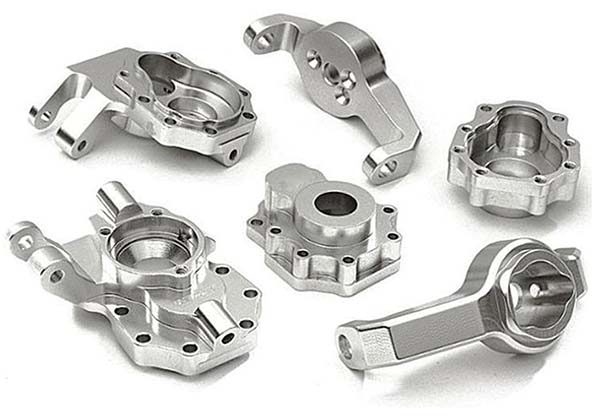
Yes. Techniques like laser cutting, CNC machining, and roll forming allow for almost any custom shape—from intricate curves to complex geometric patterns. A custom sculpture with unique angles can be achieved using 3D modeling and CNC milling.
How do I choose a reliable aluminum fabrication company?
Look for:
- Experience in your industry
- Certifications like AWS welding certification or ISO 9001
- A portfolio of past projects similar to yours
- Transparent pricing and timelines
Is recycled aluminum as strong as virgin aluminum?
Yes. When processed correctly, recycled aluminum has the same strength and performance as virgin aluminum. The Aluminum Association confirms it can be reused indefinitely without losing quality. Many industries now use recycled aluminum for structural components.
Contact Yigu Technology for Custom Manufacturing
Aluminum fabrication requires precision, the right equipment, and deep material knowledge. At Yigu Technology, we specialize in transforming aluminum into high-quality components for construction, automotive, aerospace, and consumer goods. Our team uses advanced CNC machining, certified welding, and sustainable practices to deliver consistent results.
We help you select the right alloy, optimize your design for manufacturability, and manage quality from prototype to production. Let us bring your aluminum project to life.
Contact Yigu Technology today to discuss your aluminum fabrication needs.