Introduction
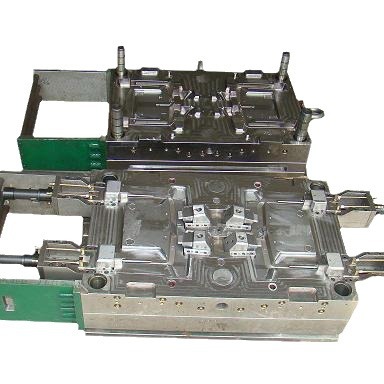
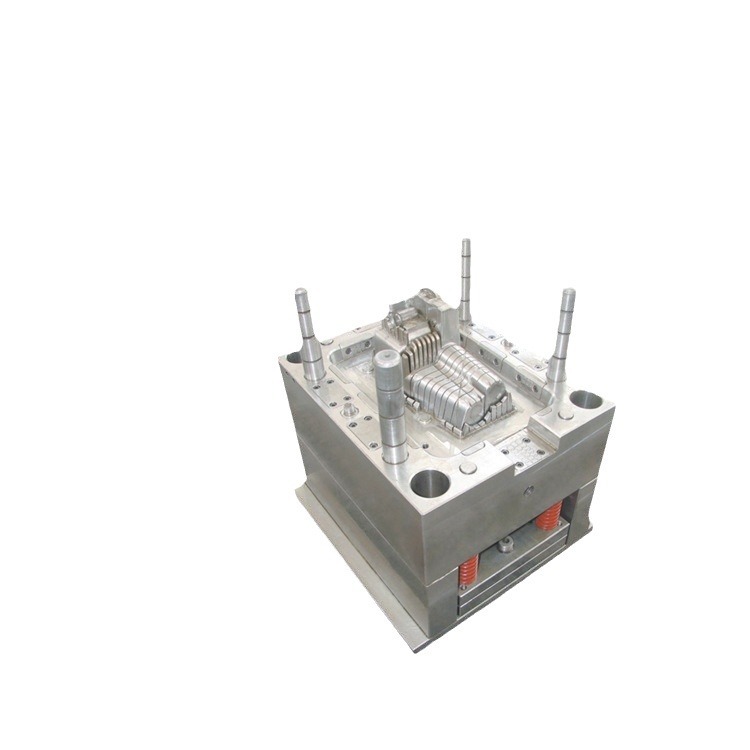
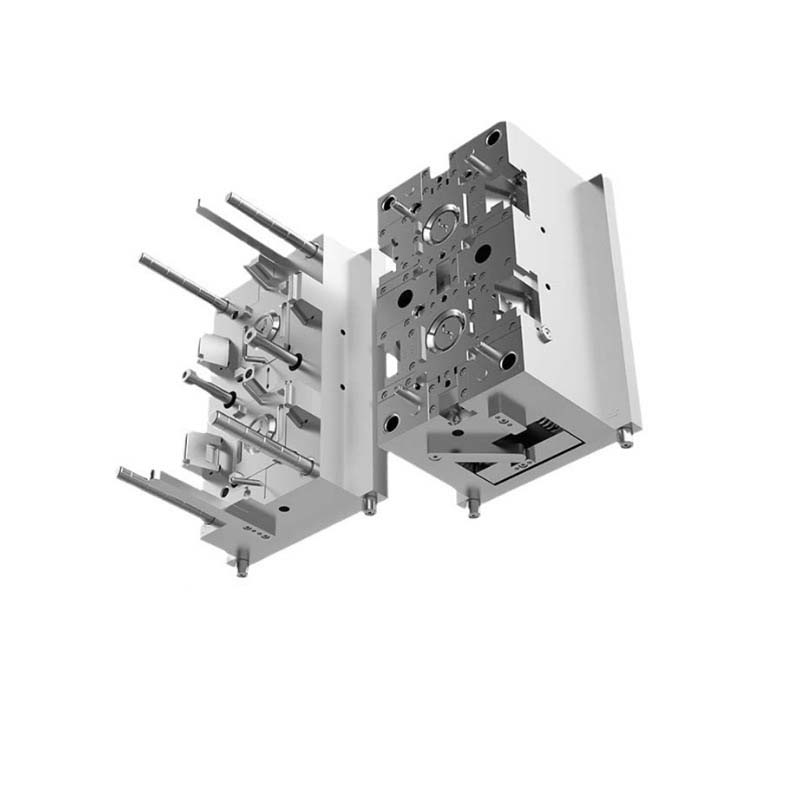
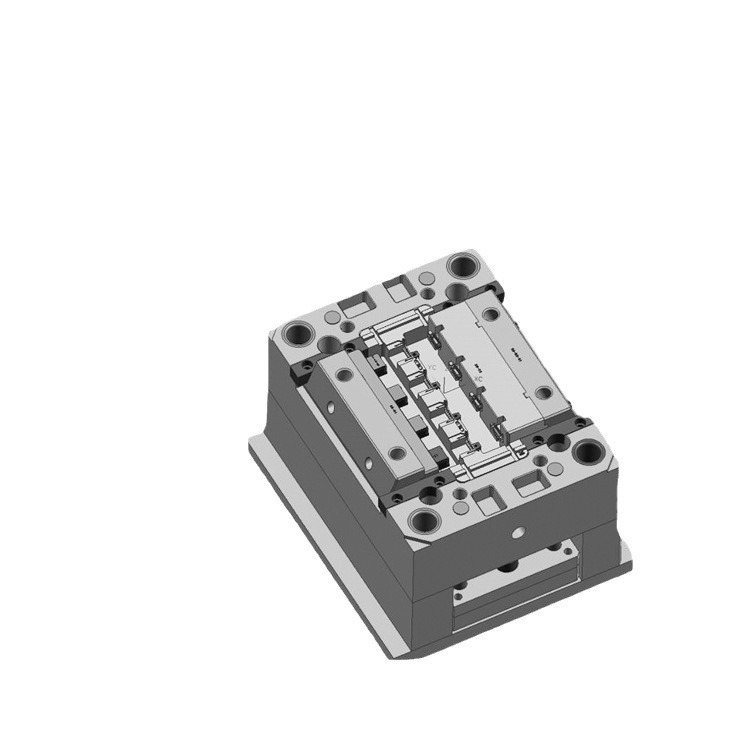
China dominates global injection mold manufacturing. That’s not speculation—it’s fact. In 2023, the market reached approximately 150 billion yuan, with injection molds accounting for 45% of total mold sales in the country.
But what comes next? The industry that built China’s manufacturing reputation is changing. Automation, new materials, and shifting market demands are reshaping how molds are made—and who makes them.
This guide explores the forces shaping injection mold manufacturing in China. We’ll look at the current landscape, emerging technologies, market trends, and what they mean for businesses that depend on quality tooling.
Where Does Injection Mold Manufacturing Stand Today?
Market Size and Growth
China’s injection mold industry has grown steadily over the past five years, averaging 5% annual growth. The numbers tell the story:
| Year | Market Size (billion yuan) |
|---|---|
| 2023 | 150 |
| 2030 (projected) | 200 |
The drivers of this growth are clear. Downstream industries—automotive, electronics, home appliances—continue expanding. New energy vehicles alone have created massive demand for battery housings, interior components, and lightweight structural parts.
Technological Capabilities
Chinese manufacturers have closed the gap with global leaders. Advanced equipment is now standard:
- High-precision CNC machining centers: Achieve positioning accuracy of ±0.001 mm
- EDM (Electrical Discharge Machining): Creates complex geometries with sharp corners
- 3D printers: Used for prototyping and complex cooling channels
Hot runner technology—which keeps plastic molten in the runner system, reducing waste—is now used in 30–40% of medium and high-end molds, and that percentage continues to rise.
Industrial Applications
Injection molds serve nearly every manufacturing sector in China.
| Industry | Share of Injection Mold Demand | Key Applications |
|---|---|---|
| Automotive | 30% | Dashboards, bumpers, battery housings |
| Electronics | 25% | Smartphone casings, laptop covers |
| Home appliances | 20% | Refrigerator liners, air conditioner shells |
| Other | 25% | Medical, packaging, consumer goods |
The automotive sector’s shift to electric vehicles is particularly significant. EV battery housings require high-strength, flame-retardant materials—and the molds that produce them demand precision and durability.
What Technologies Will Shape the Future?
Automation and Robotics
Robots are transforming injection mold factories. Tasks once done by hand—mold loading, part handling, quality inspection—are increasingly automated.
What’s changing:
- 24/7 operation: Robots work without fatigue, increasing output
- Higher precision: Automated CNC machines achieve positioning accuracy of ±0.0001 mm
- Lower labor costs: Fully automated facilities reduce labor costs by up to 40%
Fanuc and other robotics companies have developed systems specifically for injection molding. These aren’t experimental—they’re in production today.
Real example: A mold factory in Guangdong installed robotic part handling on 20 injection machines. Output increased by 25% while labor costs dropped by 35%. Defect rates fell by half.
3D Printing and Additive Manufacturing
3D printing isn’t replacing traditional mold making—it’s enhancing it.
Rapid prototyping: Before cutting steel, manufacturers can 3D-print a prototype mold to test design, fit, and function. This catches issues early, saving time and money.
Complex cooling channels: Metal 3D printing creates cooling channels that follow the shape of the part—something impossible with traditional drilling. These conformal cooling channels can reduce cycle times by 30% .
A leading Chinese mold manufacturer reported that molds with 3D-printed cooling channels reduced cooling time by 30%, increasing overall production efficiency by 18%.
Smart Manufacturing and Industry 4.0
The factory floor is getting smarter. IoT sensors, big data analytics, and AI are moving from buzzwords to standard practice.
What smart manufacturing looks like:
- IoT sensors: Monitor temperature, pressure, vibration in real time
- Predictive maintenance: Analytics predict equipment failures before they happen
- AI quality control: Vision systems detect defects with over 95% accuracy—far better than manual inspection
Factories that embrace these technologies report less downtime, higher quality, and better traceability. For customers, that means more reliable delivery and consistent parts.
What Material Innovations Are Emerging?
Biodegradable and Sustainable Materials
Environmental pressure is driving material change. Biodegradable plastics like PLA (polylactic acid) and PCL (polycaprolactone) are gaining traction.
These materials come from renewable sources and decompose naturally. For applications like food packaging and disposable products, they offer a viable alternative to traditional plastics.
The shift isn’t just regulatory. Consumers increasingly prefer sustainable products. Manufacturers who can mold biodegradable materials well will have a competitive advantage.
High-Performance Engineering Plastics
At the other end of the spectrum, high-performance plastics are enabling new applications.
| Material | Properties | Applications |
|---|---|---|
| PEEK | High heat resistance, chemical resistance, mechanical strength | Automotive engine components, aerospace |
| LCP | Dimensional stability, low moisture absorption | Electronic connectors, medical devices |
These materials are challenging to mold. They require high temperatures and precise control. But they produce parts that withstand conditions that would destroy standard plastics.
Real example: A Chinese mold maker developed a PEEK injection mold for automotive turbocharger components. The mold operates at 400°C and holds tolerances of ±0.01 mm—enabling parts that replace metal and reduce vehicle weight.
What Market Trends Are Driving Growth?
Emerging Industries
Two sectors stand out for future growth:
New energy vehicles (NEVs): China’s NEV market is booming. Battery enclosures, interior trims, and lightweight structural parts all require injection molds. Industry forecasts project over 20% annual growth in injection mold demand from this sector over the next five years.
Medical equipment: Aging populations and healthcare expansion drive demand for syringes, surgical instruments, and diagnostic devices. Medical applications demand precision, cleanliness, and traceability—areas where experienced mold makers excel.
Globalization and Export Opportunities
China exported approximately $5 billion in injection molds in 2023. Major markets include Southeast Asia, Europe, and North America.
Why Chinese molds win:
- Competitive pricing compared to European and Japanese suppliers
- Improving quality and precision
- Faster lead times for complex tools
Challenges remain:
- Rising competition from Vietnam, India, and other manufacturing centers
- Trade barriers and tariffs in some markets
- Quality standards that vary by country
Success in global markets requires continuous improvement. Manufacturers who invest in technology and quality will win. Those who compete only on price will struggle.
What Does This Mean for Buyers?
Opportunities
Better technology: Advanced manufacturing means molds with tighter tolerances, faster cycles, and longer life.
More options: The range of suppliers—from small specialists to large-scale producers—gives buyers choices across price points and capabilities.
Sustainable alternatives: As biodegradable materials become more common, buyers can meet environmental goals without sacrificing performance.
Risks
Uneven quality: The gap between top-tier and low-end manufacturers remains wide. A cheap mold from an unproven supplier will still cause problems.
Rising costs: Labor, materials, and energy costs are rising. The era of ever-decreasing prices may be ending.
Supply chain complexity: Tariffs, shipping delays, and geopolitical tensions add uncertainty to international sourcing.
Yigu Technology’s Perspective
As a custom supplier with decades of experience, we see China’s injection mold industry at an inflection point. The factories that embrace automation, smart manufacturing, and advanced materials will thrive. Those that rely on low-cost labor alone will fall behind.
We’re investing in:
- 5-axis CNC machining for complex geometries
- In-house EDM for precision details
- CMM inspection for documented quality
- Material expertise across standard and high-performance resins
The future belongs to manufacturers who combine China’s traditional strengths—scale, cost-efficiency—with world-class technology and quality systems.
Conclusion
Injection mold manufacturing in China is evolving from a cost-based industry to a technology-based one. Automation, 3D printing, smart manufacturing, and advanced materials are transforming what’s possible.
For buyers, this means access to higher-quality molds, faster lead times, and more sustainable options—but also the need to choose suppliers carefully. The gap between leaders and laggards is widening.
The future isn’t about China versus the world. It’s about which manufacturers—wherever they are—invest in the technology and processes that deliver consistent, high-quality results.
FAQ
What are the key factors driving growth in injection mold manufacturing in China?
Three factors drive growth: expanding downstream industries (especially new energy vehicles and electronics), technological advancements (automation, 3D printing, smart manufacturing), and government policies that support manufacturing innovation and upgrading.
How can small and medium-sized injection mold manufacturers face technological upgrading challenges?
Smaller manufacturers can collaborate with research institutions for joint R&D, invest in training for new technologies like automation and smart manufacturing, and upgrade equipment incrementally—starting with key machines that deliver the biggest impact.
What are the potential environmental impacts of injection mold manufacturing, and how can they be mitigated?
Environmental impacts include plastic waste and high energy consumption. Mitigation strategies include establishing recycling systems for plastic waste, adopting energy-efficient equipment, and optimizing production processes to reduce unnecessary energy use.
Will China remain the dominant injection mold manufacturing hub?
China’s combination of scale, supply chain depth, and technological investment suggests it will remain dominant for the foreseeable future. However, competition from countries like Vietnam and India is growing, and success will depend on continuous quality improvement rather than low cost alone.
How should buyers evaluate Chinese mold manufacturers today?
Look beyond price. Evaluate equipment (5-axis CNC, EDM, inspection tools), quality systems (ISO certifications, CMM documentation), material capabilities (experience with high-performance resins), and communication. The best suppliers treat mold making as engineering, not just machining.
Contact Yigu Technology for Custom Manufacturing
At Yigu Technology, we combine decades of experience with modern manufacturing capabilities. Our facilities include 5-axis CNC machining, in-house EDM, CMM inspection, and a team of engineers who speak your language—both technically and linguistically.
We specialize in:
- Precision injection molds for automotive, medical, electronics, and consumer goods
- High-performance materials including PEEK, LCP, and glass-filled resins
- Quality systems that meet ISO 9001 standards
- Transparent communication and on-time delivery
[Contact Yigu Technology today] to discuss your injection mold project. Let’s build the future together.