Introduction
Manufacturers face constant frustrations: molds that wear out prematurely, corrode under chemical exposure, or fail to maintain precision in high-temperature operations. These issues disrupt production schedules, compromise part quality, and drive up costs.
8407—a premium hot work tool steel—solves these problems. Designed to excel in extreme conditions, 8407 combines exceptional toughness, wear resistance, and thermal stability. It is a top choice for applications ranging from plastic injection molds to die casting tools.
This guide explores how 8407 addresses critical manufacturing pain points. You will learn about its unique properties, heat treatment requirements, applications, and how to maximize its performance.
What Material Properties Make 8407 Exceptional?
| Property | 8407 Performance | Comparison |
|---|---|---|
| Hardness | 44–48 HRC after heat treatment | Balanced wear resistance and toughness |
| Toughness | 20–30% higher impact energy absorption than H13 | Fine-grained structure prevents cracking |
| Wear Resistance | 25–30% better than standard hot work steels | Optimized composition forms hard carbides |
| Corrosion Resistance | Better than many hot work steels | Chromium content resists mold release agents and coolants |
| Grain Structure | Uniform, fine-grained (ASTM 8–10) | Enhances toughness; improves machinability |
Hardness
After proper heat treatment, 8407 achieves 44–48 HRC. This hardness level balances wear resistance and toughness—maintaining shape under repeated molding cycles while resisting cracking.
Toughness
8407’s fine-grained structure delivers exceptional toughness. In Charpy impact tests, it absorbs 20 to 30 percent more energy than H13. This makes it ideal for high-stress applications like die casting where impact resistance is critical.
Wear Resistance
The optimized chemical composition—1.0% carbon, 5.0% chromium, 1.5% molybdenum, and 1.0% vanadium—forms hard carbides that resist abrasion. 8407 outperforms standard hot work steels by 25 to 30 percent in wear tests, significantly extending mold life.
Corrosion Resistance
While not a stainless steel, 8407 offers better corrosion resistance than many hot work steels due to its chromium content. This makes it suitable for use with mold release agents and coolants that degrade lesser materials.
Grain Structure
8407 features a uniform, fine-grained structure (ASTM 8–10). This enhances toughness, ensures consistent performance across the entire mold, improves machinability, and reduces the risk of localized failure.
What Mold Making Techniques Work with 8407?
Working with 8407 requires precision, but its versatility makes it compatible with a range of techniques.
| Technique | Best Practices |
|---|---|
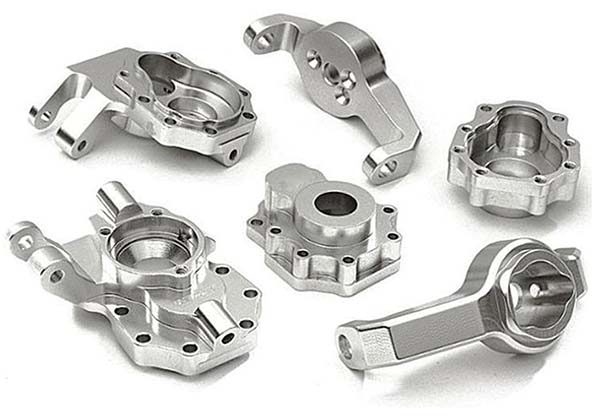
| Precision Machining | Machinable in annealed state (200–220 HB); use carbide tools, cutting speeds 50–80 SFM; fine grain ensures smooth finishes |
| EDM | Handles EDM well; thin recast layer (0.0001–0.0002 inches) easy to remove; prevents cracking in high-stress areas |
| Grinding | Use resin-bonded diamond wheels; continuous coolant; achieves tolerances ±0.0001 inches |
| Milling | HSS or carbide end mills with positive rake angle; reduces cutting forces and improves surface finish |
| Surface Finishing | Polishes to mirror finish (Ra 0.02–0.05 μm); buffing with 1200-grit compound; ideal for aesthetic-critical parts |
Where Is 8407 Used in Mold Making?
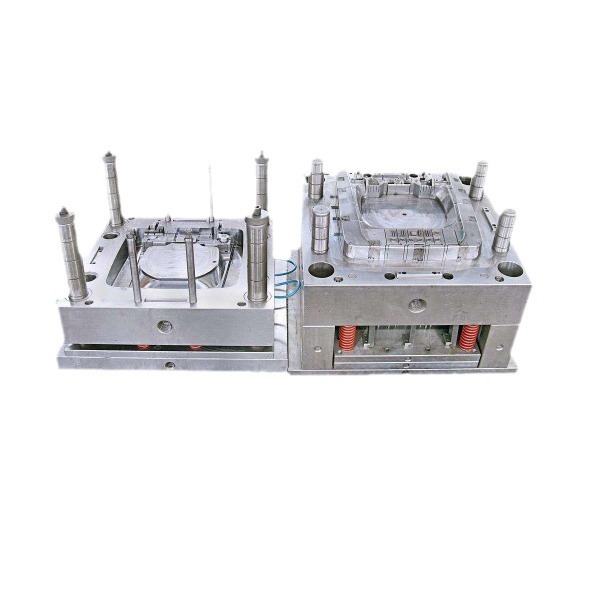
Plastic Injection Molds
For molding high-temperature plastics like PEEK and nylon, or filled resins with glass or mineral fillers, 8407’s wear resistance and thermal stability deliver extended life. Molds made from 8407 last 50 to 70 percent longer than those made from standard steels, even with abrasive fillers.
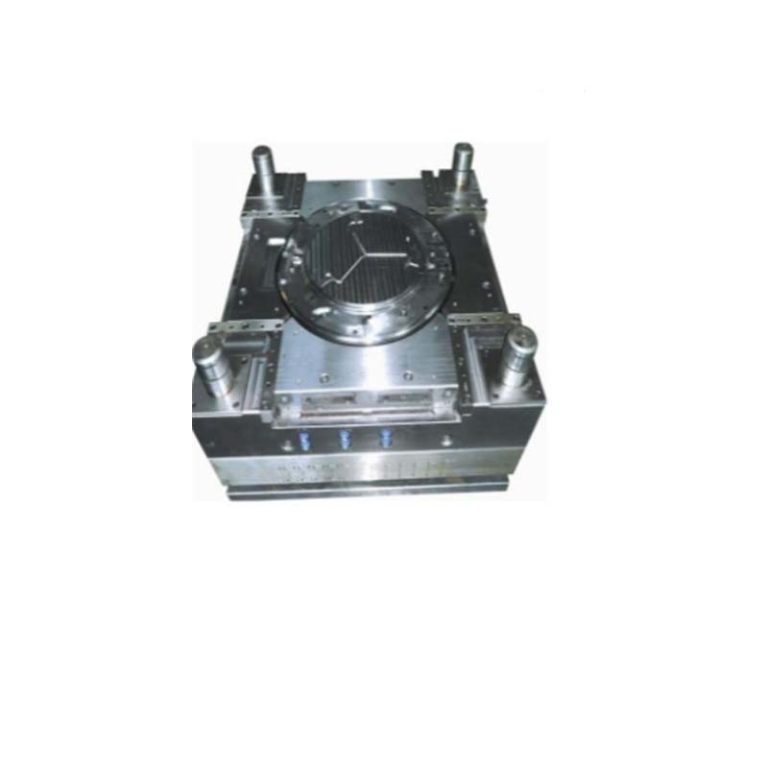
Die Casting Molds
In aluminum and magnesium die casting, 8407 resists cyclic heat (600–1200°F) and chemical attack from molten metals. It typically lasts 100,000 to 200,000 cycles—30 to 40 percent longer than H13 in the same application.
Hot Forming Molds
For automotive hot stamping—where boron steel is heated to 900°C and formed—8407 maintains dimensional stability, ensuring consistent part quality. Its toughness prevents cracking during rapid cooling cycles.
Aerospace Molds
The high precision and reliability of 8407 make it ideal for aerospace components requiring tight tolerances and material integrity. It is commonly used for molding turbine parts and structural components.
Consumer Electronics Molds
8407’s ability to achieve a mirror finish makes it perfect for molds producing smartphone casings, laptop parts, and other consumer electronics with strict aesthetic requirements.
How Is 8407 Heat Treated?
Proper heat treatment unlocks 8407’s full potential. Small mistakes drastically reduce performance.
| Process | Parameters | Purpose |
|---|---|---|
| Annealing | 1,500–1,550°F (815–845°C), hold 2–3 hours, slow cool ≤50°F/hour to 1,000°F | Softens to 200–220 HB for machining; relieves internal stresses |
| Hardening | 1,850–1,900°F (1,010–1,038°C), hold 30–45 minutes, oil or vacuum quench | Vacuum quenching preferred for complex molds; ensures uniform cooling; reduces oxidation |
| Tempering | 1,000–1,100°F (538–593°C), 2–4 hours, repeat once | Final hardness 44–48 HRC; temper at 1,100°F for maximum toughness; at 1,000°F for better wear resistance |
Case Hardening
For applications needing extra surface wear resistance, case hardening (like nitriding) can be applied. This creates a hard surface layer (65–70 HRC) while keeping the core tough, extending mold life by 40 to 50 percent in abrasive environments.
Heat Treatment Equipment
Using controlled-atmosphere furnaces with precise temperature control (±5°F) is critical. This ensures uniform heating and prevents decarburization, which weakens the steel’s surface.
How Do You Maintain and Machine 8407 Molds?
Proper maintenance and machining extend service life by 2 to 3 times, maximizing your investment.
| Activity | Best Practice |
|---|---|
| Tool Wear Management | Monitor cutting tools—8407’s carbide content wears tools faster than softer steels; replace inserts when wear reaches 0.005 inches |
| Surface Treatment | Regular cleaning with mild solvents removes mold release agents and debris; apply protective coating during storage to prevent corrosion |
| Repair Techniques | Small cracks or worn areas can be welded with 8407 filler rod; post-weld heat treatment (tempering at 1,050°F) restores toughness |
| Cooling Systems | Ensure proper mold cooling to reduce thermal stress; 8407’s good thermal conductivity allows efficient cooling channels |
| Quality Control | Regular inspections using ultrasonic testing or dye penetrant catch cracks early; measure dimensional stability after each 10,000 cycles |
How Does 8407 Compare to Other Tool Steels?
| Steel Grade | Hardness (HRC) | Toughness | Wear Resistance | Best For |
|---|---|---|---|---|
| 8407 | 44–48 | Excellent (20–30% better than H13) | 25–30% better than standard hot work steels | High-stress hot work (die casting, injection molding of filled plastics) |
| H13 | 44–48 | Good | Baseline | General hot work |
| D2 | 57–62 | Low | Excellent | Cold work, high-wear applications |
| H11 | 44–48 | Good | Moderate | Lower-stress hot work |
8407 vs. H13: 8407 offers 20–30 percent better toughness and wear resistance, making it ideal for high-stress applications. It also has better corrosion resistance, extending life in environments with coolants or mold release agents.
Cold work suitability: While 8407 can handle cold work, its hardness (44–48 HRC) is lower than cold work steels like D2 (57–62 HRC), making it less cost-effective for low-temperature, high-wear tasks.
Yigu Technology’s Perspective
As a custom manufacturing supplier, we have seen 8407 transform production efficiency for our clients. Its superior toughness and wear resistance make it a standout for high-volume die casting and plastic injection applications.
Performance gains: Clients switching from H13 to 8407 typically see 40 to 60 percent longer mold life. In abrasive applications, the improvement is even more significant.
Optimization: Our in-house heat treatment experts optimize 8407’s properties for each application, balancing hardness and toughness to match specific requirements.
Precision capabilities: For precision-critical molds, 8407’s machinability and surface finish capabilities deliver parts that meet the strictest quality standards—making it ideal for aerospace, medical, and electronics applications.
Conclusion
8407 represents a significant advancement in hot work tool steel. Its balanced hardness (44–48 HRC) provides wear resistance while maintaining toughness. Its fine-grained structure delivers 20–30 percent better impact energy absorption than H13. Its optimized composition offers 25–30 percent better wear resistance than standard hot work steels.
From plastic injection molds handling filled resins to die casting tools enduring cyclic heat, 8407 performs where lesser steels fail. Proper heat treatment—annealing, hardening, tempering—unlocks its full potential. Regular maintenance, including cleaning, cooling system management, and timely repairs, extends service life by 2–3 times.
For manufacturers facing frequent mold failures due to thermal fatigue or abrasion, 8407 delivers longer life, consistent quality, and lower total cost of ownership.
FAQ
How does 8407 compare to H13 in terms of performance?
8407 offers 20–30 percent better toughness and wear resistance than H13, making it ideal for high-stress applications. It also has better corrosion resistance, extending life in environments with coolants or mold release agents.
Can 8407 be used for cold work applications?
While 8407 can handle cold work, its hardness (44–48 HRC) is lower than cold work steels like D2 (57–62 HRC), making it less cost-effective for low-temperature, high-wear tasks. It is best suited for hot work applications.
What is the best way to extend the life of an 8407 mold?
Regular cleaning, proper cooling system maintenance, and timely repairs are essential. Applying a nitrided surface treatment can improve wear resistance, extending life by 40–50 percent in abrasive applications. Post-weld heat treatment after repairs restores toughness.
Contact Yigu Technology for Custom Manufacturing
Looking for high-performance tooling that withstands demanding conditions? Yigu Technology specializes in custom non-standard plastic and metal products. Our team combines material expertise with precision heat treatment to deliver molds that perform.
Reach out today to discuss your next project. Let us help you choose the right solution for your demanding applications.