Introduction
Polyhydroxyalkanoates (PHA) represent a new generation of biodegradable plastics. Produced through microbial fermentation, PHA offers genuine sustainability—it degrades in soil, water, and marine environments without leaving harmful residues. Unlike many bioplastics that require industrial composting, PHA breaks down naturally.
But PHA is not a drop-in replacement for traditional plastics. Its moisture sensitivity, thermal stability, and flow characteristics demand specific handling. Manufacturers new to PHA often face challenges: voids from moisture, degradation from excessive heat, and warpage from uneven cooling.
This guide covers everything you need to know about injection molding PHA. You will learn material properties, process parameters, mold design considerations, quality control methods, and applications. By the end, you will have a practical foundation for successful PHA molding.
What Makes PHA a Unique Material?
PHA is a family of biopolyesters produced by bacteria that convert renewable feedstocks—sugar, plant oils, even waste streams—into polymer granules. The bacteria store PHA as energy reserves, and manufacturers harvest these granules to create plastic.
Key Properties of PHA
| Property | Typical Range | Significance |
|---|---|---|
| Density | 1.20–1.25 g/cm³ | Similar to conventional plastics |
| Melting point | 130–180°C | Suitable for injection molding |
| Tensile strength | 20–40 MPa | Good mechanical strength |
| Elongation at break | Up to 300% | Flexible; unlike brittle PLA (3–5%) |
| Glass transition (Tg) | 0–5°C | Becomes flexible above room temperature |
What Sets PHA Apart?
| Feature | PHA | PLA (Polylactic Acid) | Conventional Plastics (PP, PE) |
|---|---|---|---|
| Biodegradability | Soil, water, marine | Industrial composting only | Not biodegradable |
| Flexibility | High (up to 300% elongation) | Low (3–5% elongation) | Varies by type |
| Heat resistance | Moderate (130–180°C melt) | Moderate (150–170°C melt) | High for engineering grades |
| Moisture sensitivity | High | High | Low to moderate |
| Renewable content | 100% | 100% | 0% (fossil-based) |
Environmental Benefits
PHA offers genuine sustainability advantages:
- Renewable feedstock – Derived from plant sugars, oils, or waste streams
- Biodegradable in multiple environments – Including marine, soil, and home compost
- No toxic residues – Degrades to CO₂ and water
- Lower carbon footprint – Compared to fossil-based plastics
Material Challenges
Working with PHA requires understanding its limitations:
- Moisture sensitive – Absorbs water; must be dried before processing
- Thermally sensitive – Degrades above 200°C
- Narrow processing window – Requires precise temperature control
- Variable properties – Different PHA grades have different characteristics
- Cost – Typically higher than conventional plastics
How Do You Process PHA in Injection Molding?
Successful PHA molding depends on precise control of process parameters and material handling.
Drying Requirements
PHA is hygroscopic. Moisture absorbed from the air causes hydrolysis during processing—polymer chains break down, reducing strength and causing surface defects.
| Parameter | Specification |
|---|---|
| Drying temperature | 60–70°C |
| Drying time | 4–6 hours |
| Equipment | Dehumidifying dryer |
| Target moisture | Below 0.03% |
Storage guidelines:
- Keep PHA pellets in sealed containers with desiccants
- Store in area with relative humidity below 40%
- Process within 1 hour of opening sealed container
- Re-dry if exposed to ambient air for more than 2 hours
Critical Process Parameters
| Parameter | Typical Range | Notes |
|---|---|---|
| Melt temperature | 160–190°C | Above 200°C causes degradation |
| Mold temperature | 45–55°C | Uniform temperature prevents warpage |
| Injection pressure | 400–800 bar | Higher for complex geometries |
| Injection speed | 25–45 mm/s | Moderate; avoid excessive shear |
| Back pressure | 5–15 bar | Helps maintain melt homogeneity |
| Cooling time | 10–20 seconds | Depends on part thickness |
| Total cycle time | 25–50 seconds | Slightly longer than conventional plastics |
Why Temperature Control Matters
PHA degrades when overheated. Signs of thermal degradation include:
- Discoloration (yellowing or browning)
- Reduced mechanical properties
- Surface defects
- Unpleasant odor
Best practice: Use barrel temperature zones that increase gradually from feed zone to nozzle. Monitor melt temperature at the nozzle and adjust if needed.
Injection Speed and Pressure
PHA is shear-sensitive. Excessive injection speed generates frictional heat that can degrade the material.
Guidelines:
- Start at moderate speeds (30 mm/s)
- Increase gradually if short shots occur
- Use higher pressure (not higher speed) to fill complex features
- Monitor for signs of shear degradation
How Should You Design Molds for PHA?
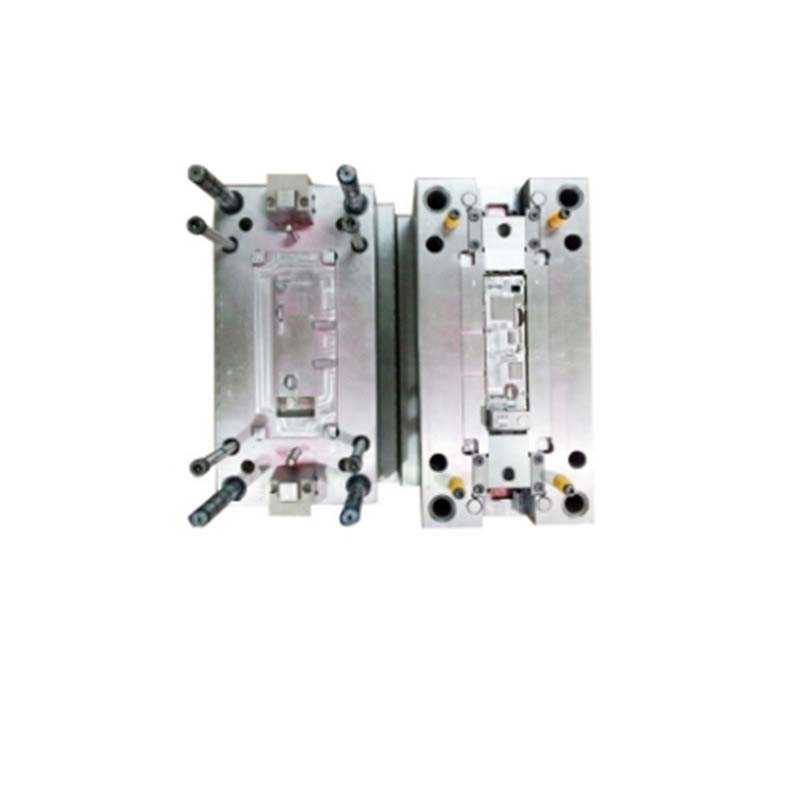
Mold design for PHA must account for its flow characteristics, cooling requirements, and thermal sensitivity.
Venting Requirements
PHA can trap air easily. Inadequate venting causes:
- Burn marks from compressed air
- Incomplete filling
- Weld line weaknesses
| Vent Feature | Specification |
|---|---|
| Vent depth | 0.015–0.03 mm |
| Vent width | 6–10 mm |
| Location | End of flow paths; around features |
| Relief depth | 0.5–1.0 mm after land |
Cooling System Design
Uniform cooling prevents warpage and reduces cycle time.
| Cooling Feature | Specification |
|---|---|
| Channel distance from cavity | 8–12 mm |
| Channel diameter | 6–10 mm |
| Channel layout | Balanced; follow part contour |
| Coolant temperature | 20–30°C |
| Mold temperature uniformity | ±3°C across cavity |
Conformal cooling—channels that follow the part shape—is particularly beneficial for PHA, improving cooling uniformity and reducing cycle time.
Draft Angles and Ejection
PHA can stick to mold surfaces if draft is insufficient.
| Surface Type | Minimum Draft |
|---|---|
| Smooth surface | 1.5° per side |
| Textured surface | 2.5° per side |
| Deep cores | 2–3° |
Surface Finish
A smooth mold surface (Ra 0.8–1.6 μm) reduces friction and improves part release. Polished surfaces also enhance the final part appearance.
Mold Materials
| Material | Best For | Notes |
|---|---|---|
| P20 steel | General-purpose | Good durability; machinable |
| H13 steel | High-volume | Wear-resistant; requires heat treatment |
| Chrome plating | Added protection | Reduces friction; prevents corrosion |
Hot Runner Systems
Hot runners can be used with PHA but require careful design:
- Maintain manifold temperature at 160–180°C
- Use thermal insulation between hot runner and mold base
- Avoid dead zones where material can degrade
- Consider valve gates for precise flow control
What Defects Occur in PHA Molding and How Do You Fix Them?
Understanding common defects helps you troubleshoot quickly.
Defects and Solutions
| Defect | Likely Cause | Solution |
|---|---|---|
| Warpage | Uneven cooling; mold temperature variation | Balance cooling channels; maintain mold temp at 45–55°C |
| Voids | Moisture; insufficient packing pressure | Extend drying time (4–6 hours); increase packing pressure 15% |
| Short shots | Low melt temp; insufficient injection speed | Raise melt temp 5–10°C; increase injection speed |
| Surface splay | Moisture; material degradation | Re-dry material; lower melt temperature |
| Burn marks | Trapped air; excessive injection speed | Add vents; reduce injection speed |
| Flash | Excessive pressure; mold wear | Reduce injection pressure; inspect mold parting line |
| Brittle parts | Thermal degradation; moisture | Lower melt temperature; improve drying |
Quality Control Measures
Statistical Process Control (SPC)
Monitor key parameters with control limits:
- Melt temperature: ±3°C
- Injection pressure: ±5%
- Cooling time: ±2 seconds
- Cycle time: ±3 seconds
Degradation Testing
- Periodic molecular weight measurement
- Visual inspection for discoloration
- Mechanical property testing
Dimensional Inspection
| Part Size | Typical Tolerance |
|---|---|
| Under 50 mm | ±0.15 mm |
| 50–100 mm | ±0.25 mm |
| Over 100 mm | ±0.3 mm |
Mechanical Testing
- Tensile strength (20–40 MPa target)
- Elongation at break (varies by grade)
- Impact resistance (for applicable parts)
What Are the Applications of PHA?
PHA’s biodegradability and versatility make it suitable for various applications.
Packaging
| Application | Why PHA? |
|---|---|
| Food containers | Biodegradable; moderate clarity; safe for food contact |
| Snack bags | Flexible; compostable |
| Blister packs | Thermoformable; sustainable alternative to PET |
| Cosmetic packaging | Premium sustainable positioning |
Single-Use Products
| Application | Why PHA? |
|---|---|
| Cutlery | Strong; compostable; heat-resistant enough for hot foods |
| Straws | Flexible; degrades in marine environment |
| Disposable plates | Rigid; home compostable |
| Coffee capsules | Biodegradable alternative to aluminum or plastic |
Medical Devices
| Application | Why PHA? |
|---|---|
| Sutures | Biocompatible; degrades safely in body |
| Drug delivery systems | Controlled degradation; biocompatibility |
| Temporary implants | Degrades over time; no removal surgery needed |
| Wound dressings | Biocompatible; flexible |
Agricultural Applications
| Application | Why PHA? |
|---|---|
| Mulch films | Degrades in soil; no removal required |
| Planters | Biodegradable; plant directly in ground |
| Controlled-release fertilizer coatings | Degrades over growing season |
How Do You Post-Process PHA Parts?
Post-processing requires consideration of PHA’s properties.
Painting and Coating
Guidelines:
- Use water-based or low-solvent paints
- Pre-treat surfaces with plasma treatment for better adhesion
- Avoid high-temperature curing (above 60°C)
- Test compatibility before full production
Ultrasonic Welding
PHA responds well to ultrasonic welding.
| Parameter | Typical Range |
|---|---|
| Frequency | 20–30 kHz |
| Weld time | 0.8–2 seconds |
| Hold time | 0.5–1 second |
| Joint design | Energy directors recommended |
Machining and Trimming
Guidelines:
- Use high-speed steel (HSS) or carbide tools
- Cutting speed: 800–1200 RPM
- Keep tools sharp to avoid tearing
- Use air cooling to prevent melting
- Avoid aggressive feeds that generate excessive heat
Assembly
- Solvent bonding – Limited; test compatibility
- Adhesive bonding – Use bio-based or low-VOC adhesives
- Mechanical fasteners – Works well; avoid over-torquing
How Do You Select the Right PHA Grade?
Different PHA grades offer different properties. Selection depends on your application.
| Grade | Key Characteristics | Best Applications |
|---|---|---|
| PHB (Polyhydroxybutyrate) | High crystallinity; stiffer; higher melting point | Rigid packaging; cutlery |
| PHBV (Copolymer with valerate) | Less brittle; improved flexibility | Films; flexible packaging |
| PHBH (Copolymer with hexanoate) | Enhanced flexibility; better processability | Soft packaging; straws |
| Blends with PLA/PBAT | Balanced properties; cost-effective | General-purpose; disposable products |
Material Selection Checklist
- What degradation environment? – Marine? Soil? Home compost?
- What flexibility is needed? – Rigid? Flexible?
- What is the service temperature? – Hot fill? Refrigerated?
- What is the required shelf life? – PHA may degrade over time in humid conditions
- What is the production volume? – Higher volumes justify more expensive grades
Conclusion
PHA injection molding offers a pathway to sustainable manufacturing, but success requires understanding the material’s unique properties. Key takeaways:
- Dry thoroughly – 60–70°C for 4–6 hours; moisture below 0.03%
- Control temperature precisely – Melt 160–190°C; avoid exceeding 200°C
- Design molds with adequate venting – 0.015–0.03 mm vents at flow ends
- Balance cooling – Uniform temperature prevents warpage
- Monitor process parameters – SPC with tight control limits
When these elements align, PHA produces high-quality, biodegradable parts suitable for packaging, single-use products, medical devices, and agricultural applications. As sustainability demands grow, PHA injection molding will become increasingly important.
Frequently Asked Questions (FAQ)
How does PHA compare to PLA in terms of flexibility?
PHA is significantly more flexible than PLA. PHA elongation at break can reach 100–300%, while PLA typically achieves only 3–5%. This makes PHA suitable for applications requiring flexibility—straws, flexible packaging, and living hinges—where PLA would be too brittle.
Can PHA be blended with other polymers?
Yes. PHA is often blended with PLA to improve stiffness or with PBAT to enhance flexibility. Blends can also reduce cost while maintaining biodegradability. However, the degradation behavior of blends depends on the ratio and type of polymers used. Test blends thoroughly for your specific application.
Is PHA suitable for long-term outdoor applications?
PHA degrades faster than conventional plastics in outdoor environments due to UV exposure and moisture. For short to medium-term applications (months), PHA can perform adequately. For long-term outdoor use, UV stabilizers can be added, though this may affect biodegradability. Consider the intended service life when selecting PHA for outdoor applications.
What are the drying requirements for PHA?
PHA must be dried at 60–70°C for 4–6 hours in a dehumidifying dryer to achieve moisture content below 0.03%. Improper drying causes hydrolysis during processing, resulting in voids, surface defects, and reduced mechanical properties. Process dried material within 1 hour of removing from the dryer.
What mold materials work best for PHA?
P20 steel is suitable for most PHA molding applications. For high-volume production, H13 steel with chrome plating provides better wear resistance and easier part release. Hot runner systems can be used with precise temperature control (160–180°C) and thermal insulation to prevent material degradation.
Contact Yigu Technology for Custom Manufacturing
At Yigu Technology, we specialize in sustainable manufacturing solutions, including PHA injection molding. Our team understands the unique challenges of processing bioplastics and has developed proven methods for consistent, high-quality results.
Our PHA molding capabilities include:
- Drying and material handling – Dehumidifying dryers; moisture monitoring
- Precision temperature control – Narrow processing window management
- Mold design optimization – Venting; cooling; draft angles for PHA
- Process development – Parameter optimization for each grade
- Quality control – SPC; dimensional inspection; mechanical testing
We serve packaging, medical, and consumer goods industries seeking sustainable alternatives to conventional plastics. Whether you need prototype development or high-volume production, our experience with PHA and other bioplastics ensures your parts meet quality standards.
Contact us today to discuss your PHA injection molding project. Let our expertise help you achieve your sustainability goals.