Introduction
In the plastic manufacturing industry, the gap between average producers and true leaders is vast. One delivers parts that fit, perform, and last. The other delivers problems—warpage, dimensional errors, inconsistent quality. But what actually separates the best from the rest? Is it simply better machines? More certifications? A different mindset? Drawing on years of experience in precision manufacturing, this guide reveals the story behind what leading plastic manufacturers do differently—and why it matters for your products.
What Sets Leading Manufacturers Apart?
Being a leading plastic manufacturer isn’t about a single strength. It’s a combination of advanced technologies, disciplined material sourcing, rigorous quality systems, and a culture that treats every part as critical.
The Foundation: Advanced Manufacturing Technologies
Technology investment separates leaders from followers. Leading manufacturers don’t just have equipment—they have the right equipment, properly maintained and operated by skilled technicians.
Injection Molding Excellence
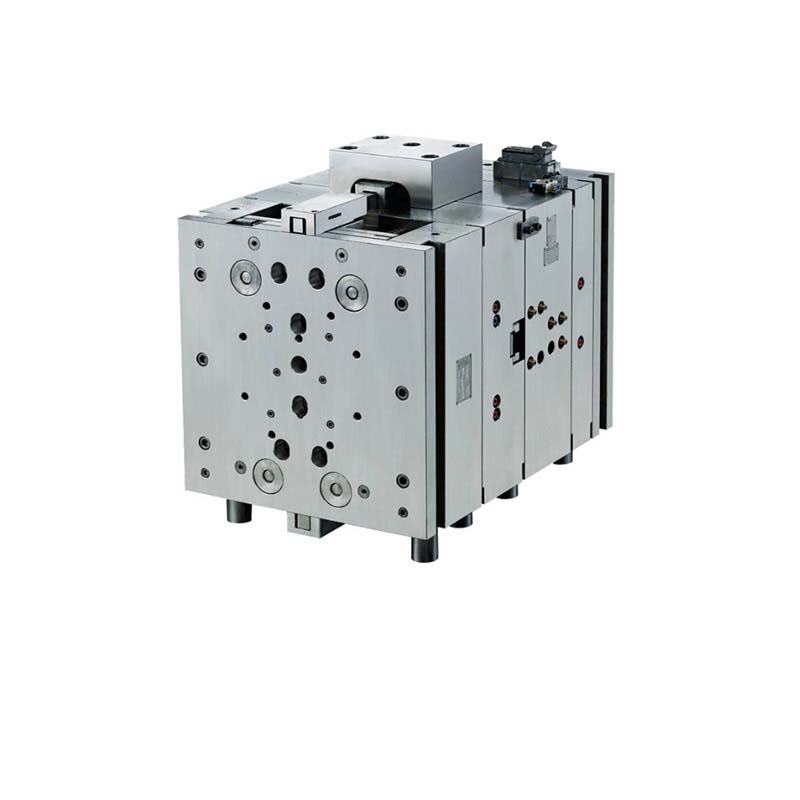
Injection molding remains the workhorse of plastic manufacturing. But not all injection molding is equal.
| Capability | Average Manufacturer | Leading Manufacturer |
|---|---|---|
| Machine age | Mixed, often outdated | Modern, well-maintained |
| Process control | Manual adjustments | Closed-loop, real-time |
| Automation | Limited | Robotic handling, vision inspection |
| Mold capability | Outsourced | In-house design and build |
A leading manufacturer achieves cycle-to-cycle consistency that average producers can’t match. Each shot is identical to the last—not close, but identical.
Additive Manufacturing Integration
3D printing serves a different role: rapid prototyping and complex geometries.
A medical device company needed a custom surgical instrument handle with internal channels for irrigation. Traditional molding would require complex tooling and months of development. The manufacturer 3D-printed functional prototypes in days, validated the design, then transitioned to production molding once the design was proven. The result: development time cut by 60% and a better final product.
Material Science Expertise
Leading manufacturers don’t just buy plastic pellets. They understand the materials they work with.
Material Selection Support
A commodity manufacturer runs whatever material the customer specifies. A leading manufacturer asks questions:
- What’s the operating temperature?
- Will it contact chemicals?
- What loads will it bear?
- Does it need regulatory compliance?
These questions prevent failures. One automotive supplier originally specified a standard polypropylene for an under-hood component. Their manufacturer’s material engineer identified that the part would see sustained temperatures exceeding the material’s limit. Switching to a glass-filled, heat-stabilized grade prevented a field failure that would have affected over 100,000 vehicles.
Supplier Relationships
Leading manufacturers maintain strong relationships with raw material suppliers. Benefits include:
- Priority allocation during shortages
- Technical support for new materials
- Better pricing through volume commitments
- Early access to new formulations
Quality Control: More Than Inspection
Quality at leading manufacturers is built into the process, not inspected in at the end.
Incoming Material Control
Every batch of raw material is tested before it enters production:
- Melt flow index: Confirms consistent viscosity
- Moisture content: Prevents degradation during processing
- Color verification: Ensures batch-to-batch consistency
In-Process Monitoring
Sensors on the machine monitor critical parameters:
- Injection pressure
- Melt temperature
- Mold temperature
- Cycle time
When parameters drift, the system alerts operators—or automatically adjusts—before defective parts are produced.
Final Inspection
Testing varies by application:
| Application | Typical Tests |
|---|---|
| Medical devices | Biocompatibility, sterilization compatibility |
| Automotive | Thermal cycling, vibration, chemical resistance |
| Consumer electronics | Dimensional accuracy, surface finish, impact resistance |
| Food contact | FDA compliance, cleanability |
A leading manufacturer achieving defect rates below 1% isn’t lucky. They have systems that prevent defects from occurring.
How Do Leading Manufacturers Deliver Long-Term Value?
The initial price from a leading manufacturer may be higher. But total cost over the product lifecycle often tells a different story.
Defect Rates and Total Cost
| Manufacturer Type | Typical Defect Rate | Hidden Costs |
|---|---|---|
| Leading | <1% | Minimal rework, consistent quality |
| Average | 5–10% | Rework, scrap, production delays |
| Poor | >10% | Field failures, warranty claims, reputation damage |
A manufacturer with a 1% defect rate versus 5% is delivering 80% fewer defective parts. For a client producing 1 million units annually, that’s 40,000 fewer defective parts—each representing material, labor, and potential field failure costs.
Supply Chain Efficiency
Leading manufacturers optimize their supply chains through:
- Volume purchasing: 15–20% raw material cost advantage over smaller competitors
- Consolidated logistics: Lower shipping costs through efficient routing
- Inventory management: Raw materials available when needed, not sitting for months
These efficiencies translate to competitive pricing without sacrificing quality.
What Customization Capabilities Matter?
Standard products serve standard applications. But many projects require something unique.
Design Support
Leading manufacturers provide design for manufacturability (DFM) feedback before tooling begins:
| DFM Element | Why It Matters |
|---|---|
| Wall thickness | Uniform walls prevent sink marks and warpage |
| Draft angles | Proper taper ensures clean ejection from mold |
| Gate location | Optimal placement prevents flow lines and weak points |
| Material selection | Right material for the application, not just the drawing |
A consumer electronics company brought a design with thin walls that would have been impossible to mold consistently. Their manufacturer’s DFM review identified the issue and suggested modifications. The changes added two weeks to development but prevented a tooling rework that would have cost over $50,000.
Surface Finishes and Aesthetics
Options extend beyond basic part geometry:
- Texture: Matte, glossy, or custom patterns
- Color: Standard colors, custom matching, special effects
- Coatings: Anti-static, UV-resistant, soft-touch
- Graphics: In-mold labeling, pad printing, laser etching
Functional Customization
For specialized applications:
| Feature | Application |
|---|---|
| Anti-static properties | Electronics handling, cleanroom environments |
| UV stabilization | Outdoor applications |
| Flame retardancy | Electrical housings, automotive interiors |
| Biocompatibility | Medical devices, surgical instruments |
How Do Certifications Demonstrate Capability?
Certifications aren’t just plaques on the wall. They represent documented systems and third-party validation.
Key Certifications
| Certification | What It Demonstrates |
|---|---|
| ISO 9001 | Quality management systems, continuous improvement |
| IATF 16949 | Automotive-grade quality, rigorous process control |
| ISO 13485 | Medical device manufacturing, risk management |
| ISO 14001 | Environmental management, sustainability commitment |
| UL Recognition | Product safety testing, ongoing compliance |
A manufacturer with ISO 13485 certification has systems for traceability, risk management, and validation—requirements that non-certified manufacturers can’t meet for medical applications.
Beyond Certifications
Leading manufacturers maintain:
- Regular audits: Customer and third-party audits ensure ongoing compliance
- Continuous improvement: Documented processes for reducing defects and improving efficiency
- Training programs: Skilled workforce capable of operating advanced equipment
What Does the Future Hold?
Leading manufacturers aren’t just keeping up—they’re driving innovation.
Sustainability Initiatives
| Initiative | Impact |
|---|---|
| Recycled content | Using post-consumer and post-industrial recycled materials |
| Energy efficiency | Reducing carbon footprint through optimized processes |
| Biodegradable materials | Developing alternatives for single-use applications |
| Closed-loop recycling | Capturing and reusing production scrap |
Industry 4.0 Integration
Smart manufacturing connects machines, processes, and data:
- Real-time monitoring: Production data available anywhere, anytime
- Predictive maintenance: Equipment issues identified before they cause downtime
- Digital traceability: Complete records from raw material to finished product
Advanced Materials
New materials expand what’s possible:
- High-temperature thermoplastics: Replacing metals in demanding applications
- Conductive plastics: For electronics and static-sensitive environments
- Self-healing materials: Extending product life in critical applications
How Do You Choose a Leading Manufacturer?
Evaluation Criteria
| Factor | What to Look For |
|---|---|
| Technology | Modern equipment, in-house tooling, automation |
| Quality system | Relevant certifications, documented processes |
| Material expertise | Understanding of materials, supplier relationships |
| Customization | DFM support, finishing options, engineering assistance |
| Track record | References from similar industries, long-term customer relationships |
| Sustainability | Environmental certifications, recycled material capabilities |
Questions to Ask
- “What’s your defect rate?” Leading manufacturers know this number and are transparent about it.
- “Do you have in-house tooling?” Integration reduces lead times and improves accountability.
- “What certifications do you hold?” Relevant certifications demonstrate commitment to quality.
- “Can you provide references?” Talk to customers with similar applications.
- “How do you handle quality issues?” Process matters more than promises.
Conclusion
The story of a leading plastic manufacturer isn’t about a single secret. It’s about the combination of advanced technology, material expertise, rigorous quality systems, and a culture that treats every part as important. These elements work together to deliver products with lower defect rates, better performance, and lower total cost over the product lifecycle.
For businesses sourcing plastic components, partnering with a leading manufacturer isn’t just about buying parts. It’s about accessing engineering expertise, supply chain efficiency, and quality systems that make your products better. The initial price may be higher. The long-term value is unmatched.
FAQ
What’s the difference between a leading manufacturer and a commodity supplier?
A leading manufacturer provides engineering support, design feedback, and quality systems. A commodity supplier primarily executes provided specifications. Leading manufacturers take ownership of quality and performance; commodity suppliers produce what they’re told to produce.
How important are certifications like ISO 9001?
Certifications demonstrate documented quality systems and third-party validation. For regulated industries like medical (ISO 13485) or automotive (IATF 16949), certifications are non-negotiable. For less critical applications, ISO 9001 remains the baseline for competent manufacturing.
Are leading manufacturers more expensive?
Initial pricing may be higher. However, lower defect rates, better supply chain efficiency, and reduced field failures often result in lower total cost over the product lifecycle. Evaluate total cost, not just piece price.
How do leading manufacturers ensure material quality?
Through incoming material testing (melt flow, moisture content, color verification), strong supplier relationships, and traceability systems that track materials from receipt through finished product.
Can leading manufacturers handle small production runs?
Many can. While high-volume production is their strength, leading manufacturers often support prototyping and low-volume production, particularly for customers with growth potential. Ask about their minimum order quantities and prototyping capabilities.
Contact Yigu Technology for Custom Manufacturing
At Yigu Technology, we’ve built our reputation on the principles that define leading manufacturers: advanced technology, disciplined quality systems, and genuine partnership with our customers. We combine in-house tooling, scientific molding, and comprehensive quality control to deliver components that perform reliably in demanding applications.
We serve customers across automotive, medical, industrial, and consumer sectors—providing not just parts, but engineering support and manufacturing expertise that make your products better.
Ready to experience what a leading manufacturer can do for your project? Contact us with your requirements, and we’ll provide a capability review, DFM feedback, and competitive quotes—typically within 24–48 hours.