The plastic industry is massive—valued at over $3.2 trillion globally in 2023 and growing at nearly 5% annually. But it faces serious challenges: environmental pressure, intense competition, and rising customer expectations. Innovation is no longer optional. It is survival.
This guide explores how plastic companies are transforming through new materials, advanced manufacturing, and real-world applications. You will learn about biodegradable plastics, high-performance engineering materials, and technologies like 3D printing that are reshaping what plastics can do.
Why Is Innovation Critical for Plastic Companies?
The Scale of the Industry
Plastics touch every sector. Packaging consumes the largest share—nearly 40% of all plastic production. Automotive, construction, electronics, and medical devices all depend on plastic components. The industry’s size means even small innovations have massive impact.
Pressing Challenges
Environmental concerns: Plastic waste, especially single-use plastics, pollutes landfills and oceans. This has created urgent demand for sustainable alternatives.
Competition: Global competition drives the need for better quality, lower costs, and faster production.
Regulatory pressure: Governments worldwide are restricting certain plastics and mandating recycled content.
Innovation addresses all these challenges. Companies that innovate lead. Companies that do not fall behind.
What New Materials Are Transforming the Industry?
Biodegradable and Sustainable Plastics
In response to environmental concerns, companies have developed plastics that break down naturally.
PLA (Polylactic Acid): Derived from corn starch or sugarcane. PLA decomposes in industrial composting facilities within months—compared to centuries for traditional plastics.
PHA (Polyhydroxyalkanoates): Produced by bacterial fermentation. PHAs degrade in soil and marine environments without special facilities.
Starch-based blends: Combine renewable materials with biodegradable polymers for packaging applications.
Performance comparison:
| Material | Decomposition Time | Cost per Ton | Key Applications |
|---|---|---|---|
| Traditional PE | 100+ years | $1,000–1,500 | Packaging, bags |
| PLA | 3–12 months (industrial composting) | $2,500–4,000 | Food packaging, disposable items |
| PHA | 1–12 months (soil/water) | $3,500–5,000 | Marine applications, compostable products |
Trade-offs: Biodegradable plastics cost more—often 2–3 times traditional plastics. Early formulations had strength and heat limitations, but recent advances have narrowed these gaps. New PLA formulations now match polyethylene in some applications.
High-Performance Engineering Plastics
Not all innovation is about sustainability. High-performance plastics enable applications that were impossible a decade ago.
PEEK (Polyetheretherketone): Withstands continuous temperatures up to 300°C. Resists chemicals that dissolve other plastics. Used in aerospace, medical implants, and oil and gas equipment. Cost: $30–100 per kg versus ABS at $2–5 per kg.
PEI (Polyetherimide): High strength, flame resistant, maintains properties at high temperatures. Used in aircraft interiors and electronics.
PPS (Polyphenylene sulfide): Excellent chemical resistance and dimensional stability. Used in automotive fuel systems and industrial components.
A medical device company replaced metal with PEEK in surgical instruments. The plastic components were lighter, radiolucent (visible on X-rays), and cost less to manufacture.
Recycled and Circular Materials
Companies are developing plastics designed for recycling:
- Monomaterial construction: Eliminates mixed-material laminates that cannot be recycled
- Post-consumer recycled (PCR) content: Using recycled plastics in new products
- Chemical recycling: Breaking plastics down to original monomers for true circularity
A major packaging company now uses 30% PCR content in their bottles. The material performs identically to virgin plastic while reducing virgin material consumption.
How Are Production Technologies Evolving?
3D Printing for Plastics
Additive manufacturing has moved beyond prototyping into production.
Advantages for small batches:
- Traditional injection molding requires expensive molds: $50,000–100,000 for complex tools, weeks of lead time
- 3D printing starts production immediately from digital design
- For 100 prototype parts, injection molding costs $50,000–100,000; 3D printing costs $5,000–10,000
Design freedom: 3D printing creates geometries impossible with traditional methods:
- Internal cooling channels
- Lattice structures for weight reduction
- Complex organic shapes
- Multiple materials in one part
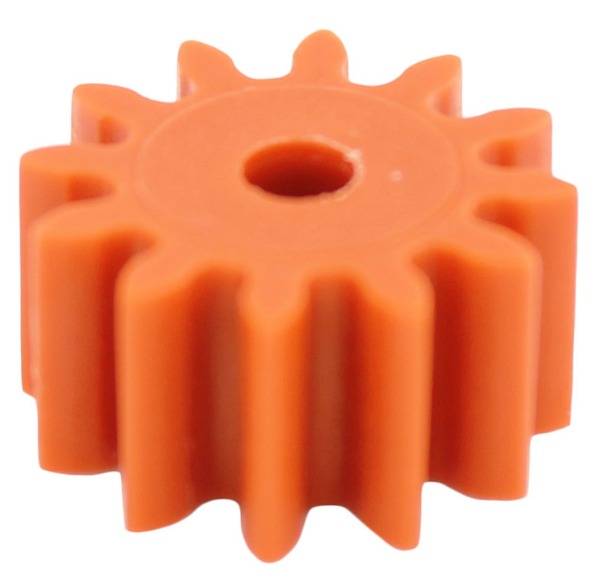
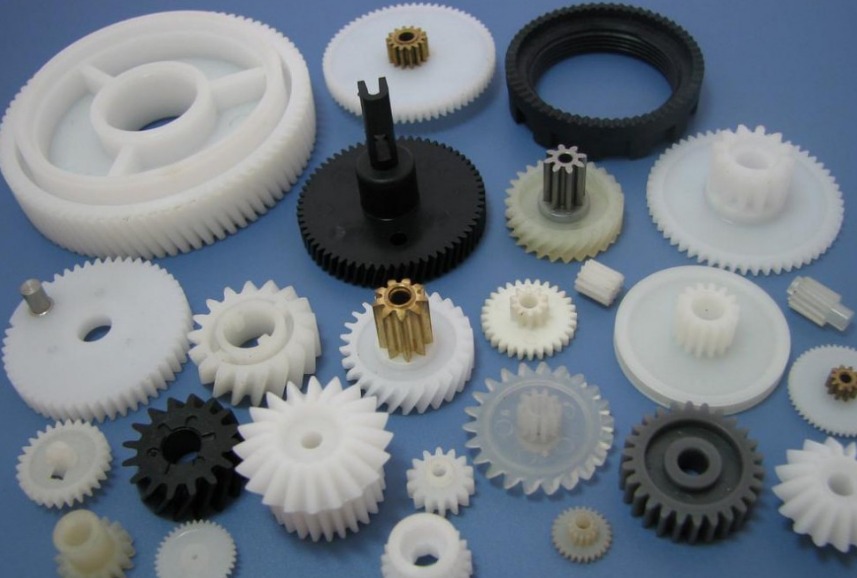
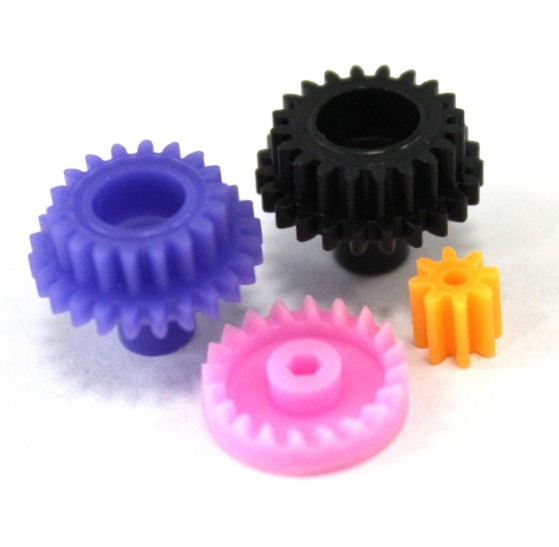
A robotics company uses 3D-printed plastic gears for prototypes. Design iterations take days instead of months. They validate performance before committing to production tooling.
Advanced Extrusion and Molding
Injection molding and extrusion—the workhorses of plastic production—are improving.
Twin-screw extrusion: Compared to single-screw extruders, twin-screw systems:
- Increase production efficiency by 30–50%
- Better mix additives and reinforcements
- Improve product uniformity
- Cost 20–30% more initially but pay back through efficiency
Precision injection molding: Modern machines achieve:
- Tolerances down to ±0.02 mm
- Cycle times under 10 seconds for small parts
- Automated quality inspection integrated into production
A pipe manufacturer upgraded to twin-screw extruders. Annual production capacity increased by 40% while defect rates dropped by 60%. The equipment paid for itself in 18 months.
Automation and Industry 4.0
Smart manufacturing integrates sensors, data, and artificial intelligence:
- Real-time process control: Sensors adjust temperature, pressure, and speed automatically
- Predictive maintenance: Algorithms predict equipment failures before they occur
- Digital twins: Virtual models optimize production before physical runs
A plastic injection molder reduced downtime by 35% using predictive maintenance. They now replace tools based on wear data rather than fixed schedules.
What Real-World Impact Are Innovative Companies Having?
Case Study: Sustainable Packaging Leader
Company A invested heavily in biodegradable packaging materials. Their PLA-based film, blended with natural additives, serves:
Food and beverage: A major supermarket chain uses their biodegradable bags for produce. Customer surveys showed over 70% of shoppers preferred produce in the sustainable packaging. The supermarket reduced plastic waste while enhancing brand image.
E-commerce: An online retailer replaced traditional plastic shipping envelopes with biodegradable versions. Plastic waste from shipping dropped by 30%. Customer satisfaction scores increased, particularly among environmentally conscious buyers.
Industry impact: Demand for biodegradable packaging materials has grown 45% in five years. Company A’s success spurred competitors to invest in similar technologies.
Case Study: High-Tech Electronics Applications
Company B develops high-performance plastics for electronics:
Smartphone chargers: A high-temperature plastic withstands 200°C—far above standard materials. A leading smartphone manufacturer adopted it. Charger failure rates from heat-related issues dropped by 50%.
Laptop casings: A lightweight plastic is 30% lighter than traditional materials while maintaining structural integrity. A major laptop brand uses it for ultra-thin models. The lighter weight improves portability and heat dissipation.
Industry impact: High-tech plastic use in electronics grows 12% annually. These materials enable smaller, more powerful, more reliable devices.
How Does Innovation Impact the Broader Economy?
Job Creation
Plastic companies investing in R&D create jobs across disciplines:
- Chemists develop new formulations
- Engineers design and optimize equipment
- Technicians operate advanced manufacturing systems
- Software developers build control systems and analytics
A medium-sized company investing in new material development creates 50–100 new jobs in the short term—more as production scales.
Economic Growth
Innovation drives productivity:
- Twin-screw extrusion increases production capacity 30–50%
- Automation reduces labor costs and improves consistency
- New materials open markets previously inaccessible
The US plastic manufacturing industry contributed $434 billion to GDP in 2023. With innovation driving growth, it is projected to grow 3–4% annually over the next five years.
Social and Environmental Benefits
Environmental: Biodegradable plastics reduce waste accumulation. Marine animals ingest less plastic. Ecosystems face less pressure.
Healthcare: Biocompatible plastics enable medical implants that integrate with human tissue. Joint replacement patients regain mobility with durable, comfortable implants.
Energy efficiency: Plastic insulation materials reduce building energy consumption by 20–30% compared to traditional materials. This saves money for owners and tenants while reducing carbon emissions.
What Challenges Remain?
Cost
Sustainable and high-performance plastics cost more:
- Biodegradable PLA: 2–3× traditional PE
- PEEK: 10–20× ABS
As production scales and technology improves, costs will decrease—but price gaps will persist for years.
Performance
Some biodegradable plastics still lag traditional materials in strength, heat resistance, and barrier properties. Research continues to close these gaps.
Recycling Infrastructure
Even recyclable plastics need collection and processing systems. Many regions lack adequate infrastructure. Chemical recycling technologies are promising but not yet widely deployed.
How Does Yigu Technology Contribute?
At Yigu Technology, we embrace innovation across materials, processes, and applications.
Material expertise: We work with traditional, biodegradable, and high-performance engineering plastics. For a medical device requiring biocompatibility and strength, we specified PEEK that passed sterilization testing.
Process innovation: Our manufacturing capabilities include precision injection molding and 3D printing. We match process to volume—molding for high volume, 3D printing for complex geometries and small batches.
Customization: We develop custom formulations and designs for unique applications. For a drone manufacturer, we created a lightweight gear set that extended flight time by 15%.
Sustainability: We incorporate recycled content where performance allows and design for recyclability.
Conclusion
Plastic companies are revolutionizing their industry through relentless innovation. New materials—biodegradable plastics and high-performance engineering polymers—expand what plastics can do while addressing environmental concerns. Advanced production technologies—3D printing, twin-screw extrusion, and smart manufacturing—improve efficiency, precision, and design freedom. Real-world applications demonstrate impact: sustainable packaging reducing waste, high-tech plastics enabling better electronics, and innovative materials improving healthcare.
The challenges—cost, performance gaps, infrastructure—are real. But the trajectory is clear: innovation is transforming the plastic industry, creating economic value, social benefits, and environmental progress. Companies that lead this transformation will shape the future of manufacturing.
Frequently Asked Questions
What are the main challenges in developing biodegradable plastics?
Higher production costs (2–3× traditional plastics) limit adoption. Performance in strength, heat resistance, and barrier properties can lag traditional materials, though gaps are narrowing. Infrastructure for industrial composting is not universally available. Research continues on all fronts.
How does 3D printing benefit plastic production?
3D printing eliminates expensive mold-making—saving $50,000–100,000 for complex tools. It enables highly customized designs impossible with traditional methods. For small batches (under 1,000 units), it is often more cost-effective than injection molding. It also reduces material waste since material is deposited only where needed.
Can high-performance plastics replace metal in all applications?
No. Metals generally have higher strength-to-weight ratios and better electrical conductivity. However, high-performance plastics like PEEK replace metal in many applications where weight reduction, corrosion resistance, and design flexibility matter—aerospace components, medical implants, and automotive parts. For structural, high-load applications, metal remains necessary.
What is the difference between biodegradable and compostable plastics?
Biodegradable plastics break down naturally through microorganism action, but the time and conditions vary. Compostable plastics break down specifically in composting conditions—requiring industrial facilities in most cases. Neither term guarantees breakdown in home compost bins or natural environments without specific conditions.
How does innovation in plastics affect the environment?
Positively, through biodegradable materials that reduce waste persistence, lightweight plastics that reduce transportation fuel consumption, and insulation materials that lower building energy use. Negatively, some innovations still rely on fossil fuels, and end-of-life management remains challenging. The net impact depends on material selection, application, and disposal infrastructure.
Contact Yigu Technology for Custom Manufacturing
Looking for innovative plastic solutions? At Yigu Technology, we combine material expertise with advanced manufacturing to deliver components that perform. From sustainable materials to high-performance engineering plastics, we help you select and produce the right solutions.
Contact us today to discuss your plastic component requirements.