Introduction
Plastic mold casting is the backbone of modern product development. From the smartphone in your pocket to the dashboard in your car, this process shapes countless items we use daily. But beyond mass production, plastic mold casting is a powerful tool for creativity. It allows designers and engineers to turn complex ideas into tangible products with precision and repeatability.
At its core, the process is straightforward. Plastic materials are heated until molten, then injected into a precisely designed mold cavity. The mold—typically made of steel or aluminum—is shaped exactly like the desired final product. After cooling, the plastic solidifies and the part is ejected. This cycle repeats thousands of times, producing identical parts with high accuracy.
This guide explores how plastic mold casting enables creativity across industries. You will learn the basics, see real-world examples, and understand how this technology transforms ideas into reality.
What Are the Key Components of Plastic Mold Casting?
The Mold
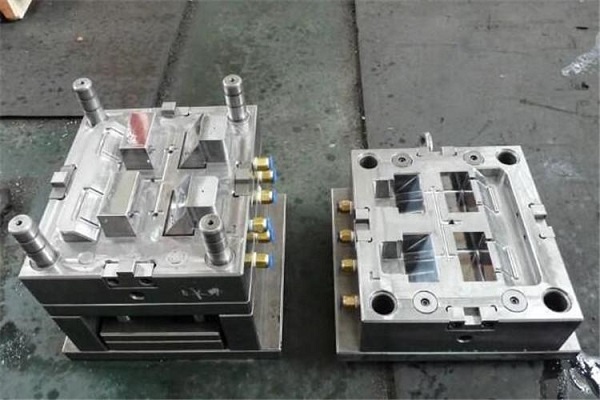
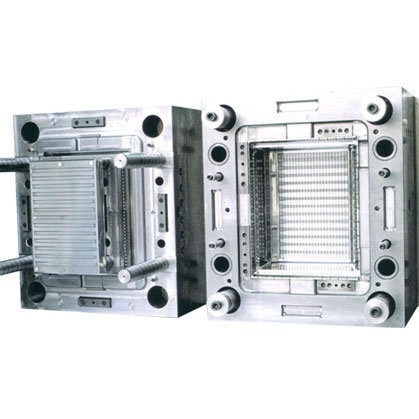
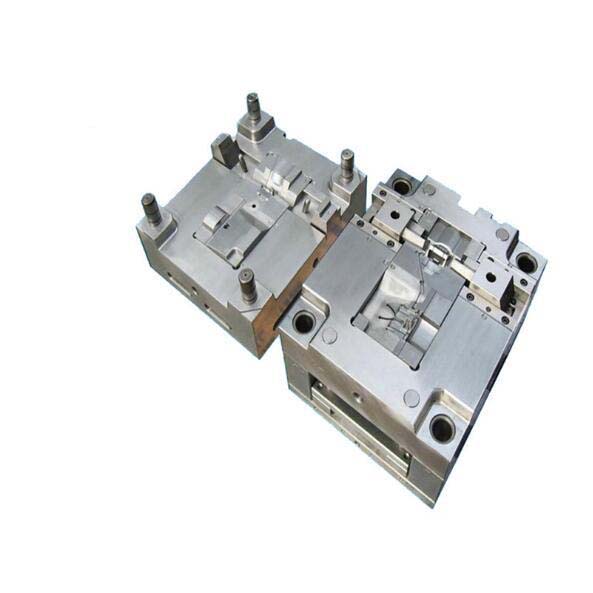
The mold is the most critical component. It consists of two main parts: the cavity (which forms the outer shape) and the core (which creates internal features like holes or recesses). Molds can be single-cavity (one part per cycle) or multi-cavity (multiple parts per cycle). For small bottle caps, a mold may have dozens of cavities, enabling high-volume production in a single cycle.
High-quality molds are made from hardened steel or aluminum. Steel molds offer long-term durability and maintain tight tolerances, essential for consistent quality over hundreds of thousands of cycles.
The Injection Machine
The injection machine melts plastic pellets and injects the molten material into the mold. A hopper feeds the pellets into a heated barrel with a screw mechanism. The screw rotates, applying heat and pressure to melt the plastic. The molten plastic is then forced through a nozzle into the mold cavity under high pressure. Injection machines come in various sizes—large machines handle high-volume production for items like automotive bumpers.
The Cooling System
Efficient cooling is vital for quick and even solidification. Cooling channels are drilled into the mold. A coolant—usually water—circulates through these channels, absorbing heat from the molten plastic. Proper cooling reduces cycle time and ensures dimensional stability. Without it, parts may warp or have uneven shrinkage.
How Does Plastic Mold Casting Enable Creative Product Design?
Consumer Products: Transforming Daily Life
Plastic mold casting has revolutionized consumer products, enabling items that are both functional and aesthetically pleasing.
Creative homeware: Consider ergonomically designed kitchen utensils. A well-known spatula brand uses plastic mold casting to create non-slip grips. Textures are added during mold-making and precisely replicated on the spatulas. The molds also allow integration of colorful, translucent plastics, making the spatulas visually appealing.
Fashion accessories: Plastic mold casting has transformed fashion. Intricate designs—floral patterns, geometric shapes—are easily replicated. A popular line of chunky plastic bracelets features detailed carvings made possible by the precision of this process. These lightweight accessories come in a wide range of colors, allowing consumers to express personal style. Mass production keeps costs low, making fashionable items accessible.
Industrial Applications: Function Meets Form
Aerospace: Plastic mold casting produces lightweight yet durable components for aircraft. Overhead storage bins, for example, are made from high-strength plastics through mold casting. Molds are designed to meet strict aerodynamic and safety requirements. Smooth surfaces reduce air resistance. Complex shapes optimize space utilization within the cabin. Weight reduction contributes to fuel efficiency.
Medical devices: In the medical field, plastic mold casting creates components for devices like inhalers. Molds are engineered to achieve extremely tight tolerances. The plastic parts—mouthpiece, medication reservoir—must fit together precisely to ensure accurate medication delivery. Biocompatible plastic materials make the process suitable for medical applications, as these materials are safe for human contact.
What Are the Common Types of Plastic Mold Casting?
| Process | Description | Typical Products |
|---|---|---|
| Injection molding | Molten plastic injected into a closed mold cavity under high pressure | Electronic components, automotive bumpers, consumer goods |
| Blow molding | A tube of molten plastic (parison) is placed in a mold; compressed air expands it against cavity walls | Plastic bottles, containers, hollow toys |
| Compression molding | Pre-measured plastic placed in an open mold; heat and pressure applied to fill the cavity | Electrical insulators, automotive parts requiring high strength |
Each method offers unique advantages. Injection molding excels at high precision and complex geometries. Blow molding is specialized for hollow products. Compression molding handles high-strength, heat-resistant parts.
How Can You Ensure Quality in Plastic Mold Casting?
Quality depends on controlling several key factors.
Temperature control: The plastic temperature during melting and injection must be precisely regulated. Too low, and the plastic may not flow properly, causing incomplete parts or surface defects. Too high, and the plastic may degrade, losing mechanical properties and discoloring.
Pressure management: Injection pressure must be carefully adjusted. Too little pressure leads to voids or short shots (incomplete filling). Too much pressure causes flash (excess plastic around edges) or part distortion.
Mold precision: High-quality molds with tight tolerances are essential for consistent dimensions. Regular maintenance and inspection detect signs of wear or damage early. Using high-quality mold materials like hardened steel improves durability and accuracy.
What Customization Options Are Available?
Color Customization
You can customize the color of plastic mold casting products by adding color masterbatch to the plastic raw material. Masterbatch is a concentrated mixture of pigments or dyes and a carrier resin. When added to the base resin in the proper proportion, it imparts the desired color.
Considerations when choosing colors:
- The plastic resin type affects color appearance. Different plastics have varying transparency or opacity.
- Processing conditions—temperature and shear stress—can impact color stability. Some colors are more sensitive and may shift slightly during processing.
- Conduct color trials before large-scale production to ensure consistency.
Texture and Finish
Mold surfaces can be textured or polished to achieve specific finishes. A polished mold creates smooth, glossy surfaces. Textured molds add grip or aesthetic patterns. These options allow designers to control both function and appearance.
Yigu Technology’s Perspective
As a custom supplier of non-standard plastic and metal products, we have seen how plastic mold casting drives innovation. Every client has unique requirements. This process allows us to turn specific needs into tangible, high-quality products.
Plastic mold casting serves as a catalyst for creativity. We work closely with clients from concept to launch. By leveraging the flexibility of this technology, we create custom-designed molds that bring innovative ideas to life. Whether it is a complex component for an industrial device or a stylish consumer product, our expertise ensures tailored solutions.
This approach helps clients stand out in the market. It also encourages continuous innovation as we explore new materials and design possibilities together.
Conclusion
Plastic mold casting is more than a manufacturing process. It is a gateway to creativity. It enables designers to turn complex ideas into precise, repeatable products. From ergonomic kitchen tools to lightweight aerospace components and life-saving medical devices, this technology shapes the world around us.
Understanding the basics—mold design, injection machines, cooling systems—helps you leverage its full potential. Quality control, material selection, and customization options expand what is possible. When paired with creative vision, plastic mold casting transforms ideas into reality.
FAQ
What are the common types of plastic mold casting?
The most common types are injection molding (for high-precision, complex parts), blow molding (for hollow products like bottles), and compression molding (for high-strength, heat-resistant parts). Each suits different applications based on part geometry, material, and production volume.
How to ensure the quality of plastic mold casting products?
Quality requires precise temperature control, proper pressure management, and high-precision molds. Regular maintenance and inspection help detect wear early. Using quality mold materials like hardened steel improves durability and consistency.
Can I customize the color of plastic mold casting products?
Yes. Color masterbatch—a concentrated mixture of pigments and carrier resin—is added to the base plastic resin. The type of plastic and processing conditions can affect the final color, so conducting trials before large-scale production is recommended.
Contact Yigu Technology for Custom Manufacturing
Looking to bring your creative product ideas to life? Yigu Technology specializes in custom non-standard plastic and metal products. Our team combines technical expertise with creative problem-solving to deliver molds that turn concepts into reality.
Reach out today to discuss your next project. Let us help you unleash creativity through precision manufacturing.