Introduction
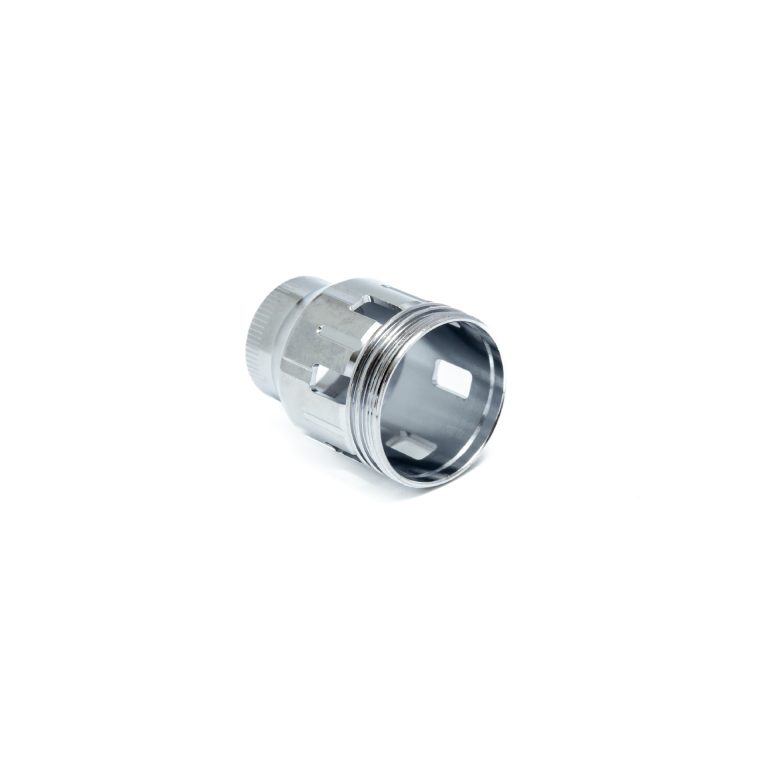
Aluminum CNC (Computer Numerical Control) machining is a cutting-edge manufacturing method that employs computer-controlled machines to produce parts from aluminum. This technology allows manufacturers to craft components with exceptional precision and intricate designs, making it the go-to choice for industries where high accuracy and durability are paramount. From aerospace to automotive and consumer electronics, aluminum CNC machining delivers lightweight, strong, and corrosion-resistant components that drive innovation. This guide explores the intricacies of aluminum CNC machining —its processes, benefits, applications, and why aluminum is the preferred material for precision manufacturing.
What Is CNC Machining and Why Choose Aluminum?
What Is CNC Machining?
CNC machining uses automated, computer-controlled systems to operate machine tools—lathes, mills, grinders, routers. Unlike traditional manual machining where operators directly control machinery, CNC machines follow pre-programmed instructions. This automation enhances efficiency and ensures higher consistency, significantly reducing human error.
Why Choose Aluminum for CNC Machining?
| Property | Benefit |
|---|---|
| Lightweight | Much lighter than many other metals—critical for weight reduction in aerospace, automotive |
| High strength-to-weight ratio | Impressive strength for structural components requiring durability |
| Corrosion resistance | Naturally forms protective oxide layer—extends lifespan |
| Excellent thermal conductivity | Ideal for heat sinks, thermal management components |
| Ease of machining | Relatively easy to machine—allows intricate designs, fine details, complex geometries |
What Is the Aluminum CNC Machining Process?
Step-by-Step Process
| Stage | Description |
|---|---|
| Design | Create detailed design using CAD (Computer-Aided Design) software—digital blueprint for the part |
| Programming | Convert CAD model to CNC program using CAM (Computer-Aided Manufacturing) software—contains precise instructions for the machine |
| Material preparation | Select and prepare aluminum material—cut to size, securely fastened to CNC machine worktable |
| Machining | CNC machine precisely follows programmed instructions—cutting, shaping, forming; may include roughing, semi-finishing, finishing stages |
| Inspection | Thorough quality control checks—ensures adherence to required specifications and tolerances |
| Finishing | Additional steps—anodizing, coating, painting—enhance appearance or functionality |
What CNC Machines Are Used for Aluminum Machining?
| Machine Type | Description | Best For |
|---|---|---|
| CNC milling machines | Versatile; wide range of operations—drilling, boring, cutting, shaping | Essential for aluminum machining |
| CNC lathes | Rotate aluminum material against stationary cutting tool | Turning operations; cylindrical parts |
| CNC routers | Cut 2D and 3D shapes from aluminum sheets or plates | Intricate designs, complex patterns |
| CNC EDM (Electrical Discharge Machining) | Electrical discharges erode material | Highly precise or delicate parts; difficult-to-machine features |
Where Are Aluminum CNC Parts Applied?
Aerospace Industry
| Application | Why Aluminum CNC? |
|---|---|
| Aircraft wings, fuselage sections, engine parts | Lightweight yet durable properties improve fuel efficiency while maintaining necessary strength for safe flight |
Automotive Industry
| Application | Why Aluminum CNC? |
|---|---|
| Engine blocks, transmission cases, chassis structures | Lightweight nature reduces vehicle weight → improves fuel economy and handling without compromising structural integrity |
Consumer Electronics
| Application | Why Aluminum CNC? |
|---|---|
| Smartphones, laptops, tablets casings | Aesthetic appeal, strength, excellent thermal properties; premium look and feel; effectively dissipates heat |
What Are the Key Advantages of Aluminum CNC Machining?
Precision and Tolerance
| Advantage | Impact |
|---|---|
| Exceptional precision, tight tolerances | Automated process ensures uniform results—eliminates inconsistencies of manual machining |
Material Efficiency
| Advantage | Impact |
|---|---|
| Maximized material utilization | Cuts aluminum precisely to required dimensions—significantly reduces waste; minimizes material costs; supports sustainable manufacturing |
Cost-Effectiveness
| Advantage | Impact |
|---|---|
| Long-term benefits outweigh upfront costs | Increased production efficiency; reduced labor requirements; minimal material waste → cost-effective manufacturing process |
How Does Aluminum CNC Machining Drive Innovation?
Aluminum CNC machining is not just a manufacturing process—it is a key enabler of innovation. By enabling the production of high-precision, complex components, it helps engineers and designers push the boundaries of what is possible. Whether improving fuel efficiency in aerospace, enhancing product aesthetics in consumer electronics, or optimizing structural components in the automotive industry, aluminum CNC machining continues to shape the future of manufacturing.
Conclusion
Aluminum CNC machining transforms manufacturing through precision (automated process ensures uniform results, eliminating manual inconsistencies), material efficiency (precise cutting reduces waste, supports sustainability), and cost-effectiveness (increased efficiency, reduced labor, minimal waste outweigh upfront investment). The process—design (CAD), programming (CAM), material preparation, machining (roughing, semi-finishing, finishing), inspection, and finishing (anodizing, coating)—delivers components with exceptional precision and tight tolerances. Key machines: CNC milling (versatile, drilling, boring), CNC lathes (cylindrical parts), CNC routers (2D/3D shapes), CNC EDM (highly precise features). Applications: aerospace (aircraft wings, fuselage sections—lightweight improves fuel efficiency), automotive (engine blocks, chassis structures—reduced weight improves fuel economy and handling), consumer electronics (smartphone, laptop casings—aesthetic appeal, thermal conductivity). Aluminum’s properties—lightweight, high strength-to-weight ratio, corrosion resistance, excellent thermal conductivity, ease of machining—make it the preferred material. By enabling high-precision, complex components, aluminum CNC machining drives innovation across industries, shaping the future of manufacturing.
FAQs
What makes aluminum ideal for CNC machining?
Aluminum offers a combination of lightweight , high strength-to-weight ratio , corrosion resistance , excellent thermal conductivity , and ease of machining . These properties enable intricate designs, fine details, complex geometries while maintaining durability and performance—critical for aerospace, automotive, and consumer electronics applications.
What types of CNC machines are used for aluminum machining?
CNC milling machines (versatile—drilling, boring, cutting, shaping), CNC lathes (turning operations—cylindrical parts), CNC routers (2D/3D shapes from sheets or plates—intricate designs), and CNC EDM (electrical discharge erosion—highly precise or delicate parts, difficult-to-machine features).
What are the key benefits of aluminum CNC machining?
Precision and tolerance —automated process ensures uniform results, eliminates manual inconsistencies. Material efficiency —precise cutting significantly reduces waste, supports sustainable manufacturing. Cost-effectiveness —increased production efficiency, reduced labor requirements, minimal material waste outweigh upfront equipment investment.
Contact Yigu Technology for Custom Manufacturing
At Yigu Technology , we specialize in aluminum CNC machining for precision components across aerospace, automotive, and consumer electronics. Our CNC milling machines , lathes , routers , and EDM capabilities achieve tight tolerances and complex geometries. From aircraft wings and engine blocks to smartphone casings, we provide DFM feedback to optimize your designs for manufacturability. We offer finishing services —anodizing, coating, painting—to enhance appearance and functionality.
Ready to unlock precision with aluminum CNC machining? Contact Yigu Technology today for a free consultation and quote. Let us help you achieve lightweight strength, precision, and performance in every component.