Introduction
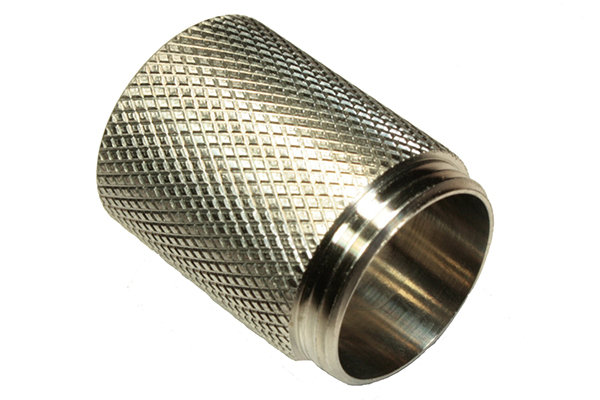
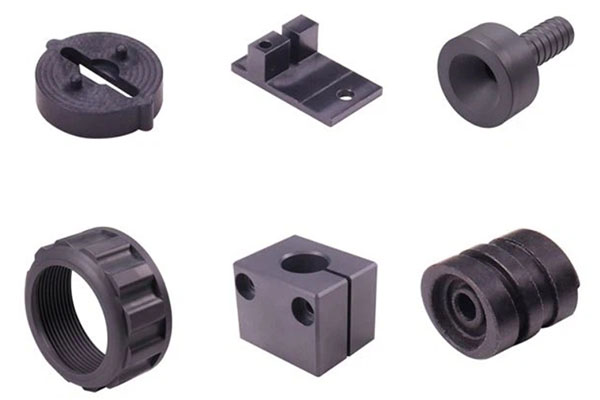
In the intricate world of precision parts, turned components stand as the unsung heroes, forming the very foundation of countless mechanical and technological marvels. Crafted through the precision machining process of turning, these components are designed to meet the most exacting standards of accuracy and quality.
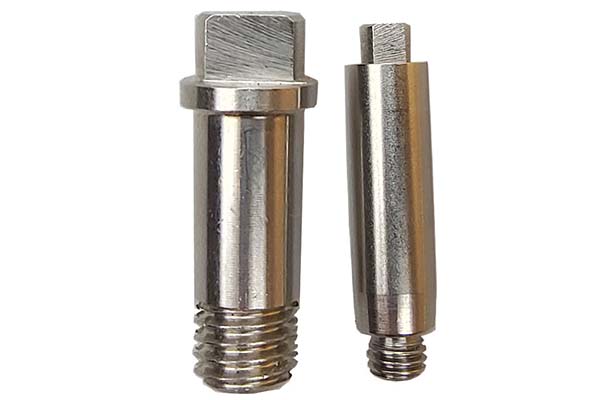
Turning is a machining operation where a workpiece rotates while a cutting tool removes material to create a desired shape. This process produces components with tight tolerances, smooth surfaces, and complex geometries. From the tiniest screws in a wristwatch to the massive shafts in industrial machinery, turned components silently enable the seamless operation of our modern world.
In automotive, turned components are used in engines, transmissions, and braking systems—where even the slightest deviation can lead to performance issues or safety hazards. In aerospace, they are crucial for aircraft engines, landing gear, and avionics systems—where reliability and precision are non-negotiable. In medical, they form the basis of surgical instruments and implantable devices—where biocompatibility and micron-level accuracy are essential.
This guide explores the evolution of turned components: material innovations, precision manufacturing techniques, applications across industries, and future trends.
What Are the Key Aspects of Modern Turned Components?
Material Innovations
| Material | Properties | Applications |
|---|---|---|
| High-strength alloys | Titanium alloys—strength comparable to steel; lower density; excellent corrosion resistance | Aerospace engine components—withstand high temperatures; mechanical stresses; reduce weight; improve fuel efficiency |
| Composite materials | Carbon fiber-reinforced polymers (CFRPs)—extremely lightweight; tensile strengths higher than steel | Automotive high-performance vehicles—weight reduction; improved acceleration, braking, fuel economy |
| Ceramics | High hardness; excellent wear resistance; withstand high temperatures without degradation | Bearings, seals—silicon nitride ceramic bearings; high-speed machining spindles; 100,000 RPM with minimal wear |
Precision Manufacturing Techniques
| Technique | Capability | Impact |
|---|---|---|
| CNC machining | Computer program controls cutting tool and workpiece rotation; extreme precision | Medical implants—tolerances as tight as ±0.001 mm; identical components for mass production |
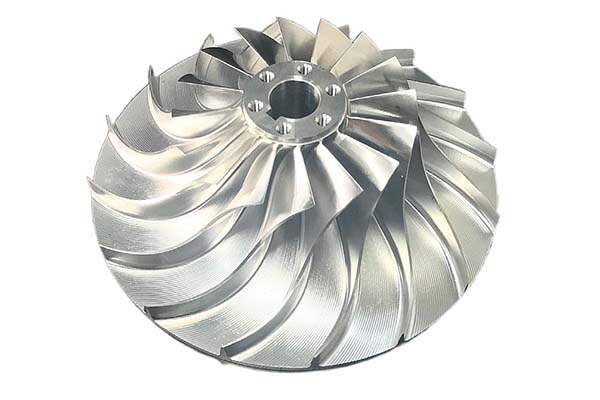
| Multi-axis machining | 5-axis lathes—workpiece rotated and tilted in multiple directions; complex geometries in single setup | Aerospace impellers—intricate blade shapes; impossible with traditional 2-axis turning |
| High-speed machining (HSM) | High-speed spindles; specialized cutting tools; faster material removal; maintains high precision | Aluminum alloy components for electronics—50% machining time reduction vs. conventional methods |
What Are the Applications Across Industries?
| Industry | Demand | Applications | Requirements |
|---|---|---|---|
| Automotive | High-volume | Engines (crankshafts, camshafts), transmissions (gears, shafts), braking systems (brake cylinders, rotors) | Withstand high mechanical stresses; cyclic loads; precision for smooth operation; safety |
| Aerospace | Low-volume; high-value | Aircraft engines (turbine blades, compressor shafts), landing gear (axles, bushings), avionics | Stringent quality; reliability; high-temperature; high-strength materials |
| Medical | Moderate; strict quality/biocompatibility | Surgical instruments (scalpels, forceps), implantable devices (hip/knee implants, dental implants), diagnostic equipment | Highly precise; clean; biocompatible materials (titanium, certain polymers) |
| Electronics | High-volume; miniaturized; high-precision | Smartphones (screws, antenna components), computers (heat sink fins, hard drive components), consumer electronics | Electrically conductive or insulating; copper, aluminum, engineering plastics |
How Do Turned Components Perform in Key Industries?
Automotive Industry
| Component | Function | Critical Requirements |
|---|---|---|
| Crankshafts | Convert reciprocating motion of pistons to rotational motion | Tight tolerances; withstand thousands of RPM; high-pressure forces during combustion |
| Gears, shafts | Transfer power from engine to wheels | Precision-made; quiet operation; efficient power transmission; high-strength alloy steels; heat-treated for wear resistance |
Impact: High-quality crankshaft enhances engine power output and fuel efficiency; deviations cause vibrations, reduced performance, or engine failure.
Aerospace Sector
| Component | Function | Critical Requirements |
|---|---|---|
| Turbine blades | Extract energy from hot exhaust gases | Superalloys (nickel-based); withstand 1,200°C; manufacturing precision—defects or deviations reduce engine efficiency and reliability |
| Landing gear components (axles, bushings) | Support entire aircraft weight during take-off and landing | High-strength steels or titanium alloys; handle heavy loads and impact forces; highly reliable—failure catastrophic |
Medical Equipment
| Component | Function | Critical Requirements |
|---|---|---|
| Surgical instruments (scalpels, forceps) | Precision during procedures | Sharp edge consistent along length; precision turning and grinding; corrosion-resistant stainless steel; sterilizable |
| Implantable devices (hip/knee implants, dental implants) | Replace damaged joints; support artificial teeth | Biocompatible (titanium, titanium alloys); smooth surface finish—reduces wear; improves long-term stability; precisely shaped to fit patient anatomy |
What Future Applications Can We Expect for Turned Components?
| Emerging Field | Potential Applications | Requirements |
|---|---|---|
| Renewable energy | Advanced wind turbine gearing systems, shafts | Extremely durable; precise; withstand continuous mechanical stress; ensure efficient energy conversion |
| Quantum computing | Ultra-precise cooling systems; connection components for quantum processors | Extremely low-temperature environments; high-precision electrical connections; specialized material properties |
How Does Yigu Technology Ensure Quality of Turned Components?
| Practice | Description |
|---|---|
| Raw material sourcing | High-quality materials from reliable suppliers; strict quality inspection before production |
| State-of-the-art facilities | Advanced CNC machining centers; high-speed lathes; regularly calibrated |
| In-line quality control | Precision measuring instruments (CMMs) monitor dimensions at various production stages |
| Quality management system | Adheres to international standards (ISO 9001)—ensures highest quality requirements |
Conclusion
Turned components have evolved significantly through:
- Material innovations: High-strength alloys (titanium—strength comparable to steel; lower density); composite materials (CFRPs—tensile strength higher than steel); ceramics (silicon nitride bearings—100,000 RPM with minimal wear)
- Precision manufacturing techniques: CNC machining (±0.001 mm tolerances); multi-axis machining (5-axis—complex geometries in single setup); high-speed machining (50% time reduction vs. conventional)
- Applications across industries: Automotive (crankshafts, gears—withstand thousands of RPM); aerospace (turbine blades—1,200°C; superalloys); medical (implants—biocompatible titanium; smooth surface finish); electronics (miniaturized; high-precision components)
- Future trends: Renewable energy (wind turbine gearing systems); quantum computing (ultra-precise cooling systems; connection components)
By combining advanced materials, precision manufacturing techniques, and rigorous quality control, turned components continue to enable innovation across industries—from automotive to aerospace, medical to quantum computing.
FAQs
What are the main differences between traditional and modern turned components?
Material: Traditional—basic materials (steel, brass); Modern—advanced materials (titanium alloys, CFRPs, ceramics) with high strength-to-weight ratio, corrosion resistance, high-temperature capability.
Process: Traditional—manual or semi-automated lathes; limited precision; Modern—CNC machining, multi-axis, high-speed machining; tolerances ±0.001 mm; 50% time reduction.
Precision: Traditional—several tenths of a millimeter; Modern—micron-level tolerances—essential for medical implants, aerospace components.
How does Yigu Technology ensure the quality of turned components?
- High-quality raw materials from reliable suppliers; strict quality inspection
- Advanced CNC machining centers; high-speed lathes; regularly calibrated
- In-line quality control—CMMs monitor dimensions at various production stages
- ISO 9001 quality management system—ensures highest quality requirements
What new applications can we expect for turned components in the future?
Renewable energy: Advanced wind turbine gearing systems and shafts—extremely durable; precise; withstand continuous mechanical stress.
Quantum computing: Ultra-precise cooling systems; connection components for quantum processors—extremely low-temperature environments; high-precision electrical connections; specialized material properties.
What materials are commonly used for modern turned components?
- High-strength alloys: Titanium alloys (aerospace—high temperatures, mechanical stresses; weight reduction)
- Composite materials: CFRPs (automotive—weight reduction; acceleration, braking, fuel economy)
- Ceramics: Silicon nitride (bearings, seals—high-speed machining spindles; 100,000 RPM with minimal wear)
- Traditional materials: Steel, brass, copper—still used; complemented by advanced materials
What precision can modern turned components achieve?
CNC-turned components achieve tolerances as tight as ±0.001 mm for medical implants. High-speed machining reduces machining time by up to 50% for aluminum alloy components without sacrificing surface finish or dimensional accuracy. Multi-axis machining (5-axis) enables complex geometries (aerospace impellers) in a single setup—impossible with traditional 2-axis turning.
Contact Yigu Technology for Custom Manufacturing
At Yigu Technology, we specialize in precision turned components for automotive, aerospace, medical, and electronics industries. With 15 years of experience, advanced CNC turning centers, multi-axis machining, and ISO 9001 certification, we deliver components with tolerances to ±0.001 mm.
Our expertise includes material selection (titanium alloys, CFRPs, ceramics, stainless steel), high-speed machining, and rigorous quality control (CMM inspection). Contact us today to discuss your turned components project.