Introduction
3D printing materials are the unsung heroes of the manufacturing revolution. While printers get the attention, it's the materials that enable new possibilities—stronger parts, lighter components, complex geometries, and customized solutions.
Consider a critical engine component for a high-performance vehicle. Traditionally, producing it took months—multiple molds, extensive machining, significant waste. With 3D printing materials, the same component now prints in weeks, with internal geometries that improve performance and reduce weight.
This isn't an isolated story. Across industries, 3D printing materials are transforming what's possible.
At Yigu technology, we've seen how material selection drives success. This guide explores the revolution—from thermoplastics to metals to composites—and how they're changing manufacturing.
What Are the Main Types of 3D Printing Materials?
Thermoplastics: The Workhorses
Thermoplastics are the most widely used 3D printing materials. They melt when heated and solidify when cooled—repeatable and recyclable.
| Material | Key Properties | Best For |
|---|---|---|
| PLA | Biodegradable, easy to print, low temperature | Educational models, artworks, household items |
| ABS | High strength, heat-resistant, durable | Prototypes, automotive parts, electronic enclosures |
| PETG | Strong, easy to print, transparent | Food-contact containers, protective gear |
| TPU | Flexible, elastic, abrasion-resistant | Shoe soles, phone cases, flexible tubing |
| Nylon | High strength, wear-resistant | Industrial components, gears, bearings |
PLA is the beginner's friend—forgiving, eco-friendly, and available in endless colors. ABS brings strength and heat resistance. PETG combines the best of both. TPU adds flexibility. Nylon delivers engineering-grade performance.
Photopolymers (Resins)
Resins cure under UV light, producing parts with exceptional detail and smooth surfaces.
| Type | Properties | Applications |
|---|---|---|
| Standard resin | High precision, smooth finish | Jewelry patterns, dental models, prototypes |
| Tough resin | Impact-resistant, durable | Functional prototypes, snap-fit parts |
| Flexible resin | Rubber-like elasticity | Seals, gaskets, soft-touch grips |
| Castable resin | Clean burnout | Investment casting patterns |
Resins excel where detail matters—jewelry, dental, high-detail prototypes.
Metal Powders
Metal 3D printing produces fully dense parts with properties matching or exceeding traditional manufacturing.
| Material | Key Properties | Applications |
|---|---|---|
| Stainless steel | Strong, corrosion-resistant | Industrial components, medical tools |
| Aluminum alloy | Lightweight, thermally conductive | Aerospace, automotive parts |
| Titanium alloy | High strength-to-weight, biocompatible | Medical implants, aerospace components |
| Gold-silver alloy | Precious, detailed | Custom jewelry |
Metal powders enable lightweight structures, complex internal channels, and customized implants.
Composites
Composites combine materials for enhanced properties:
| Material | Properties | Applications |
|---|---|---|
| Carbon-fiber reinforced | High strength-to-weight, stiff | Aerospace structures, sports equipment |
| Glass-fiber reinforced | Strong, durable | Automotive panels, industrial parts |
Composites deliver performance where weight and strength matter most.
Ceramics and Special Materials
Ceramics: High hardness, heat resistance, chemical stability. For artifacts, high-temperature applications, dental crowns.
Conductive plastics: Electrical conductivity. For electronic components with integrated circuits.
Biocompatible materials: Safe for medical use. For temporary implants, drug-delivery systems.
Wax: Low melting point. For investment casting patterns.
How Are These Materials Used in Manufacturing?
Thermoplastics: From Household to High-Tech
PLA in Daily-Use Items
PLA's eco-friendly nature makes it perfect for household goods. A small manufacturer creates custom bowls with intricate patterns—details that would be impossible with injection molding. The biodegradable material appeals to environmentally conscious customers.
In education, PLA models bring lessons to life—historical artifacts, anatomical structures, geometric shapes. Safe, non-toxic, and affordable.
ABS in Electronic Enclosures
ABS's strength and heat resistance make it ideal for electronics. Drone shells printed in ABS protect sensitive components during flight—withstanding wind, temperature changes, and impacts.
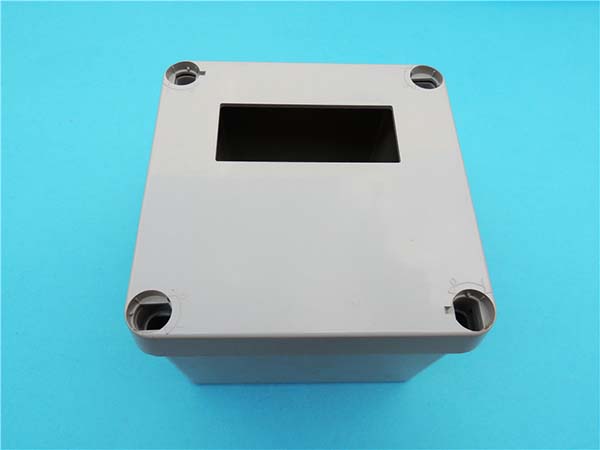
Small electronics manufacturers create custom enclosures with precise cutouts for ports, buttons, and screens. The heat resistance ensures the enclosure won't deform as internal components warm up.
Nylon in Industrial Components
Nylon's wear resistance makes it perfect for gears and bearings. Moving parts that must last. Industrial applications where failure isn't an option.
Metals: Aerospace and Automotive
Titanium Alloy in Aerospace
Titanium offers the highest strength-to-weight ratio of common metals. Aircraft engine components—compressor blades, housings, brackets—must be light yet withstand extreme temperatures and stresses.
3D printing enables complex internal cooling channels that improve efficiency. Parts that would require multiple machining steps and expensive molds print directly from digital files. Material waste drops from 80% to under 10%.
Aluminum Alloy in Automotive
Aluminum is the lightweight champion for automotive applications. Engine blocks with optimized cooling channels. Chassis components designed for maximum strength with minimum weight.
High-performance cars use 3D-printed aluminum to shave kilograms while improving performance. Every gram saved translates to faster acceleration, better handling.
Photopolymers: Jewelry and Precision Molds
Jewelry Making
Photopolymer resins capture details impossible to carve by hand. Filigree patterns, micro-textures, organic shapes—all printed with micron-level precision.
Designers create masters for lost-wax casting. The resin burns out cleanly, leaving a perfect cavity for precious metal. Prototypes print overnight, allowing multiple iterations before committing to production.
Precision Mold Making
For micro-injection molds, photopolymer resins create inserts with extremely fine features—micro-channels, precise cavities. Lead time drops from weeks to days.
Composites: Aerospace and Sports
Carbon-Fiber Reinforced Plastic (CFRP) in Aerospace
The Boeing 787 Dreamliner uses extensive CFRP in its fuselage, wings, and tail sections. Weight savings translate directly to fuel efficiency. The material's fatigue resistance ensures long-term durability.
CFRP in Sports Equipment
Tennis rackets with CFRP frames are stiff for power transfer yet light for quick swings. Bicycle frames balance weight and strength for climbing and acceleration. Golf club shafts optimize flex for distance and accuracy.
How Are 3D Printing Materials Revolutionizing Manufacturing?
Cost Reduction
3D printing materials enable dramatic cost savings:
- No tooling: Eliminate expensive molds and dies. For small-batch production, savings can reach 50% or more.
- Minimal waste: Additive processes use only material that becomes the part. Compare to machining, where 80% of material can become chips.
- On-demand production: Print what you need, when you need it. No inventory, no warehousing, no obsolescence.
For small and medium enterprises, this is transformative. Manufacturing that was previously out of reach becomes accessible.
Personalized Customization
Mass customization is finally practical. Each part can be different at no extra cost.
- Medical: Implants tailored to patient anatomy. Better fit, faster recovery, improved outcomes.
- Consumer goods: Products designed for individual preferences. Custom-fit footwear, personalized accessories.
- Industrial: Tools and fixtures designed for specific operations. No compromise, no standard sizes.
The market for personalized 3D-printed consumer goods is projected to grow at 25% CAGR over the next five years.
Complex Geometries
3D printing materials enable designs impossible with traditional methods:
- Internal channels: Cooling passages that follow part contours. Impossible to machine, easy to print.
- Lattice structures: Lightweight, strong, optimized for load paths. Weight savings of 30-50% without sacrificing strength.
- Organic shapes: Designed for function, not manufacturability.
In aerospace, optimized internal structures reduce weight while maintaining strength—directly improving fuel efficiency.
Faster Development Cycles
From design to physical part in days, not months. Iterate quickly, test frequently, launch faster.
- Prototypes: Validate designs before tooling
- Design changes: Update digital file, print new part
- Market testing: Produce small batches, gather feedback, refine
Material Innovation
New 3D printing materials appear constantly:
- High-temperature polymers for demanding applications
- Biodegradable options for sustainability
- Conductive materials for integrated electronics
- Bio-compatible materials for medical implants
Each new material expands what's possible.
What Does the Future Hold?
Expanded Material Options
The range of 3D printing materials will continue growing:
- More metal alloys with specialized properties
- High-performance polymers approaching metal strength
- Smart materials that respond to stimuli
- Sustainable materials from renewable sources
Lower Costs
As adoption increases, material costs will decrease. Economies of scale, improved production processes, and competition will make 3D printing accessible to more businesses.
Hybrid Manufacturing
Combining 3D printing with traditional methods:
- Print complex features, machine critical surfaces
- Add printed features to forged or cast bases
- Repair and modify existing components
Distributed Manufacturing
Print parts where they're needed. Reduce shipping costs. Respond faster to demand. Eliminate inventory.
Yigu Technology's Perspective
At Yigu technology, we've seen 3D printing materials transform what's possible for our clients:
Material selection drives success. We guide clients to the right choice—PLA for prototypes, ABS for functional parts, nylon for durability, metals for strength.
Cost savings are real. Small-batch production that would be prohibitive with traditional methods becomes economical. Tooling costs disappear. Waste plummets.
Customization is the killer app. Medical devices tailored to patients. Consumer products designed for individuals. Industrial tools optimized for specific operations.
The future is hybrid. Traditional and additive manufacturing working together. Each doing what it does best.
Applications we serve:
- Aerospace components with complex internal features
- Medical implants customized to patient anatomy
- Automotive parts for performance and prototyping
- Consumer goods with personalized designs
- Industrial tooling optimized for specific processes
3D printing materials aren't just another manufacturing option—they're a fundamentally new capability.
Conclusion
3D printing materials are revolutionizing manufacturing through:
- Cost reduction: Eliminate tooling, minimize waste, produce on-demand
- Personalized customization: Each part tailored to specific needs
- Complex geometries: Designs impossible with traditional methods
- Faster development: From concept to part in days
- Material innovation: New properties, new possibilities
Applications span:
- Thermoplastics: PLA for household goods, ABS for electronics, nylon for industrial components
- Metals: Titanium for aerospace, aluminum for automotive
- Photopolymers: Jewelry patterns, precision molds
- Composites: Aerospace structures, sports equipment
The impact:
- Aerospace components 30-50% lighter with optimized internal structures
- Medical implants tailored to individual patients
- Consumer goods personalized for individual preferences
- Production cycles slashed from months to weeks
3D printing materials aren't just changing manufacturing—they're redefining what's possible.
FAQ
What are the most common 3D printing materials for beginners?
PLA (Polylactic Acid) is the best choice for beginners. It's easy to print, has a low melting point, doesn't require a heated bed, and is biodegradable. It's also inexpensive and comes in many colors. ABS is stronger and more heat-resistant but requires a heated bed and good ventilation—better for those with some experience.
Can 3D printing materials be recycled?
Some can. PLA and ABS thermoplastics can be recycled through systems that grind used parts into filament. Metal powders are often recycled during printing—unused powder is sieved and reused. However, photopolymers (resins) are thermosets and cannot be remelted. Specialized materials may have limited recyclability. Check with your material supplier.
How do I choose the right 3D printing material for my project?
Consider your requirements:
- Functional part needing strength and heat resistance? Nylon, ABS, or metal powders
- High detail and smooth surface? Photopolymer resins
- Eco-friendly, non-critical application? PLA
- Flexible, rubber-like properties? TPU
- Lightweight with high strength? Carbon-fiber composites
- Biocompatible for medical use? Certified biocompatible resins or titanium
Also consider cost, ease of printing, and material availability.
How strong are 3D-printed metal parts?
Properly printed metal parts match or exceed traditionally manufactured ones. Titanium alloys reach 900-1100 MPa tensile strength. Aluminum alloys achieve 250-350 MPa. Stainless steel offers 500-600 MPa. With proper post-processing (heat treatment, HIP), properties approach wrought material.
Are 3D-printed parts expensive?
It depends on volume and complexity. For small batches (1-100 parts), 3D printing is often cheaper than traditional methods—no tooling costs. For high volumes (1,000+ simple parts), traditional manufacturing wins on per-part cost. The sweet spot is complex, customized, low-to-medium volume parts where 3D printing is often the most economical option.
What industries benefit most from advanced 3D printing materials?
- Aerospace: Lightweight metal and composite parts
- Medical: Custom implants, surgical guides, prosthetics
- Automotive: Prototypes, custom parts, tooling
- Consumer goods: Personalized products, rapid prototyping
- Industrial: Tooling, fixtures, replacement parts
Any industry needing complex, customized, or low-volume parts benefits.
Contact Yigu Technology for Custom Manufacturing
Ready to leverage 3D printing materials for your manufacturing needs? Yigu technology specializes in custom manufacturing with all major 3D printing technologies and materials.
We offer:
- Free quotes within 24 hours—just send your CAD file
- Material expertise—selecting the right option for your application
- Wide material selection—thermoplastics, photopolymers, metals, composites
- Printing—on industrial equipment with strict quality control
- Post-processing—finishing, heat treatment, inspection
- Production runs—from prototypes to small batches
Contact us to discuss your project. Tell us what you're making and what it needs to do. We'll help bring your design to life.