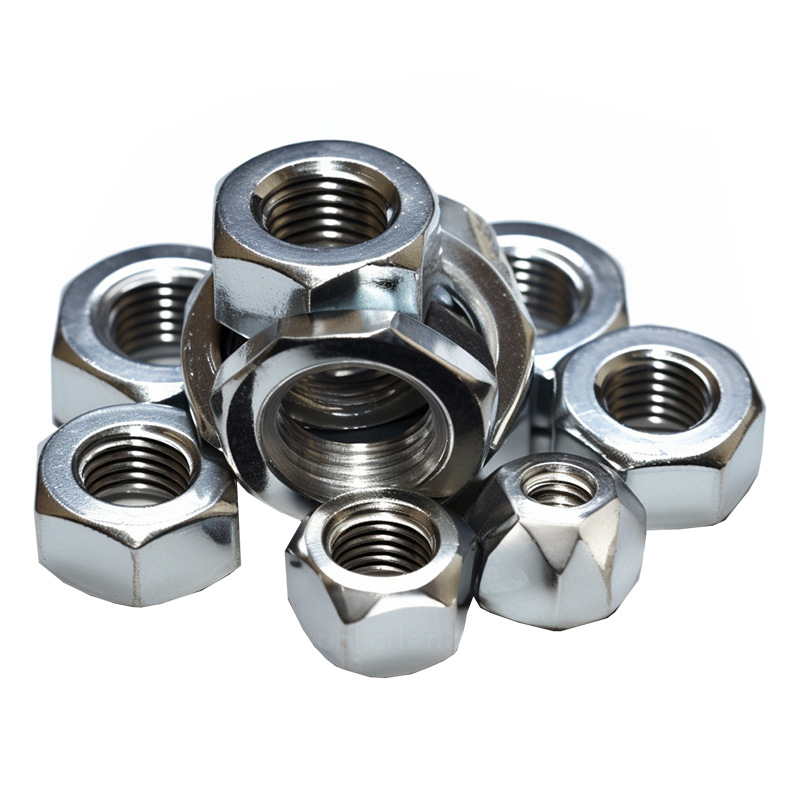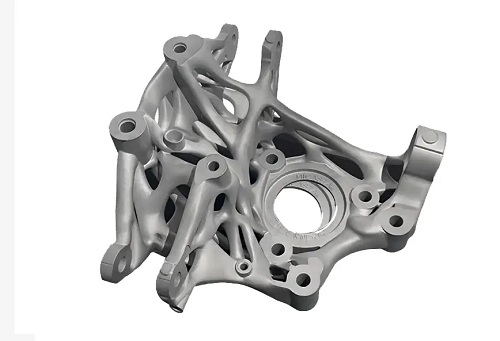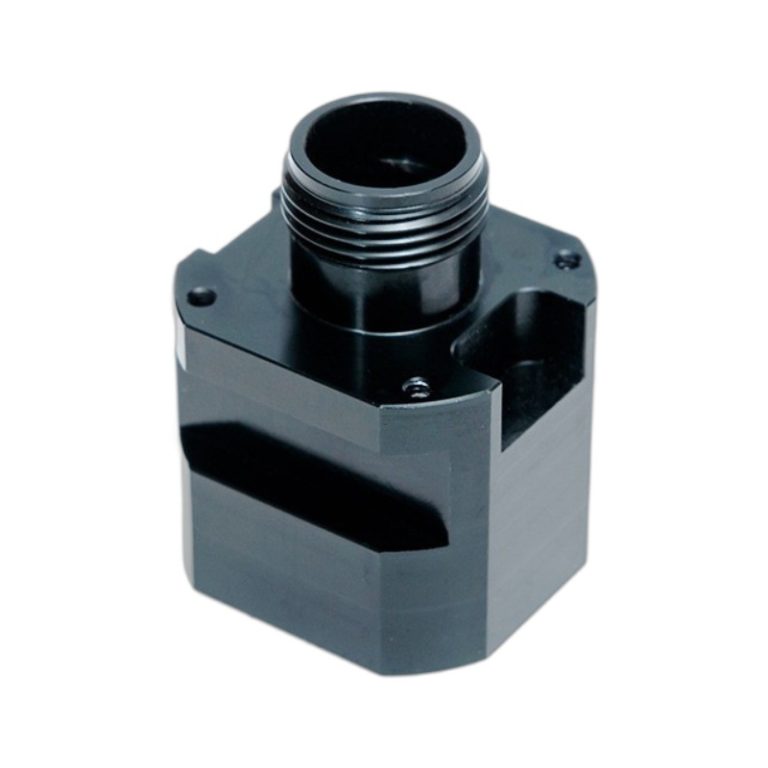
Metal parts often face a tough balancing act. They need to resist rust, look professional, and maintain precise dimensions—all without adding bulk. A tool might rust after a few uses. A fastener could lose its sleek appearance in humid conditions. A firearm component might wear prematurely due to friction. Paint or plating can hide flaws but adds thickness, altering fit. Bare metal is prone to corrosion and looks unrefined. What you need is a treatment that enhances both form and function without compromising precision. This is where surface treatment black oxide coating delivers. By forming a thin, protective black layer through chemical reaction, it offers corrosion resistance, a uniform appearance, and improved lubricity—all while preserving part dimensions. In this guide, we will explore how black oxide coating works, its key processes, properties, and how to leverage it for reliable, attractive metal parts.
Introduction
Black oxide coating is a chemical conversion process. It transforms metal surfaces into a sleek, protective layer, blending aesthetics with practical performance.
Definition: Black oxide coating is a treatment where ferrous metals—steel and iron—react with alkaline oxidizing solutions. This forms a thin—0.5–2 μm—layer of magnetite (Fe₃O₄) , a black iron oxide. This layer bonds chemically to the substrate, providing corrosion resistance, a uniform black finish, and a base for lubricants.
Basic principles: The coating forms through a chemical reaction. Iron in the metal reacts with oxygen from the oxidizing solution—containing sodium hydroxide, nitrates, and nitrites—to form magnetite. The reaction occurs at high temperatures (120–140°C), creating a porous layer that absorbs oils or sealants to enhance corrosion resistance.
Industrial significance: Black oxide coating is used on 60% of ferrous metal components requiring a black finish, from tools to firearms. It is valued for its low cost, speed, and ability to preserve tight tolerances. The global market for black oxide chemicals exceeds $300 million, driven by demand in automotive and industrial sectors.
Environmental considerations: Traditional processes use high pH solutions—13–14—that require neutralization before disposal. Modern formulations reduce hazardous byproducts. Many facilities recycle rinse water. Compliance with regulations like the EPA's Clean Water Act ensures proper waste treatment of alkaline wastewater.
How Does Black Oxide Coating Compare to Other Treatments?
Different surface treatments offer varying levels of thickness, corrosion resistance, and aesthetic finish. The table below shows how black oxide coating stacks up:
| Feature | Black Oxide Coating | Black Chrome Plating | Paint (Black) |
|---|---|---|---|
| Thickness | 0.5–2 μm (no dimension change) | 5–20 μm (may affect fit) | 20–50 μm (adds bulk) |
| Corrosion Resistance | Good (with oil/sealant) | Excellent | Good (prone to chipping) |
| Aesthetic | Matte to semi-gloss black | Shiny black | Variable finish |
| Cost | Low | High | Low (but short-lived) |
| Dimensional Impact | None | Moderate | Significant |
A real-world example: a power tool manufacturer struggled with rust on wrench heads. Black paint chipped after 3 months of shop use. Black chrome plating added thickness that altered fit on fasteners. Switching to black oxide coating with oil sealant eliminated rust for 2+ years while maintaining precise fit. The coating cost was 60% lower than plating.
What Does the Black Oxide Coating Process Involve?
The black oxide coating process is a streamlined sequence of steps designed to create a uniform, porous layer.
Pre-Treatment
Thorough cleaning ensures proper coating adhesion:
- Degreasing: Alkaline cleaners or solvents remove oils, greases, and fingerprints. These can block the chemical reaction.
- Rinsing: Cold water removes residual cleaner, preventing contamination.
- Etching (optional) : A mild acid like hydrochloric removes mill scale or oxides from new metal. This ensures uniform coating formation.
Chemical Solutions
The black oxide bath contains:
- Sodium hydroxide (50–70%) : Provides alkaline conditions
- Sodium nitrite/nitrate (10–20%) : Acts as oxidizing agents
- Optional additives: Metal salts to adjust coating color or porosity
The solution operates at 120–140°C—under pressure to prevent boiling—with a pH of 13–14.
Immersion Process
Parts are submerged in the black oxide solution for 10–30 minutes. The high temperature accelerates the reaction. Longer times create thicker layers up to 2 μm. Complex parts require agitation to ensure solution reaches all surfaces, including blind holes and threads.
Post-Treatment
After coating, parts undergo:
- Rinsing: Warm water removes excess solution, followed by cold water to stop the reaction.
- Sealing: Immersion in oil, wax, or clear polymer sealant fills the porous coating, enhancing corrosion resistance. Oil-based sealants also improve lubricity.
- Drying: Air drying or low-heat ovens at 60–80°C set the sealant without damaging the coating.
Temperature Control
Maintaining the bath at 120–140°C is critical. Lower temperatures slow the reaction. Higher temperatures cause solution evaporation and inconsistent coating. Heating elements with thermostats ensure ±2°C control.
Agitation Systems
Air spargers or mechanical stirrers keep the solution uniform. This prevents sedimentation and ensures all parts receive equal exposure. This is especially important for batches with mixed part sizes.
Safety Protocols
Operators use heat-resistant, acid/alkali-resistant gloves, face shields, and aprons. Ventilation systems remove fumes. Emergency eyewash and shower stations are mandatory. The high-temperature solution poses burn risks, requiring proper training.
What Properties Make Black Oxide Coated Surfaces Valuable?
The properties of black oxide coated surfaces make them ideal for functional and aesthetic applications.
Corrosion Resistance
When sealed with oil, black oxide coated steel withstands 100–200 hours of salt spray testing (ASTM B117). Uncoated steel lasts only 24–48 hours. The porous layer traps sealants, creating a barrier against moisture.
Wear Resistance
The magnetite layer has a hardness of 500–600 HV. It reduces friction and wear in moving parts. When oiled, it outperforms uncoated steel by 30% in abrasion tests (ASTM G65).
Aesthetic Appeal
The coating provides a uniform matte to semi-gloss black finish. It hides surface imperfections like scratches or tool marks. It is consistent across batches, with no streaks or blotches when processed correctly.
Dimensional Stability
At just 0.5–2 μm thick, the coating does not affect part dimensions or tolerances (±0.001 mm). This is critical for precision parts like fasteners, gears, and firearm components.
Surface Finish
The coating has a smooth texture with Ra values of 0.5–2 μm. This improves grip in hand tools and prevents "stick-slip" in moving parts. It feels natural to the touch, unlike rough painted surfaces.
Thermal Resistance
The magnetite layer remains stable at temperatures up to 315°C. This makes it suitable for engine parts and industrial tools exposed to heat. Beyond this temperature, it may oxidize further to red iron oxide—rust.
Lubricity
When sealed with oil or wax, the coating reduces friction between moving parts. This extends component life. That is why it is used in bearings, hinges, and sliding mechanisms.
Where Is Black Oxide Coating Used?
Black oxide coating enhances performance and appearance across industries.
Automotive
Engine bolts, gears, and tooling use black oxide coating for corrosion resistance and lubricity. It is also used on suspension components for a sleek, undercarriage-friendly finish.
Case example: A European automaker applied black oxide coating to engine mounting brackets. Previously, painted brackets required touch-up after assembly due to scratches. The coating eliminated touch-up operations, saving €150,000 annually in labor and materials.
Firearms
Gun barrels, triggers, and receivers rely on black oxide coating for its non-reflective finish—critical for stealth—and corrosion resistance to gun oils and moisture. It is often called "bluing" in the firearms industry.
Tools
Hand tools like wrenches and screwdrivers, plus power tool components, use the coating for a professional black finish and rust resistance. The porous layer holds oils, keeping tools lubricated during use.
Industrial Equipment
Bearings, chains, and fasteners use black oxide coating to reduce wear and friction. It is preferred for parts with tight tolerances, where plating or paint would interfere with fit.
Medical Devices
Surgical tools—scalpels and forceps—use black oxide coating for its non-reflective surface, reducing glare during procedures. It also offers corrosion resistance to sterilization chemicals.
Aerospace
Fasteners and small components use the coating to save weight—no thick plating—while providing corrosion resistance in high-humidity environments. Its low profile ensures parts fit within tight spaces.
What Equipment and Processes Are Involved?
The black oxide coating process and equipment are designed for efficiency and consistency.
Black Oxide Tanks
Tanks are constructed from carbon steel or stainless steel, resistant to high alkalinity. Sizes range from small benchtop units—50 liters—to large automated systems—1000+ liters. They include heating jackets or immersion heaters to maintain temperature.
Chemical Solutions
Solutions are mixed on-site with deionized water to avoid contamination. Typical ratios:
- 50% sodium hydroxide
- 20% sodium nitrite
- 10% sodium nitrate
- 20% water
Solutions are replenished daily to maintain concentration.
Application Methods
- Immersion: Most common. Parts are submerged in tanks. Ideal for batch processing of small to medium parts.
- Spraying: For large parts like machinery panels, though less effective for recessed areas.
- Brushing: Manual application for touch-ups or custom parts, though less uniform than immersion.
Pre-Treatment Equipment
This includes:
- Ultrasonic cleaners: For degreasing
- Spray washers: For large parts
- Acid etching tanks: For scale removal
Temperature Control
Electric heaters or steam jackets maintain bath temperature at 120–140°C. Digital controllers with alarms prevent overheating, which can damage the solution.
Safety Equipment
- Heat-resistant gloves, face shields, chemical aprons: Protect against burns and splashes
- Ventilation hoods: Remove caustic fumes
- pH meters: Monitor solution acidity to prevent hazardous conditions
Quality Control Equipment
- Thickness gauges (eddy current) : Verify coating thickness at 0.5–2 μm
- Salt spray chambers: Test corrosion resistance
- Visual inspection: Checks for uniform color and coverage
How Do You Ensure Quality and Maintain Equipment?
Rigorous quality control and maintenance ensure consistent, high-quality results.
Chemical Solution Maintenance
Daily checks monitor pH (13–14) and concentration via titration. Solutions are replenished when concentration drops by more than 10% to maintain reaction efficiency. Tank sludge—iron oxides—is removed weekly to prevent uneven coating.
Surface Inspection
Visual checks ensure a uniform black finish with no streaks, spots, or bare areas. The water break test verifies proper cleaning before coating—water should sheet evenly, not bead.
Corrosion Testing
Samples are sealed with standard oil and tested in salt spray chambers (ASTM B117) for 100 hours. Acceptable results show less than 5% rust, with no red rust on critical surfaces.
Thickness Measurement
Eddy current gauges check coating thickness at 5–10 points per part. Thickness must stay within 0.5–2 μm. Thicker layers may crack or peel. Thinner layers offer insufficient protection.
Adhesion Testing
The tape test (ASTM D3359) ensures the coating does not peel. No flaking indicates proper bonding. Bend tests (180°) for thin parts verify flexibility without coating failure.
Equipment Maintenance
- Heaters: Calibrated monthly to maintain temperature within ±2°C
- Agitation systems: Checked for proper flow to prevent "dead zones" in tanks
Quality Standards
Compliance with MIL-DTL-13924—military specification for black oxide—and ASTM D7699 ensures performance. Automotive parts often meet ISO 9001 requirements for consistency.
Yigu Technology’s Perspective
As a leading custom manufacturing supplier in China, Yigu Technology offers precision black oxide coating services for automotive, aerospace, and industrial clients.
Our automated lines ensure uniform coating from 0.5–2 μm with strict temperature control at 120–140°C ±1°C. We use eco-friendly alkaline solutions and offer oil, wax, or polymer sealing options.
Our quality checks include:
- 100% visual inspection
- Periodic salt spray testing for 100+ hours
Our process preserves part tolerances, making it ideal for precision components. We tailor solutions to client needs, from matte to semi-gloss finishes, ensuring both aesthetic appeal and functional performance.
Conclusion
Black oxide coating delivers a unique combination of aesthetic appeal, dimensional stability, and practical protection for ferrous metal components. It solves the limitations of paint and plating by adding virtually no thickness—0.5–2 μm—while providing corrosion resistance that extends part life by 2–3 times when properly sealed. From automotive fasteners that maintain precise fit to firearm components that require non-reflective surfaces, this chemical conversion process enhances both form and function. With improved lubricity, wear resistance, and a professional black finish, black oxide coating remains a cost-effective, reliable choice for manufacturers seeking to protect and beautify metal parts without compromising precision.
FAQs
How long does a black oxide coating last?
With proper oil sealing, the coating lasts 1–3 years in indoor use and 6–12 months in outdoor or high-humidity environments. Re-oiling periodically extends life—applying a light machine oil every 3–6 months maintains corrosion resistance.
Can black oxide coating be applied to non-ferrous metals?
No. Black oxide is designed for ferrous metals—steel and iron. Non-ferrous metals like aluminum or copper require other treatments—such as anodizing for aluminum—to achieve a black finish.
Is black oxide coating conductive?
Yes. The magnetite layer is conductive, making it suitable for electrical components where paint—which is non-conductive—would interfere with performance. This is useful for connectors and terminals needing both protection and conductivity.
Does black oxide coating affect part hardness?
No. Black oxide coating is a surface conversion, not a heat treatment. It does not alter the hardness or metallurgical properties of the underlying metal. For applications requiring surface hardness, parts should be heat-treated before black oxide coating.
What is the difference between black oxide and bluing?
They are essentially the same process. "Bluing" is the traditional term used in the firearms industry for black oxide coating. Both refer to the formation of magnetite (Fe₃O₄) on steel surfaces. The process parameters and results are identical.
Contact Yigu Technology for Custom Manufacturing
Looking to enhance the appearance and durability of your metal components with black oxide coating? Yigu Technology specializes in custom black oxide solutions tailored to your industry—whether automotive, aerospace, industrial equipment, or consumer goods. Our precision-controlled process preserves tight tolerances while delivering a uniform, professional black finish with reliable corrosion protection. Contact us today to discuss your project requirements and receive a customized manufacturing proposal.