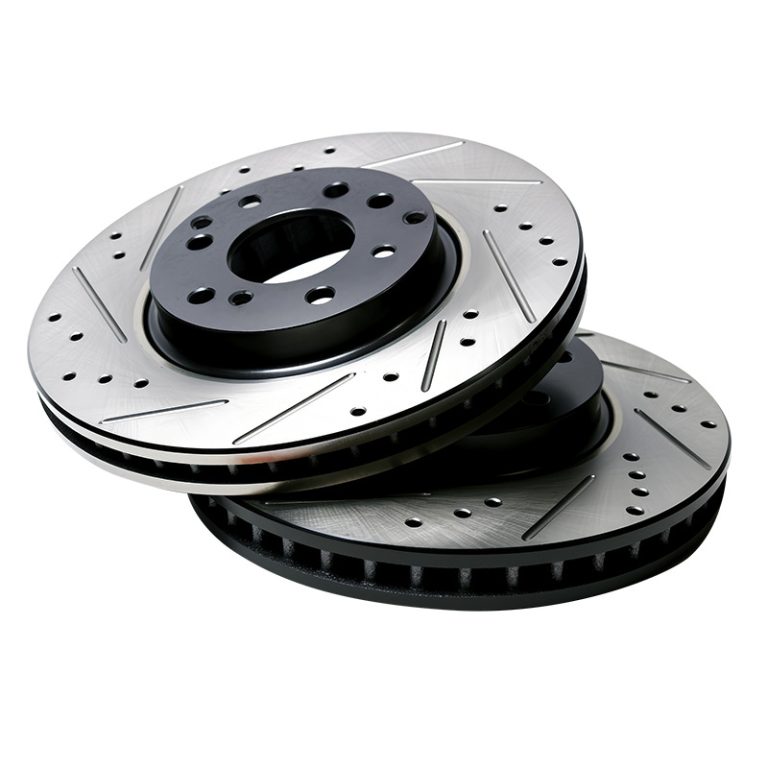
Discover how surface treatment polishing delivers mirror-like shine or soft matte textures that enhance both aesthetics and performance.
Introduction
Metal surfaces often fall short of expectations. A stainless steel appliance might have visible machining marks. A jewelry piece could lack the desired shine. A medical instrument might reflect too much light during procedures.
These flaws are not just cosmetic. Rough surfaces can trap contaminants. Uneven finishes can affect coating adhesion. Unwanted reflectivity can hinder functionality.
Chemical treatments cannot smooth physical imperfections. Basic sanding leaves inconsistent textures. What is needed is a process that can tailor surfaces to exact specifications. This is where surface treatment polishing (mirror/matte finish) excels. By refining surfaces through controlled abrasion or chemical action, it delivers precise finishes that enhance both looks and performance.
In this guide, you will learn how polishing works, what types exist, and how to leverage it for superior surface quality.
What Is Polishing?
Polishing is a surface refinement process. It smooths surfaces by removing small amounts of material—typically 0.1 to 10 μm. This is done using abrasives, chemicals, or electrochemical processes.
The result can be either a mirror finish or a matte finish. Mirror finishes are highly reflective, with surface roughness at or below 0.02 μm Ra. Matte finishes are non-reflective, with roughness between 0.1 and 1 μm Ra.
How Does Polishing Compare to Other Treatments?
Polishing offers unique control over surface texture. The table below shows how it stacks up against alternatives:
| Feature | Polishing (Mirror/Matte) | Plating | Anodizing |
|---|---|---|---|
| Reflectivity Control | Excellent (0-100%) | Limited (depends on metal) | Low (matte to semi-gloss) |
| Surface Roughness | 0.02-1 μm Ra | 0.1-5 μm Ra (depends on base) | 0.5-5 μm Ra |
| Material Removal | 0.1-10 μm | Adds material (1-20 μm) | Converts surface (1-50 μm) |
| Cost for Precision | Moderate to high | High | Moderate |
This comparison shows why polishing is the go-to choice when surface texture matters most. It removes material rather than adding it, preserving part dimensions.
What Types of Polishing Exist?
Different techniques suit different materials and finish requirements.
Mirror Polishing
This uses ultra-fine abrasives (1 to 5 μm) or electrochemical processes. It achieves surface roughness at or below 0.02 μm Ra.
The process happens in stages:
- Grinding: 120 to 400 grit removes larger defects
- Polishing: 600 to 2000 grit smooths the surface
- Buffing: Diamond compounds create the final shine
Common applications include automotive trim, jewelry, and optical components.
Matte Polishing
This creates a uniform non-reflective finish with roughness between 0.1 and 1 μm Ra.
Methods include:
- Abrasive blasting followed by fine polishing
- Chemical etching to create micro-textures
Common applications include medical instruments (reduces glare) and kitchen appliances (hides fingerprints).
Mechanical Polishing
This uses rotating wheels or belts with abrasive compounds like aluminum oxide or diamond. It is versatile, handling everything from stainless steel to titanium. It is widely used in industrial manufacturing for its speed and control.
Electrochemical Polishing
This is an electrochemical process. It removes surface material via anodic dissolution. It achieves ultra-smooth finishes down to 0.01 μm Ra.
It is ideal for complex geometries like medical implants where mechanical polishing cannot reach.
Chemical Polishing
This uses acid solutions like phosphoric or nitric acid to dissolve surface irregularities. It produces a smooth finish without mechanical contact. It is used for delicate parts like electronic connectors or intricate jewelry.
Vibratory Polishing
This is a mass finishing process. Parts and abrasive media vibrate together in a bowl. The action smooths surfaces uniformly.
It is cost-effective for small parts like screws or jewelry findings. Cycle times range from 1 to 24 hours, depending on the desired finish.
Tumbling Polishing
Similar to vibratory polishing, this uses rotating barrels. It is better for larger parts. It is often used as a pre-polish step to remove burrs before final mirror finishing.
Hand Polishing
This uses cloth wheels and compounds applied manually. It is used for custom work or intricate parts like handcrafted jewelry. It allows artisans to control finish quality with precision.
What Properties Can You Expect?
Polished surfaces offer benefits beyond appearance.
Surface Finish
Mirror finishes have surface roughness at or below 0.02 μm Ra. Light reflectivity exceeds 90%, comparable to glass.
Matte finishes have roughness between 0.1 and 1 μm Ra. Reflectivity is below 30% due to light scattering.
Both finishes feel smooth to the touch with no detectable roughness.
Aesthetic Appeal
Mirror finishes enhance visual impact in decorative applications like luxury watches and automotive grilles. Matte finishes offer a modern, understated look for smartphone frames and kitchen sinks.
Wear Resistance
Polished surfaces resist wear better than rough surfaces. There are fewer micro-irregularities to catch and abrade.
Mirror-polished stainless steel has 30% longer wear life in sliding applications than unpolished steel.
Corrosion Resistance
Smooth surfaces—those with roughness at or below 0.1 μm Ra—are less prone to corrosion. There are fewer crevices for moisture and contaminants to accumulate.
Electrochemically polished 316 stainless steel withstands 2,000+ hours of salt spray testing (ASTM B117).
Dimensional Accuracy
Polishing removes minimal material—0.1 to 10 μm. This preserves tight tolerances of ±0.001 mm in precision parts like gears and surgical tools. This is critical for parts that must fit together perfectly.
Adhesion
Very smooth mirror finishes can reduce coating adhesion. Matte finishes with roughness between 0.5 and 1 μm Ra provide ideal texture for paints and adhesives. They improve bond strength by 150% compared to unpolished surfaces.
Where Is Polishing Used?
Polishing enhances performance and appearance across industries.
Automotive
Chrome trim undergoes mirror polishing for maximum reflectivity. Engine components use matte polishing to reduce friction. Wheel rims often combine both—mirror faces with matte spokes for visual contrast.
Aerospace
Turbine blades are mirror-polished to reduce air resistance. This improves fuel efficiency by 2 to 3%. Cabin interiors use matte-polished stainless steel to minimize glare and fingerprints.
Medical Devices
Surgical instruments have matte finishes to reduce glare during procedures. Implants like hip joints are mirror-polished to minimize tissue irritation and bacterial adhesion.
Consumer Electronics
Smartphone frames use matte polishing for a slip-resistant, fingerprint-resistant surface. Camera lenses require mirror-polished glass for optimal light transmission.
Jewelry
Precious metals like gold and platinum are mirror-polished to maximize shine. Some designs use matte finishes to create texture contrast. Micro-polishing ensures gemstones sit flush in settings.
Industrial Equipment
Hydraulic valves are mirror-polished to prevent fluid turbulence and leaks. Machine tool surfaces use matte polishing to reduce light reflection that could distract operators.
Construction
Architectural metal uses mirror polishing for iconic building facades. Matte polishing is used for handrails and fixtures where durability is needed.
A Real-World Case Study
A medical device manufacturer faced a problem. Their surgical forceps had a mirror finish. Surgeons reported glare during procedures, causing eye strain and distraction.
The manufacturer switched to a matte finish using vibratory polishing. Key changes included:
- Ceramic media with fine abrasive
- Controlled cycle time of 4 hours
- Surface roughness target of 0.4 μm Ra
The results were significant. Glare complaints dropped by 90%. The matte surface also showed 40% less bacterial adhesion in testing, improving sterilization outcomes. The cost per part increased by only $0.50, far less than the cost of a single complaint.
This example shows how choosing the right finish can improve both usability and safety.
What Equipment Is Needed?
Consistent polishing results require the right equipment.
Polishing Machines
Options include:
- Rotary polishers: 1,000 to 3,000 RPM
- Belt sanders: With progressive grits
- CNC-controlled systems: For automated precision
Mirror polishing stations often have 5 to 7 stages with increasingly fine abrasives.
Abrasive Materials
Different abrasives suit different metals:
- Aluminum oxide: For general metal polishing
- Diamond paste: For hard metals like titanium and carbide
- Cerium oxide: For glass and optical polishing
Grit sizes range from coarse 80 grit to ultra-fine 10,000 grit.
Electrochemical Equipment
This includes a DC power supply, electrolyte solution, and cathode. Parts are submerged. Current of 10 to 50 A dissolves surface irregularities. It achieves roughness down to 0.01 μm Ra.
Vibratory and Tumbling Equipment
Vibratory bowls operate at 100 to 300 Hz. Tumbling barrels run at 10 to 60 RPM. Both use ceramic or plastic media with polishing compounds. Cycle times range from 1 to 24 hours.
Hand Tools
These include handheld rotary tools, buffing wheels, and polishing pads. They are used for touch-ups or custom work where automation cannot reach.
Pre-treatment
Parts must be degreased with solvents or alkaline cleaners. This removes oils and ensures abrasives contact the surface directly. This step reduces polishing time by 20 to 30%.
Safety Equipment
Workers need dust masks for abrasive particles, safety glasses, and gloves. Chemical polishing requires acid-resistant gear and ventilation to remove fumes.
How Do You Ensure Quality?
Quality control and maintenance are essential for consistent results.
Surface Inspection
Profilometers measure Ra values to verify finish specifications. Mirror finishes target 0.02 μm Ra. Matte finishes target 0.1 to 1 μm Ra.
Gloss meters check reflectivity. Mirror finishes should exceed 90%. Matte finishes should be below 30%.
Visual checks under 50x magnification identify scratches or unevenness.
Dimensional Inspection
Micrometers and optical comparators verify material removal stays within 0.1 to 10 μm. This ensures parts meet tolerance requirements of ±0.001 mm for precision components.
Abrasive Control
Abrasive grit sizes are checked with sieves to ensure consistency. Worn abrasives—polishing pads with more than 20% wear—are replaced to prevent uneven finishing.
Equipment Maintenance
Polishing machine spindles are calibrated weekly to maintain speed within ±50 RPM. Electrochemical cells are cleaned monthly to remove sludge, ensuring uniform current distribution.
Process Parameters
Polishing pressure (1 to 5 N), speed (1,000 to 3,000 RPM), and time are logged for each batch. Statistical process control tracks variations. Adjustments are made if Ra values drift by more than 10%.
Quality Standards
Compliance with ISO 8503 (surface preparation) and ASTM B46.1 (surface texture) ensures finishes meet industry requirements. Medical devices follow ISO 13485 for biocompatibility of polishing compounds.
How Does Polishing Support Sustainability?
Environmental considerations matter in manufacturing. Polishing has made strides in this area.
Traditional abrasive polishing generates waste from spent compounds and worn pads. Modern systems recycle abrasives and use water-based coolants. This reduces waste volume.
Chemical polishing now uses non-toxic solutions like citric acid. This replaces harsher acids, reducing environmental impact. These methods comply with REACH and RoHS regulations.
Electrochemical polishing generates less waste than mechanical methods. It produces no abrasive dust and uses recyclable electrolytes.
Conclusion
Polishing is more than a cosmetic treatment. It transforms surfaces to meet both aesthetic and functional requirements. Mirror finishes deliver high reflectivity and ultra-smooth textures. Matte finishes reduce glare and hide fingerprints while improving coating adhesion.
Whether you manufacture medical instruments, automotive trim, or consumer electronics, polishing can enhance your products. The investment is modest compared to the value it adds in appearance, durability, and performance.
By understanding the types, properties, and quality requirements, you can make informed decisions that improve both your products and your production processes.
FAQs
Can the same part have both mirror and matte finishes?
Yes. Selective polishing uses masking to protect areas needing a matte finish while mirror-polishing others. This is common in jewelry—matte settings with mirror gemstone surrounds—and automotive parts—mirror logos on matte panels.
How long does a polished finish last?
Mirror finishes on stainless steel or chrome can last 5 to 10 years with proper care. Avoid abrasive cleaners. Matte finishes are more durable, lasting 10+ years as their texture resists wear better than smooth surfaces. Protective coatings extend life by 30 to 50%.
Is polishing suitable for all metals?
Most metals can be polished, but results vary. Stainless steel and chrome take excellent mirror finishes. Aluminum and brass may require additional steps like anodizing to maintain the finish. Soft metals like copper and gold need gentler abrasives to avoid deformation.
What is the difference between polishing and buffing?
Polishing removes material to smooth the surface. It uses abrasives bonded to wheels or belts. Buffing removes no material. It uses soft cloth wheels with loose compounds to create the final shine. Both are often used together for mirror finishes.
Does polishing improve corrosion resistance?
Yes, when surfaces are smoothed to 0.1 μm Ra or less. Smooth surfaces have fewer crevices where moisture and contaminants can collect. Electrochemically polished stainless steel shows significantly better salt spray test results than unpolished steel.
Contact Yigu Technology for Custom Manufacturing
At Yigu Technology, we offer precision polishing services for mirror and matte finishes across automotive, medical, and consumer electronics industries. Our capabilities include CNC mechanical polishing achieving 0.02 μm Ra mirror finishes, electrochemical polishing for complex parts, and vibratory finishing for mass-produced components.
We use eco-friendly abrasives and compounds. Quality checks are performed with profilometers and gloss meters. Our processes meet ISO 9001 and medical ISO 13485 standards, ensuring consistent finishes tailored to client needs.
We optimize polishing cycles to balance quality and cost. Whether you need high-shine automotive trim or low-glare medical instruments, we deliver reliable, on-time results.
Ready to refine your metal surfaces? Contact Yigu Technology today to discuss your polishing requirements.