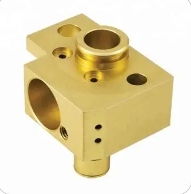
Metal components face a constant threat: corrosion and poor coating adhesion. A steel bracket might rust within months of outdoor use. A car door panel could peel paint after just a year. A machine part may wear prematurely due to friction. These issues lead to costly replacements, safety risks, and damaged reputations. Traditional protective methods like painting alone often fail because paint does not bond well to smooth metal surfaces. This leaves gaps where moisture and chemicals can seep in. What you need is a surface treatment that creates a protective layer and improves coating adhesion. This is where surface treatment phosphating excels. By forming a crystalline phosphate layer on metal surfaces through controlled chemical reactions, it delivers long-lasting corrosion resistance and a perfect base for paints and coatings. In this guide, we will explore how phosphating works, its key types, properties, and how to leverage it for reliable metal performance.
Introduction
Phosphating is a chemical conversion process. It transforms metal surfaces into a protective, porous layer, combining corrosion resistance with enhanced coating adhesion.
Definition: Phosphating is a surface treatment where metal—primarily steel, iron, or zinc—reacts with phosphate-containing solutions. This forms a crystalline layer of metal phosphates. The layer bonds chemically to the substrate, acting as a barrier against corrosion and a mechanical anchor for paints, lacquers, and other coatings.
Basic principles: The process relies on a chemical reaction between metal ions from the substrate and phosphate ions from the treatment solution. For example, steel reacts with zinc phosphate solution to form zinc iron phosphate crystals. These crystals grow outward from the metal surface, creating a porous layer that locks into subsequent coatings. The reaction is typically acid-driven, with pH levels between 2 and 5 to activate the metal surface.
Industrial significance: Phosphating is used on 70% of steel and iron components across industries, from automotive to construction. The global phosphating market exceeds $3 billion, driven by demand for corrosion protection. It extends metal part life by 3–5 times and reduces coating failure rates by 60% compared to untreated surfaces.
Environmental considerations: Traditional phosphating used high levels of heavy metals like nickel and manganese. Modern formulations reduce or eliminate these. Wastewater is treated to remove phosphate residues to below 10 ppm and heavy metals. Many facilities recycle rinse water to minimize waste, complying with regulations like the EPA's Clean Water Act and the EU's Water Framework Directive.
How Does Phosphating Compare to Other Treatments?
Different surface treatments offer varying levels of corrosion resistance, adhesion, and cost. The table below shows how phosphating stacks up:
| Feature | Phosphating | Galvanizing | Paint Alone |
|---|---|---|---|
| Corrosion Resistance | Good (with coating) | Excellent (standalone) | Poor (prone to peeling) |
| Coating Adhesion | Excellent (porous layer) | Poor (smooth surface) | Fair (needs priming) |
| Cost | Low to moderate | High | Low (but short-lived) |
| Thickness Impact | Minimal (2–50 μm) | Significant (50–200 μm) | Minimal (20–50 μm) |
| Surface Texture | Matte, porous | Smooth, metallic | Smooth, glossy |
A real-world example: a farm equipment manufacturer struggled with paint peeling on tractor frames after 18 months in the field. Adding a zinc phosphating step before painting extended coating life to 7+ years. Warranty claims related to rust dropped by 80%, saving the company over $500,000 annually.
What Are the Main Types of Phosphating?
Phosphating formulations vary to meet specific performance needs. Different metal phosphates offer unique properties.
Zinc Phosphating
This is the most widely used type. It forms a gray crystalline layer—2–20 μm thick—on steel and iron. It provides excellent corrosion resistance and adhesion for paints. Zinc phosphating is used on 60% of automotive body panels and 50% of appliance parts. High-temperature versions (80–90°C) create denser crystals for heavy-duty applications.
Iron Phosphating
This forms a thin (1–5 μm) blue-gray layer on mild steel. It is cheaper than zinc phosphating but offers lower corrosion resistance. It is ideal for indoor parts like furniture hardware and electrical enclosures where coating adhesion is the primary need.
Manganese Phosphating
This creates a dark gray to black layer—5–50 μm—with high hardness (300–500 HV). It is used for parts requiring wear resistance, such as gears, bearings, and tooling. The porous structure reduces friction and retains lubricants.
Mixed-Metal Phosphating
This combines zinc, nickel, and manganese to balance corrosion resistance and cost. These formulations are common in industrial equipment. They offer 30% better salt spray resistance than standard zinc phosphating.
Non-Ferrous Phosphating
Modified solutions for aluminum and zinc alloys form a thin (0.5–2 μm) layer that improves coating adhesion. Applications include aerospace aluminum parts and zinc-plated hardware.
Cerium Phosphating
This is an eco-friendly alternative using rare earth metals. It forms a protective layer on steel and aluminum. It offers comparable corrosion resistance to zinc phosphating without heavy metals. It is suitable for medical and food-grade applications.
What Properties Make Phosphated Surfaces Valuable?
The properties of phosphated surfaces make them ideal for protective and functional applications.
Corrosion Resistance
Zinc phosphated steel with a paint topcoat withstands 500+ hours of salt spray testing (ASTM B117). Painted untreated steel lasts only 100–200 hours. The phosphate layer acts as a barrier, slowing moisture penetration to the metal substrate.
Wear Resistance
Manganese phosphating reduces friction by 20–30% in sliding parts. It extends bearing life by 2–3 times. Its porous structure retains lubricants, preventing metal-to-metal contact.
Adhesion
The porous phosphate layer "locks" into paints, adhesives, and powders. It increases bond strength by 200–300% compared to untreated metal. This is critical for automotive and appliance coatings, preventing peeling and chipping.
Surface Finish
Phosphated surfaces have a uniform matte texture with Ra values of 1–5 μm. Zinc phosphating offers a gray finish. Manganese phosphating is darker, providing aesthetic benefits for unpainted parts like tool handles.
Thickness Control
Layers range from 1 μm (iron phosphating) to 50 μm (manganese phosphating) with ±10% tolerance. This minimal thickness ensures no impact on part dimensions, critical for precision components.
Chemical Resistance
Phosphated surfaces resist oils, greases, and mild acids. They are suitable for engine parts and industrial machinery. When sealed with a topcoat, they withstand chemical cleaning agents.
Thermal Resistance
Manganese phosphating handles temperatures up to 300°C. It is used in exhaust components and industrial ovens. Zinc phosphating remains stable up to 200°C, ideal for underhood automotive parts.
Where Is Phosphating Used?
Phosphating is a cornerstone of metal protection across industries, enhancing performance in diverse environments.
Automotive
Car bodies undergo zinc phosphating before painting to ensure paint adhesion and corrosion resistance. Engine components use manganese phosphating for wear resistance. Chassis parts rely on it to withstand road salt and moisture.
Case example: A Japanese automaker implemented a new zinc phosphating line for truck chassis. Corrosion-related repairs dropped by 60%, and the coating system achieved 1000-hour salt spray resistance—double the previous standard.
Aerospace
Aluminum aircraft parts use non-ferrous phosphating to improve primer adhesion. This is critical for withstanding high altitudes and temperature extremes. Steel fasteners use zinc phosphating to resist corrosion in humid conditions.
Industrial Equipment
Gears, bearings, and hydraulic components use manganese phosphating for wear resistance. This reduces maintenance in factory machinery. Steel frames and enclosures use zinc phosphating to prevent rust in damp industrial environments.
Construction
Structural steel, bolts, and fixtures use phosphating to enhance coating adhesion. This ensures long-term protection against rain, snow, and humidity. It is a key step in protecting bridges, buildings, and outdoor structures.
Consumer Electronics
Steel and zinc alloy casings—for power tools and home appliances—use iron or zinc phosphating to improve paint adhesion. This ensures a durable, scratch-resistant finish.
Marine Industry
Boat hardware and steel components use zinc phosphating with a marine topcoat to resist saltwater corrosion. Service life extends by 5+ years compared to untreated parts.
What Equipment and Processes Are Involved?
The phosphating process combines precise chemistry with specialized equipment to ensure uniform, high-quality layers.
Pre-Treatment Processes
Metal parts undergo three critical steps:
- Degreasing: Alkaline solutions (pH 10–12) remove oils, greases, and contaminants. Oils block chemical reactions, so this step is essential.
- Rinsing: Deionized water removes residual degreaser, preventing interference with the phosphating solution.
- Etching (optional): Mild acids like hydrochloric etch the surface to remove oxides. This creates a clean base for phosphate crystals to form.
Phosphating Tanks
Tanks are made of PVC, polypropylene, or stainless steel—acid-resistant materials. They hold the phosphate solution at controlled temperatures (20–90°C, depending on the type). Sizes range from small batch tanks to large automated lines for high-volume production.
Chemical Solutions
Formulations vary by type:
- Zinc phosphating: 5–20% zinc phosphate with accelerators like nitrates and chlorides to speed reaction
- Manganese phosphating: 10–30% manganese phosphate, often with surfactants to improve coverage
- Iron phosphating: 5–15% iron phosphate, with lower acidity for milder reactions
Application Methods
- Immersion: Parts are fully submerged in the phosphating tank. This is most common for large or complex parts, ensuring complete coverage.
- Spraying: Solution is sprayed onto parts like automotive body panels. This allows faster processing, with cycle times as low as 2–5 minutes.
- Brushing: Manual application for small or custom parts, though less common due to uneven coverage risks.
Post-Treatment Processes
Parts are rinsed to remove excess solution. They are then dried in hot air ovens at 80–120°C to prevent flash rust. Some applications use a sealant—chromate or polymer—to enhance corrosion resistance before painting.
Agitation Systems
Air spargers or mechanical stirrers keep the phosphating solution uniform. This prevents sedimentation and ensures consistent crystal growth across all parts.
Safety Equipment
Operators use acid-resistant gloves, goggles, and respirators for fumes. Ventilation systems remove acid mist. Emergency eyewash stations are mandatory for handling corrosive solutions.
How Do You Ensure Quality and Maintain Equipment?
Rigorous quality control and maintenance ensure consistent phosphating results.
Chemical Solution Maintenance
Daily titration tests monitor phosphate concentration—for example, 8–12 points for zinc phosphating—and pH (2–5). Solutions are replenished when concentration drops by more than 10% to maintain reaction efficiency.
Surface Inspection
Visual checks ensure uniform color—gray for zinc phosphating—with no bare spots. Microscopic examination at 50–100x verifies crystal structure. Uniform, needle-like crystals indicate proper reaction.
Thickness Measurement
X-ray fluorescence (XRF) or magnetic gauges measure layer thickness. This ensures it stays within specification—for example, 5–15 μm for automotive parts. Tolerances are ±10% to guarantee performance.
Adhesion Testing
The cross-cut test (ASTM D3359) evaluates coating adhesion after painting. A score of 0 (excellent) is required for critical applications like automotive bodies.
Corrosion Testing
Samples undergo 24–1000 hours of salt spray testing (ASTM B117). Pass criteria: less than 5% rust for industrial parts; 0% rust for automotive and marine applications.
Equipment Maintenance
- Tanks: Cleaned weekly to remove sludge—accumulated phosphate crystals
- Heaters and agitation systems: Calibrated monthly to maintain temperature within ±2°C and proper flow
- This prevents uneven phosphating
Environmental Compliance
Spent solutions are treated to reduce phosphate levels to below 10 ppm. Heavy metals are removed before disposal. Sludge is filtered and recycled or disposed of as hazardous waste, complying with local regulations.
Yigu Technology’s Perspective
As a leading custom manufacturing supplier in China, Yigu Technology offers advanced phosphating services for automotive, industrial, and aerospace clients.
Our automated lines handle:
- Zinc phosphating: For corrosion protection and paint adhesion
- Manganese phosphating: For wear resistance and lubricity
- Iron phosphating: For cost-effective indoor applications
We provide precise thickness control from 2–50 μm with ±10% tolerance. We use eco-friendly formulations—low nickel, heavy metal-free—to meet environmental standards.
Our quality control includes:
- XRF thickness testing
- Salt spray chambers for 500+ hours of corrosion testing
- Adhesion checks per ASTM standards
Our processes meet ISO 9001 and ASTM B633 standards, ensuring consistent corrosion resistance and coating adhesion. Phosphating's ability to enhance durability without altering part dimensions makes it ideal for precision components. We tailor solutions to each client's specific environment and performance needs.
Conclusion
Phosphating delivers a proven, cost-effective solution for enhancing metal durability and coating performance. It solves the limitations of untreated surfaces by creating a porous, crystalline layer that bonds chemically to steel, iron, and zinc substrates. This layer provides exceptional corrosion resistance when combined with topcoats—extending protection to 500+ hours in salt spray tests—and improves paint adhesion by up to 300%. From automotive bodies that resist road salt to gears that withstand heavy wear through manganese phosphating, this versatile surface treatment serves critical roles across industries. With minimal thickness impact, eco-friendly modern formulations, and rigorous quality control, phosphating remains an essential step in manufacturing reliable, long-lasting metal components.
FAQs
How long does a phosphated layer last without a topcoat?
Phosphating alone offers limited corrosion resistance—30–100 hours in salt spray testing. It is designed to work with a topcoat like paint or powder coating, which extends protection to 500+ hours. For standalone use, manganese phosphating lasts longest, up to 6 months indoors.
Can phosphating be applied to stainless steel?
Yes, but it is rarely needed. Stainless steel's chromium oxide layer already resists corrosion. When required—for coating adhesion on specialized applications—specialized acid solutions are used to etch the surface and form a thin phosphate layer.
What is the typical cost of phosphating compared to painting alone?
Phosphating adds 10–20% to initial coating costs. However, it reduces long-term expenses by 50% or more due to fewer coating failures and longer part life. For high-volume production like automotive, the return on investment is typically achieved within 1–2 years.
What causes poor phosphating results?
Common causes include: inadequate degreasing (oils block crystal formation), incorrect bath temperature or pH, improper rinse water quality, and solution depletion. Proper process control—daily testing and equipment maintenance—prevents these issues.
Is phosphating suitable for parts with tight tolerances?
Yes. Phosphating adds minimal thickness—2–50 μm—with ±10% uniformity. This preserves critical dimensions. Mating surfaces with tight tolerances may require masking or selective application, which experienced suppliers can accommodate.
Contact Yigu Technology for Custom Manufacturing
Looking to enhance the corrosion resistance, coating adhesion, or wear performance of your metal components? Yigu Technology specializes in custom phosphating solutions tailored to your industry—whether automotive, aerospace, industrial equipment, or consumer goods. Our automated lines, eco-friendly formulations, and strict quality controls ensure consistent, high-performance results that meet international standards. Contact us today to discuss your project requirements and receive a customized manufacturing proposal.