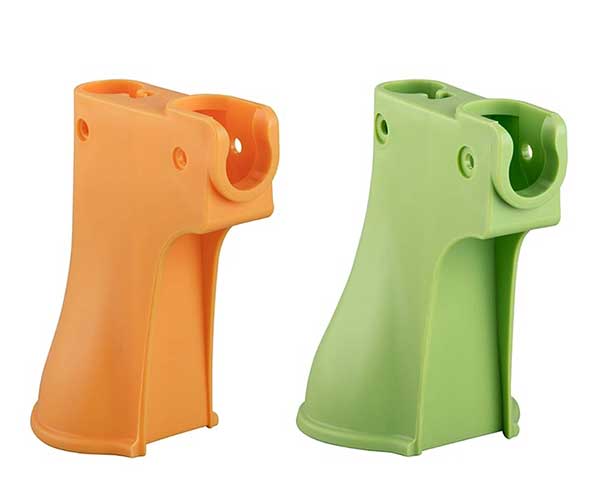
Discover how this precision coating process enhances durability, conductivity, and appearance for parts across every industry.
Introduction
Manufacturers across industries often struggle with materials that fail prematurely. A metal part might rust within months in humid conditions. A tool could wear out after a few hundred uses. An electronic connector might lose conductivity due to oxidation.
These issues lead to costly replacements, production delays, and compromised product quality. What is needed is a solution that enhances a part's durability, functionality, and appearance.
This is where surface treatment electroplating emerges as a powerful solution. By depositing a thin layer of metal onto a substrate via electrochemical reactions, electroplating transforms material performance. It solves the critical pain points of wear, corrosion, and performance loss.
In this guide, you will learn how electroplating works, what types exist, and how to leverage it for long-lasting, high-quality products.
What Is Electroplating?
Electroplating is an electrochemical process. Metal ions in a solution are reduced and deposited onto a conductive surface—the cathode—when an electric current is applied. The process creates a thin, adherent layer of metal that bonds with the substrate.
The process relies on electrolytic deposition. A substrate (cathode) and a metal source (anode) are immersed in an electrolyte solution containing metal ions. When direct current flows, metal ions from the anode or solution migrate to the cathode, forming a solid metal layer.
At the anode, metal atoms oxidize and dissolve into the electrolyte as positive ions. At the cathode, these ions gain electrons—reduction—and deposit as metal atoms, forming the coating.
What Types of Electroplating Exist?
Electroplating offers a range of metal coatings. Each is tailored to specific applications.
| Coating Type | Key Properties | Typical Thickness | Common Applications |
|---|---|---|---|
| Gold | Excellent conductivity, corrosion resistance, tarnish resistance | 0.5-5 μm | Electronics connectors, circuit boards, jewelry |
| Silver | High conductivity, bright finish | 1-10 μm | Electrical contacts, mirrors, decorative items |
| Copper | High conductivity, leveling properties | 5-25 μm | Base layer for nickel/chrome, PCB traces |
| Nickel | Corrosion resistance, hardness (200-500 HV) | 5-50 μm | Automotive parts, tools, medical devices |
| Chromium | Exceptional wear resistance, hardness (800-1000 HV) | 5-100+ μm | Hydraulic cylinders, tooling, decorative trim |
| Zinc | Cost-effective corrosion protection | 5-25 μm | Fasteners, brackets, steel components |
| Tin | Solderability, corrosion resistance, non-toxic | 1-10 μm | Electrical components, food packaging, bearings |
| Composite | Enhanced wear resistance or reduced friction | 5-50 μm | Aerospace components, high-performance tooling |
This range of options allows engineers to select the right coating for each application—balancing performance, cost, and environmental requirements.
What Properties Can You Expect?
Electroplated coatings transform substrate properties in several key ways.
Hardness
Electroplated coatings can significantly increase surface hardness. Hard chrome plating achieves 800 to 1,000 HV. Untreated steel is 200 to 300 HV. This dramatically improves wear resistance.
Corrosion Resistance
Coatings like zinc, nickel, and gold act as barriers. They prevent the substrate from reacting with moisture, chemicals, or oxygen.
Zinc-plated steel parts withstand 500+ hours of salt spray testing (ASTM B117) without rusting. Uncoated steel fails within 24 to 48 hours.
Wear Resistance
Hard coatings like chromium or composite platings reduce abrasion and friction. A chrome-plated hydraulic cylinder can last 5 to 10 times longer than an uncoated one in high-friction applications.
Aesthetic Appeal
Bright, uniform finishes from silver, chrome, or gold plating enhance visual appeal. This is critical for consumer goods, jewelry, and automotive trim. Plating can achieve mirror-like finishes with surface roughness below 0.1 μm Ra.
Conductivity
Metals like copper, silver, and gold ensure excellent electrical conductivity. Gold-plated connectors maintain conductivity even after 10,000+ mating cycles.
Adhesion
Proper pre-treatment ensures adhesion strengths of 10 to 50 MPa. Poor adhesion leads to flaking. Adhesion is tested via methods like the tape test (ASTM D3359) or bend tests.
Thickness Control
Plating thickness ranges from 0.1 μm for decorative applications to 100+ μm for hard chrome wear coatings. Uniform thickness of ±10% is achieved with proper process control.
Where Is Electroplating Used?
Electroplating finds applications across industries, solving unique challenges in each.
Automotive Industry
Chrome plating enhances the wear resistance of piston rings and cylinder walls. Zinc-nickel plating protects undercarriage parts from corrosion. Decorative chrome on trim adds both style and durability.
Electronics
Copper plating ensures conductivity in printed circuit boards (PCBs). Gold plating on connectors prevents oxidation. Silver plating on switches and relays ensures reliable electrical contact.
Aerospace
Nickel and chromium plating protect aircraft components—landing gear, engine parts—from corrosion and high-temperature wear. Gold plating on avionics ensures reliable performance in extreme environments.
Medical Devices
Nickel and chromium plating on surgical instruments provides corrosion resistance and ease of sterilization. Gold plating on implants like pacemaker components ensures biocompatibility and longevity.
Tooling and Molds
Hard chrome plating on injection molds and dies reduces wear. It extends tool life by 2 to 3 times. It also improves release properties, reducing the need for mold release agents.
Consumer Goods
Silver-plated cutlery, chrome-plated faucets, and gold-plated jewelry rely on electroplating for aesthetics and durability. Plating makes these items both functional and visually appealing.
A Real-World Case Study
An automotive supplier faced repeated warranty claims. Steel brake calipers were rusting after 2 to 3 years in service. The existing zinc plating was too thin and inconsistent.
The solution was to switch to zinc-nickel alloy plating with a thicker coating and improved process control. Key changes included:
- 15 μm coating thickness with ±2 μm control
- 12% nickel content for enhanced corrosion resistance
- Trivalent chromium passivation for added protection
The results were significant. Salt spray testing increased from 200 hours to 1,000 hours without red rust. Field failures dropped by 85%. The cost per part increased by only $0.15, but warranty savings exceeded $500,000 annually.
This example shows how proper coating selection and process control directly impact product reliability.
What Equipment Is Needed?
The electroplating process requires careful control of equipment and parameters.
Plating Tanks
Tanks are made of chemical-resistant materials like PVC or polypropylene. They range from small benchtop units for jewelry to large tanks over 10 meters for automotive parts.
Power Supplies
DC rectifiers provide controlled current—1 to 1,000 A—and voltage—1 to 15 V. Current density determines plating rate. Higher densities increase speed but can affect coating quality.
Anodes
Anodes are made of the plating metal or inert materials like graphite for chromium plating. They replenish metal ions in the solution as they dissolve.
Cathodes
The substrate is connected to the negative terminal. Proper racking or fixturing ensures uniform current distribution and coating thickness.
Agitation Systems
Stirring or air sparging keeps the electrolyte uniform. This prevents concentration gradients and ensures even plating. It is critical for complex shapes with recesses or holes.
Pre-treatment Equipment
Cleaning, etching, and activation tanks prepare surfaces for plating. Steel parts are often acid-etched to create a micro-rough surface that improves adhesion.
What Are the Key Steps in the Process?
The electroplating process follows a precise sequence.
Pre-treatment
Pre-treatment is critical for adhesion. Steps include:
- Cleaning: Removes oils and dirt
- Etching: Roughens the surface
- Activation: Prepares the surface for plating
Plating
Parts are immersed in the electrolyte. Current is applied. Plating time determines thickness. Typical rates range from 0.1 to 5 μm per minute, depending on metal and current density.
Post-treatment
After plating, parts undergo:
- Rinsing: Removes excess electrolyte
- Drying: Prevents water spots
- Passivation: Chromating for zinc-plated parts enhances corrosion resistance
How Do You Ensure Quality?
Proper maintenance and quality control are essential for consistent results.
Equipment Maintenance
Tanks are inspected regularly for leaks. Anodes are checked for proper dissolution. Filters are cleaned to prevent particulate contamination. Power supplies are calibrated for accurate current control.
Solution Maintenance
Electrolyte composition is monitored daily. Key parameters include:
- Metal ion concentration
- pH level
- Additive levels
Chemicals are replenished to maintain optimal plating conditions.
Surface Inspection
Visual checks identify defects like flaking, pits, or uneven color. Microscopic examination at 100 to 500x identifies poor adhesion or rough texture.
Thickness Measurement
X-ray fluorescence (XRF) or magnetic induction verifies coating thickness. Automotive specs often require zinc plating of 5 to 15 μm.
Adhesion Testing
The bend test (ASTM B571) or cross-cut test (ASTM D3359) checks if plating adheres. No flaking or peeling indicates good adhesion.
Environmental Compliance
Waste electrolytes and rinse water are treated to meet regulations. Heavy metal-containing waste is managed to prevent environmental contamination.
What Are the Environmental Considerations?
Modern electroplating has evolved to address environmental concerns.
Closed-loop systems recycle electrolytes and treat waste. This minimizes environmental impact. Compliance with regulations like RoHS and REACH ensures safe disposal of heavy metals.
Trivalent chromium passivation has replaced toxic hexavalent chromium in many applications. This reduces worker exposure and environmental risk.
While electroplating does involve heavy metals, modern facilities manage these responsibly. It remains a sustainable surface treatment option when properly controlled.
Conclusion
Electroplating delivers where material properties alone fall short. It adds hardness to soft substrates. It provides corrosion resistance to reactive metals. It adds conductivity to non-conductive materials. And it does all this with precise thickness control.
Whether you need automotive parts that resist road salt, electronic connectors that maintain conductivity, or consumer goods that look beautiful and last, electroplating offers a proven solution. The investment is modest compared to the cost of premature failure.
By understanding the types, properties, and quality requirements, you can make informed decisions that enhance product performance and reliability.
FAQs
How long does an electroplated coating last?
Lifespan depends on coating type, thickness, and environment. Zinc plating on steel lasts 1 to 5 years in outdoor settings. Hard chrome on tools can last 10+ years with proper use. Gold plating on electronics often lasts the product's lifetime—5 to 20 years.
Can plastic parts be electroplated?
Yes. Non-conductive plastics like ABS are first coated with a conductive layer via electroless plating. They are then electroplated with metals like copper or chrome. This is common in automotive trim and consumer goods.
Is electroplating environmentally friendly?
Modern electroplating uses closed-loop systems to recycle electrolytes and treat waste. This minimizes environmental impact. Compliance with regulations like RoHS and REACH ensures safe disposal of heavy metals. It is a sustainable surface treatment option when properly managed.
What is the difference between electroplating and electroless plating?
Electroplating uses an electric current to deposit metal. It is faster and more cost-effective for simple shapes. Electroless plating uses a chemical reaction and requires no electricity. It provides uniform coverage on complex geometries and recesses. Each has its place depending on the application.
How do I choose the right plating for my application?
Consider the primary requirement. For corrosion protection, choose zinc or nickel. For wear resistance, choose hard chrome. For conductivity, choose gold, silver, or copper. For aesthetics, choose decorative chrome or precious metals. Consult with your plating supplier to match coating properties to your application needs.
Contact Yigu Technology for Custom Manufacturing
At Yigu Technology, we leverage electroplating to enhance product performance for clients worldwide. We specialize in nickel, chromium, and zinc-nickel plating for automotive and industrial parts. Our coatings achieve corrosion resistance of 1,000+ hours salt spray and exceptional wear resistance.
Our strict quality control includes XRF thickness testing and adhesion checks. This guarantees consistent results. Electroplating is a cost-effective way to extend part life. We tailor processes to each client's needs—whether for decorative finishes or high-performance tooling.
For durable, high-quality components, electroplating remains unmatched.
Ready to enhance your component performance? Contact Yigu Technology today to discuss your electroplating requirements.