Manufacturers across industries often face components that fail too soon. A steel part might rust in humid conditions within months. A tool could wear out after just a few hundred uses. A consumer product's appearance may dull quickly. All these issues lead to increased costs and customer dissatisfaction. This is where surface treatment nickel plating proves its value. By depositing a layer of nickel onto a substrate, nickel plating delivers exceptional corrosion resistance, wear protection, and a smooth finish. In this guide, we will explore how nickel plating enhances component performance, its various types, processes, and how to leverage it for durable, high-quality results.
Introduction
Nickel plating is a widely used surface treatment. It deposits nickel onto a substrate through electrochemical or chemical processes, improving durability and appearance.
Definition: Nickel plating is a process where nickel ions are deposited onto a conductive surface. This forms a thin, adherent layer. It can be done electrolytically using an electric current or electrolessly through chemical reactions. The coating bonds tightly to the base material.
Basic principles: In electrolytic nickel plating, the substrate acts as a cathode. A nickel anode sits in an electrolyte solution. When electric current flows, nickel ions migrate to the substrate and deposit as metallic nickel. Electroless nickel plating uses a chemical reducing agent—sodium hypophosphite—to deposit nickel without electricity. This ensures uniform coverage on complex shapes.
Industrial significance: Nickel plating is used on over 50% of metal components requiring corrosion resistance or wear protection. It extends part life by 2–5 times in harsh environments. It also serves as a cost-effective alternative to expensive metals like stainless steel.
Environmental considerations: Nickel plating uses nickel salts, which require proper handling. Modern facilities use recycling systems to recover nickel from wastewater. This complies with regulations like the EU's REACH to minimize environmental impact.
What Are the Main Types of Nickel Plating?
Nickel plating offers diverse options to meet specific application needs.
Electrolytic Nickel Plating
This is the most common type. It uses an electric current to deposit nickel. It is versatile, with variants for decorative or functional use. Thickness ranges from 1–100 μm.
Electroless Nickel Plating
This deposits nickel through chemical reactions. It ensures uniform coverage on non-conductive surfaces and complex geometries like blind holes. It forms a dense, amorphous layer with excellent corrosion and wear resistance.
Hard Nickel Plating
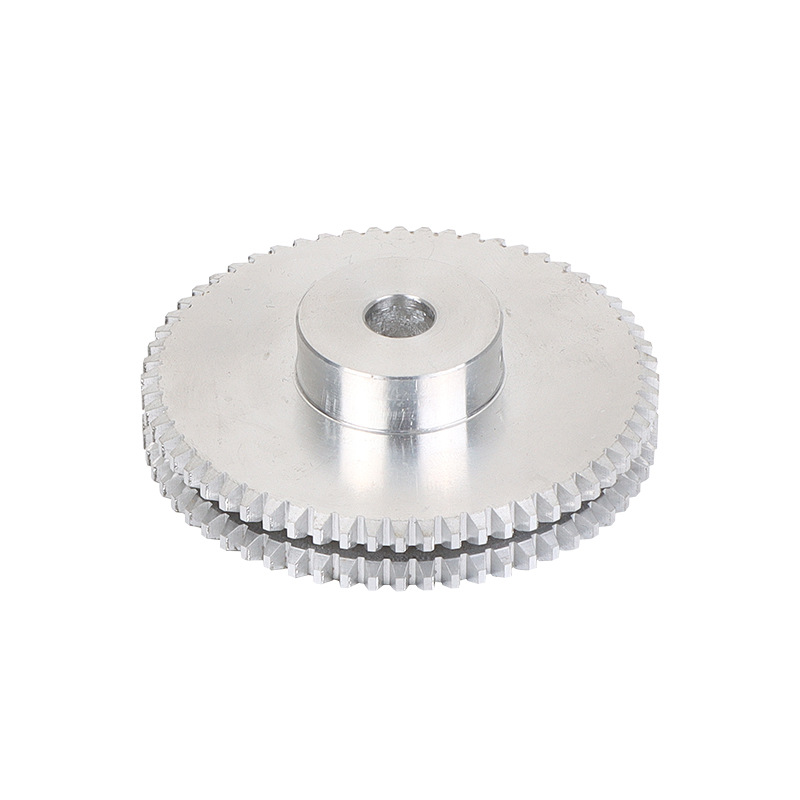
This contains additives like silicon carbide or boron. Hardness increases to 500–600 HV. It is used for high-wear components such as gears and tooling. Hard nickel plating withstands 50,000+ cycles in abrasive environments.
Bright Nickel Plating
This achieves a mirror-like finish without post-plating polishing. It is ideal for decorative applications like automotive trim and consumer goods. Bright nickel is often used under chrome plating to enhance corrosion resistance.
Sulfamate Nickel Plating
This uses a sulfamate electrolyte. It produces low-porosity, ductile coatings. It suits aerospace components and molds requiring high precision, as it minimizes internal stresses.
Composite Nickel Plating
This embeds particles within the nickel layer. Examples include PTFE for lubricity or aluminum oxide for wear resistance. These coatings combine nickel's properties with added benefits for bearings and sliding parts.
How Does Nickel Plating Compare to Other Treatments?
Different surface treatments offer varying levels of hardness, corrosion resistance, and cost. The table below shows how nickel plating stacks up:
| Feature | Nickel Plating | Chrome Plating | Zinc Plating |
|---|---|---|---|
| Hardness (HV) | 300–600 | 800–1000 | 50–100 |
| Corrosion Resistance (Salt Spray) | 500–1000+ hours | 200–500 hours | 100–500 hours |
| Wear Resistance | Excellent | Excellent | Poor |
| Aesthetic Appeal | High (bright, smooth) | Very high (blue-white) | Moderate (dull gray) |
| Cost | Moderate | High | Low |
| Thickness Range | 1–100 μm | 1–50 μm | 5–25 μm |
A real-world example: a hydraulic equipment manufacturer needed cylinders that could withstand saltwater exposure. Zinc plating failed after 18 months. Chrome plating was cost-prohibitive for large components. Electroless nickel plating with 12% phosphorus provided 1000+ hours of salt spray resistance and lasted 8 years in service—at 40% less cost than chrome.
What Properties Make Nickel-Plated Surfaces Valuable?
The properties of nickel-plated surfaces make the process indispensable for diverse applications.
High Hardness
Hard nickel plating reaches 500–600 HV. This is significantly harder than untreated steel (200–300 HV). It resists abrasion in high-friction components like piston rings and hydraulic rods.
Corrosion Resistance
Nickel forms a passive oxide layer—NiO—that protects against rust and chemicals. Electroless nickel plating with 10–15% phosphorus offers exceptional resistance. It withstands 1000+ hours of salt spray testing (ASTM B117).
Magnetic Properties
Most nickel plating is ferromagnetic. However, high-phosphorus electroless nickel (10%+ phosphorus) is non-magnetic. This is critical for electronics and medical devices where magnetism causes interference.
Aesthetic Appeal
Bright nickel plating provides a smooth, reflective finish with Ra <0.1 μm. It enhances product appearance significantly. Its uniform texture and resistance to tarnishing make it a staple for decorative applications.
Dimensional Accuracy
Nickel plating can be controlled to ±5% of target thickness. This allows precise restoration of worn parts. For example, a 20 mm shaft can be rebuilt with a 0.05 mm nickel layer to meet original dimensions.
Adhesion
Proper pre-treatment—cleaning and etching—ensures strong bonding. Substrates like steel, aluminum, and copper achieve adhesion strengths of 15–40 MPa. Tape and bend tests verify that coatings do not flake.
Chemical Resistance
Nickel resists acids, alkalis, and organic solvents. Plated parts suit chemical processing equipment and medical devices requiring sterilization.
Where Is Nickel Plating Used?
Nickel plating solves unique challenges across industries.
Automotive Industry
Electroless nickel plating protects fuel injectors and brake components from corrosion. Bright nickel under chrome enhances the appearance and durability of bumpers and wheels.
Case example: A European automaker switched to electroless nickel for fuel system components. Corrosion-related warranty claims dropped by 65%, and the company saved €2.5 million annually in replacement costs.
Aerospace
Sulfamate nickel plating coats turbine blades and fasteners. It offers high strength and corrosion resistance in extreme temperatures and pressures.
Electronics
Nickel-plated connectors and PCBs ensure reliable conductivity and corrosion resistance. Non-magnetic high-phosphorus nickel is used in sensitive components like sensors and hard drives.
Medical Devices
Surgical instruments and implants use electroless nickel plating for corrosion resistance and biocompatibility. The smooth surface prevents bacterial buildup, critical for patient safety.
Tooling and Molds
Nickel-plated injection molds resist wear from plastic flow. Tool life extends by 2–3 times. Composite nickel with PTFE improves release properties, reducing the need for mold release agents.
Marine Industry
Boat hardware—hinges, cleats, and propellers—use nickel plating to resist saltwater corrosion. This maintains functionality in harsh marine environments.
What Equipment and Processes Are Involved?
The nickel plating process requires precise control to ensure quality coatings.
Pre-Treatment Processes
Pre-treatment is critical for adhesion. Steps include:
- Degreasing: Removes oils and contaminants
- Acid etching: Roughens steel surfaces
- Activation: Uses hydrochloric acid to prepare the surface
For aluminum, zincating creates a base layer for nickel to bond.
Electrolyte Solutions
- Electrolytic nickel: Uses sulfate or chloride-based solutions
- Electroless nickel: Uses a nickel salt bath with a reducing agent (sodium hypophosphite) and stabilizers
Plating Tanks
Tanks are made of PVC or polypropylene—resistant to electrolytes. Sizes range from 0.5 m³ for small parts to 5 m³ for industrial components. Heating systems maintain optimal temperatures between 40–90°C, depending on the process.
Anodes
- Electrolytic nickel: Uses soluble nickel anodes (99.9% pure) to replenish nickel ions
- Composite plating: Uses inert anodes like titanium to avoid contaminating the electrolyte
Power Supplies
DC rectifiers deliver current densities of 1–10 A/dm² for electrolytic nickel. Precise control ensures uniform coating thickness.
Agitation Systems
Air sparging or mechanical stirring ensures even electrolyte distribution. This prevents concentration gradients that can cause uneven plating on complex shapes.
Post-Treatment Processes
Parts are:
- Rinsed: To remove excess electrolyte
- Dried: To prepare for further processing
- Heat-treated: Electroless nickel may be baked at 200–400°C to increase hardness
How Do You Ensure Quality and Maintain Equipment?
Proper maintenance and quality control ensure consistent, high-performance nickel plating.
Equipment Maintenance
- Anodes: Inspected weekly for corrosion
- Tanks: Cleaned monthly to remove sludge
- Power supplies: Calibrated quarterly for accurate current delivery
Solution Maintenance
- Electrolyte concentration: Tested daily for nickel ions, pH, and additives
- Reducing agent levels: Monitored for electroless nickel to maintain deposition rate
Surface Inspection
Visual checks identify defects like pits, cracks, or uneven color. Microscopic examination at 100x magnification detects porosity, which can compromise corrosion resistance.
Thickness Measurement
X-ray fluorescence (XRF) or micrometers measure coating thickness:
- Decorative nickel: 5–20 μm
- Industrial applications: 20–100 μm
Adhesion Testing
The cross-cut test (ASTM D3359) or bend test (ASTM B571) checks bonding. No flaking indicates good adhesion, critical for long-term performance.
Environmental Compliance
- Wastewater: Treated to reduce nickel levels below 0.1 mg/L before discharge
- Spent electrolytes: Recycled to recover nickel, minimizing waste
Safety Protocols
Workers use PPE—gloves and goggles—to avoid contact with nickel salts, which can cause skin irritation. Ventilation systems remove fumes, ensuring compliance with OSHA standards (29 CFR 1910.1000 for nickel exposure).
Yigu Technology’s Perspective
As a leading custom manufacturing supplier in China, Yigu Technology offers electrolytic and electroless nickel plating for diverse industries.
Our electroless nickel with 12–15% phosphorus achieves 1000+ hours of salt spray resistance. This is ideal for marine and chemical equipment. For automotive clients, bright nickel plating under chrome ensures both durability and shine.
We use XRF for thickness control within ±5% and adhesion testing to guarantee quality. Our closed-loop systems recycle nickel, meeting strict environmental standards.
Nickel plating's versatility—combining corrosion resistance, hardness, and aesthetics—makes it a go-to solution. We tailor processes to each client's unique needs for optimal results.
Conclusion
Nickel plating delivers a powerful combination of corrosion resistance, wear protection, and aesthetic appeal for metal components. It solves the limitations of untreated surfaces by providing a hard, durable barrier that extends part life by 2–5 times in harsh environments. From electroless nickel that uniformly coats complex geometries to bright nickel that creates mirror-like finishes, this versatile surface treatment serves critical roles across automotive, aerospace, medical, and electronics industries. With precise thickness control, strong adhesion, and environmentally responsible processes, nickel plating remains a cost-effective solution for manufacturers seeking to enhance both performance and appearance. Whether protecting fuel injectors from corrosion or extending tool life in high-wear applications, nickel plating delivers measurable, lasting value.
FAQs
How long does nickel plating last?
Lifespan depends on application and environment. Electroless nickel on marine parts lasts 5–10 years in saltwater. Bright nickel on consumer goods lasts 10+ years indoors. Hard nickel on tooling withstands 50,000+ cycles in abrasive conditions.
Is nickel plating suitable for food-contact surfaces?
Yes. Electroless nickel plating with low phosphorus (2–5%) meets FDA standards for food contact. It is non-toxic and resists corrosion from food acids. Common applications include food processing equipment and utensils.
Can nickel plating be applied to non-metal surfaces?
Yes. Non-conductive materials like plastics are first coated with a conductive layer—carbon or copper—via electroless plating. Nickel is then applied. This is common in electronics housings and decorative plastic components.
What is the difference between electrolytic and electroless nickel plating?
Electrolytic nickel plating uses an electric current to deposit nickel. It is faster and less expensive but provides uneven coverage on complex shapes. Electroless nickel plating uses a chemical reaction without electricity. It deposits uniformly on all surfaces, including blind holes and internal passages, and offers superior corrosion resistance.
Does nickel plating increase the hardness of the underlying metal?
Yes, but indirectly. The nickel coating itself is hard—500–600 HV for hard nickel. This hard surface layer protects the softer substrate from wear and abrasion. The underlying metal retains its original properties, but the composite structure resists damage far better than uncoated material.
Contact Yigu Technology for Custom Manufacturing
Looking to enhance the durability, corrosion resistance, or appearance of your metal components? Yigu Technology specializes in custom nickel plating solutions tailored to your industry—whether automotive, aerospace, medical, or electronics. Our electrolytic and electroless nickel processes deliver consistent, high-quality coatings with strict thickness control and adhesion testing. Contact us today to discuss your project requirements and receive a customized manufacturing proposal.