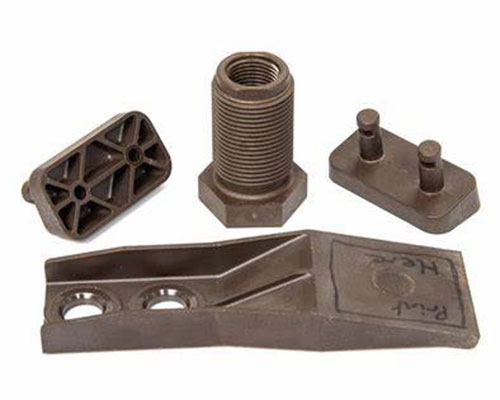
Learn how surface treatment zinc plating delivers cost-effective rust prevention that extends the life of metal components across industries.
Introduction
Manufacturers and engineers know the frustration of metal parts rusting prematurely. A steel fastener in a car chassis might corrode within months. A construction bolt could weaken from oxidation in a year. Electrical components might fail due to rust. All these problems lead to expensive replacements, safety risks, and costly downtime.
What is needed is a budget-friendly solution that delivers reliable corrosion protection across diverse environments. This is where surface treatment zinc plating stands out. By depositing a layer of zinc onto metal substrates, zinc plating creates a robust barrier against rust. It offers sacrificial protection that extends part life dramatically.
In this guide, you will learn how zinc plating solves corrosion challenges, what types exist, and how to leverage it for durable, cost-effective results.
What Is Zinc Plating?
Zinc plating is an electrochemical process. It deposits a thin layer of zinc onto a metal surface—typically steel or iron. The zinc acts as a barrier and provides sacrificial protection.
Sacrificial protection means the zinc corrodes first. It protects the underlying metal from rust. Even if the coating is scratched, the zinc around the scratch will corrode instead of the steel.
How Does Zinc Plating Compare to Other Coatings?
Zinc plating offers a unique balance of cost and performance. The table below shows how it stacks up against alternatives:
| Feature | Zinc Plating | Nickel Plating | Chrome Plating | Paint |
|---|---|---|---|---|
| Corrosion Resistance | Good to excellent | Excellent | Excellent | Fair to good |
| Sacrificial Protection | Yes | No | No | No |
| Typical Thickness | 5-25 μm | 10-50 μm | 5-20 μm | 25-100 μm |
| Cost | Low | Moderate | High | Moderate |
| Appearance | Bright to matte | Bright, yellow | Mirror-like | Unlimited |
This comparison shows why zinc plating is so widely used. It offers solid corrosion protection at a fraction of the cost of nickel or chrome.
What Types of Zinc Plating Exist?
Different methods suit different part sizes, geometries, and performance needs.
Electrolytic Zinc Plating
This is the most common type. It uses an electric current to deposit 5 to 25 μm zinc layers. It is ideal for small to medium parts like bolts, nuts, and electrical connectors. It offers precise thickness control and uniform coverage.
Hot-Dip Galvanizing
This method submerges steel parts in molten zinc at 450°C. It creates a thick 50 to 150 μm zinc-iron alloy layer. It is used for large components like structural beams and pipe fittings. It provides robust protection in harsh outdoor environments.
Mechanical Plating
This tumbles parts with zinc powder, glass beads, and chemicals. The mechanical energy bonds zinc particles to the surface. It is suitable for delicate parts like threaded fasteners that cannot withstand high heat or electricity.
Zinc-Nickel Alloy Plating
This deposits a 10 to 15% nickel zinc alloy. It offers superior corrosion resistance—2 to 3 times better than pure zinc. It is used in automotive and aerospace applications. It withstands 1,000+ hours of salt spray testing (ASTM B117).
Electroless Zinc Plating
This uses chemical reactions with no electricity. It ensures uniform coverage on complex shapes with recesses or blind holes. It is less common than electrolytic methods but valuable for intricate components.
Diffusion Plating
This heats zinc-coated parts to bond zinc with the substrate. It forms a zinc-iron alloy layer. This enhances adhesion and wear resistance. It is suitable for high-stress components like gears.
What Properties Can You Expect?
Zinc-plated surfaces offer distinct advantages for corrosion protection.
Corrosion Resistance
Zinc forms a protective oxide layer (ZnO) that blocks moisture and oxygen from reaching the substrate. This layer slows down corrosion significantly.
Sacrificial Protection
Zinc has a more negative electrochemical potential than steel. In the presence of moisture, zinc acts as an anode and steel as a cathode. This means zinc corrodes first, preserving the underlying metal. This property is unique to zinc and a few other metals.
Aesthetic Appeal
Zinc plating can be bright (mirror-like) or matte. Post-treatments like chromating add color options—clear, yellow, or black. Bright zinc enhances the appearance of consumer goods and automotive trim.
Dimensional Accuracy
Electrolytic zinc plating controls thickness to ±10%. Typical layers are 5 to 25 μm—thin enough to avoid affecting part fit in assemblies. Threaded fasteners, for example, maintain their intended dimensions.
Adhesion
Proper pre-treatment ensures zinc bonds strongly to steel. Adhesion strengths range from 10 to 30 MPa. Tests like the bend test (ASTM B571) confirm no flaking or peeling.
Chemical Resistance
Zinc resists mild acids, alkalis, and atmospheric pollutants. Plated parts are suitable for urban, industrial, and rural environments. Post-treatments like passivation enhance resistance to salts and chemicals.
Where Is Zinc Plating Used?
Zinc plating solves corrosion challenges across industries.
Automotive Industry
Over 80% of automotive fasteners use zinc plating. Bolts, nuts, and clips resist road salts and moisture. Zinc-nickel alloy plating protects brake components and undercarriage parts. These withstand 1,000+ hours of salt spray.
Construction
Structural steel, roofing bolts, and fence hardware rely on hot-dip galvanizing for outdoor durability. Zinc-plated rebar prevents corrosion in concrete. This extends building lifespan by decades.
Electrical Components
Connectors, terminals, and switchgear use zinc plating. It ensures conductivity and resists corrosion. The thin, uniform coating does not interfere with electrical contact.
Consumer Goods
Appliances like refrigerators and washing machines use zinc plating. Furniture hardware and tools also benefit. Clear chromated zinc maintains a bright finish in indoor environments.
Marine Industry
Zinc-plated parts like boat hinges and dock hardware resist saltwater corrosion. For long-term exposure, zinc-nickel alloys are preferred.
Aerospace
Zinc-nickel plating protects aircraft fasteners and brackets from corrosion at high altitudes. It meets strict industry standards for weight and performance.
A Real-World Case Study
A construction equipment manufacturer faced repeated failures. Steel bolts used in excavator undercarriages were rusting within 18 months. The rust caused bolts to seize, making maintenance difficult and dangerous.
The bolts previously had a basic zinc plating with clear chromate. Thickness was inconsistent—ranging from 5 to 15 μm across batches. Salt spray testing showed failure at 200 hours.
The manufacturer switched to zinc-nickel alloy plating with yellow chromate passivation. Key changes included:
- 12 μm minimum thickness with ±5% tolerance
- Nickel content controlled at 12%
- Salt spray testing required 1,000 hours minimum
The results were dramatic. Bolts now resist corrosion for 5+ years in the field. Maintenance costs dropped by 60%. The upfront cost per bolt increased by $0.08, but total lifecycle savings exceeded $200,000 annually.
This example shows how investing in a higher-performance zinc plating can pay for itself many times over.
What Equipment Is Needed?
Consistent zinc plating requires specialized equipment.
Pre-treatment Equipment
Parts must be cleaned thoroughly. This includes:
- Degreasing tanks: Remove oils and grease
- Acid pickling tanks: Remove rust and scale
- Rinse tanks: Deionized water ensures no contamination
Plating Tanks
Tanks are made of PVC or polypropylene. They resist zinc electrolytes. Sizes range from small barrels for fasteners to large vats for automotive parts. Heating systems maintain temperatures at 20 to 50°C.
Anodes
Electrolytic zinc uses high-purity zinc anodes (99.9% Zn). These replenish zinc ions in the electrolyte. Inert anodes like titanium are used for zinc-nickel alloy plating.
Power Supplies
DC rectifiers deliver current densities of 1 to 10 A/dm². Higher densities allow faster plating. Precise control ensures uniform thickness across parts.
Agitation Systems
Air sparging or mechanical stirring keeps the electrolyte mixed. This prevents concentration gradients. It is critical for barrel plating of small parts like screws.
Post-treatment Equipment
After plating, parts undergo:
- Rinsing: Removes excess electrolyte
- Passivation: Chromic acid or trivalent chromium enhances corrosion resistance
- Drying: Ovens at 60 to 80°C prevent water spots
How Do You Ensure Quality?
Proper maintenance and quality control are essential for reliable results.
Equipment Maintenance
Anodes are inspected weekly for corrosion. Tanks are cleaned monthly to remove sludge. Barrel plating equipment requires regular checks for proper rotation. This ensures uniform coating.
Solution Maintenance
Electrolyte concentration is tested daily. Key parameters include:
- Zinc ion concentration
- pH level
- Additive levels like brighteners
Additives are replenished to maintain coating quality and plating rate.
Surface Inspection
Visual checks identify defects like pits, uneven coverage, or discoloration. Microscopic examination at 50x magnification detects porosity. Porosity can reduce corrosion resistance.
Thickness Measurement
X-ray fluorescence (XRF) or magnetic gauges measure coating thickness. Requirements vary by application:
- Automotive fasteners: 8 to 12 μm
- Hot-dip galvanizing: 50 to 100 μm
Adhesion Testing
The cross-cut test (ASTM D3359) or impact test ensures good bonding. No flaking indicates good adhesion. This is critical for long-term performance.
Environmental Compliance
Wastewater is treated to precipitate zinc. The recovered zinc is recycled. Spent electrolytes are processed to recover zinc. This reduces waste and costs.
How Does Zinc Plating Support Sustainability?
Environmental considerations increasingly drive manufacturing decisions. Zinc plating has evolved to meet these demands.
Modern zinc plating uses trivalent chromium passivation. This replaces toxic hexavalent chromium. It is safer for workers and the environment.
Closed-loop systems recycle zinc from wastewater. Zinc levels are reduced to below 2 mg/L before discharge. This meets global standards like REACH and RoHS.
The sacrificial nature of zinc also supports sustainability. Parts last longer, reducing the need for replacements. This conserves raw materials and energy over the product lifecycle.
Conclusion
Zinc plating delivers where cost and reliability matter most. It offers sacrificial protection that other coatings cannot match. It is affordable, versatile, and proven across industries.
Whether you need fasteners for automotive assembly, structural steel for construction, or connectors for electronics, zinc plating provides a dependable solution. The investment is modest compared to the cost of corrosion-related failures.
By understanding the types, properties, and quality requirements, you can make informed decisions that protect your products and your bottom line.
FAQs
How long does zinc plating last?
Lifespan depends on the environment. Indoor parts last 10+ years. Outdoor zinc-plated fasteners last 5 to 8 years. Zinc-nickel alloy in marine environments lasts 8 to 12 years. Hot-dip galvanizing can protect structural steel for 20+ years.
Can zinc plating be used on aluminum or copper?
Zinc plating works on aluminum with a zincate pre-treatment to improve adhesion. On copper, it is possible but less common. Copper often uses nickel plating instead, as zinc can cause galvanic corrosion with copper in some environments.
Is zinc plating environmentally friendly?
Modern zinc plating uses trivalent chromium passivation, which is safer than hexavalent chromium. Recycling systems recover zinc from wastewater. This meets global standards like REACH and RoHS, making it an eco-friendly choice.
What is the difference between zinc plating and galvanizing?
Zinc plating is an electrolytic process. It applies a thin layer of 5 to 25 μm. It is used for smaller parts like fasteners. Galvanizing is hot-dip process. It applies a thicker layer of 50 to 150 μm. It is used for larger parts like structural steel.
Does zinc plating affect thread fit on fasteners?
Electrolytic zinc plating adds 5 to 25 μm to surfaces. On threads, this affects fit if not accounted for. Manufacturers typically apply thinner coatings—5 to 12 μm—to threaded fasteners. Pre-plated threads are sometimes undersized to compensate.
Contact Yigu Technology for Custom Manufacturing
At Yigu Technology, we offer electrolytic zinc plating and zinc-nickel alloy plating for diverse clients. Our zinc-nickel coatings achieve 1,000+ hours of salt spray resistance. They are ideal for automotive and marine parts.
For standard fasteners, our electrolytic zinc with trivalent chromate passivation balances cost and performance. We meet ISO 9227 standards. We use XRF for thickness control with ±5% tolerance. Regular salt spray testing ensures quality.
Our closed-loop systems recycle zinc, aligning with environmental regulations. Zinc plating's affordability and reliability make it a staple for corrosion protection. We tailor processes to each client's needs—from small fasteners to large structural parts.
Ready to protect your metal components? Contact Yigu Technology today to discuss your zinc plating requirements.