Introduction
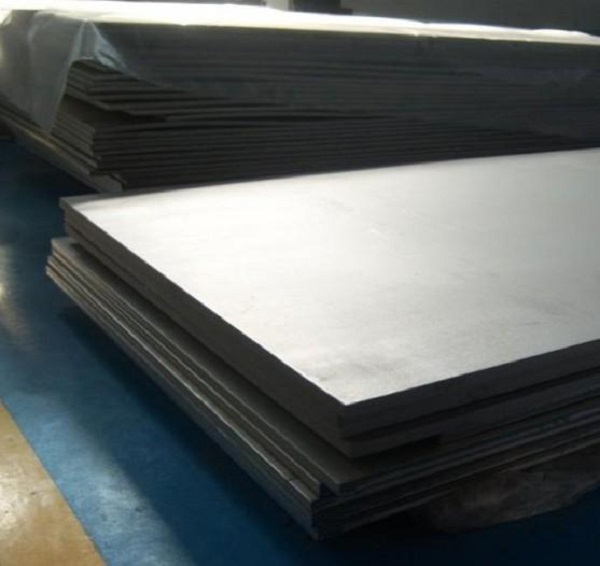
4x8 sheet metal is everywhere. It forms the outer casing of your refrigerator. It shapes the ductwork in office buildings. It even makes up parts of the car you drive. With dimensions of 4 feet by 8 feet (about 1.22 meters by 2.44 meters), this standard size is a cornerstone in manufacturing and construction. But choosing the right type can be tricky. Different metals offer different strengths, weights, and costs. In this guide, we will cover everything you need to know—from material basics to practical tips—so you can pick the perfect sheet for your project.
What Are the Basics of 4x8 Sheet Metal?
Dimensions and Thickness
The standard 4x8 sheet metal measures 4 feet wide and 8 feet long. This size is popular because it is easy to transport, store, and work with. Many suppliers also offer custom sizes if your project requires something different.
Thickness varies widely based on the application:
| Thickness Range | Typical Use |
|---|---|
| 0.01–0.03 inches (0.25–0.76 mm) | Lightweight applications, electronics, decorative panels |
| 0.03–0.125 inches (0.76–3.18 mm) | General fabrication, enclosures, automotive parts |
| 0.125–0.5 inches (3.18–12.7 mm) | Structural components, machinery frames |
| 0.5–1 inch (12.7–25.4 mm) | Heavy-duty industrial use, load-bearing supports |
Dimensional tolerance matters. For high-precision work, tolerances can be as tight as ±0.005 inches (±0.127 mm) . For general use, ±0.01 inches (±0.254 mm) is common.
Common Materials Used
Three main materials dominate the 4x8 sheet metal market. Each has unique properties.
Stainless Steel
This alloy contains at least 10.5% chromium. The chromium forms a thin oxide layer that blocks rust. Grade 304 is the most common. It works well for kitchen appliances and architectural trim. Grade 316 adds molybdenum for extra corrosion resistance, making it ideal for marine and chemical environments.
Aluminum
Aluminum weighs about one-third of steel. That makes it a top choice for aerospace and automotive applications where weight matters. It also resists corrosion naturally. A thin aluminum oxide layer forms on the surface, protecting the metal underneath.
Carbon Steel
This is an alloy of iron and carbon. Carbon content ranges from 0.05% to 2.1%. Low-carbon steel (under 0.3% carbon) is soft and ductile. It is affordable and easy to work with. However, it rusts easily and usually needs a protective coating.
How Do Different Materials Compare?
Choosing the right material affects performance, cost, and longevity. Here is a side-by-side comparison for a 1-mm thick sheet:
| Material | Approximate Cost (per sq ft) | Tensile Strength (MPa) | Corrosion Resistance | Weight (kg/m²) |
|---|---|---|---|---|
| Stainless Steel (304) | $5–$10 | 515–795 | Excellent | 7.93 |
| Aluminum | $3–$8 | 69–483 (varies by alloy) | Good | 2.7 |
| Carbon Steel (Low) | $2–$5 | 300–500 | Poor (rusts easily) | 7.85 |
Stainless steel offers the best corrosion resistance. It is ideal for outdoor use, food processing, and marine applications. But it comes at a higher cost.
Aluminum is the lightweight champion. It works well where weight reduction is critical, such as in aircraft components or automotive body panels. Its cost falls in the middle range.
Carbon steel is the most budget-friendly option. It provides good strength but requires coatings like paint or galvanization to prevent rust. Use it indoors or in dry environments.
Real-world example: A commercial kitchen needed custom countertops. They chose 304 stainless steel 4x8 sheets. The material resists food acids and cleans easily. After five years of daily use, the surfaces showed no rust or staining.
How Do You Work with 4x8 Sheet Metal?
Cutting and Shaping
Working with 4x8 sheets requires the right tools and techniques.
- Laser cutting: Offers precision up to ±0.05 mm. Ideal for complex shapes and tight tolerances.
- Shearing: A cost-effective method for straight cuts on large sheets.
- CNC bending: Provides angle accuracy of ±0.1 degree. Handles complex bends and multiple angles.
Case study: An electronics manufacturer needed enclosures with precise cutouts. Using laser cutting on 4x8 aluminum sheets, they achieved tolerances of ±0.1 mm. The parts fit perfectly, reducing assembly time by 15%.
Forming and Joining
Bending and welding are common next steps.
- Bending: Always follow the grain direction. Bending across the grain reduces cracking risk.
- Welding: Stainless steel and carbon steel weld easily with MIG or TIG. Aluminum requires more skill and higher-frequency equipment.
Pro tip: For carbon steel, apply a protective coating immediately after welding. The heat can burn off existing coatings, leaving bare metal exposed to rust.
What Should You Consider When Choosing?
Application and Environment
Start with where and how the part will be used.
- Outdoor or wet environments: Choose stainless steel or galvanized steel.
- Weight-sensitive projects: Aluminum is your best bet.
- Indoor, budget-focused work: Carbon steel with paint or powder coating works well.
Thickness and Strength
Thicker sheets handle heavier loads. But they also cost more and require more powerful equipment to process.
- Thin sheets (0.01–0.03 inches): Easy to cut and form. Good for decorative or light-duty parts.
- Medium sheets (0.03–0.125 inches): Balance strength and workability. Common in enclosures and automotive panels.
- Thick sheets (0.125–1 inch): High strength. Used for structural supports and heavy machinery.
Cost and Longevity
Consider the total cost of ownership. A cheaper material may require coatings, maintenance, or early replacement. A higher upfront cost for stainless steel can pay off over decades of trouble-free service.
Yigu Technology’s Perspective
At Yigu Technology, we specialize in custom 4x8 sheet metal fabrication. Our high-precision laser cutters achieve accuracy up to ±0.05 mm. Our CNC bending machines maintain angle accuracy of ±0.1 degree, even for complex parts.
Our team brings an average of over 10 years of industry experience. We help clients select the right material, optimize designs for manufacturability, and control costs without sacrificing quality.
Example: A client needed custom brackets for a solar panel installation. They initially considered carbon steel to save money. We advised aluminum instead—it offered corrosion resistance for outdoor use and weighed less, simplifying installation. The final project stayed on budget and performed reliably for years.
We also offer comprehensive services from design to delivery. Using 3D modeling software, we create detailed prototypes so you can see the final product before production begins. Quality checks happen at every stage, from raw material inspection to final testing.
Conclusion
4x8 sheet metal is a versatile, widely available material. Its standard size makes it easy to source and work with. The key is choosing the right material for your specific needs. Stainless steel offers durability and corrosion resistance. Aluminum provides lightweight strength. Carbon steel delivers cost-effective performance for indoor applications. By understanding these differences and working with an experienced fabrication partner, you can ensure your project succeeds.
FAQ
What is the best material for outdoor applications?
Stainless steel (grades 304 or 316) is the top choice for outdoor use. Its chromium oxide layer prevents rust even in rain, humidity, and salt air. Galvanized steel is another option. Its zinc coating sacrifices itself to protect the underlying metal.
How do I choose the right thickness?
Match thickness to the load and environment. For light-duty work like storage boxes or decorative panels, 0.03–0.06 inches works well. For structural supports or machinery frames, go with 0.25–1 inch. Thicker sheets offer more strength but cost more and require heavier equipment.
Can 4x8 sheet metal be recycled?
Yes. All common metals—stainless steel, aluminum, and carbon steel—are 100% recyclable. Recycling uses significantly less energy than mining and refining new metal. For aluminum, recycling saves about 95% of the energy required for primary production.
What is the difference between 304 and 316 stainless steel?
304 is the standard grade. It resists corrosion well in most environments. 316 adds molybdenum, which improves resistance to chlorides like salt. Use 316 for coastal areas, marine applications, or chemical processing.
Do I need to coat carbon steel?
Yes, unless it stays in a completely dry indoor environment. Carbon steel rusts quickly when exposed to moisture. Apply paint, powder coating, or galvanization to protect it.
Contact Yigu Technology for Custom Manufacturing
At Yigu Technology, we deliver precision fabrication for 4x8 sheet metal and beyond. From prototyping to full production, our experienced team ensures quality, accuracy, and on-time delivery. [Contact us today] to discuss your project and get a tailored manufacturing solution.