Finding the right partner for sheet metal work can make or break your project. Sheet metal contractors handle everything from cutting and bending to installation. This guide explains what they do, what services they offer, and how to select the right one for your needs.
Introduction
Sheet metal contractors are specialists who work with thin, flat metal sheets. They cut, shape, fabricate, and install components for buildings, industrial facilities, and custom products. Their work appears in HVAC systems, roofing, enclosures, and countless other applications.
Choosing the right contractor matters. A skilled contractor delivers quality work on time. The wrong choice leads to delays, leaks, and costly rework. This guide helps you understand what to look for.
What Do Sheet Metal Contractors Do?
Metal Plate Processing
Processing is the foundation of sheet metal work. Contractors cut, bend, and shape metal according to project requirements.
Cutting uses various methods:
- Laser cutting: Precision up to ±0.05mm; ideal for complex shapes
- Water jet cutting: No heat-affected zone; preserves material properties
- Punch press cutting: Fast for simple, repetitive shapes; high-volume production
For a commercial building ventilation system, hundreds of meters of ductwork may be required. Laser cutting ensures each piece fits precisely.
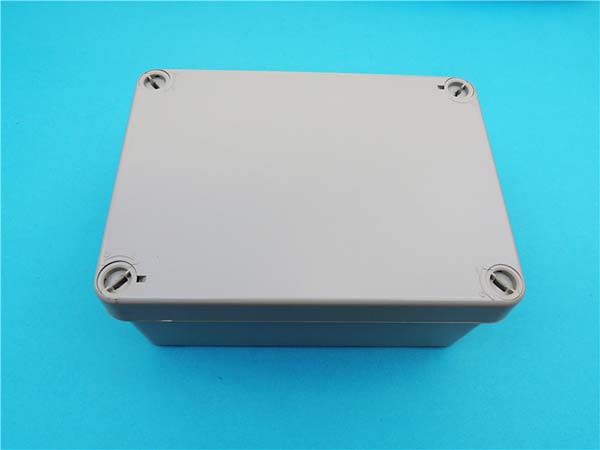
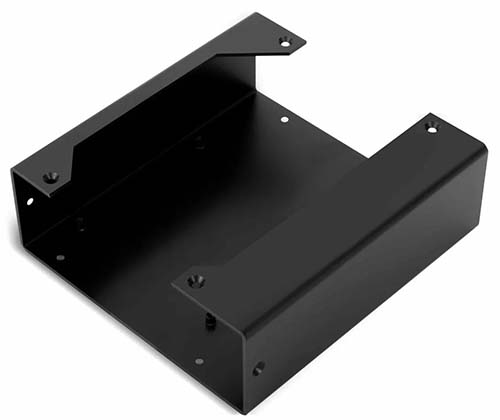
Bending creates three-dimensional forms. Press brakes apply force to create specific angles. A metal box forms from bending sheet metal at 90-degree angles. Skilled operators control bend radius to prevent cracking—especially important for harder metals like stainless steel.
Welding joins pieces together. TIG welding produces high-quality, aesthetically pleasing welds for decorative work or high-end appliances. MIG welding is faster for larger projects like industrial storage tanks.
Installation Work
Fabrication is only half the job. Proper installation ensures components perform as intended.
In construction, roofing installation requires careful planning. Panels are laid from eaves upward with proper overlap to prevent leaks. Industry statistics show that improper installation causes up to 30% more roof leaks. A skilled contractor follows strict guidelines, using correct fasteners and sealants.
For HVAC ductwork, ducts are measured, cut to fit the building layout, suspended from ceilings, and sealed at all joints. Efficient air circulation depends on proper installation.
In industrial facilities, installations can be complex. Dust collection systems require large-diameter ducts installed with correct slope for proper flow. Chemical plants need corrosion-resistant enclosures with special coatings and fasteners that withstand harsh environments.
Custom Fabrication
Many projects have unique requirements. Custom fabrication creates one-of-a-kind products.
Real-world example: A high-end restaurant needed custom ventilation hoods matching a modern industrial decor. The sheet metal contractor met with the owner and interior designer to understand the concept. Using CAD/CAM technology, they created 3D models showing different finishes and shapes. The final hoods featured brushed stainless steel finish with geometric patterns cut into the sides. The project met functional ventilation requirements while enhancing the restaurant’s visual appeal.
Key Services Offered
Metal Fabrication
| Service | Description | Typical Applications |
|---|---|---|
| Cutting | Laser, water jet, punch press | Precision shapes, high-volume production |
| Bending | Press brake forming | Boxes, enclosures, structural components |
| Welding | TIG, MIG, spot welding | Joining pieces, assemblies |
| Finishing | Polishing, coating, anodizing | Appearance, corrosion protection |
Installation
- Roofing systems: Panel installation, flashing, sealing
- HVAC ductwork: Suspension, joining, insulation
- Industrial systems: Dust collection, ventilation, equipment enclosures
- Architectural metalwork: Cladding, handrails, decorative elements
Customization
Custom fabrication starts with understanding client needs. Contractors use CAD/CAM software to create detailed models. Advanced technology allows precise cutting, shaping, and finishing to meet unique specifications.
How to Choose a Sheet Metal Contractor
Evaluate Experience and Expertise
Experience in similar projects matters. A contractor with a portfolio matching your project type and scale is more likely to succeed.
Project portfolio review: Look at past work. For a large-scale industrial project, a contractor who has fabricated machinery enclosures or large ventilation systems for factories brings relevant experience.
Industry research shows that contractors with over 5 years in a specific niche are 30% more likely to complete projects on time and within budget.
Industry-specific knowledge is critical. Aerospace contractors must understand high-strength, lightweight metals and strict quality standards. Food and beverage contractors should know food-grade, corrosion-resistant materials and hygienic processes.
Assess Equipment and Technology
Modern equipment improves quality and efficiency.
| Equipment | Benefit |
|---|---|
| Laser cutters | Precision to ±0.05mm; complex shapes |
| CNC press brakes | Consistent, accurate bending angles |
| CAD/CAM software | 3D modeling; reduces design time by up to 50% |
Real-world example: A contractor with advanced laser cutting produced electronic enclosures with cutouts accurate to ±0.05mm. A competitor using manual methods achieved only ±0.5mm. The precision difference affected component fit and final product quality.
Check Customer Reviews and Testimonials
Online platforms: Check Google Reviews, Yelp, and industry-specific forums. Positive reviews often highlight professionalism, quality, and timeliness. Negative reviews may reveal communication issues or quality problems.
Word-of-mouth recommendations: Personal referrals from colleagues or business associates provide reliable firsthand experience. They can tell you what to expect beyond what appears in reviews.
Consider Communication and Responsiveness
A good contractor communicates clearly. They answer questions promptly. They provide updates on progress. They flag potential issues before they become problems.
During initial discussions, note how they respond. Do they ask clarifying questions? Do they understand your requirements? Do they offer suggestions based on experience?
Yigu Technology’s Perspective
At Yigu Technology, we work alongside sheet metal contractors to deliver complete solutions. As a custom manufacturer of non-standard metal and plastic products, we see how collaboration benefits clients.
Material synergy: When a project requires both high-strength structural support and corrosion resistance, we might combine stainless steel sheet metal with plastic coatings. The contractor handles the metal fabrication; we provide the plastic components.
Process integration: For complex product enclosures, a sheet metal contractor creates the basic metal structure. We add plastic components for insulation or aesthetics. This combination delivers more comprehensive solutions than either partner alone.
Real-world example: A client needed outdoor equipment enclosures with both structural strength and electrical insulation. The sheet metal contractor fabricated stainless steel housings. We supplied custom plastic liners for electrical isolation. The combined solution met all requirements and performed reliably for years.
Conclusion
Sheet metal contractors provide essential services across construction, industrial, and custom fabrication projects. They cut, bend, weld, and install components that form the backbone of buildings, equipment, and systems.
When choosing a contractor, evaluate experience, equipment, and customer feedback. Look for relevant project history and industry-specific knowledge. Check that they use modern technology for precision and efficiency.
A skilled contractor becomes a valuable partner—delivering quality work on time and solving problems before they affect your project.
FAQ
What types of materials do sheet metal contractors usually work with?
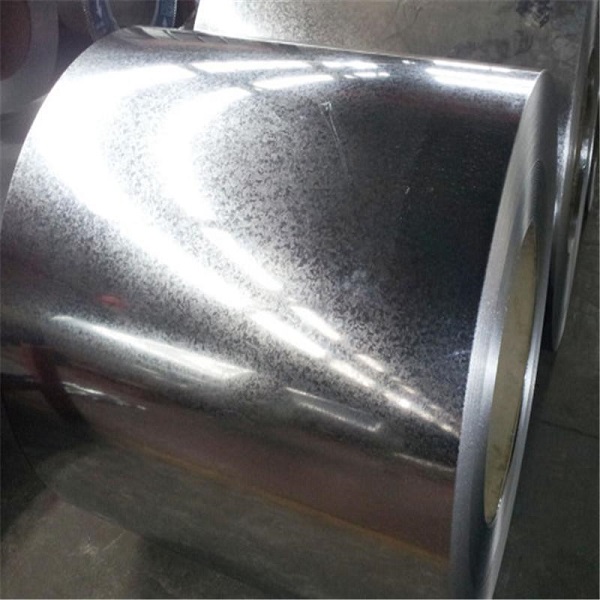
Stainless steel (corrosion-resistant, food-grade), aluminum (lightweight, thermally conductive), carbon steel (high strength, cost-effective), copper (electrical conductivity), and galvanized steel (corrosion protection). Material selection depends on application requirements, environment, and budget.
How long does a typical sheet metal project take?
Small residential projects like a simple metal chimney take 2–5 days. Medium commercial projects with moderate sheet metal work take 2–4 weeks. Large commercial projects like ductwork for multi-story buildings can take weeks or months. Complexity, quantity, and material availability all affect timelines.
Can sheet metal contractors handle small-scale projects?
Yes. Many contractors accept small projects like custom mailboxes, brackets, or repair work. Small projects offer quicker turnaround and lower costs. Ensure the contractor still applies quality standards and communicates clearly to meet your specific requirements.
What should I look for in a sheet metal contractor’s portfolio?
Look for projects similar to yours in type and scale. For industrial work, check for machinery enclosures or large ductwork. For commercial buildings, look for HVAC systems or roofing. For custom work, verify that previous custom projects demonstrate the level of detail and finish you expect.
Contact Yigu Technology for Custom Manufacturing
Need sheet metal components or complementary plastic parts for your project? Yigu Technology works alongside contractors to deliver complete solutions. From custom enclosures to specialized components, we provide quality and precision. [Contact us] to discuss your requirements.