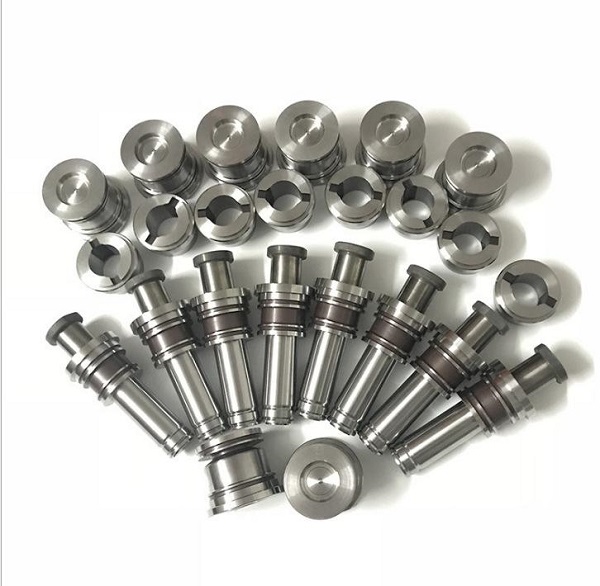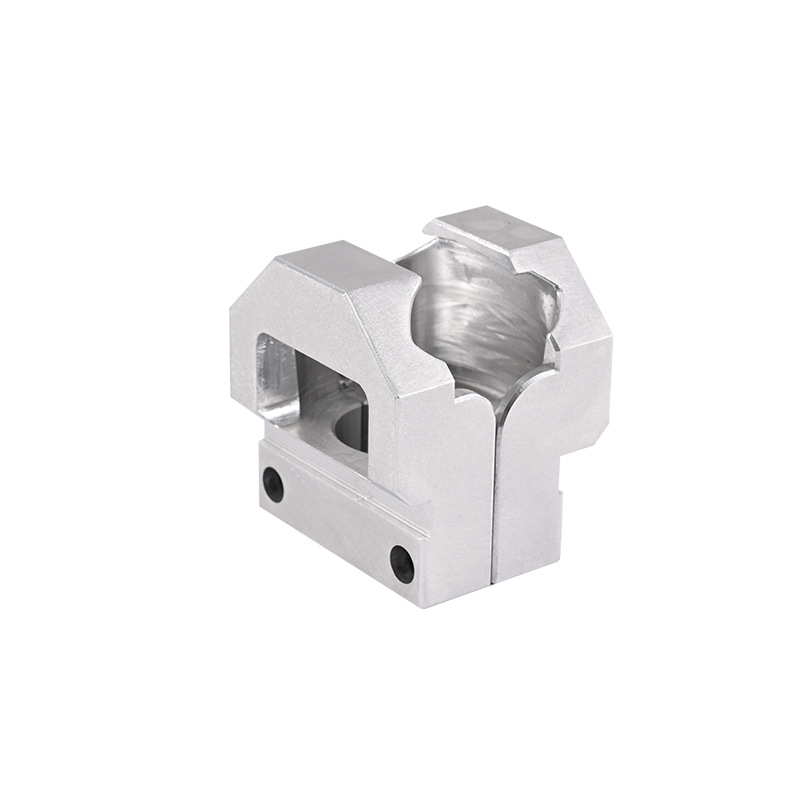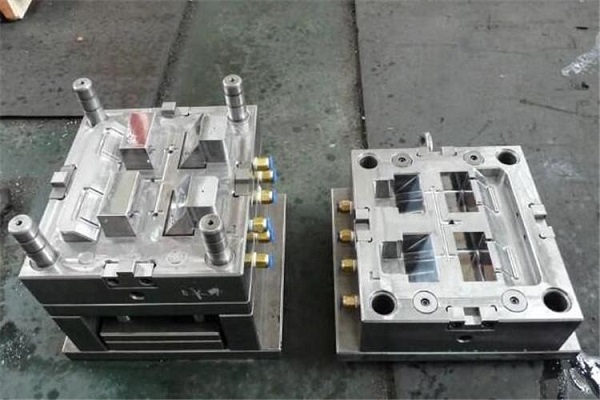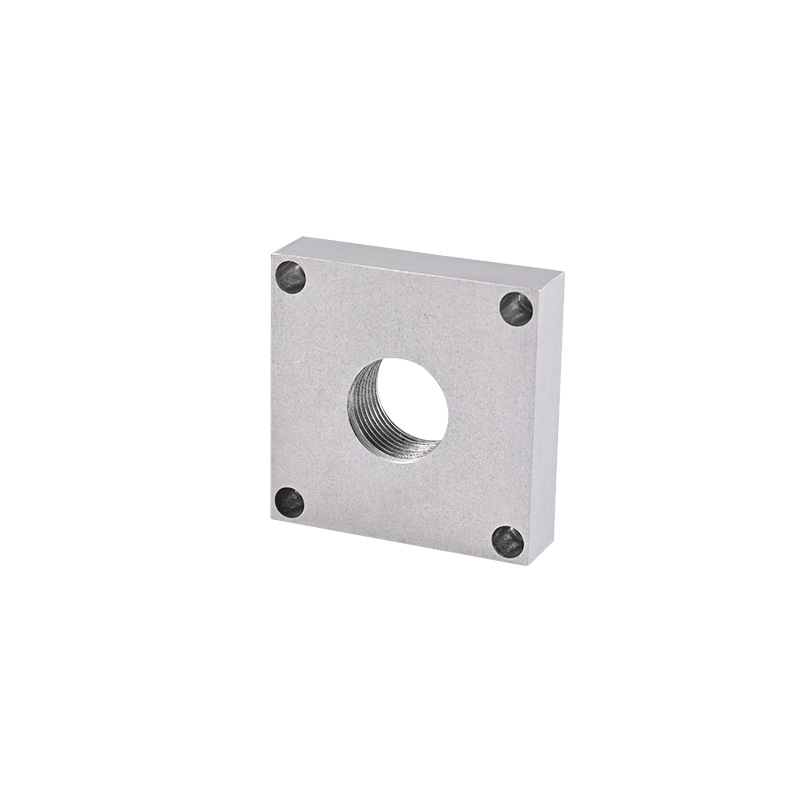
If you have a unique metal idea but are not sure how to bring it to life, custom metal fabricators hold the answer. They turn your concepts into real, high-quality products. Whether you need a single prototype or a large production run, these specialists handle it all. Unlike general shops that sell pre-made parts, custom fabricators focus on work built to your exact specifications, material choices, and industry standards. They help with design, cutting, welding, and finishing. The result is a product that meets your goals for durability, function, and appearance.
What Services Do Custom Metal Fabricators Offer?
Custom metal fabricators do far more than cut and bend metal. They provide end-to-end solutions that cover every phase of your project.
Design and Engineering Support
Many clients come with a basic concept, not a detailed blueprint. Good fabricators offer CAD (Computer-Aided Design) services. They refine your idea, run stress tests, and ensure the part can actually be manufactured.
A small agricultural business in Ohio once approached a fabricator with a grain bin bracket that kept breaking under heavy loads. The fabricator used 3D modeling to adjust the bracket’s thickness and weld points. After the redesign, failure rates dropped by 80% . That number came from the client’s own six months of performance tracking.
Metal Cutting
Cutting is the first physical step. The method depends on your material and how precise you need to be.
| Method | Best For | Typical Tolerance |
|---|---|---|
| Laser cutting | Tight tolerances, thin to medium metals | ±0.005 inches |
| Plasma cutting | Thick steel (up to 2 inches) | ±0.03 inches |
| Waterjet cutting | Heat-sensitive metals like aluminum | ±0.01 inches |
An automotive parts manufacturer recently hired a fabricator to laser-cut 5,000 aluminum brackets. Every cut was identical. They did not need any post-production trimming.
Forming and Shaping
After cutting, the metal gets bent, rolled, or stamped into its final shape. Press brakes create sharp angles for structural frames. Roll forming produces long, uniform shapes like gutters or railings.
A restaurant owner in Texas wanted custom counter edges. The fabricator rolled stainless steel to match the restaurant’s modern look. The edges came out smooth and food-safe, which is critical for commercial kitchens.
Welding and Assembly
This step joins individual metal pieces into one unit. Fabricators choose the technique based on the job.
- MIG welding: Fast, good for high-volume work
- TIG welding: Precise, clean welds on thin metals
- Stick welding: Heavy-duty steel, often for construction
A construction firm hired a fabricator to weld steel beams for a commercial building. All welds passed AWS (American Welding Society) certification. That was a non-negotiable requirement for the building code.
Finishing
Finishing protects the metal from corrosion and improves its appearance. Common options include painting, powder coating, galvanizing, and sandblasting.
A marine equipment company chose galvanizing for their custom parts. The zinc coating resists saltwater damage. It extended the parts’ lifespan by over five years compared to untreated metal.
How to Choose the Right Fabricator for Your Needs
Not all fabricators are the same. Picking the wrong one can cause delays, cost overruns, or poor quality. Use this structured approach to find the right partner.
Check Their Material Expertise
Different metals require different handling. A shop that specializes in steel may not have the tools or experience for delicate aluminum work.
If you need custom aluminum enclosures for electronics, look for a fabricator with a track record in aluminum. They will know to use TIG welding to avoid warping and anodizing for corrosion resistance. Ask to see past projects using your material. A reputable shop will share photos or client references.
Verify Industry Certifications
Certifications prove a fabricator meets strict quality and safety standards. Key ones include:
| Certification | What It Means |
|---|---|
| AWS | Welds are strong and reliable |
| ISO 9001 | Consistent quality management |
| AS9100 | Required for aerospace projects |
| ISO 13485 | Medical device quality standards |
| FDA Registration | Suitable for food-grade projects |
A fabricator working with medical device companies should hold ISO 13485. That certification guarantees their parts meet sterilization and biocompatibility requirements.
Evaluate Their Production Capacity
Your project’s size and timeline will dictate the capacity you need. If you require 10,000 parts in eight weeks, a small shop with one laser cutter may not keep up.
Ask these questions:
- What is your maximum production volume per week?
- Do you have backup equipment in case a machine breaks?
- Can you handle rush orders?
A Michigan fabricator recently helped a client meet a tight deadline. The client needed 2,000 steel brackets in two weeks for a product launch. The fabricator added a second shift and delivered on time. They had three laser cutters and five press brakes to make it happen.
Review Their Portfolio and Client Feedback
Past work reveals a fabricator’s skill level. Look for projects similar to yours. If you need custom industrial machinery parts, check whether they have worked with manufacturers in your sector.
Read reviews on platforms like Google or ask for client references. A happy client might say, “They caught a design flaw we missed, saving us $5,000 in rework.” That kind of feedback shows the fabricator is proactive, not just reactive.
Real-World Success Stories
Great fabricators deliver results that go beyond simply following a blueprint. Here are two examples.
Small Business Retail Display
A boutique clothing store in Colorado wanted a custom metal clothing rack. They had a sketch but no technical details. They hired a local fabricator who:
- Turned the sketch into a 3D CAD model and adjusted the height and weight capacity to hold over 50 garments
- Used powder coating in a matte brass finish to match the store’s decor
- Added hidden hardware to keep the design clean
The rack became a focal point of the store. Customers even asked where it came from. The fabricator also provided extra parts like replacement hooks, building long-term trust.
Industrial Equipment Replacement Part
A factory in Pennsylvania relied on a 20-year-old metal gear for their packaging machine. When the gear broke, the original manufacturer no longer made replacements. They contacted a fabricator who:
- Reverse-engineered the old gear using 3D scanning
- Recommended upgrading from mild steel to hardened steel, which would last three times longer
- Manufactured the gear in five days, faster than the factory’s two-week shutdown plan
The new gear fit perfectly and reduced machine downtime by 40% in the first year. This shows how custom fabrication can solve problems that seem unfixable.
Key Trends Shaping Custom Metal Fabrication
The industry is evolving. Staying aware of these trends can help you choose a forward-thinking fabricator.
Automation
More shops are using robots for repetitive tasks like welding and material loading. This reduces human error and speeds up production. One Indiana fabricator now uses robotic welding to complete 50% more projects per month than they did two years ago.
Sustainability
Clients are increasingly asking for eco-friendly options. Fabricators are responding by using recycled metals, which can reduce carbon emissions by 75% compared to virgin metal. Some also use water-saving finishing processes. An Oregon fabricator now offers a “green package” that includes recycled materials and zero-VOC powder coating.
Digital Collaboration
Cloud-based CAD tools let clients and fabricators work together in real time. You can review designs, make edits, and track production from anywhere. A Florida client recently worked with a California fabricator by sharing 3D models through a cloud platform. It cut down on email chains and kept everyone aligned.
Conclusion
Custom metal fabricators are critical partners for businesses that need to innovate or solve unique problems. Too often, companies settle for pre-made metal parts that do not quite fit. They end up wasting time and money on workarounds. A good fabricator does more than follow instructions. They bring expertise to the table. They might suggest a more durable material or catch a design flaw before production starts. We have seen clients transform their operations by working with the right fabricator. Small businesses create eye-catching retail displays. Factories keep legacy equipment running. The key is to prioritize communication. Your fabricator should understand your goals, timeline, and budget. They should be transparent about what is possible. In a world where customization drives success, these companies are not just suppliers. They are collaborators.
FAQ About Custom Metal Fabricators
How long does a custom metal fabrication project take?
Timeline depends on complexity and volume. A simple prototype like a small steel bracket can take 1 to 2 weeks. Large-scale production, such as 10,000 parts, may take 4 to 8 weeks. Always ask for a detailed timeline upfront that includes design, production, and finishing stages.
What is the difference between custom fabricators and general metal shops?
General shops focus on pre-made parts or basic repairs like fixing a broken fence. Custom fabricators specialize in creating one-of-a-kind or low-to-high-volume parts built to your specifications. They offer design support, material expertise, and industry-specific certifications that general shops often lack.
How much does custom metal fabrication cost?
Costs vary by material, complexity, and volume. Stainless steel costs more than mild steel. Intricate designs cost more than simple ones. Larger orders often get bulk discounts. A small custom aluminum part might cost $50 to $200. A large steel structure could cost $10,000 or more. Ask for a detailed quote that breaks down material, labor, and finishing costs.
Can custom fabricators work with non-standard metals?
Yes, many specialize in exotic metals like titanium, brass, or copper. However, these metals require specialized tools and experience. Choose a fabricator with a track record in your desired material. For example, titanium welding needs precise temperature control, which not all shops offer.
Do I need a detailed design before contacting a fabricator?
No. Most fabricators offer design and engineering support. You can start with a sketch, photos of similar parts, or even just a list of requirements. An example requirement might be: “I need a metal shelf that holds 200 lbs and fits in a 36x24-inch space.” The fabricator will turn your idea into a technical blueprint and get your approval before starting production.
Contact Yigu Technology for Custom Manufacturing
Bringing your metal project to life requires more than just equipment. It takes experience, careful planning, and a partner who understands your goals. At Yigu Technology, we specialize in custom metal fabrication for clients across industries. Our team helps you select the right materials, refine your design, and choose the best processes for your needs. We then produce parts that meet your exact specifications. Whether you need a single prototype or a high-volume production run, we have the capabilities to deliver. Contact us today to discuss your project.