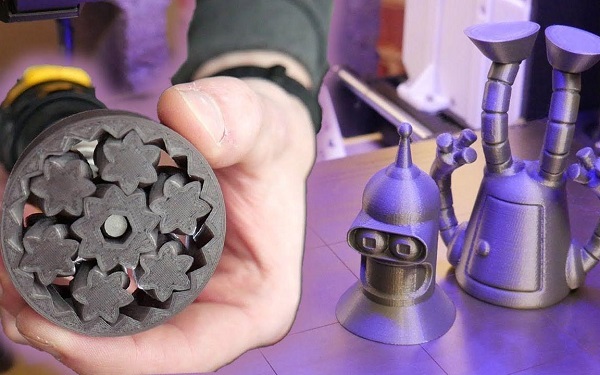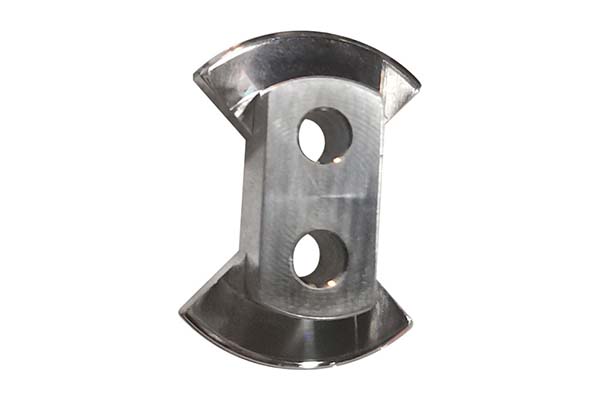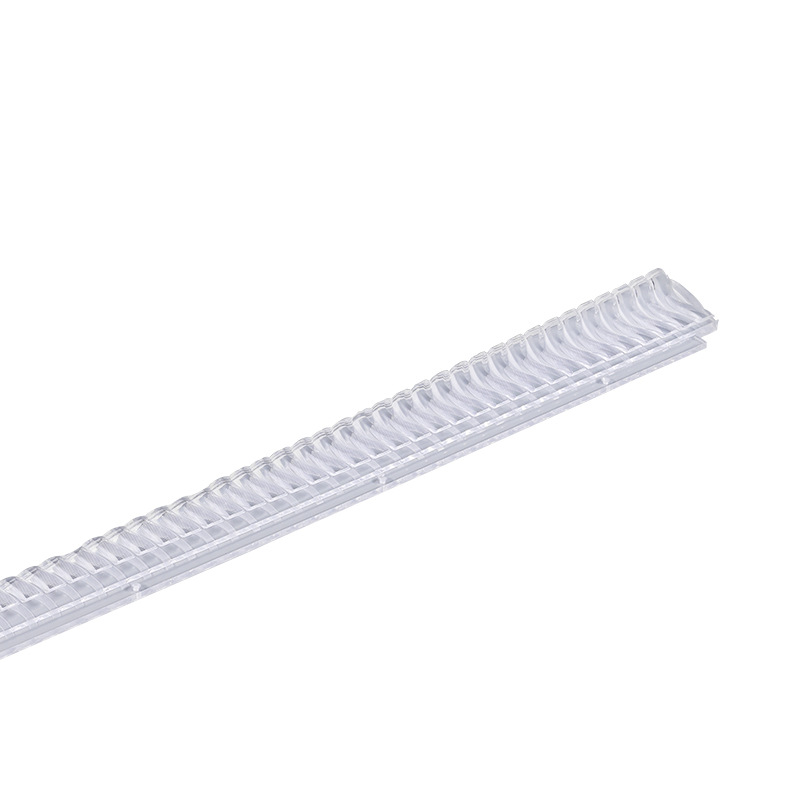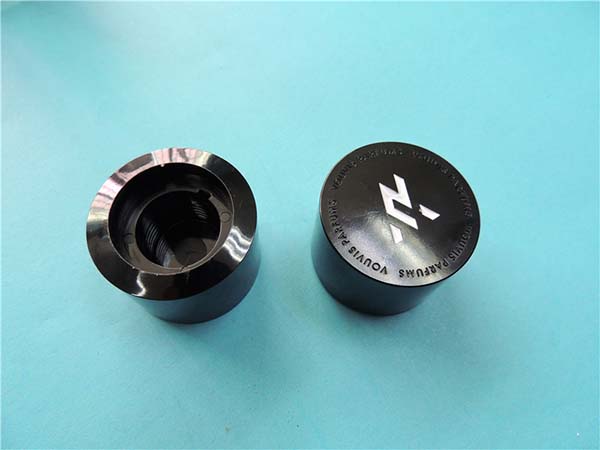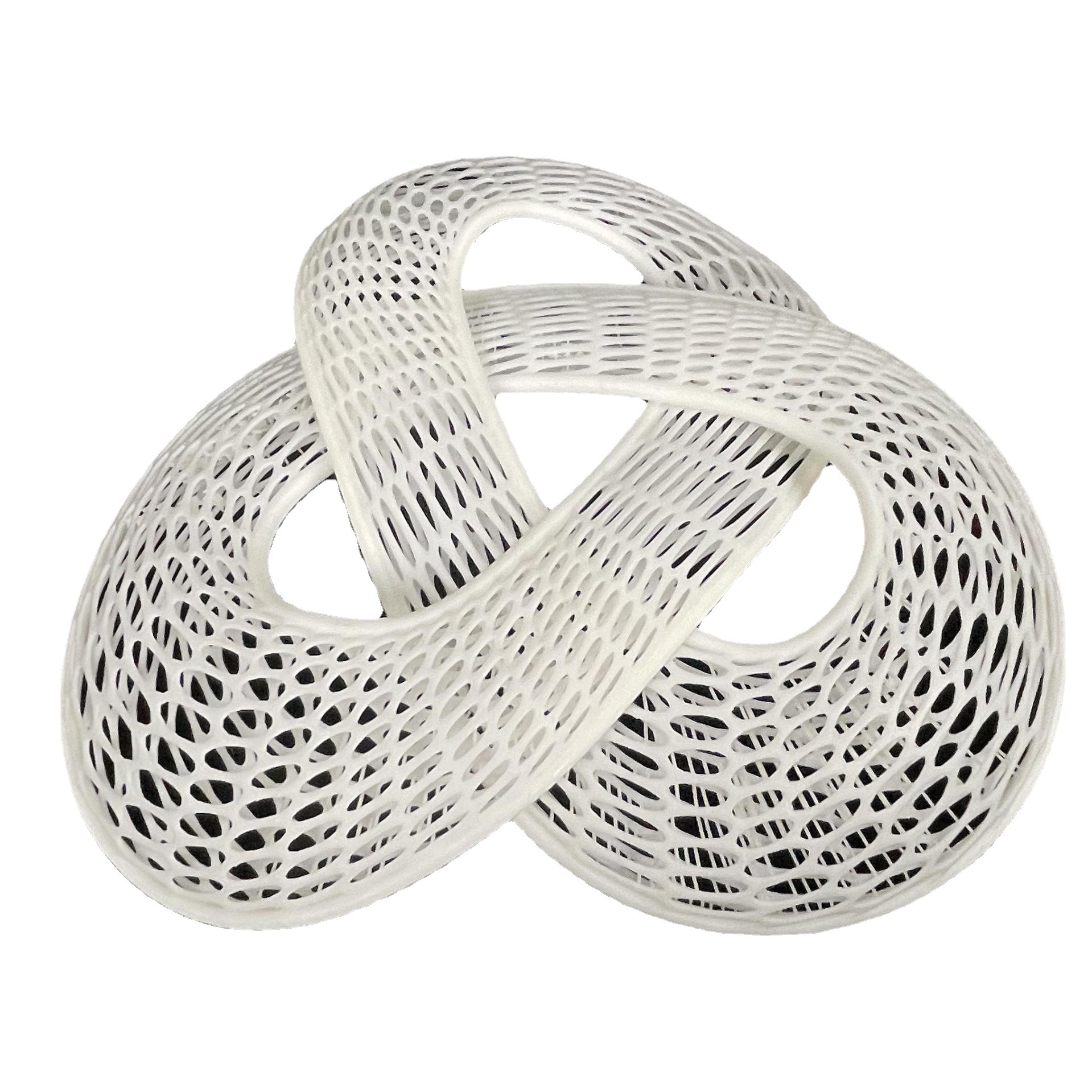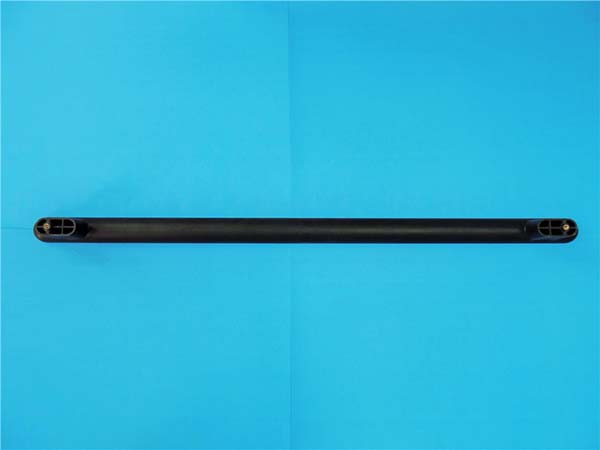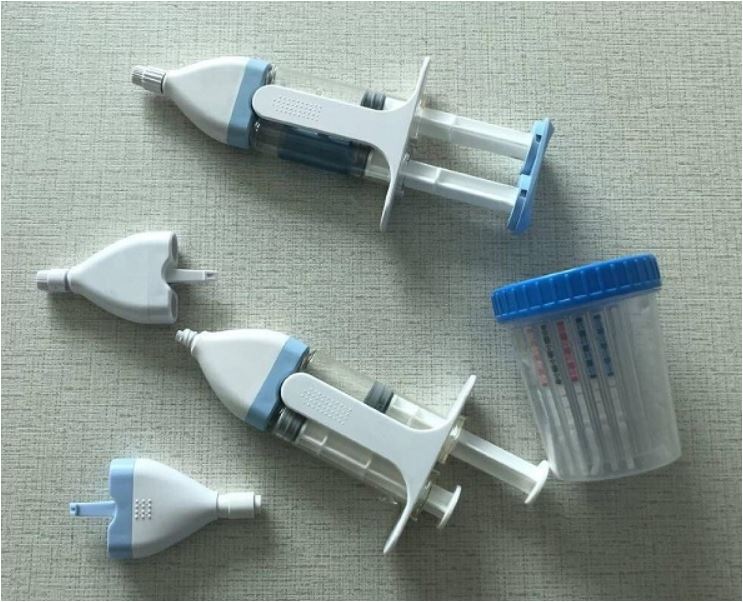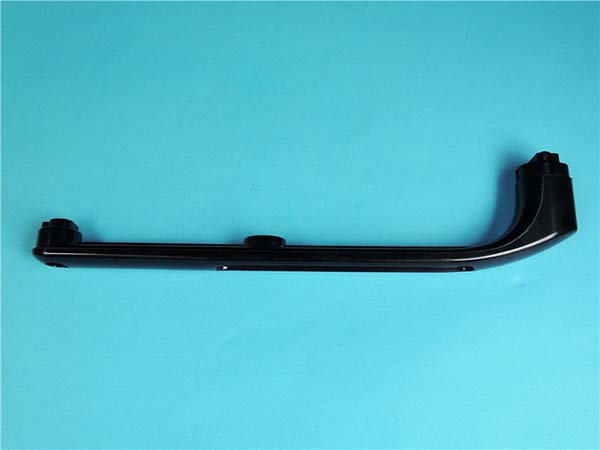
SLA 3D printing delivers exceptional detail, smooth surface finish, and material versatility—making it the preferred choice for medical devices, aerospace components, consumer products, and applications where precision and aesthetics matter most.
Introduction
In the world of additive manufacturing, Stereolithography Apparatus (SLA) stands apart. While other 3D printing technologies have their strengths, SLA is unrivaled when it comes to creating parts with high resolution, intricate detail, and beautiful surface finish.
Whether you're designing custom medical implants, aerospace components, or consumer products, SLA offers unmatched precision and aesthetic quality. But like any technology, it has specific considerations—material choices, post-processing requirements, and cost factors—that affect project success.
This guide explores the key benefits of choosing an SLA 3D printing service, along with important considerations to help you make informed decisions for your next project.
What Is SLA 3D Printing and How Does It Work?
What is SLA technology?
Stereolithography Apparatus (SLA) is a 3D printing technology that uses ultraviolet (UV) light to solidify photopolymer resin into solid form. The process involves selective curing of liquid resin, layer by layer, to create precise, highly detailed objects.
SLA excels at producing complex geometries, fine details, and smooth finishes—making it a top choice for industries like healthcare, aerospace, and jewelry design.
How does the SLA process work?
Step 1: Design Preparation
The object is modeled in CAD software and converted into a printable digital file. This file contains all geometric data—every curve, hole, and surface texture.
Step 2: Slicing
Specialized software slices the digital model into thin horizontal layers—sometimes hundreds or thousands of them. Each layer becomes an instruction for the printer, telling the laser exactly where to cure resin.
Step 3: Printing
The print bed immerses in a vat of liquid resin. A UV laser traces the pattern of the first layer onto the resin surface, solidifying it precisely where the light hits. The cured layer bonds to the build platform.
Step 4: Layering
The print bed lowers by one layer thickness. Fresh resin flows over the cured layer. The laser traces the next layer pattern, bonding it to the previous one. This process repeats until the object is complete.
Step 5: Post-Processing
After printing, the part undergoes:
- Rinsing in solvent (usually isopropyl alcohol) to remove uncured resin
- Curing in a UV chamber to achieve final mechanical properties
- Polishing or other finishing if required
What Are the Key Benefits of SLA 3D Printing?
High resolution and detail
SLA is renowned for its high-resolution capabilities. It produces incredibly precise features:
- Thin walls down to 0.2-0.3mm
- Small holes and intricate channels
- Fine texturing and surface patterns
- Sharp edges and crisp details
Layer thickness can be as low as 25 microns (0.025mm)—thinner than a human hair. This level of detail is often unattainable with other 3D printing methods like FDM.
Applications demanding detail:
- Dental implants and surgical guides
- Medical prosthetics requiring precise fit
- Intricate jewelry designs
- Micro-fluidic devices
- High-detail prototypes
Surface finish and aesthetics
One of SLA's standout advantages: parts emerge with smooth, glossy surfaces directly from the printer. Unlike FDM, which shows visible layer lines, SLA produces surfaces that often look and feel like injection-molded parts.
This high-quality finish:
- Eliminates or reduces extensive post-processing (sanding, polishing)
- Saves time and cost in finishing operations
- Produces presentation-ready models immediately
- Enables realistic concept models and prototypes
For projects where aesthetics and surface quality are critical—consumer products, display models, form-fit prototypes—SLA is often the best choice.
Versatility in material options
SLA has evolved to support a wide range of resin materials, each tailored to specific applications:
| Resin Type | Key Properties | Typical Applications |
|---|---|---|
| Standard Resins | Good detail, moderate strength | General prototypes, concept models |
| Flexible Resins | Rubber-like elasticity | Soft-touch products, gaskets, hinges |
| Biocompatible Resins | Safe for skin contact, medical certified | Surgical guides, dental appliances, medical devices |
| High-Temperature Resins | Withstand elevated temperatures | Aerospace components, heat-exposed parts |
| Durable Resins | Impact-resistant, wear-resistant | Functional prototypes, end-use parts |
| Transparent Resins | Optical clarity | Lenses, light guides, clear housings |
| Castable Resins | Clean-burning for investment casting | Jewelry patterns, dental restorations |
This material diversity makes SLA adaptable to various industries—aerospace, automotive, medical, consumer electronics, and jewelry.
Precision and accuracy
SLA achieves exceptional dimensional accuracy—typically within ±0.1-0.2% with a lower limit around ±0.05mm. For critical applications:
- Medical implants require precise fit with patient anatomy
- Aerospace components demand tight tolerances for performance
- Mechanical assemblies need accurate interfaces between parts
- Snap-fit designs rely on precise clearances
SLA delivers the accuracy these applications require.
Rapid turnaround
For prototypes and small batches, SLA is remarkably fast:
- No tooling to design or manufacture
- Digital files print directly—no setup time
- Complex parts print in hours, not weeks
- Design iterations happen overnight
This speed accelerates product development, getting concepts to market faster.
What Considerations Matter When Choosing an SLA Service?
Project requirements and accuracy
Assess the accuracy and resolution your project demands. Different providers offer varying precision levels. Match their capabilities to your needs:
- Ultra-high resolution (25-50 micron layers): Medical implants, jewelry, micro-features
- Standard resolution (50-100 micron layers): Most prototypes, consumer products
- Draft quality (100+ micron layers): Large models, concept visuals
Ask potential providers about their achievable tolerances and layer thicknesses.
Durability and material properties
Not all SLA resins are equally durable. Consider the functional requirements of your final product:
For prosthetic devices: Biocompatible resin with enhanced strength and flexibility
For aerospace components: High-temperature resin with rigidity and lightweight properties
For consumer products: Durable resin with impact resistance
For flexible parts: TPU-like elastomeric resin
Evaluate material properties—tensile strength, elongation, heat deflection temperature, flexural modulus—against your performance requirements.
Turnaround time and timelines
Turnaround time varies based on:
- Design complexity (more complex = more print time)
- Part size (larger = more layers = more time)
- Quantity (multiple parts = cumulative time)
- Post-processing required (cleaning, curing, finishing)
Ensure your provider can meet your timeline. Some offer expedited services for faster delivery—typically at premium cost.
Cost analysis and budgeting
SLA printing costs vary significantly based on:
Design complexity: Intricate geometries may require more support structures and longer print times.
Material selection: Specialized resins—biocompatible, high-temperature, castable—cost more than standard options.
Part size: Larger parts use more material and take longer to print.
Post-processing requirements: Polishing, curing, assembly add cost.
Quantity: Per-part price often decreases with volume due to build optimization.
Best practices:
- Request quotes from multiple providers
- Ensure transparent pricing—no hidden fees
- Compare cost vs. quality for your specific needs
- Consider trade-offs between material performance and budget
Support structures and removal
SLA prints with complex geometries often require support structures to prevent deformation during printing. These supports:
- Hold overhangs and islands in place
- Prevent warping during curing
- Enable successful prints of complex shapes
But they also leave marks where attached and require careful removal.
Solutions:
- Design orientation to minimize supports on visible surfaces
- Use soluble supports where available
- Plan for post-processing to clean support attachment points
- Discuss support strategies with your service provider
Post-processing requirements
SLA prints require several post-processing steps:
Cleaning: Parts must be rinsed in solvent (typically IPA) to remove uncured resin. Incomplete cleaning leaves sticky surfaces.
Curing: UV post-curing fully polymerizes the resin, achieving final mechanical properties. Under-cured parts are weak; over-cured parts can be brittle.
Support removal: Careful removal of supports—often manual—followed by sanding of attachment points.
Finishing: Sanding, polishing, painting, or clear coating may be required for specific aesthetics or performance.
Solutions:
- Partner with providers offering comprehensive post-processing
- Factor post-processing time into project schedules
- Budget for finishing if your application requires it
What Do Successful SLA Projects Look Like?
Medical devices
SLA is widely used in medicine to create:
- Custom surgical guides based on patient anatomy
- Dental models and restorations with precise fit
- Prosthetic sockets tailored to individual patients
- Anatomical models for surgical planning
High resolution allows patient-specific devices that enhance comfort, functionality, and recovery times. Biocompatible resins ensure safety for medical applications.
Aerospace components
Aerospace relies on SLA for:
- Lightweight prototypes testing form and fit
- Complex ducting and airflow components
- Master patterns for composite layup
- Low-volume production parts
SLA enables production of parts with strict aerodynamic and structural specifications—tested before committing to expensive metal manufacturing.
Consumer electronics
SLA excels in prototype development:
- Phone cases and device housings with precise cutouts
- Wearable tech with ergonomic contours
- Remote controls and interfaces with button details
- Concept models for investor presentations
Aesthetically realistic models help companies test concepts rapidly, reducing development costs and time-to-market.
Jewelry design
Jewelry demands detail and finish:
- Intricate patterns and filigree work
- Precisely sized stone settings
- Smooth surfaces ready for casting
- Master patterns for investment casting
Castable resins burn out cleanly, leaving precise molds for precious metal casting.
How Do You Choose the Right SLA Service Provider?
Technology and capabilities
Ensure the provider has:
- Latest SLA equipment with appropriate resolution
- Build volume sufficient for your parts
- Track record with similar projects
- Quality control processes documented
Material variety
Confirm they offer:
- Resins matching your application requirements
- Material data sheets with verified properties
- Certifications where needed (biocompatibility, etc.)
Quality control
Look for providers with:
- ISO certification or similar quality systems
- Inspection processes for dimensional accuracy
- Consistent results across multiple prints
- Documentation of quality metrics
Customer support
Choose providers with:
- Design assistance for optimizing models
- Clear communication throughout the process
- Technical expertise to advise on material selection
- Responsive service when questions arise
Pricing transparency
Ensure they offer:
- Clear quotes with itemized costs
- No hidden fees for supports or setup
- Volume discounts where applicable
- Explanations of cost drivers
Reputation and reviews
Check:
- Customer testimonials and case studies
- Industry recognition and awards
- References from similar projects
- Online reviews and ratings
Yigu Technology's Perspective
As a non-standard plastic and metal products custom supplier, Yigu Technology has extensive experience with SLA 3D printing. We've seen firsthand how this technology delivers for clients who need:
- Exceptional detail that other methods can't match
- Smooth surfaces requiring minimal post-processing
- Precise fits for medical and mechanical applications
- Beautiful aesthetics for consumer-facing products
Our team helps clients navigate material selection, design optimization, and post-processing requirements. We've found that successful SLA projects start with clear understanding of requirements—and continue through careful provider selection and quality validation.
Whether you're developing a medical device, prototyping consumer electronics, or creating custom jewelry, SLA offers capabilities worth considering.
Conclusion
SLA 3D printing offers exceptional detail, precision, and aesthetic quality—making it a preferred choice for a wide range of applications. From medical devices to aerospace components to consumer electronics, its benefits are clear.
Key benefits recap:
- High resolution and detail—features as fine as 25 microns
- Superior surface finish—smooth, glossy parts straight from the printer
- Material versatility—standard, flexible, biocompatible, high-temperature, and more
- Exceptional accuracy—±0.1-0.2% dimensional tolerance
- Rapid turnaround—prototypes in days, not weeks
Key considerations:
- Match provider capabilities to your precision requirements
- Select materials based on functional needs
- Factor in post-processing time and cost
- Understand cost drivers for accurate budgeting
- Choose providers with proven quality and support
By carefully considering these factors and selecting a reliable service provider, you can ensure successful SLA 3D printing outcomes—delivering high-quality results that meet your project's exact specifications.
FAQ
Q1: What is SLA 3D printing best used for?
A: SLA excels at applications requiring high detail, smooth surfaces, and precision—medical devices, dental models, jewelry patterns, consumer product prototypes, aerospace components, and any project where aesthetics and accuracy matter.
Q2: How accurate is SLA 3D printing?
A: SLA typically achieves dimensional accuracy of ±0.1-0.2% with a lower limit around ±0.05mm. Layer thickness can be as low as 25 microns, enabling extremely fine details and smooth surfaces.
Q3: What materials are available for SLA printing?
A: SLA materials include standard resins (general prototyping), flexible resins (rubber-like), biocompatible resins (medical applications), high-temperature resins (heat-exposed parts), durable resins (functional components), transparent resins (optical parts), and castable resins (jewelry investment casting).
Q4: Is SLA 3D printing expensive?
A: Cost varies based on design complexity, material selection, part size, and post-processing requirements. Specialized resins cost more than standard. For high-detail, small-batch production, SLA is often cost-effective compared to alternatives.
Q5: Do SLA parts need post-processing?
A: Yes. SLA parts require rinsing in solvent to remove uncured resin, UV curing to achieve final properties, and support removal. Additional finishing (sanding, polishing, painting) may be required depending on application.
Q6: How strong are SLA printed parts?
A: Strength depends on resin selection. Standard resins offer moderate strength suitable for prototyping. Durable and engineering resins approach properties of injection-molded plastics. High-temperature resins maintain strength at elevated temperatures.
Q7: Can SLA print large parts?
A: Build volumes vary by printer. Desktop SLA systems typically handle parts up to 150-200mm. Industrial SLA systems offer larger build volumes but cost more. Very large parts may need to be printed in sections and assembled.
Q8: How long does SLA printing take?
A: Print time depends on part height (number of layers), complexity, and quantity. Small parts may take 1-2 hours; larger, complex parts can take 8-12 hours or more. Post-processing adds additional time.
Contact Yigu Technology for Custom Manufacturing
Ready to leverage SLA 3D printing for your next project? At Yigu Technology, we combine deep expertise with state-of-the-art SLA capabilities. Whether you need medical devices, aerospace components, consumer product prototypes, or custom jewelry, our team delivers precision results with the detail and finish SLA enables. Contact us today for a consultation—let's bring your designs to life with the power of SLA.