Introduction
In modern manufacturing, speed and flexibility determine success. Two technologies have emerged as transformative forces: rapid prototyping and rapid tooling. Rapid prototyping creates physical models directly from digital designs in hours or days. Rapid tooling produces molds and tools quickly, bridging the gap between prototyping and mass production. Together, they enable companies to bring products to market faster, iterate designs more freely, and reduce development costs. This guide explores what these technologies are, how they work, and how they are revolutionizing manufacturing.
What Is Rapid Prototyping?
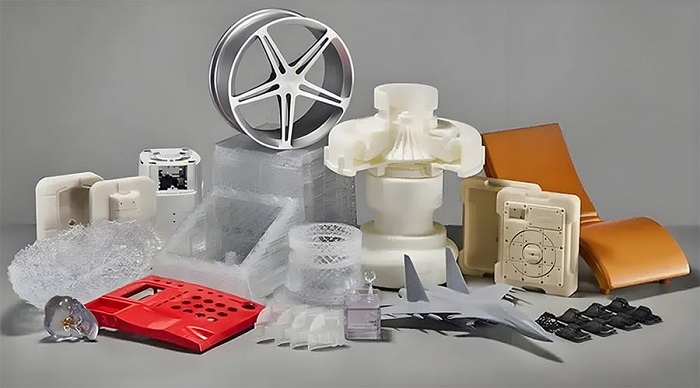
Rapid prototyping (also known as additive manufacturing) creates physical models or functional prototypes directly from CAD models. It transforms digital 3D designs into tangible objects, allowing designers and engineers to visualize, test, and validate ideas much faster than traditional methods.
Working Principle
Rapid prototyping builds objects layer by layer. Each layer is a cross-section of the final 3D object. As layers stack, the complete prototype forms.
Common technologies:
| Technology | Process | Best For |
|---|---|---|
| SLA | UV laser cures liquid photopolymer resin | High precision, smooth surfaces—jewelry, intricate mechanical parts |
| SLS | Laser sinters powdered materials (plastic, metal, ceramic) | Strong, durable prototypes—functional automotive parts |
| FDM | Extrudes melted thermoplastic filament | Low-cost concept models, functional testing |
Applications Across Industries
Automotive: Car manufacturers prototype engine components, interior fixtures, and body panels—testing form, fit, and function before mass production. A new air intake system design can be prototyped and tested in a wind tunnel to optimize performance.
Aerospace: Precision and reliability are crucial. Rapid prototyping creates complex components like turbine blades and interior parts—reducing development time and enabling rapid iteration for high-performance requirements.
What Is Rapid Tooling?
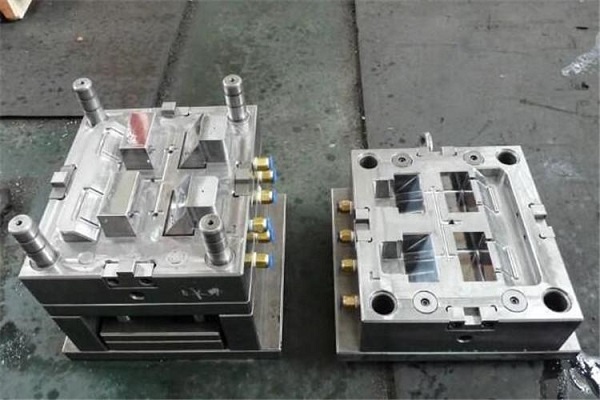
Rapid tooling produces molds and tools quickly, using parts made from rapid prototyping as a basis. It bridges the gap between prototyping and mass production, enabling seamless transition.
Types and Features
| Type | Material | Best For | Lifespan | Cost |
|---|---|---|---|---|
| Soft Tooling | Silicone rubber | Small-batch production (10–500 parts) | Short | Low |
| Hard Tooling | Steel, aluminum | High-volume mass production | Hundreds of thousands to millions of parts | High |
Soft tooling: Low cost, fabricated in days. Ideal for startups testing custom phone cases in small quantities.
Hard tooling: Robust, withstands high-volume production. Used for automotive bumpers, interior components—but more expensive and time-consuming to fabricate.
Significance in Production
Rapid tooling significantly shortens the mold-making cycle. Traditional tooling could take months; rapid tooling reduces this to weeks or days.
Benefits:
- Cost savings: Companies using rapid tooling save up to 30% on tool-making costs
- Agility: Respond quickly to market changes—modify designs, create new molds, start production
- Competitive edge: Introduce new products faster, capture market share before competitors
How Do These Technologies Work Together?
Rapid prototyping and rapid tooling are complementary.
- Prototype: Rapid prototyping creates a functional prototype for testing and validation
- Refine: Based on test results, design is refined
- Tool: Rapid tooling produces molds from the validated design
- Produce: Mass production begins with rapid tooling molds
This integrated approach reduces development cycles by up to 50% .
What Materials Can Be Used?
Rapid Prototyping Materials
| Material | Properties | Applications |
|---|---|---|
| ABS | Strong, heat-resistant | Automotive interior components, functional prototypes |
| PLA | Biodegradable, smooth finish | Consumer product prototypes, smartphone cases |
| Nylon | High strength, flexible | Gears, durable mechanical parts |
| Aluminum | Lightweight, good thermal conductivity | Aerospace brackets, automotive parts |
| Steel | High strength | Industrial machinery prototypes |
| Titanium | High strength-to-weight, corrosion resistance | Medical implants, high-end aerospace |
| Ceramics | High heat resistance, chemical stability | Electronics substrates, thermal protection components |
Rapid Tooling Materials
- Silicone rubber: Soft tooling, small batches
- Aluminum: Hard tooling, medium-volume production
- Steel: Hard tooling, high-volume production
How Accurate Are These Technologies?
Accuracy depends on technology, equipment, and materials.
| Technology | Typical Accuracy |
|---|---|
| SLA (Rapid Prototyping) | ±0.1 mm (small to medium parts) |
| SLS (Rapid Prototyping) | ±0.2–0.3 mm |
| Soft Tooling | ±0.5–1 mm |
| Hard Tooling (Metal) | ±0.05–0.1 mm |
Larger parts may have slightly lower accuracy due to thermal expansion. Proper equipment calibration, high-quality materials, and optimized process parameters improve accuracy.
How Does Yigu Technology Use Rapid Prototyping and Rapid Tooling?
As a non-standard plastic and metal products custom supplier, Yigu Technology leverages both technologies to serve clients efficiently.
We Start with Prototypes
We transform client ideas into tangible prototypes quickly using 3D printing. Early design validation and testing reduce risk of costly errors in later production stages.
We Move to Tooling
For clients needing mass production, we produce molds swiftly—soft tooling for small batches, hard tooling for high-volume manufacturing. This shortens development cycles, saves costs, and brings products to market faster.
We Combine Expertise
Our engineers guide material selection, optimize designs for manufacturability, and ensure quality at every stage.
Conclusion
Rapid prototyping and rapid tooling are transformative technologies. Rapid prototyping turns digital designs into physical models in hours or days, enabling faster iteration and validation. Rapid tooling produces molds in weeks rather than months, bridging the gap to mass production. Together, they reduce development cycles by up to 50% , cut tooling costs by 30% , and give companies the agility to respond to market changes.
By adopting these technologies, manufacturers can innovate faster, reduce risk, and bring better products to market—turning ideas into reality with unprecedented speed.
Frequently Asked Questions
What materials can be used for rapid prototyping?
Common materials include plastics (ABS, PLA, nylon), metals (aluminum, steel, titanium), and ceramics. ABS is strong and heat-resistant—suitable for automotive prototypes. PLA is biodegradable with smooth finish—ideal for consumer products. Nylon offers strength and flexibility for durable parts. Metals are used for functional prototypes requiring strength. Ceramics are used for high-heat or chemically stable applications.
How accurate are the prototypes and tools made through these techniques?
Accuracy varies. SLA prototypes: ±0.1 mm for small to medium parts. SLS prototypes: ±0.2–0.3 mm. Soft tooling: ±0.5–1 mm—suitable for small-batch production. Hard tooling: ±0.05–0.1 mm—crucial for high-volume precision parts. Proper equipment calibration, high-quality materials, and optimized parameters improve accuracy.
What is the difference between soft tooling and hard tooling?
Soft tooling uses materials like silicone rubber—low cost, fast fabrication (days), suitable for small batches (10–500 parts), short lifespan. Hard tooling uses metals like steel or aluminum—higher cost, longer fabrication (weeks), suitable for high-volume production (hundreds of thousands to millions of parts), long lifespan. Choose based on production volume and budget.
How much time can rapid prototyping and rapid tooling save?
Companies adopting these technologies reduce product development cycles by up to 50%. Traditional prototype creation took weeks; rapid prototyping produces parts in hours or days. Traditional tool-making took months; rapid tooling reduces to weeks or days.
Can rapid tooling be used for high-volume production?
Yes. Hard tooling made from steel or aluminum is designed for high-volume production—hundreds of thousands or even millions of parts. While more expensive and time-consuming to produce than soft tooling, it is essential for mass manufacturing.
Contact Yigu Technology for Custom Manufacturing
Ready to harness the power of rapid prototyping and rapid tooling for your next project? Yigu Technology offers comprehensive services—from 3D-printed prototypes to hard tooling for mass production. Our engineers help you select the right materials and processes for your application. Contact us today to discuss your project.