Introduction
You have a product design. You need a physical prototype to test, refine, and validate. But where should you have it made? Plastic prototype manufacturing is essential for product development—reducing time-to-market, cutting costs, and enabling effective communication. And finding a local manufacturer offers unique advantages: faster turnaround, better communication, and streamlined supply chains. This guide explains why plastic prototyping matters, what to look for in a local manufacturer, and how to ensure your project succeeds.
Why Is Plastic Prototype Manufacturing So Important?
Plastic prototype manufacturing is an indispensable process in product development for several reasons.
Reducing Time-to-Market
A McKinsey study found that companies accelerating product development by 20% are more likely to capture larger market share. Plastic prototyping enables rapid iteration. In consumer electronics, a new smartphone prototype can be created in weeks—enabling testing of features, aesthetics, and functionality before mass production.
Cutting Long-Term Costs
A PwC report indicates that for every dollar spent on prototyping, companies save up to $100 in production-related errors. Prototypes identify design flaws—poor ergonomics, material compatibility issues—early. In automotive, a prototype interior component tested for fit and finish prevents costly re-engineering of already-produced parts.
Enhancing Communication and Marketing
Tangible prototypes communicate value more effectively than digital renderings. Stakeholders—investors, clients, marketing teams—visualize the final product. In the toy industry, a plastic prototype presented at trade shows generates excitement and pre-orders before production.
Why Look for Local Plastic Prototype Manufacturing?
Searching for “plastic prototype manufacturing near me” offers distinct advantages:
- Faster turnaround: Reduced shipping times; local pick-up possible
- Better communication: Same time zone, language, and cultural context
- Efficient supply chain: Quicker adjustments and iterations
- Local support: Contributes to local economy; fosters community innovation
What Factors Should You Consider When Selecting a Local Manufacturer?
Evaluate potential manufacturers across several key dimensions.
Experience and Portfolio
Experience matters. A manufacturer with 10+ years in the industry has encountered and overcome diverse challenges—from small consumer products to large industrial components.
Review portfolio: Look for variety and relevance. Medical device prototypes require experience with biocompatible materials and regulatory requirements. A study found that projects with manufacturers having relevant experience were 30% more likely to be completed on-time and within budget.
Materials and Equipment
A reliable manufacturer should offer a wide range of plastic materials:
| Material | Properties | Applications |
|---|---|---|
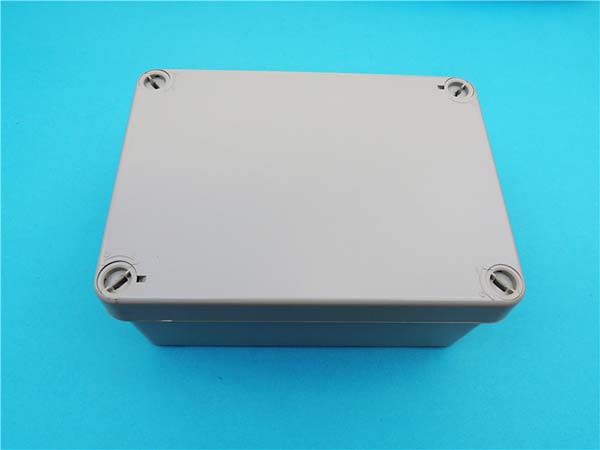
| ABS | Strength, impact resistance | Electronic enclosures, automotive interior parts |
| PLA | Biodegradable, easy to print | Environmentally conscious products, concept models |
| PC (Polycarbonate) | High-temperature resistance, optical clarity | Lenses, lighting components, high-heat applications |
| Nylon | High strength, wear resistance | Gears, functional mechanical parts |
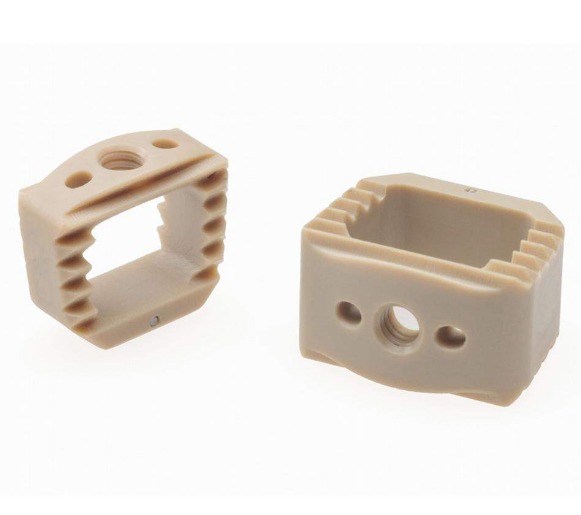
| PEEK | Excellent mechanical properties, high strength | Medical implants, aerospace components |
Advanced equipment is essential:
- State-of-the-art 3D printers: Create highly detailed prototypes with complex geometries
- Injection molding machines: Ensure consistent quality for larger runs
- Multi-axis CNC machines: Produce tight tolerances for components requiring perfect fit
Quality Control
Quality control is non-negotiable.
Incoming material inspection: Every batch of raw materials tested for tensile strength, melt flow index, color consistency.
In-process inspections: Regular checks during manufacturing—in injection molding, weight and dimensions monitored.
Final inspection: Comprehensive assessment—visual inspection for surface defects, functional testing, dimensional verification using CMMs (Coordinate Measuring Machines).
Certifications: ISO 9001 indicates established and maintained quality management system.
What Manufacturing Processes Are Available?
Local manufacturers typically offer several processes.
| Process | Best For | Materials | Lead Time |
|---|---|---|---|
| 3D Printing (FDM/SLA/SLS) | Complex geometries, rapid iteration, small batches | ABS, PLA, nylon, resins | 3–5 days |
| CNC Machining | High precision, functional testing, metals and engineering plastics | ABS, PC, aluminum, steel | 5–10 days |
| Injection Molding | Larger batches, production-intent prototypes | ABS, polypropylene, polycarbonate | 7–15 days (with mold creation) |
| Urethane Casting | Small batches, flexible parts | Polyurethane resins | 5–10 days |
How Long Does Plastic Prototype Manufacturing Take?
Lead times vary by process and complexity.
| Process | Typical Lead Time |
|---|---|
| Simple 3D-printed parts | 3–5 days |
| Complex 3D-printed parts | 5–7 days |
| CNC-machined parts | 5–10 days |
| Injection-molded prototypes | 7–15 days (including mold creation) |
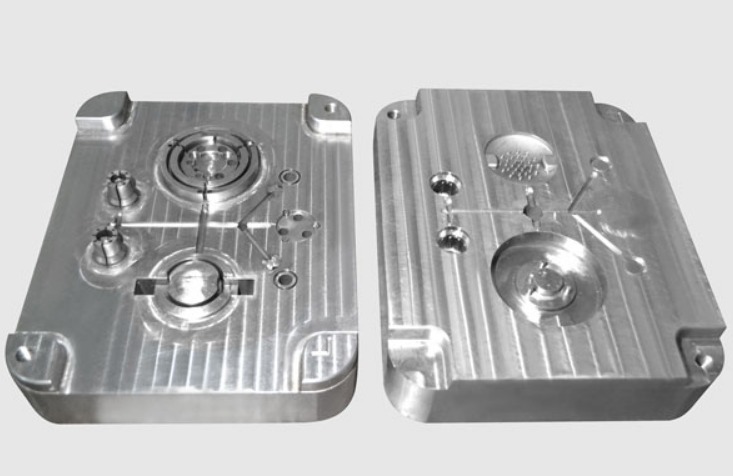
Factors affecting lead time: design complexity, material availability, manufacturer’s production queue. Intricate mold designs with internal features take longer to fabricate.
Can a Local Manufacturer Help with Design Improvements?
Yes. Most local manufacturers offer design support.
Design for Manufacturability (DFM) analysis: Checking designs for manufacturability—suggesting modifications for features difficult to produce (extremely thin walls, sharp internal corners).
Material recommendations: Suggesting alternatives based on intended use, environmental conditions, and functionality.
Reverse engineering: Scanning existing products or rough prototypes, creating digital models, and improving designs before production.
How Does Yigu Technology Approach Plastic Prototype Manufacturing?
As a non-standard plastic and metal products custom supplier, Yigu Technology provides comprehensive plastic prototype manufacturing services.
We Offer Advanced Capabilities
- 3D printing (FDM, SLA, SLS) for complex geometries and rapid iteration
- CNC machining for precision metal and plastic parts
- Injection molding for larger prototype batches
- Specialized techniques: Unique molding processes for prototypes with complex internal structures while maintaining precision
We Provide Expert Guidance
Our skilled engineers and technicians offer customized solutions—from small-scale, high-precision medical device prototypes to large-scale industrial product prototypes. We perform DFM analysis, recommend materials, and optimize designs for manufacturability.
We Deliver Local Advantages
By being “near you,” we provide faster turnaround times, better communication, and efficient supply chain management—benefiting clients in time and cost savings while contributing to local economy.
Conclusion
Plastic prototype manufacturing is essential for reducing time-to-market, cutting long-term costs, and enhancing communication. Choosing a local manufacturer offers faster turnaround, better communication, and streamlined supply chains. Evaluate experience, materials, equipment, and quality control. Understand available processes—3D printing for complex geometries, CNC machining for precision, injection molding for larger batches. By selecting the right partner, you ensure high-quality prototypes that accelerate product development and set the stage for successful launch.
Frequently Asked Questions
How long does it usually take to get a plastic prototype from a local manufacturer?
Lead time ranges from 3 to 15 business days. Simple 3D-printed parts: 3–5 days. Injection-molded prototypes: 7–15 days (mold creation required). Factors include design complexity, material availability, and production queue.
What types of plastics can be used for prototype manufacturing?
Common plastics include ABS (strength, impact resistance—electronic enclosures), PLA (biodegradable—concept models, eco-friendly products), PC (polycarbonate) (high-temperature resistance, optical clarity—lenses, lighting), nylon (strength, wear resistance—gears, mechanical parts), and PEEK (high strength, biocompatible—medical, aerospace).
Can a local manufacturer help with design improvements for the plastic prototype?
Yes. Most manufacturers offer Design for Manufacturability (DFM) analysis—identifying features difficult to produce and suggesting modifications. They provide material recommendations based on intended use and environmental conditions. Some offer reverse engineering services—scanning existing products, creating digital models, and improving designs before production.
What is the difference between 3D printing and injection molding for plastic prototypes?
3D printing builds parts layer by layer—ideal for complex geometries, rapid iteration, small batches (1–50 units). Injection molding injects molten plastic into a mold—ideal for larger batches (50–5,000 units), production-intent prototypes, consistent quality. Injection molding requires mold creation, increasing upfront cost and lead time but lowering per-unit cost at volume.
What quality certifications should I look for?
ISO 9001 indicates an established quality management system covering design, production, and customer service. For medical applications, ISO 13485 is essential. Industry-specific certifications may apply depending on your application.
Contact Yigu Technology for Custom Manufacturing
Ready to bring your plastic product to life with a local manufacturing partner? Yigu Technology offers 3D printing, CNC machining, and injection molding services for plastic prototypes. Our engineers provide DFM feedback and help you select the right materials and processes. Contact us today to discuss your project.