Introduction
You have probably heard of 3D printing, but you might wonder what SLA really means and why it matters for your projects. SLA, or stereolithography, is actually the original 3D printing technology. It was invented back in 1986 by Charles Hull, and it changed how we think about making things. Unlike common filament printers that melt plastic, SLA uses a special liquid resin and a laser to create parts with amazing detail. This article walks you through how SLA works, where it shines, and whether it is the right choice for your specific needs. By the end, you will understand exactly what makes this technology tick and how it can solve real-world manufacturing problems.
What Exactly is SLA and How Did It Start?
SLA stands for stereolithography, which sounds complex but simply means "writing with light on a special material." The process uses a precise UV laser to turn liquid resin into solid plastic, one tiny layer at a time.
Think of it like building a model with extremely thin sheets stacked perfectly on top of each other. Charles Hull had this brilliant idea while trying to make prototype parts faster. Before SLA, making a single prototype could take weeks or even months. His invention cut that time down to hours. Today, SLA remains a cornerstone of additive manufacturing because it delivers surface quality that other 3D printing methods simply cannot match.
How Does SLA 3D Printing Actually Work Step by Step?
What happens before you hit the print button?
The journey starts with a digital 3D model. You might create this in CAD software or scan an existing object. This digital file gets sliced into hundreds or thousands of ultra-thin horizontal layers. Each layer is typically around 0.05 to 0.15 millimeters thick, which is thinner than a human hair. The machine needs this level of detail to reproduce complex shapes accurately.
What goes on inside the SLA machine during printing?
Inside the printer, there is a vat filled with liquid photopolymer resin. This resin has a special property: it hardens instantly when hit with UV light. A build platform lowers itself until it is just one layer thickness away from the bottom of the vat. Then the UV laser draws the shape of that first layer onto the transparent bottom. Wherever the laser touches, the resin solidifies and sticks to the platform.
Here is a simple breakdown of the repeating cycle:
- Laser draws the pattern for one complete layer
- Platform lifts slightly to separate the new layer from the vat bottom
- Resin flows back underneath to coat the area evenly
- Platform lowers again for the next layer to be drawn
- Process repeats until the entire object is built
For example, when printing a detailed dental crown, the laser carefully traces every tiny contour of the tooth surface. Each layer bonds perfectly to the one below it, gradually building up the complete shape. The whole process happens automatically, often running overnight without anyone needing to monitor it.
What happens after printing finishes?
When printing completes, you remove the platform and find your part stuck to it, surrounded by excess liquid resin. The part itself is still somewhat soft and sticky at this stage. You have to wash it in a solvent like isopropyl alcohol to remove all the uncured resin from the surfaces.
After washing, the part goes into a UV curing chamber. This step fully hardens the material and gives it final mechanical properties. Think of it like baking a cake after mixing the ingredients. The UV light completes the chemical reaction that the laser started during printing.
Where Do People Use SLA Technology in Real Life?
Why does aerospace love SLA?
Aerospace engineers constantly battle weight versus strength requirements. SLA lets them create parts with complex internal structures that save weight while maintaining strength. NASA has used SLA to print rocket engine components with intricate cooling channels built right inside. These channels follow curved paths impossible to drill using traditional methods. Industry data shows that SLA cuts prototype development time by nearly half compared to conventional machining. When you are designing parts for space travel, faster iteration means better final designs.
How is SLA changing medicine and dentistry?
The medical field has embraced SLA because it delivers patient-specific solutions quickly and accurately. Surgeons now regularly practice on SLA-printed anatomical models before entering the operating room. These models come directly from patient CT scans, so surgeons see exactly what they will encounter. Dental labs produce crowns, bridges, and surgical guides using SLA every single day. Studies indicate that SLA-printed dental implants achieve over 95 percent success rates in clinical use. The precision fit and biocompatible materials make patients more comfortable and treatments more predictable.
What role does SLA play in automotive development?
Car manufacturers face enormous pressure to bring new models to market faster. SLA helps by producing detailed scale models for wind tunnel testing and design reviews. Engineers can evaluate aerodynamics and aesthetics months before committing to expensive tooling. A major European automaker recently reported saving 30 percent on prototyping costs by switching to SLA for certain components. They print intake manifolds and dashboard prototypes that look and function nearly like production parts.
What Makes SLA Different from Other 3D Printing Methods?
The table below highlights key differences between SLA and other common 3D printing technologies:
| Feature | SLA Technology | FDM (Fused Deposition) | SLS (Selective Laser Sintering) |
|---|---|---|---|
| Surface finish | Extremely smooth, like injection molded | Noticeable layer lines | Slightly grainy texture |
| Detail resolution | Very high, captures fine features | Moderate, limited by nozzle size | Good, but powder limits detail |
| Material type | Liquid photopolymer resins | Solid filament spools | Fine plastic powder |
| Mechanical strength | Good, varies by resin type | Moderate, layer adhesion is weak | Excellent, parts are dense |
| Post-processing | Wash and UV cure required | Support removal only | Powder removal needed |
| Typical cost per part | Medium | Low | High |
| Best applications | Visual prototypes, jewelry, dental | Basic prototypes, hobby parts | Functional parts, complex assemblies |
This comparison shows why SLA occupies a sweet spot between detail quality and practical cost. You get production-ready surface finish without the expense of SLS equipment.
What Materials Can You Actually Use with SLA?
Standard resins for everyday prototyping
General-purpose resins work well for most visual models and form-fit testing. They offer a balanced combination of strength, stiffness, and impact resistance. These materials feel similar to production plastics like ABS or polypropylene. Designers use them to check how parts will look and assemble before committing to injection molding.
Engineering resins for tough requirements
Some applications demand more than basic plastic properties. High-temperature resins withstand continuous heat exposure up to 200 degrees Celsius. Automotive components under the hood benefit from this capability. Tough and durable resins resist breaking when dropped or stressed, making them suitable for snap-fit enclosures and functional prototypes.
Specialized materials for medical and dental work
Biocompatible resins meet strict ISO 10993 and USP Class VI standards for medical contact. These materials allow surgical guide production and temporary dental restorations. They cause no adverse reactions when touching human tissue for limited periods. Dental labs specifically formulate resins that mimic the appearance and handling of real tooth structure.
How Accurate is SLA Printing Really?
Accuracy depends on several factors working together. The layer height setting controls vertical detail. Using 0.05 millimeter layers produces incredibly smooth curves but doubles print time compared to 0.1 millimeter layers. Laser spot size determines how finely the machine can trace small features. Modern SLA printers focus the laser to a pinpoint less than 0.1 millimeter wide. Resin chemistry also matters because some materials shrink slightly during curing.
Under ideal conditions, SLA achieves dimensional accuracy of plus or minus 0.1 millimeters in the horizontal directions. Vertical accuracy relates directly to your chosen layer height. If you print at 0.05 millimeter layers, features in the Z direction stay within about that same tolerance.
What Are the Limitations You Should Know About?
SLA is amazing technology, but it has constraints. Parts degrade over time if exposed to sunlight because UV radiation continues the curing process. You need to paint or coat parts meant for outdoor use. Support structures leave small marks where they contact the model. These require careful removal and sometimes light sanding.
The liquid resin itself requires careful handling. It can irritate skin, so operators wear gloves and work in ventilated areas. Uncured resin also needs proper disposal according to local regulations. Equipment costs have dropped dramatically in recent years, but professional-grade machines still represent a significant investment.
How Can Yigu Technology Help With Your SLA Projects?
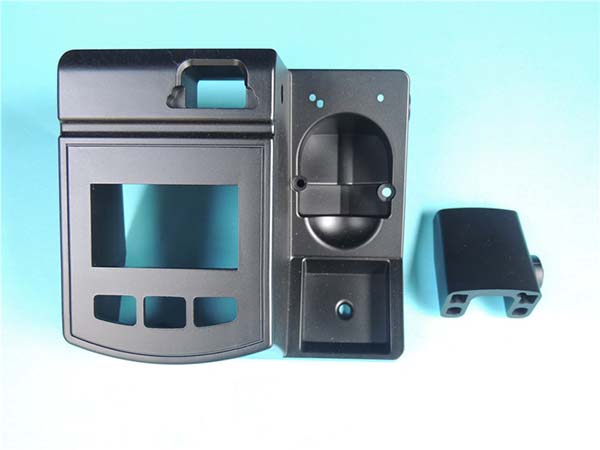
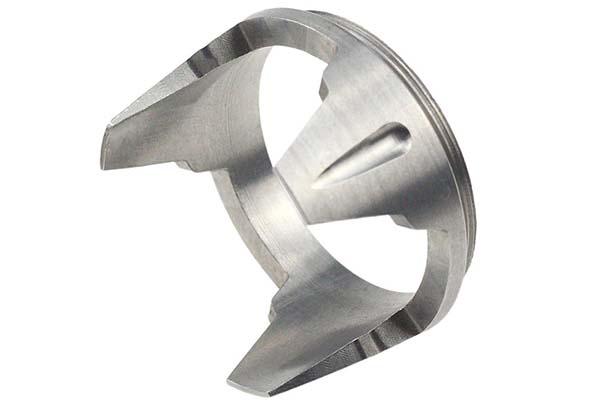
At Yigu Technology, we combine deep SLA expertise with practical manufacturing experience. We understand that every project has unique requirements. Maybe you need complex plastic enclosures for electronics prototypes. Perhaps you require precise metal components with SLA-printed patterns for investment casting. Our team works alongside you from initial concept through final delivery.
We maintain advanced SLA equipment and a wide range of photopolymer materials. This lets us match the exact properties your application demands. For intricate connector housings, we achieve tight tolerances that guarantee perfect assembly fit. For medical devices, we follow strict quality protocols and material traceability.
Our process starts with understanding your design goals and functional needs. We suggest material options and print orientations that optimize both quality and cost. Throughout production, we monitor every layer to catch potential issues early. The result is parts that meet your specifications without unexpected surprises.
Whether you need five prototype iterations or five hundred production components, we deliver consistent quality. Contact our engineering team to discuss how SLA can solve your manufacturing challenges.
Frequently Asked Questions About SLA
Is SLA the same as resin 3D printing?
Yes, SLA and resin printing refer to the same basic technology. Both use liquid photopolymer and UV light to create solid objects. Some people say resin printing to distinguish it from filament-based methods.
How long do SLA printed parts last?
Indoor parts away from direct sunlight last for years without significant change. Parts exposed to sunlight gradually become more brittle and may discolor. Applying UV-blocking coatings extends outdoor life considerably.
Can SLA print moving parts already assembled?
Yes, you can print assembled mechanisms with clearance between components. The liquid resin flows away from gaps during printing, leaving parts free to move after cleaning. This works well for hinges, gears, and ball joints.
What surface finish can I expect from SLA?
SLA produces the smoothest surface of any common 3D printing method. Parts come out ready for painting or direct use without sanding. Layer lines are barely visible to the naked eye at standard settings.
Is SLA expensive to run?
Material costs are higher than basic filament but lower than powder-based systems. The main expense is resin, which typically runs 50 to 150 dollars per liter depending on type. A small part might use only 20 to 50 milliliters of resin.
Conclusion
SLA remains a powerful tool in modern manufacturing because it delivers precision and surface quality that other methods cannot match. From aerospace components to dental restorations, this technology solves real problems every day. You now understand how the laser builds parts layer by layer, what materials work best for different applications, and where SLA fits alongside other processes. The key takeaway is simple: if your project demands fine detail and smooth surfaces, SLA deserves serious consideration. As materials continue improving and costs gradually decrease, this original 3D printing method will keep finding new ways to turn digital ideas into physical reality.
Contact Yigu Technology for Custom Manufacturing
Ready to bring your next project to life with professional SLA manufacturing? The team at Yigu Technology stands ready to help. We offer comprehensive support from design optimization through final production. Our engineers speak your language and understand real-world manufacturing constraints. Send us your 3D models for a free feasibility review and quotation. Let us show you how decades of combined experience translate into parts that fit right the first time. Contact Yigu Technology today and discover the difference that true partnership makes.