Introduction
Look around you. The phone in your hand. The bottle cap on your desk. The dashboard of your car. The toy your child played with this morning. What do they have in common?
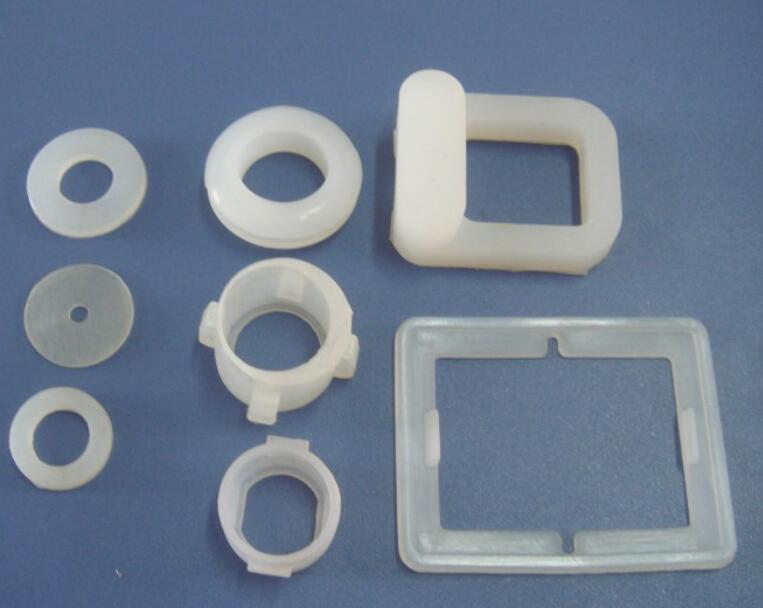
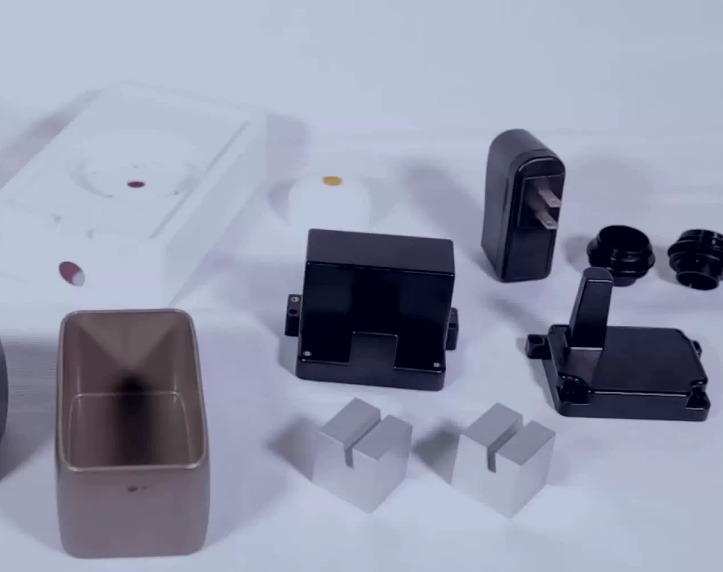
Most were made through plastic injection molding —a manufacturing process that transforms tiny plastic pellets into finished products. It’s fast. It’s precise. And it produces the same part, over and over, by the thousands or millions.
This guide walks you through the basics. No engineering degree required. We’ll cover how injection molding works, what materials are used, where it’s applied, and what it takes to get started. Whether you’re curious about manufacturing or planning your first project, you’ll find clear answers here.
What Exactly Is Plastic Injection Molding?
Plastic injection molding is a manufacturing process that creates plastic parts by injecting molten material into a precisely shaped mold. The material cools, solidifies, and takes the exact shape of the mold cavity.
Think of it like casting metal, but with plastic. Instead of pouring molten metal into a sand mold, you inject melted plastic into a steel or aluminum mold under high pressure.
The process excels at producing complex shapes with tight tolerances —often within ±0.001 inches . And it does this repeatedly, producing identical parts cycle after cycle.
How Does the Injection Molding Process Work?
The process follows six clear stages. Each one matters.
Step 1: Material Preparation
Plastic arrives as pellets or granules . These are loaded into a hopper—a large funnel that feeds the machine.
Some plastics are hygroscopic , meaning they absorb moisture from the air. Nylon is a good example. If moisture-laden pellets are used, the water turns to steam during heating. The result? Voids, blisters, and weak parts. These materials must be dried before processing.
Step 2: Heating and Melting
The pellets move from the hopper into a heated barrel. Inside, a screw rotates , pushing the plastic forward while heaters raise the temperature.
Different plastics melt at different temperatures:
| Material | Melting Range |
|---|---|
| Polyethylene (PE) | 120–200°C |
| Polypropylene (PP) | 160–170°C |
| ABS | 200–240°C |
| Polycarbonate (PC) | 250–300°C |
The screw does more than push material. Its rotation generates friction, which adds heat and ensures uniform melting.
Step 3: Injection
Once molten, the plastic is forced through a nozzle and into the closed mold. This happens under high pressure —typically 500 to 2,000 bar .
Why such high pressure? The plastic must fill every corner of the mold—thin walls, intricate details, long flow paths. Too little pressure, and the mold doesn’t fill completely. Too much pressure, and excess plastic (flash) squeezes out between mold halves.
Step 4: Cooling and Solidification
The mold contains cooling channels. Water or coolant circulates, drawing heat from the plastic. As it cools, the plastic solidifies into its final shape.
Cooling time depends on :
- Part thickness : Thicker parts take longer. A 5 mm thick part may need 30–60 seconds; a 1 mm part cools in 5–10 seconds.
- Material : Different plastics transfer heat at different rates.
- Mold design : Efficient cooling channels speed the process.
Step 5: Mold Opening and Ejection
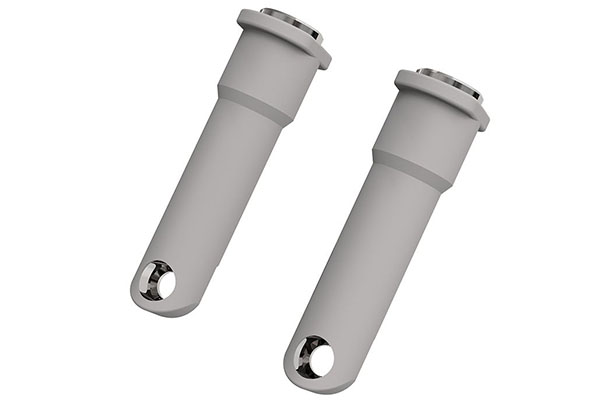
Once cooled, the mold opens. Ejector pins push the finished part out.
Ejection must be carefully designed. Pins need proper placement to distribute force evenly. If they’re in the wrong spots, the part may warp, crack, or stick.
Step 6: Post-Processing
The part is out of the mold, but it may not be finished. Common post-processing steps:
- Flash removal : Trimming excess plastic from parting lines
- Sprue and runner removal : Cutting off the channels that fed material to the part
- Surface finishing : Polishing, painting, or plating
- Assembly : Joining with other components
What Are the Key Components in Injection Molding?
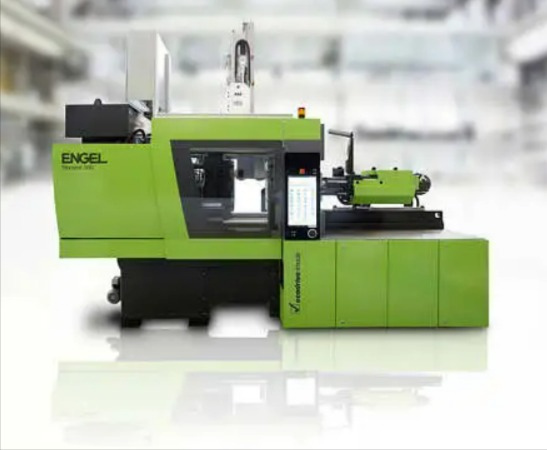
Injection Molding Machine
The machine has two main sections:
| Section | Function |
|---|---|
| Injection unit | Melts and injects the plastic |
| Clamping unit | Holds the mold closed during injection |
Machines range in size. Clamping force —the force holding the mold closed—can be a few tons for small parts or thousands of tons for large components like automotive bumpers.
Mold
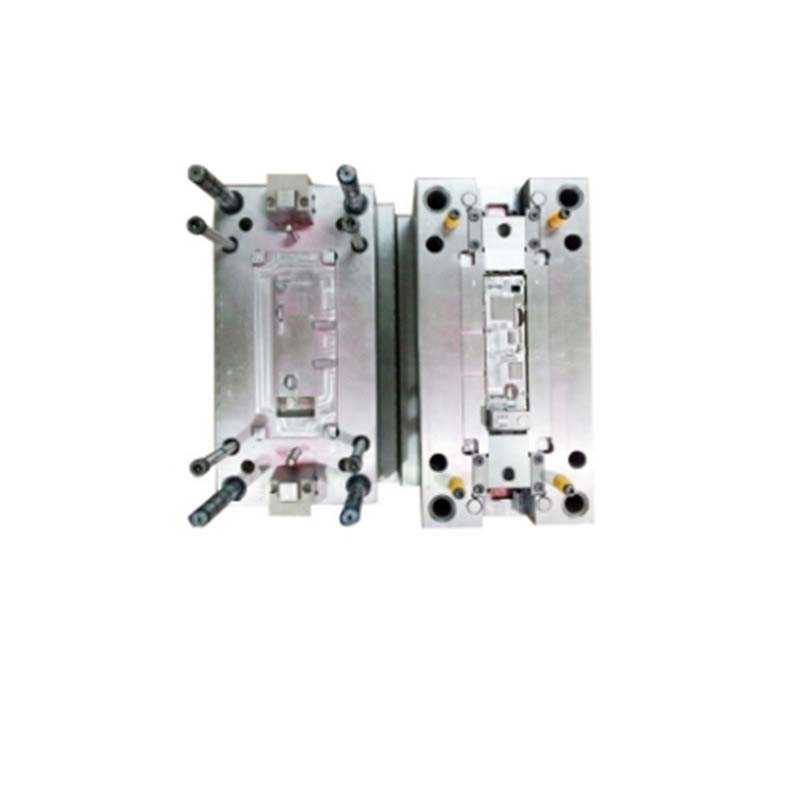
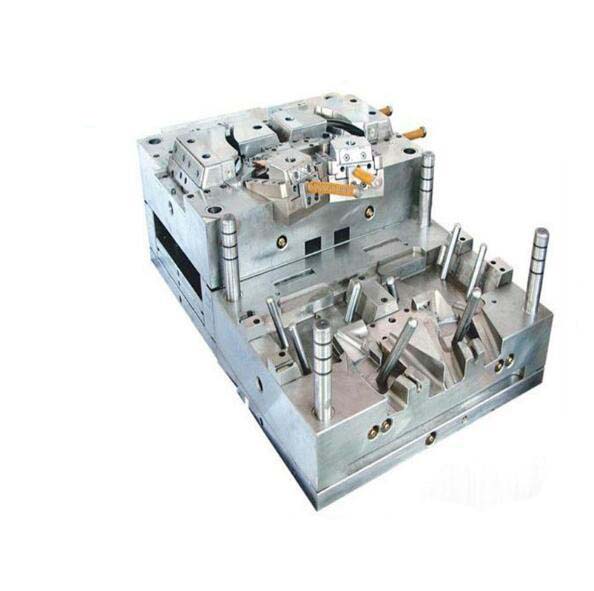
The mold is the tool that shapes the part. It’s typically made of steel or aluminum and has two halves:
- Cavity half : The stationary side that forms the outer shape
- Core half : The moving side that forms internal features
Molds can be simple—a single cavity producing one part per cycle. Or they can be complex—multiple cavities, moving cores, slides for undercuts, and hot runners that keep material molten.
A smartphone case mold, for example, may have precise cutouts for cameras, buttons, and ports—all formed in a single shot.
Auxiliary Equipment
Supporting equipment ensures consistency:
- Material dryers : Remove moisture from hygroscopic plastics
- Temperature controllers : Maintain mold temperature within narrow ranges
- Robots : Remove parts and handle post-processing
What Materials Are Used in Injection Molding?
Different plastics offer different properties. Here are the most common:
| Material | Melting Point (°C) | Shrinkage Rate (%) | Key Properties | Typical Applications |
|---|---|---|---|---|
| LDPE | 110–115 | 1.5–5 | Flexible, low cost | Plastic bags, simple containers |
| HDPE | 125–135 | 1.5–3 | Strong, chemical-resistant | Milk jugs, industrial parts |
| PP | 160–170 | 1–2.5 | Heat-resistant, high strength-to-weight | Automotive parts, food containers |
| ABS | 200–240 | 0.4–0.9 | Tough, good surface finish | Electronics housings, toys |
| PC | 250–300 | 0.5–0.7 | High impact, clear | Lenses, safety equipment |
Shrinkage matters because the part shrinks as it cools. Molds must account for this. A material with 1.5% shrinkage means a 100 mm part will end up at 98.5 mm if the mold isn’t oversized accordingly.
What Factors Determine Part Precision?
Precision isn’t automatic. It comes from controlling key variables.
Material Selection
The material you choose affects final dimensions. High-shrinkage materials like LDPE (up to 5%) demand careful mold design. Low-shrinkage materials like ABS (0.4–0.9%) are more forgiving for precision parts.
Temperature Control
Two temperatures matter:
- Barrel temperature : Too low, and the plastic doesn’t melt fully—causing short shots or rough surfaces. Too high, and the material degrades—losing strength and possibly discoloring.
- Mold temperature : Lower temperatures speed cooling but can cause warping. Higher temperatures improve surface finish but lengthen cycles.
For crystalline plastics like polyethylene, higher mold temperatures promote uniform crystal formation, improving dimensional stability.
Pressure Management
Two pressures matter:
- Plasticizing pressure (back pressure) : Typically 5–20 MPa . This homogenizes the melt and removes trapped air. Too high, and shear heating can degrade sensitive materials.
- Injection pressure : Ranges from 50 to 200+ MPa . Too low causes short shots. Too high causes flash, warping, or mold damage.
Where Is Injection Molding Used?
Consumer Electronics
Phone cases, laptop housings, keyboard keys, mouse shells. These parts need precision fits and good surface finish. Injection molding delivers both, even at millions of units.
Automotive Industry
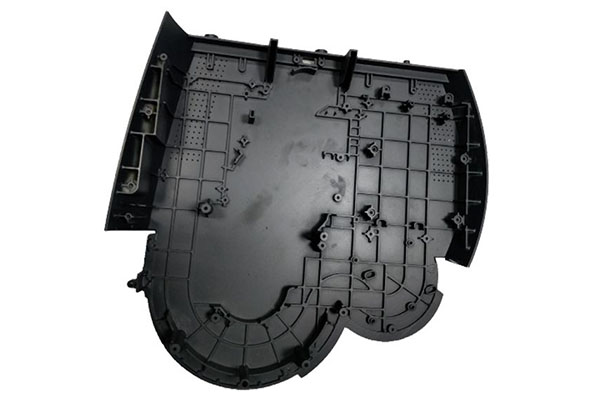
Dashboards, door panels, bumpers, light housings. Automotive parts must withstand heat, vibration, and impact. Injection molding handles high-performance materials like ABS, PC, and glass-filled nylon.
Medical Field
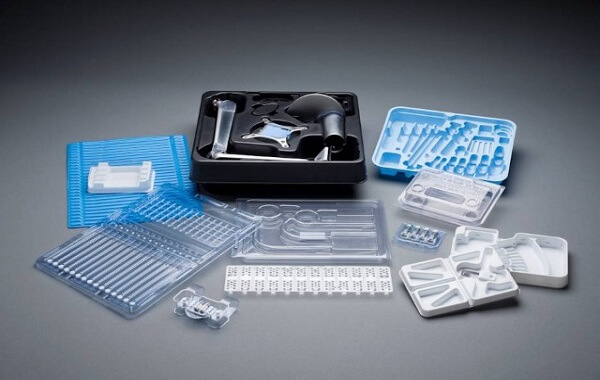
Syringes, instrument housings, diagnostic equipment. Medical parts require biocompatible materials and tight tolerances. Injection molding meets both, with cleanroom production available.
Daily Necessities
Bottle caps, kitchen utensils, food containers, toys. These products are produced in billions of units annually . Injection molding’s speed and low per-part cost make it the only practical choice.
What Does It Take to Start an Injection Molding Operation?
Equipment Costs
| Item | Cost Range |
|---|---|
| Small injection molding machine (50–150 tons) | $8,000–$50,000 |
| Large machine (500+ tons) | $100,000+ |
| Auxiliary equipment (dryers, chillers, robots) | $10,000–$30,000 |
Mold Costs
| Mold Type | Cost Range |
|---|---|
| Simple single-cavity mold | $5,000–$10,000 |
| Complex multi-cavity mold | $20,000–$50,000+ |
| High-precision mold with slides and hot runners | $50,000–$100,000+ |
Facility and Labor
Monthly costs vary by location. A 1,000-square-foot production space may cost $1,000–$3,000 in rent , plus utilities. Skilled operators earn $30,000–$50,000 annually ; technicians earn $50,000–$80,000 .
Total Startup Cost
A basic production line: $50,000–$200,000 . A high-capacity, fully automated line: $500,000 or more .
For most beginners, working with an established injection molding service makes more sense than building a line from scratch.
Yigu Technology's Perspective
At Yigu Technology , we live injection molding every day. Our team handles everything—material selection, mold design, production, and post-processing. We’ve built parts for automotive, medical, electronics, and consumer goods clients.
What sets us apart? We focus on getting it right the first time . We use mold flow analysis to predict filling and cooling before cutting steel. We control process parameters precisely. We inspect every part against specifications.
Whether you need 100 prototypes or 100,000 production parts, we have the equipment and expertise to deliver.
Conclusion
Plastic injection molding transforms simple pellets into the products that surround us. The process—melting, injecting, cooling, ejecting—repeats millions of times daily across factories worldwide.
Understanding the basics helps you make better decisions. Choose the right material. Design for manufacturability. Work with a partner who knows how to control temperature, pressure, and timing.
Injection molding isn’t the only way to make plastic parts. But for precision, consistency, and scale, nothing else comes close.
FAQ
What types of plastics are commonly used in injection molding?
ABS for electronics housings and toys. Polypropylene (PP) for automotive parts and food containers. Polyethylene (PE) for bottles and industrial components. Polycarbonate (PC) for lenses and impact-resistant parts. Each offers different properties—strength, flexibility, heat resistance, clarity.
How can I ensure the quality of injection-molded parts?
Start with high-quality raw materials from reliable suppliers. Use a well-designed mold with proper venting, gating, and cooling. Control process parameters —temperature, pressure, timing—consistently. Inspect parts regularly during production. Work with a manufacturer who has quality systems like ISO 9001.
What is the approximate cost of setting up an injection molding production line?
A basic line with a small machine and simple mold: $50,000–$200,000 . A high-capacity line with large machines and complex molds: $500,000 or more . For most beginners, partnering with an existing injection molding service is more cost-effective than building your own facility.
Can injection molding be used for small-batch production?
Yes, but with considerations. Aluminum molds cost less than steel and work for runs of 1,000–50,000 parts. Prototype molds can produce hundreds of parts for testing. For very small batches (10–100 parts), 3D printing or CNC machining may be more economical. The trade-off is per-part cost versus tooling investment.
What are common defects in injection molding and how do you fix them?
Flash (excess plastic): Reduce injection pressure or increase clamping force. Short shots (incomplete filling): Raise melt temperature or increase injection pressure. Sink marks (surface depressions): Increase packing pressure or time. Warpage : Balance cooling channels; adjust mold temperature. Voids : Improve drying; add vents.
Contact Yigu Technology for Custom Manufacturing
At Yigu Technology , we provide end-to-end plastic injection molding services. From design review to production, we help you choose the right materials, optimize mold design, and deliver quality parts. We work across industries—automotive, medical, electronics, consumer goods. Contact us today to discuss your injection molding project.