Introduction
Imagine a power tool that feels comfortable in your hand, doesn’t slip when you sweat, and survives drops on concrete. Now imagine that same tool costs less to manufacture than older versions. That’s the power of over molding.
Over molding—also called two-shot or multi-shot molding—combines two or more materials into a single, integrated part. Typically, a rigid substrate (like ABS or polycarbonate) forms the structural core. Then, a softer material (like thermoplastic elastomer or silicone) bonds directly onto it. The result? Parts that perform better, last longer, and feel more premium.
At Yigu Technology, we’ve used over molding to solve design challenges across industries—from medical devices to automotive interiors. In this guide, we’ll walk you through how the process works, why it outperforms traditional methods, and where it delivers the most value. Whether you’re designing a new product or improving an existing one, understanding over molding can open doors you didn’t know existed.
What Exactly Is Over Molding?
A Simple Definition
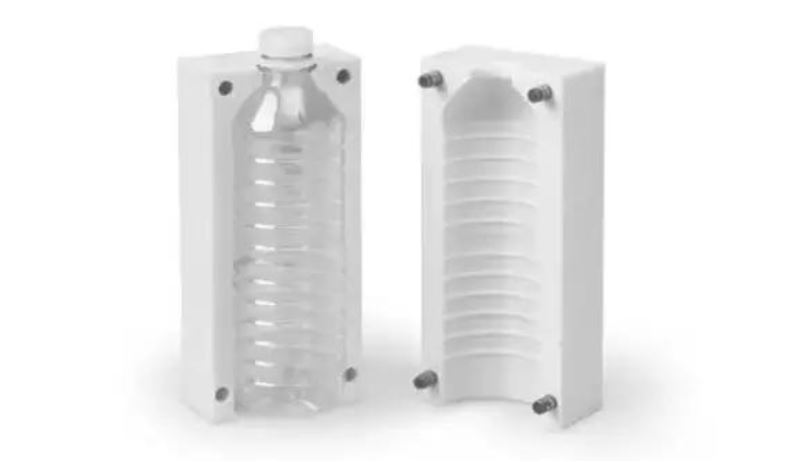
Over molding is a manufacturing process where one material is molded directly onto another. The first material—called the substrate—is formed using standard injection molding. Then, a second material is injected over it in a separate mold or cavity. The two materials bond chemically or mechanically, creating a single, unified part.
Think of a toothbrush. The hard plastic handle gives you structural support. The soft rubber grip on the back provides comfort and control. That grip isn’t glued on afterward. It’s over molded directly onto the handle during production.
One-Shot vs. Two-Shot Processes
There are two main ways to perform over molding:
| Method | How It Works | Best For |
|---|---|---|
| One-Shot Over Molding | Both materials inject into the same mold but at different times or through different gates. The substrate forms first, then the over mold material flows over it without moving the part. | Simpler geometries, lower tooling costs, moderate volumes. |
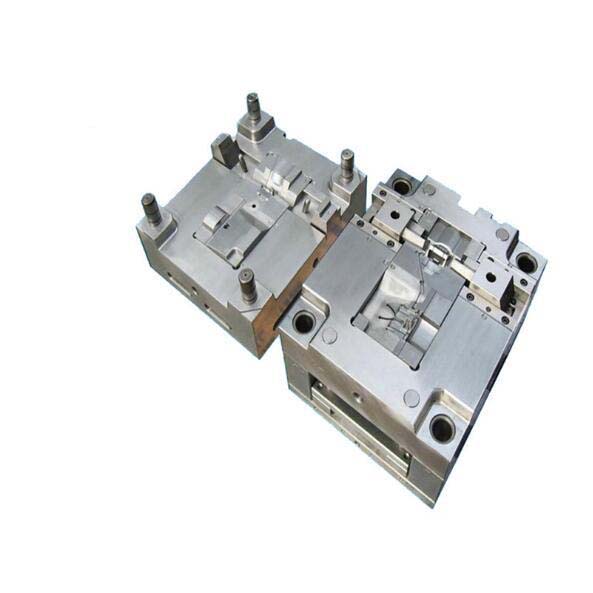
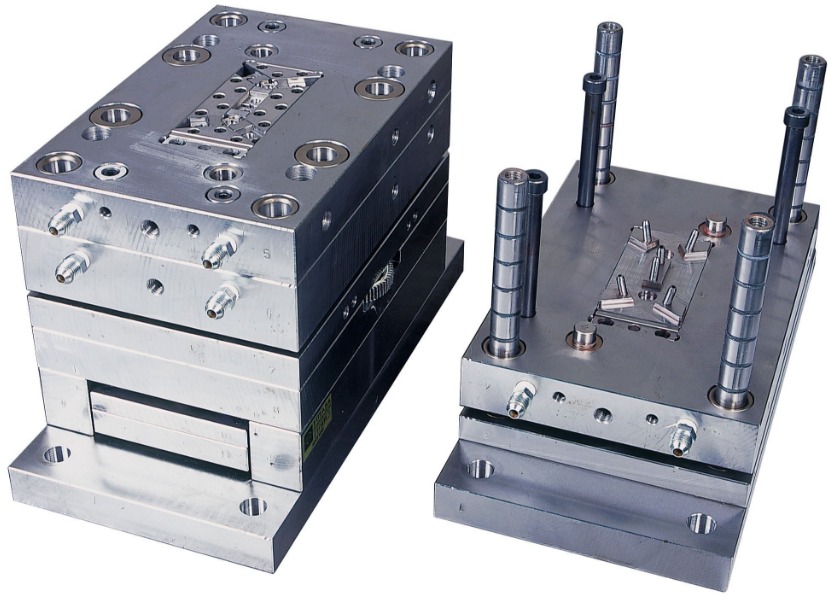
| Two-Shot Over Molding | The substrate forms in the first mold. Then the part transfers—often robotically—to a second mold where the over mold material is added. | Complex parts, high-volume production, materials with very different processing temperatures. |
At Yigu Technology, we often recommend two-shot molding for clients who need consistent quality at scale. The upfront tooling cost is higher, but the per-part cost drops significantly once production ramps up.
How Does the Over Molding Process Work?
Step-by-Step Breakdown
The process requires precision at every stage. Here’s what happens behind the scenes.
Step 1: Substrate Creation
First, we create the foundation. The chosen substrate material—say, ABS or polycarbonate—is dried, melted, and injected into a mold. Injection temperatures for ABS typically range from 200°C to 270°C. The mold itself is machined to exact specifications, often with cooling channels designed to shorten cycle times.
Once injected, the part cools and solidifies. Cooling time depends on wall thickness and material, but for small to medium parts, it usually takes 10 to 30 seconds. The substrate then ejects from the mold.
Step 2: Mold Transfer or Cavity Rotation
In two-shot molding, the substrate moves to the second mold or rotates to a second cavity. This step must be precise. Even a 0.1mm misalignment can cause flash or weak bonding. Many modern machines use rotary platens or robotic arms to ensure exact positioning.
Step 3: Over Mold Injection
Now, the second material—often TPE (thermoplastic elastomer) or silicone—injects over the substrate. TPE injection temperatures are lower, typically 150°C to 200°C. The material flows into cavities designed to cover specific areas—like the grip zone on a handle or the sealing edge on a connector.
The bond forms through thermal fusion or mechanical interlocking. If the materials are compatible, the heat from the second shot melts a thin layer of the substrate surface, creating a molecular bond. If not, the mold design includes undercuts or holes that allow the over mold material to physically lock into place.
Step 4: Cooling and Ejection
The combined part cools again, allowing the over mold material to set fully. Then the mold opens, and the finished part ejects—ready for use or minimal post-processing.
Why Choose Over Molding Over Traditional Methods?
Cost Comparison
Let’s address the elephant in the room. Over molding costs more upfront. But the long-term economics often favor it.
| Cost Factor | Over Molding | Traditional Molding |
|---|---|---|
| Mold Cost | Higher. Two molds or complex multi-cavity tools required. | Lower. One mold per part. |
| Material Cost | Can be higher due to using multiple resins. | Typically lower per part if using a single material. |
| Assembly Cost | Eliminates secondary bonding, gluing, or overmolding steps. | Often requires separate assembly operations. |
| Per-Unit Cost at Scale | Lower once volume exceeds breakeven point. | Higher when post-processing is factored in. |
Real-world example: A Yigu Technology client producing handheld medical scanners originally used a rigid plastic housing with a separately molded silicone grip that was glued on. Each unit required 45 seconds of assembly labor and had a 3% failure rate due to glue failure. By switching to two-shot over molding, we eliminated assembly time entirely and reduced defect rate to under 0.5%. The upfront mold investment was 40% higher, but the client recouped that cost within eight months of production.
Quality and Durability
Over-molded parts simply last longer. Here’s why:
- Stronger bonds: Unlike glued assemblies that can separate over time, over-molded bonds are permanent. The materials fuse at a molecular level.
- Shock absorption: Soft over mold layers cushion impacts. In power tools, this reduces stress on internal components. Drop tests show 20–30% fewer failures compared to rigid-only designs.
- Environmental resistance: Over mold materials can be selected for UV resistance, chemical resistance, or temperature extremes. A rigid substrate with a UV-stable TPE over mold can survive years of outdoor exposure without cracking or fading.
What Materials Work Best?
Common Substrate Materials
The substrate provides structure. It needs to withstand the heat of the second shot without deforming.
| Material | Key Properties | Typical Applications |
|---|---|---|
| ABS | Good impact strength, easy to process, bonds well with TPE | Consumer electronics, tool housings |
| Polycarbonate (PC) | High heat resistance, optical clarity, very strong | Automotive lighting, medical devices |
| Nylon (PA) | Excellent strength, chemical resistance | Industrial components, gears |
| PBT | Stiff, dimensionally stable, good electrical properties | Connectors, automotive sensors |
Common Over Mold Materials
The over mold material adds grip, sealing, comfort, or aesthetics.
| Material | Key Properties | Typical Applications |
|---|---|---|
| TPE (Thermoplastic Elastomer) | Soft, flexible, bonds well with polyolefins and ABS | Hand grips, soft-touch surfaces |
| TPU (Thermoplastic Polyurethane) | Abrasion-resistant, oil-resistant, durable | Power tool grips, wearable devices |
| Silicone | High temperature resistance, biocompatible, very soft | Medical devices, kitchen utensils, seals |
| TPV (Thermoplastic Vulcanizate) | Excellent weather resistance, rubber-like feel | Automotive seals, outdoor equipment |
Material Compatibility Matters
Not all materials bond. Compatibility is critical. ABS and TPE bond well. Polycarbonate and certain TPEs also work. But polypropylene—a common material for cost-sensitive parts—bonds poorly with most over mold materials unless specially formulated grades are used.
At Yigu Technology, we test material combinations before committing to tooling. A simple peel test can reveal bond strength. We’ve seen projects saved by switching to a more compatible material pair before steel was cut.
Where Is Over Molding Used?
Consumer Electronics
Over molding has transformed how we interact with devices.
Smartphones: The soft TPE edges on many phone cases aren’t separate pieces. They’re over molded onto a rigid polycarbonate frame. This design reduces drop damage. According to industry data, phones with over-molded bumpers experience 30% fewer cracked screens than those with hard-only cases.
Headphones: High-end headphones use over molding for earpads and headbands. A rigid inner structure provides stability. A soft silicone or TPE outer layer conforms to the user’s head, improving comfort during long listening sessions. Brands report higher customer satisfaction scores when over molding is used in comfort-critical areas.
Automotive Industry
Modern cars rely heavily on over molding.
Steering wheels: A rigid metal or plastic core provides structural integrity. A soft TPE or leather-like material over molds onto the grip areas. Driver surveys show 85% of users prefer over-molded steering wheels for comfort and perceived safety.
Seals and gaskets: Window seals, door seals, and engine compartment gaskets often combine a rigid plastic carrier with a flexible rubber-like over mold. This design improves weatherproofing and reduces noise. Acoustic tests show over-molded seals can cut cabin noise by up to 10 decibels compared to traditional single-material seals.
Interior trim: Door panels, gear shifters, and dashboard components use over molding to combine structural parts with soft-touch surfaces. This reduces the number of individual components—and the assembly time—by 20–40% per vehicle.
Medical Devices
Precision and biocompatibility make over molding ideal for medical applications.
Surgical instruments: Handles with soft-touch over molding reduce hand fatigue during long procedures. The bond between materials must withstand repeated sterilization cycles. Over-molded silicone handles on stainless steel cores have become standard in high-end surgical tools.
Wearable devices: Glucose monitors, insulin pumps, and fitness trackers use over molding to combine rigid electronics housings with soft, skin-contact materials. This improves wearer comfort while maintaining water resistance ratings of IP67 or higher.
What Challenges Should You Expect?
Adhesion Issues
The biggest risk in over molding is poor bonding. If the substrate surface is contaminated—even with mold release or dust—the second material may not stick. Solution: Clean substrates immediately before over molding. Some processes use plasma treatment or flame treatment to improve surface energy.
Shrinkage Mismatch
Different materials shrink at different rates as they cool. If the over mold material shrinks much more than the substrate, it can warp the part or create residual stress. Solution: Run shrinkage simulations before tooling. Match materials with compatible shrinkage rates or design features that accommodate differential movement.
Tooling Complexity
Two-shot molds are more complex than standard molds. They require rotary platens, robotic transfers, or sliding cores. Tooling lead times can extend by 4–8 weeks compared to single-shot molds. Solution: Partner with an experienced mold maker who specializes in multi-shot tooling. At Yigu Technology, we’ve built over 200 multi-shot molds—we know where the pitfalls hide.
Conclusion
Over molding isn’t just a manufacturing technique. It’s a design enabler. By combining materials with complementary properties, you can create parts that are stronger, more comfortable, longer-lasting, and more cost-effective to produce at scale.
The upfront investment—in tooling and engineering—is real. But for products where grip matters, where seals must hold, or where multiple functions need to coexist in a single part, over molding delivers returns that traditional methods simply can’t match.
From consumer electronics to automotive interiors to life-saving medical devices, over molding is driving innovation across industries. And as materials science advances, the possibilities will only grow.
FAQ
What are the main challenges in over molding?
Adhesion between materials is the biggest challenge. If the substrate is contaminated or the materials aren’t chemically compatible, the over mold layer can peel or separate. Shrinkage differences between materials can also cause warping or residual stress. Tooling complexity adds cost and lead time. Proper material selection, surface treatment, and simulation work before tooling can prevent these issues.
Can over molding be used for large-scale production?
Yes. Two-shot over molding is specifically designed for high-volume production. Once the molds are built and the process is optimized, cycle times are comparable to standard injection molding—often 20–40 seconds per part. The elimination of secondary assembly steps actually improves throughput in many cases.
Are there any environmental concerns with over molding?
Recycling can be more complex because over-molded parts combine multiple materials. However, recent advances in compatible material systems allow for easier recycling. Some manufacturers now offer over molding with chemically similar materials that can be recycled together. Additionally, the durability of over-molded parts often extends product lifespan, reducing overall waste.
What’s the difference between over molding and insert molding?
Insert molding involves placing a pre-formed component—often metal—into a mold and injecting plastic around it. Over molding specifically refers to molding one plastic material over another. The two processes are related but serve different purposes. Insert molding is common for adding threaded metal inserts or electrical contacts. Over molding is used for combining materials with different tactile, aesthetic, or functional properties.
How do I know if my product needs over molding?
Ask yourself these questions: Does your product need both rigid structure and soft-touch areas? Do you currently assemble multiple parts with adhesive or mechanical fasteners? Are you experiencing field failures from bonded components separating? If yes to any of these, over molding may be the right solution. A good manufacturing partner can help evaluate your design and recommend the most cost-effective approach.
Contact Yigu Technology for Custom Manufacturing
Ready to explore how over molding can improve your product? At Yigu Technology, we specialize in custom plastic injection molding and over molding solutions. Our team brings decades of hands-on experience—from material selection and mold design to full-scale production.
We work with clients across medical, automotive, consumer electronics, and industrial sectors. Whether you need a feasibility assessment, prototype tooling, or high-volume manufacturing, we’re here to help.
Contact us today to discuss your project. Let’s build something better—together.