Introduction
Have you ever held an old radio, flipped a light switch, or opened an electrical panel? If so, you have likely touched bakelite plastic sheet. This material has been around since the early 1900s, yet it remains a trusted choice in countless applications today.
So what exactly is it? Bakelite plastic sheet, also called phenolic plastic sheet, is a thermosetting plastic. Unlike thermoplastics that melt when heated, bakelite hardens permanently during manufacturing. Once set, it stays that way. It does not soften, warp, or lose its shape under heat.
This unique behavior comes from its chemistry. Bakelite starts with phenolic resin, made by reacting phenol with formaldehyde. The result is a cross-linked polymer structure that gives the material its signature durability.
But bakelite is rarely used alone. Manufacturers add fillers like wood flour, cotton, or glass fibers to boost specific properties. Wood flour improves mechanical strength and gives bakelite its wood-like appearance. Cotton adds impact resistance. Glass fibers increase heat tolerance even further.
Why does this matter to you? Whether you are an engineer selecting materials, a manufacturer optimizing costs, or a hobbyist working on a project, understanding bakelite helps you make better decisions. This article covers everything you need to know—from its properties and applications to how it compares with other plastics.
What Makes Bakelite Plastic Sheet Unique?
How Does the Thermosetting Nature Work?
Bakelite belongs to a family called thermosetting plastics. These materials undergo a chemical change during curing. Heat triggers a reaction that creates strong cross-links between polymer chains.
Think of it like baking a cake. Once baked, you cannot unbake it. Similarly, once bakelite cures, you cannot melt it back into a liquid. This gives it permanent stability. It will not soften under heat or dissolve in solvents.
Thermoplastics, in contrast, melt when heated. This makes them easier to recycle but less stable in high-temperature environments. For applications where heat is constant, thermosets like bakelite are the safer choice.
What Role Do Fillers Play?
Fillers are not just cheap additives. They enhance performance in specific ways.
| Filler Type | Properties Enhanced | Common Applications |
|---|---|---|
| Wood Flour | Mechanical strength, wood-like appearance | Electrical housings, knobs |
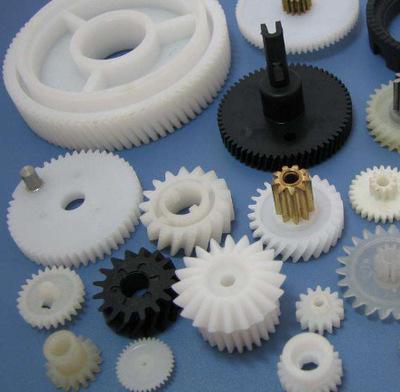
| Cotton Cloth | Impact resistance, toughness | Gears, structural parts |
| Glass Fibers | Heat resistance, dimensional stability | High-temperature components |
| Asbestos (historic) | Heat and fire resistance | Older industrial parts |
The choice of filler determines the final properties. A cotton-filled sheet handles impacts better. A glass-filled sheet withstands higher temperatures. Understanding this helps you select the right grade for your needs.
What Are the Key Properties?
Electrical Insulation
Bakelite excels at electrical insulation. Its volume resistivity ranges from 10^12 to 10^13 Ω·cm. This is far higher than many common plastics. High resistivity means electricity does not leak through the material.
This property makes bakelite ideal for sockets, switch housings, and circuit board insulation. When you plug a device into a wall outlet, the bakelite casing keeps electricity safely contained.
Heat Resistance
Bakelite can withstand temperatures up to 150–200°C without losing strength. This heat deflection temperature is one of its standout features.
Consider a distributor cap in a car engine. Engine compartments can hit 150–200°C under heavy load. A thermoplastic would soften and fail. Bakelite keeps working. Its thermosetting nature ensures dimensional stability even when hot.
Mechanical Strength
Bakelite offers tensile strength between 35–100 MPa, depending on the filler. Flexural strength ranges from 60–150 MPa. These numbers put it in the same league as many engineering plastics.
For comparison, standard polypropylene (PP) offers 20–40 MPa tensile strength. Bakelite is stronger and stiffer. It handles mechanical stress without bending or breaking.
Dimensional Stability
Because bakelite does not melt or soften, it holds its shape under load and temperature. This matters in precision applications. Circuit boards need insulation layers that do not warp during soldering. Bakelite delivers that stability.
Chemical and Wear Resistance
Bakelite resists many acids, alkalis, and solvents. It also has good wear resistance. In gears and bearings, this translates to longer service life. A bakelite gear in a conveyor system can run for years with minimal wear.
Where Is Bakelite Plastic Sheet Used?
In Electrical and Electronics
Socket and switch housings are classic examples. The wall outlet in your home likely has a bakelite casing. Its electrical insulation keeps you safe. Its heat resistance handles the warmth from current flow.
Switch housings for high-power applications also rely on bakelite. When a switch handles significant current, it generates heat. Bakelite withstands that heat without softening.
Circuit board insulation is another key use. In printed circuit boards (PCBs), bakelite-based laminates separate conductive traces. During soldering, temperatures rise quickly. Bakelite maintains its integrity. Studies show that bakelite-based laminates have a failure rate below 1% over 10 years of normal operation. Some alternative materials see failure rates of 5–10%.
In the Automotive Industry
Distributor caps and ignition coils depend on bakelite. These components handle high-voltage electricity in hot engine compartments. Bakelite provides the necessary insulation and heat resistance.
Door handles and dashboard trim also use bakelite. The material molds into various shapes and accepts different finishes. It offers good durability at a reasonable cost. And its flame-retardant properties add safety. In a fire, bakelite trim slows flame spread.
Weight savings matter too. A bakelite engine component can weigh up to 50% less than its metal counterpart. This improves fuel efficiency without sacrificing strength.
In Industrial Machinery
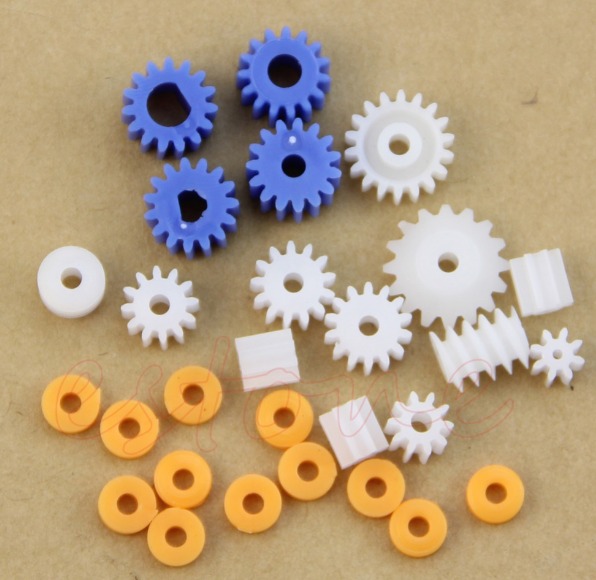
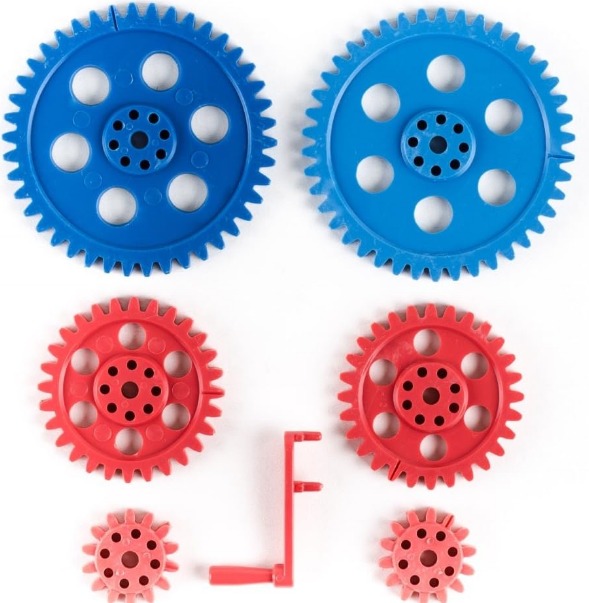
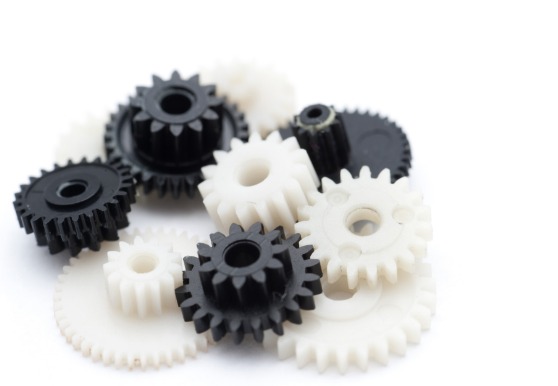
Gears made from bakelite run quieter than metal gears. Tests show a noise reduction of 10–15 decibels in conveyor systems. Bakelite gears also self-lubricate to some extent. This reduces maintenance and prevents oil contamination in sensitive processes.
Bearings in corrosive environments benefit from bakelite. In a chemical plant processing acids, metal bearings may corrode within months. Bakelite bearings last for years. They also withstand high temperatures in industrial ovens.
Sealing components in hydraulic systems use bakelite. Seals made from bakelite maintain integrity under pressures up to 30–50 MPa and temperatures up to 120–150°C. This prevents fluid leaks and keeps machinery running.
How Does Bakelite Compare to Other Plastics?
Side-by-Side Comparison
The table below compares bakelite with polyethylene (PE), polypropylene (PP), and polycarbonate (PC).
| Property | Bakelite | PE | PP | PC |
|---|---|---|---|---|
| Tensile Strength (MPa) | 35–100 | 7–30 | 20–40 | 60–70 |
| Flexural Strength (MPa) | 60–150 | 10–30 | 30–60 | 90–120 |
| Impact Strength (kJ/m²) | 1–5 | 5–100 | 2–10 | 50–100 |
| Heat Deflection Temp (°C) | 150–200 | 40–120 | 90–110 | 130–140 |
| Volume Resistivity (Ω·cm) | 10^12–10^13 | 10^15–10^17 | 10^14–10^16 | 10^14–10^16 |
| Dielectric Constant (1 MHz) | 4–6 | 2–3 | 2–3 | 2.9–3.1 |
When Should You Choose Bakelite?
High-temperature electrical applications favor bakelite. PE and PP soften at lower temperatures. PC has decent heat resistance but does not match bakelite's electrical properties in high-voltage environments.
Mechanical components needing wear resistance also suit bakelite. Its tensile and flexural strength, combined with dimensional stability, outperform PP in gears and bearings. PE, especially low-density grades, deforms too easily.
Cost-sensitive applications with moderate requirements make bakelite attractive. It costs less than PC while still meeting basic electrical and mechanical needs. For consumer electronics components that do not demand premium performance, bakelite offers excellent value.
Conclusion
Bakelite plastic sheet has earned its place as a reliable, versatile material. Its thermosetting nature ensures permanent stability. Its electrical insulation properties keep systems safe. Its heat resistance handles demanding environments. Its mechanical strength supports structural applications. And its cost-effectiveness makes it accessible.
From electrical sockets to automotive components to industrial machinery, bakelite continues to serve industries well. Understanding its properties helps you choose the right material for your project. When you need a balance of electrical insulation, heat resistance, mechanical strength, and affordability, bakelite is often the answer.
FAQ
What is the difference between bakelite and regular plastic?
Bakelite is a thermosetting plastic. It hardens permanently during manufacturing and cannot be melted again. Regular plastics like polyethylene are thermoplastics. They melt when heated and can be reshaped. This makes bakelite more heat-resistant and dimensionally stable.
Can bakelite plastic sheet be recycled?
Recycling thermosetting plastics like bakelite is difficult. They cannot be melted and remolded like thermoplastics. However, bakelite waste can be ground into filler material for new composite products. For most applications, bakelite's long lifespan means it rarely needs replacement.
Is bakelite safe for food contact?
Older bakelite products sometimes contained fillers that are not food-safe. Modern bakelite formulations can be food-safe, but it depends on the specific grade. Always check manufacturer specifications if food contact is intended. For general electrical and mechanical applications, safety is well established.
What temperatures can bakelite withstand?
Bakelite typically withstands temperatures up to 150–200°C without losing structural integrity. The exact rating depends on the filler used. Glass-filled grades handle higher temperatures better than wood-filled grades.
Contact Yigu Technology for Custom Manufacturing
Need custom bakelite plastic sheet components for your next project? Yigu Technology specializes in precision fabrication of phenolic materials. We offer cutting, machining, and finishing services to meet your exact specifications. Our team helps you select the right grade and filler for your application. Contact us today to discuss your requirements.