Introduction
You have a product design. You have tested prototypes. Now you need to make hundreds or thousands of parts. But traditional molds take months to build and cost tens of thousands of dollars. What if you could cut that time by more than half? This is where rapid tooling changes the game.
Rapid tooling is the fast fabrication of molds, dies, and tooling used in manufacturing processes. It bridges the gap between prototyping and full-scale production. Instead of waiting 12 to 16 weeks for a traditional mold, rapid tooling can deliver usable tooling in 3 to 6 weeks—sometimes even faster. At Yigu Technology, we have used rapid tooling to help clients launch products months ahead of schedule. This article explains what rapid tooling is, how it works, and why it matters for your next project.
What Exactly Is Rapid Tooling?
Rapid tooling is a set of manufacturing techniques designed to produce molds and tooling quickly and cost-effectively.
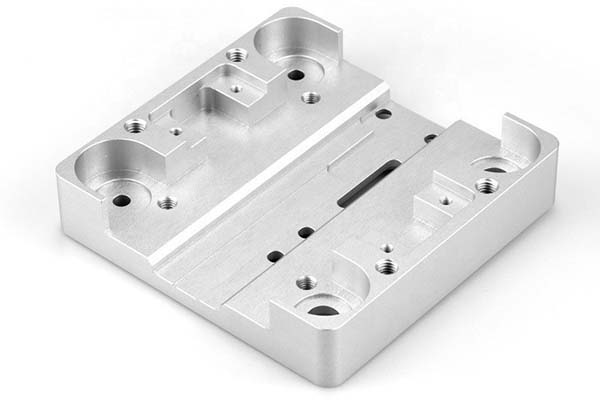
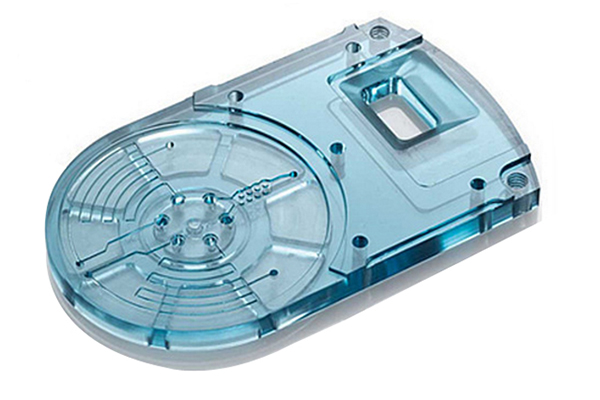
Traditional tooling involves machining molds from solid blocks of steel or aluminum. This process is precise but slow. It requires skilled machinists, multiple setups, and extensive lead times. Rapid tooling uses modern technologies—such as 3D printing, CNC machining, and casting—to compress that timeline.
The goal is not to replace traditional tooling for high-volume production. Instead, rapid tooling serves specific needs:
- Bridge production between prototyping and mass manufacturing
- Low-volume production of 100 to 5,000 parts
- Design validation using production-equivalent materials
- Market testing with real products
How Does Rapid Tooling Work?
Different rapid tooling methods suit different applications. Understanding them helps you choose the right approach.
Direct vs. Indirect Tooling
Rapid tooling falls into two categories.
| Type | Description | Best For |
|---|---|---|
| Direct tooling | Tool is built directly using additive manufacturing or CNC | Simple molds, short runs, quick turnaround |
| Indirect tooling | A master pattern is created, then a mold is cast from it | Complex geometries, better surface finish, moderate volumes |
Common Rapid Tooling Technologies
| Technology | Process | Typical Lead Time | Suitable Volume |
|---|---|---|---|
| 3D printed molds (plastic) | SLA or FDM molds for low-pressure casting | 1–2 weeks | 10–100 parts |
| 3D printed molds (metal) | Direct metal laser sintering (DMLS) for injection molds | 2–4 weeks | 100–1,000 parts |
| CNC machined aluminum molds | High-speed machining of aluminum tooling | 3–5 weeks | 1,000–10,000 parts |
| Vacuum casting with silicone molds | Silicone molds cast from a master pattern | 1–2 weeks | 10–50 parts |
| Rapid injection molding | Simplified mold design with faster fabrication | 2–4 weeks | 100–5,000 parts |
A consumer electronics company needed 500 plastic enclosures for a market test. Traditional steel tooling would have taken 12 weeks and cost $25,000. They chose CNC machined aluminum molds, which were ready in 4 weeks for $8,000. The test validated demand, and they scaled to steel tooling for full production.
Why Is Rapid Tooling Crucial?
Faster Time to Market
Speed is the most obvious benefit. Traditional tooling consumes months. Rapid tooling compresses that timeline significantly.
A study of manufacturing lead times shows:
| Tooling Type | Average Lead Time | Cost for Medium-Sized Mold |
|---|---|---|
| Traditional steel mold | 12–16 weeks | $20,000–$80,000 |
| CNC aluminum mold | 3–5 weeks | $5,000–$15,000 |
| 3D printed metal mold | 2–4 weeks | $4,000–$12,000 |
| 3D printed plastic mold | 1–2 weeks | $500–$3,000 |
An automotive supplier used rapid tooling to produce molds for a new SUV's door handles. Traditional tooling would have taken 14 weeks. Rapid tooling delivered in 5 weeks. The vehicle launched two months earlier, capturing peak market demand.
Lower Cost for Low Volumes
Traditional steel molds are economical only when production volumes justify the high upfront cost. For low to medium volumes, rapid tooling offers a better cost structure.
| Production Volume | Recommended Tooling | Approximate Cost per Part |
|---|---|---|
| 10–100 units | 3D printed mold or vacuum casting | $20–$100 |
| 100–1,000 units | Aluminum mold | $5–$20 |
| 1,000–10,000 units | Aluminum mold or rapid steel mold | $2–$10 |
| 10,000+ units | Traditional steel mold | $0.50–$5 |
A medical device startup needed 200 units for clinical trials. Traditional steel tooling would have cost $30,000 and taken 14 weeks. They used a silicone mold from a 3D printed master pattern. Total cost was $3,500, and they had parts in 2 weeks.
Design Flexibility
Rapid tooling allows changes late in the development cycle. With traditional steel molds, a design change means expensive rework or a new mold. With rapid tooling, modifications are faster and cheaper.
A consumer goods company discovered during market testing that their product's grip needed adjustment. The mold was already built in aluminum. The change required modifying the cavity—a $2,000 and one-week adjustment. If they had already built steel tooling, the same change would have cost $15,000 and taken four weeks.
Risk Reduction
Rapid tooling lets you validate both the product and the manufacturing process before committing to high-volume tooling.
You can:
- Test with production materials (not just prototype resins)
- Validate cycle times and processing parameters
- Identify moldability issues before they become expensive problems
- Gather real customer feedback with actual parts
What Are the Limitations?
Rapid tooling is powerful but not a complete replacement for traditional tooling.
| Limitation | Impact | When It Matters |
|---|---|---|
| Shorter mold life | Aluminum molds last 10,000–50,000 cycles; steel lasts 500,000+ | High-volume production |
| Lower thermal conductivity | 3D printed molds may have slower cooling cycles | Cycle time-sensitive applications |
| Surface finish | Some rapid molds require more finishing | Cosmetic parts with tight surface requirements |
| Size constraints | Build volumes limit mold size | Large parts or family molds |
For high-volume consumer products requiring millions of parts, traditional steel tooling remains the standard. For bridge production, market testing, and low to medium volumes, rapid tooling is often the better choice.
How Do You Choose the Right Approach?
Selecting the right rapid tooling method depends on three factors.
1. Volume
How many parts do you need?
- Under 100: 3D printed molds or vacuum casting
- 100–5,000: Aluminum molds or rapid injection molding
- 5,000–50,000: Hardened aluminum or rapid steel
- Over 50,000: Traditional steel tooling
2. Material
What material will the final parts be made from?
- Soft plastics (PP, PE, ABS): Aluminum molds work well
- Glass-filled or reinforced plastics: Hardened steel may be required
- High-temperature materials (PC, PEEK): Steel molds with proper cooling
3. Timeline
When do you need parts?
- 1–2 weeks: 3D printed molds or vacuum casting
- 3–5 weeks: Aluminum molds
- 6–8 weeks: Rapid steel or expedited traditional tooling
Case Study: Rapid Tooling in Action
A startup developing a new portable medical diagnostic device needed 1,000 units for a pilot program. The device housing required:
- ABS plastic (same as production material)
- Snap-fit features for assembly
- Aesthetic surface finish
- 8-week delivery
Traditional approach:
- Steel injection mold: $25,000
- Lead time: 14 weeks
- Total project time: 16 weeks (including part production)
Rapid tooling approach:
- CNC aluminum mold: $9,000
- Lead time: 4 weeks
- Part production: 2 weeks
- Total: 6 weeks
The startup saved $16,000 in tooling costs and 10 weeks of time. They completed the pilot program on schedule and secured additional funding based on real product feedback.
Yigu Technology's Perspective
As a custom manufacturer of non-standard plastic and metal products, Yigu Technology views rapid tooling as an essential capability. It allows us to serve clients who need production-quality parts without the lead times and costs of traditional tooling.
We use rapid tooling to:
- Help startups validate products before large investments
- Support bridge production while steel tooling is built
- Enable design refinements based on real-world testing
- Reduce risk for clients entering new markets
In our experience, clients who use rapid tooling effectively often launch products 3 to 6 months faster than those who wait for traditional tooling. The upfront cost is lower, and the ability to iterate reduces the risk of expensive post-launch fixes.
Conclusion
Rapid tooling is not just a faster way to make molds. It is a strategic approach to product development. It reduces risk, accelerates time to market, and makes low-volume production economically viable. Whether you are a startup testing a new product, a medical device company preparing for clinical trials, or an automotive supplier launching a new model, rapid tooling offers a practical path from prototype to production.
The key is matching the technology to your volume, material, and timeline. When done right, rapid tooling does not just save time and money—it enables better products by allowing real-world testing and refinement before full-scale manufacturing begins.
Frequently Asked Questions
What is the difference between rapid tooling and traditional tooling?
Traditional tooling uses steel molds machined over 12–16 weeks, designed for millions of cycles. Rapid tooling uses aluminum molds or 3D printed tooling, produced in 2–6 weeks, suitable for low to medium volumes. Rapid tooling is faster and cheaper upfront; traditional tooling has lower per-part cost at high volumes.
How many parts can a rapid tool produce?
It depends on the method. 3D printed plastic molds typically last for 10–100 parts. Aluminum molds can produce 10,000–50,000 parts. Steel molds (including rapid steel) can produce 100,000 to over 1 million parts.
Is rapid tooling suitable for metal parts?
Yes. Direct metal laser sintering (DMLS) can produce metal molds and tooling. For metal parts themselves, rapid tooling can create molds for metal injection molding (MIM) or die casting. CNC machining is also used for metal parts in low to medium volumes.
How much does rapid tooling cost?
Costs vary widely based on size, complexity, and material. A simple 3D printed mold may cost $500–$2,000. An aluminum injection mold typically ranges from $3,000–$15,000. A traditional steel mold of similar complexity would cost $15,000–$50,000 or more.
When should I use rapid tooling instead of traditional tooling?
Use rapid tooling when: you need parts in less than 8 weeks, your production volume is under 50,000 units, you expect design changes, or you want to validate manufacturing processes before committing to high-volume tooling. Use traditional tooling for high-volume production (50,000+ units) where per-part cost is the primary driver.
Contact Yigu Technology for Custom Manufacturing
At Yigu Technology, we specialize in custom manufacturing for plastic and metal parts. Our capabilities include CNC machining, injection molding, 3D printing, and rapid tooling services. We work with startups, medical device companies, automotive suppliers, and aerospace firms to deliver production-quality parts with fast lead times.
If you are considering rapid tooling for your next project, our engineering team can help you select the right approach based on your volume, material, and timeline. Contact us to discuss your project requirements. Let us help you move from prototype to production faster.