Phenolic bakelite sheet is one of those materials that quietly performs in demanding applications. You may not see it, but it is inside electrical panels, industrial machinery, and automotive components. Its combination of electrical insulation, heat resistance, and mechanical strength makes it invaluable where other materials fail.
This guide covers everything you need to know about phenolic bakelite sheet. You will learn what it is made of, its key properties, where it excels, and how to select the right grade for your application. Whether you are an engineer specifying materials or a buyer sourcing components, this information helps you make informed decisions.
What Is Phenolic Bakelite Sheet?
Composition and Structure
Phenolic bakelite sheet is a composite material. It consists of two main components:
- Phenolic resin: A thermosetting polymer formed by reacting phenol and formaldehyde. This resin provides heat resistance, electrical insulation, and chemical stability.
- Substrate material: Paper or fabric layers impregnated with the resin. Common substrates include kraft paper for standard grades and cotton cloth for higher mechanical strength.
The combination creates a rigid, durable sheet. The substrate provides reinforcement. The resin binds it together and gives the sheet its key properties.
How It Is Made
The manufacturing process involves:
- Impregnation: Paper or fabric passes through a phenolic resin bath, saturating the substrate.
- Drying: The impregnated material is dried to remove solvents.
- Layering: Multiple layers are stacked to achieve the desired thickness.
- Curing: Heat and pressure are applied. The resin cross-links, forming a permanent thermoset structure.
- Finishing: The cured sheet is cut to size and may be surface finished.
The result is a material that cannot be remelted or reshaped after curing. This permanence gives it stability under heat and load.
Types Based on Substrate
| Type | Substrate | Key Characteristics | Common Applications |
|---|---|---|---|
| Paper-based (XXX, XPC) | Kraft paper | Good electrical insulation, lower cost | Electrical panels, circuit boards |
| Fabric-based (XX, C, LE) | Cotton cloth | Higher mechanical strength, better wear resistance | Gears, pulleys, mechanical components |
| Glass-based (G-10, FR-4) | Fiberglass | Very high strength, flame retardant | High-performance electrical, aerospace |
What Properties Make It Valuable?
Mechanical Strength
Phenolic bakelite sheet offers good mechanical properties for a non-metallic material. A 3 mm thick sheet typically withstands flexural loads up to 150 MPa.
| Property | Paper-Based | Fabric-Based |
|---|---|---|
| Tensile strength | 30–50 MPa | 50–80 MPa |
| Flexural strength | 40–60 MPa | 70–100 MPa |
| Compressive strength | 150–200 MPa | 180–250 MPa |
Fabric-based grades provide higher strength due to the reinforcement from cotton cloth. They are preferred for structural applications and moving parts.
Heat Resistance
This is where phenolic bakelite sheet excels. It maintains structural integrity at elevated temperatures where many materials soften or degrade.
| Operating Condition | Temperature Range |
|---|---|
| Continuous service | 150–180°C |
| Short-term exposure | Up to 250°C |
| Peak intermittent | 300°C (brief) |
In motors and transformers, the material withstands heat generated during operation. In industrial ovens, it serves as structural components where plastics would fail.
Electrical Insulation
Phenolic bakelite sheet is an outstanding electrical insulator. Its properties compare favorably to other materials:
| Material | Dielectric Strength (kV/mm) | Volume Resistivity (Ω·m) |
|---|---|---|
| Phenolic bakelite | 15–20 | 10¹¹–10¹³ |
| PVC sheet | 10–15 | 10⁹–10¹¹ |
| Epoxy glass (G-10) | 20–25 | 10¹²–10¹⁴ |
For high-voltage applications, the material prevents electrical leakage and arc tracking. It is used in switchgear, distribution panels, and transformer insulation.
Chemical Resistance
Phenolic bakelite sheet resists many chemicals:
- Acids: Good resistance to dilute acids
- Alkalis: Moderate resistance, depends on concentration
- Solvents: Resists aliphatic hydrocarbons, alcohols
- Oils and fuels: Excellent resistance
However, strong oxidizing agents can attack the material. For applications with chemical exposure, verify compatibility with the specific substances involved.
Dimensional Stability
The material holds its shape under varying conditions. It does not creep significantly under load. Moisture absorption is low (0.5–1.5% depending on grade). This stability matters for precision components and parts that must maintain tolerances over time.
Where Is Phenolic Bakelite Sheet Used?
Electrical Industry
Switchgear enclosures: The material insulates and protects electrical components. Its high dielectric strength prevents electrical leakage. Its flame resistance adds safety.
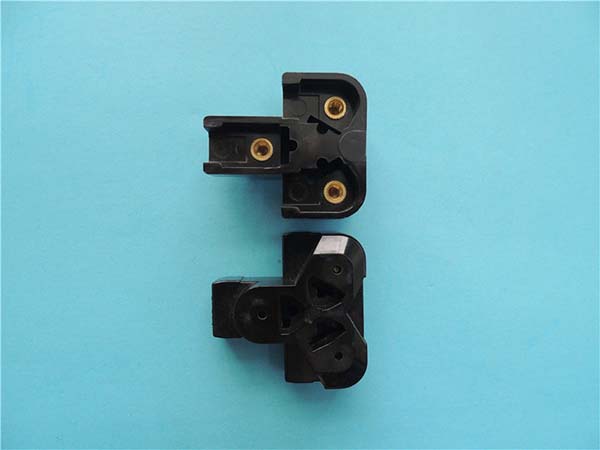
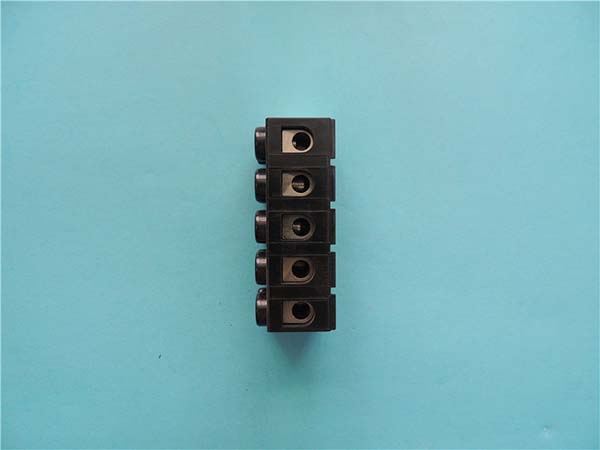
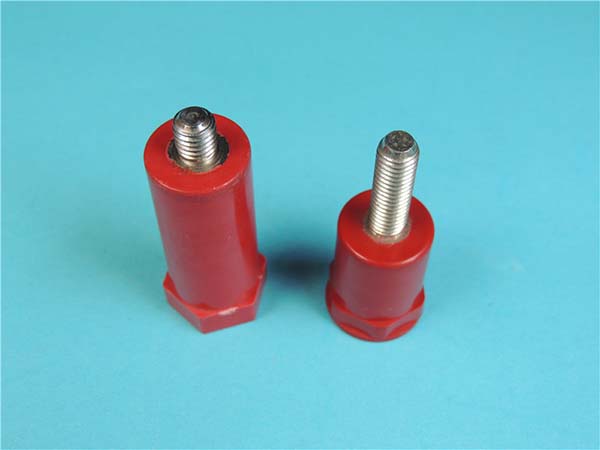
Insulating components: Terminal blocks, bushings, and insulators rely on phenolic bakelite for reliable insulation. In high-voltage power lines, phenolic insulators separate conductors from supporting structures.
Circuit boards: Paper-based phenolic sheet (XXX, XPC) was the original printed circuit board material. While FR-4 glass epoxy dominates today, phenolic still serves in cost-sensitive, low-frequency applications.
A manufacturer of industrial control panels uses phenolic bakelite sheet for all internal insulating barriers. The material passes UL flammability tests and provides reliable insulation in panels operating 24/7.
Mechanical Engineering
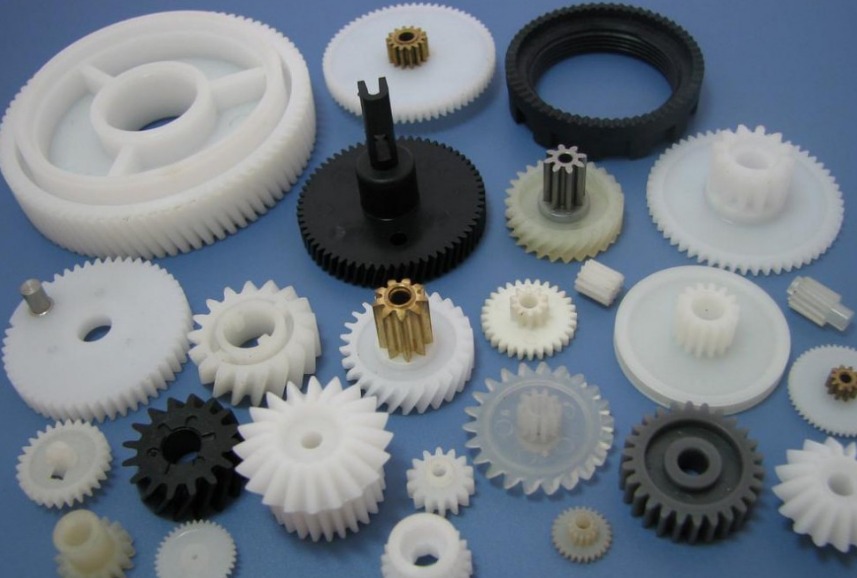
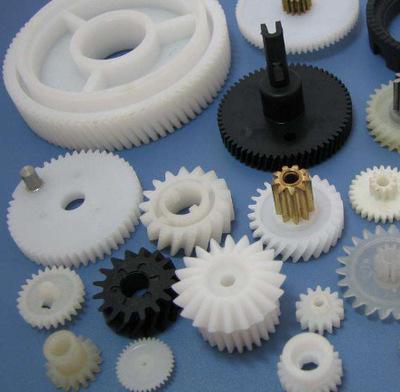
Gears: Fabric-based phenolic gears run quietly and smoothly. They are self-lubricating to some extent. For low-to-medium load applications, they outperform metal gears in noise reduction and wear resistance.
Pulleys and cams: The material machines well and holds tight tolerances. It is used in textile machinery, printing presses, and packaging equipment.
Gaskets and seals: Phenolic bakelite gaskets withstand high temperatures and chemical exposure. In internal combustion engines, they seal against hot oil and combustion gases.
| Application | Preferred Grade | Key Benefit |
|---|---|---|
| Gears | Fabric-based | Wear resistance, quiet operation |
| Structural parts | Fabric-based | Mechanical strength |
| Electrical insulation | Paper-based | Cost-effective, good dielectric |
| High-temperature seals | Special grade | Thermal stability |
Aerospace and Automotive
Aerospace: Phenolic bakelite sheet appears in non-critical interior components—partition panels, brackets, and trim. Its low density (1.3–1.5 g/cm³) helps reduce weight. Its flame resistance meets aviation safety requirements.
Automotive: Dashboard panels use phenolic for its flame-retardant properties. Wiring harness covers protect electrical systems. Some under-hood components use phenolic where heat resistance is needed but loads are moderate.
Other Applications
- Jigs and fixtures: Machinable, stable, and durable for manufacturing tooling
- Sound dampening: Used in machinery enclosures to reduce noise
- Marine applications: Resists moisture and salt exposure
- Laboratory equipment: Chemical resistance suits workbenches and fixtures
How Do You Choose the Right Phenolic Bakelite Sheet?
Define Your Application Requirements
Start with these questions:
What mechanical loads will the part see? Fabric-based grades for structural parts, moving components, or high stress. Paper-based grades for electrical insulation and lower loads.
What electrical properties are needed? For high-voltage insulation, verify dielectric strength. For general electrical applications, standard paper-based grades often suffice.
What temperatures will the material face? Standard grades handle 150–180°C continuous. For higher temperatures, specify high-temperature grades.
What chemicals might contact the material? Standard phenolic resists many substances. For aggressive chemicals, consult the supplier about special formulations.
What dimensional stability is required? Fabric-based grades generally have better stability under load. Both maintain shape well within their temperature limits.
Compare Grades
| Grade | Substrate | Key Properties | Best For |
|---|---|---|---|
| XPC | Paper | General electrical, cost-effective | Circuit boards, low-stress insulation |
| XXX | Paper | Higher electrical properties, moisture-resistant | High-humidity electrical applications |
| C | Cotton fabric | Good mechanical strength, machinable | Gears, pulleys, mechanical parts |
| CE | Cotton fabric | Enhanced mechanical properties | High-stress mechanical components |
| LE | Linen fabric | Very high mechanical strength | Structural parts, heavy-duty applications |
| G-10 | Fiberglass | Highest strength, flame retardant | Aerospace, high-performance electrical |
| FR-4 | Fiberglass | Flame retardant, high dielectric | Circuit boards, safety-critical insulation |
Evaluate Suppliers
Quality certifications: Look for ISO 9001. For electrical applications, ask about UL recognition.
Testing data: Request property data sheets. Verify that published values match your requirements.
Consistency: Ask about batch-to-batch variation. A good supplier maintains consistent properties.
Technical support: Suppliers who understand applications provide valuable guidance on grade selection.
Consider Cost-Effectiveness
Initial price matters, but total cost matters more.
| Factor | Low-Cost Option | High-Quality Option |
|---|---|---|
| Material cost | Lower | Higher |
| Defect rate | May be higher | Typically lower |
| Service life | May be shorter | Longer |
| Replacement cost | More frequent | Less frequent |
| Downtime cost | Risk of unplanned failures | Lower risk |
For critical applications—electrical safety, continuous operation—investing in quality materials pays back through reliability and longevity.
How Do You Work with Phenolic Bakelite Sheet?
Machining
The material machines well but requires proper techniques:
- Use sharp carbide tools: Dull tools generate heat and cause chipping
- Control feed rates: Too fast causes edge chipping; too slow generates heat
- Use coolant when appropriate: Reduces heat, improves surface finish
- Support the work: The material is rigid but can chip at edges
Cutting
Shearing works for straight cuts. For complex shapes, waterjet or laser cutting provides clean edges. Diamond-tipped blades work well for high-volume cutting.
Drilling
Standard twist drills work. For precision holes, consider carbide drills. Use backup material to prevent exit-side chipping.
Bonding
Epoxy adhesives bond well to phenolic surfaces. Clean surfaces thoroughly before bonding. Mechanical fasteners also work—the material holds threads well.
Conclusion
Phenolic bakelite sheet remains a valuable engineering material. Its heat resistance (150–180°C continuous), electrical insulation (15–20 kV/mm dielectric strength), and mechanical strength make it ideal for demanding applications. Fabric-based grades excel in mechanical parts like gears and pulleys. Paper-based grades provide cost-effective electrical insulation.
When selecting phenolic bakelite sheet, match the grade to your application requirements. Consider mechanical loads, electrical needs, temperature exposure, and chemical environment. Evaluate suppliers on quality consistency and technical support. And look beyond initial price to total cost of ownership.
For applications requiring reliable performance under heat, load, or voltage, phenolic bakelite sheet delivers.
Frequently Asked Questions
What is the difference between paper-based and fabric-based phenolic sheet?
Paper-based uses kraft paper substrate. It offers good electrical insulation at lower cost. Fabric-based uses cotton cloth substrate. It provides higher mechanical strength and wear resistance. Choose paper-based for electrical applications. Choose fabric-based for mechanical parts like gears or structural components.
What temperature can phenolic bakelite sheet withstand?
Standard grades handle continuous operation at 150–180°C. Short-term exposure up to 250°C is possible. Special high-temperature grades can withstand higher temperatures. The material does not melt—it is thermoset—but excessive heat causes gradual degradation.
Is phenolic bakelite sheet flame retardant?
Yes. Phenolic materials are inherently flame resistant. They do not support combustion and will self-extinguish when the heat source is removed. Many grades carry UL 94 V-0 or similar ratings for flame retardancy.
Can phenolic bakelite sheet be machined?
Yes. It machines well with standard equipment. Use sharp carbide tools, control feed rates, and use coolant when appropriate. The material is rigid and holds tight tolerances. Proper techniques prevent edge chipping and ensure good surface finish.
How do I choose the right grade for my application?
Define your application requirements: mechanical load, electrical needs, temperature exposure, and chemical environment. Paper-based grades for electrical insulation. Fabric-based grades for mechanical parts. For high performance, consider glass-based grades like G-10 or FR-4. Consult with suppliers who understand your industry.
Contact Yigu Technology for Custom Manufacturing
Need phenolic bakelite sheet components for your application? At Yigu Technology, we work with all grades of phenolic sheet—paper-based, fabric-based, and glass-based. From precision-machined parts to custom fabrications, we deliver components that meet your specifications.
Contact us today to discuss your phenolic bakelite sheet requirements.