Introduction
Black bakelite sheet has been around for over a century, yet it continues to appear in engineering specifications across electrical, mechanical, and industrial sectors. If you’re evaluating this material for a current project, you’re likely asking: does it still hold up against modern alternatives like fiberglass composites or advanced engineering plastics? The short answer is yes—but only in the right applications. This guide draws from decades of material selection experience to help you understand exactly where black bakelite sheet excels, where it falls short, and how to choose confidently for your specific needs.
What Exactly Is Black Bakelite Sheet?
Composition and Manufacturing
Black bakelite sheet belongs to a class of materials called thermosetting plastics. Unlike thermoplastics that soften when heated, thermosets undergo a permanent chemical change during curing. Once set, they cannot be remelted—a characteristic that gives them exceptional stability under heat and stress.
The material combines two primary components:
- Phenol formaldehyde resin: The binding agent that provides heat resistance and electrical insulation
- Cellulose filler: Typically paper, wood flour, or fabric that reinforces mechanical strength
The manufacturing process uses compression molding under high pressure and temperature. Sheets are formed by placing the raw mixture into heated molds, where temperatures reach 150°C to 180°C under pressures exceeding 20 megapascals. This process transforms the material into a dense, hard sheet that maintains its shape even under demanding conditions.
Key Physical Properties at a Glance
| Property | Typical Range | Why It Matters |
|---|---|---|
| Density | 1.3 – 1.4 g/cm³ | Provides structural stability without excessive weight |
| Rockwell Hardness | M100 – M120 | Resists wear and abrasion in moving parts |
| Continuous Heat Resistance | 150°C – 200°C | Withstands high-temperature operating environments |
| Volume Resistivity | 10¹² – 10¹⁴ Ω·cm | Prevents electrical leakage in high-voltage applications |
| Dielectric Strength | 10 – 15 kV/mm | Safely insulates against electrical breakdown |
| Water Absorption | 0.3% – 1.5% | Maintains dimensional stability in humid conditions |
These properties aren’t just numbers on a datasheet. They translate directly to real-world performance. For instance, a dielectric strength of 10–15 kV/mm means a 3mm thick sheet can safely insulate against up to 30,000 volts—well beyond typical industrial electrical requirements.
Where Is Black Bakelite Sheet Still Widely Used?
Electrical and Electronic Applications
Despite newer materials entering the market, black bakelite sheet remains a trusted choice in electrical systems. Its combination of high dielectric strength and thermal stability makes it particularly valuable in equipment where reliability matters more than miniaturization.
Switchgear and Circuit Breakers
In medium-voltage switchgear, bakelite components serve as arc chutes and insulating barriers. A major electrical equipment manufacturer recently reported that bakelite arc chutes in their circuit breakers consistently achieve over 20 years of service life under normal operating conditions—outlasting many alternative materials that degrade faster under repeated arcing exposure.
Terminal Blocks and Connectors
Bakelite terminal blocks remain common in industrial control panels. The material’s rigidity ensures screw terminals maintain clamping force over time, while its electrical properties prevent tracking between closely spaced connections. For applications where panel temperatures can reach 120°C continuously—common in variable frequency drive cabinets—bakelite outperforms many thermoplastic alternatives that soften at these temperatures.
Transformer Insulation Components
Layer insulation, coil forms, and lead supports in dry-type transformers frequently specify black bakelite sheet. One custom transformer manufacturer we worked with switched from a glass-reinforced thermoplastic to bakelite for their coil support structures after experiencing creep failures. The bakelite components maintained dimensional stability at 155°C operating temperatures where the thermoplastic gradually deformed.
Mechanical and Industrial Applications
Beyond electrical uses, black bakelite sheet finds practical roles in mechanical systems where its hardness and dimensional stability provide distinct advantages.
Wear Components and Linings
In conveyor systems and material handling equipment, bakelite serves as wear strips and guide rails. A food processing facility replaced stainless steel wear strips on their packaging line conveyor with bakelite. The result: 70% reduction in replacement frequency because the bakelite wore more predictably and didn’t develop sharp burrs that damaged product packaging.
Fixture and Tooling Components
For assembly fixtures and inspection gauges, bakelite offers a stable, non-marring surface. A tier-one automotive supplier uses black bakelite sheet for assembly fixtures in their transmission manufacturing line. The material withstands exposure to transmission fluid and maintains critical tolerances of ±0.05mm over thousands of production cycles—requirements that many engineering plastics cannot meet in continuous fluid contact.
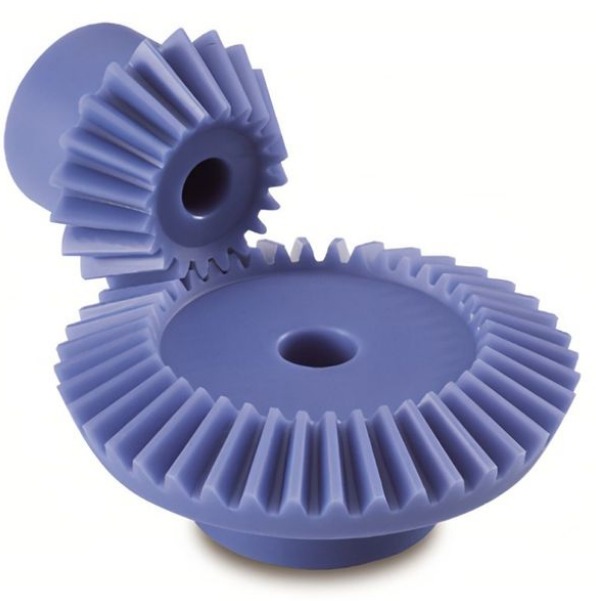
Gears and Cams in Light-Duty Applications
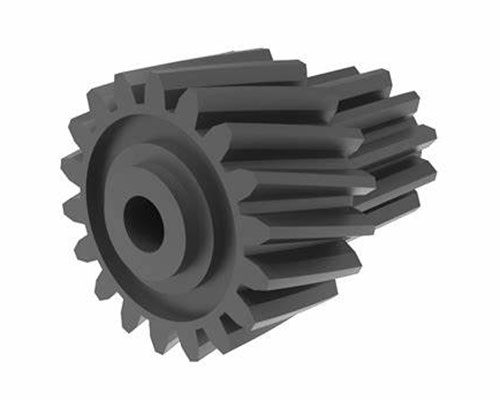
For low-speed, light-load applications, bakelite gears provide quieter operation than metal alternatives. Office equipment manufacturers have used bakelite gears in printers and copiers for decades, taking advantage of the material’s self-damping properties that reduce operational noise by an estimated 10–15 decibels compared to steel gears of equivalent geometry.
What Advantages Does Black Bakelite Offer Over Alternatives?
Superior Electrical Insulation Under Real-World Conditions
Laboratory tests show black bakelite sheet maintains its electrical properties under conditions that degrade many modern plastics. In accelerated aging tests simulating 10 years of service in high-humidity environments, bakelite retained over 90% of its original dielectric strength. Comparable glass-filled nylon samples lost nearly 40% under identical conditions.
This real-world durability matters because electrical equipment rarely operates in ideal laboratory conditions. Humidity, temperature cycling, and surface contamination all affect insulation performance. Bakelite’s low moisture absorption (typically under 1%) and tracking resistance give it an edge in applications where surface contamination is possible.
Heat Resistance Without Deformation
Many engineering plastics begin losing mechanical properties well below their stated melting points. Bakelite behaves differently. As a thermoset, its dimensional stability remains consistent up to its thermal degradation point.
Consider a practical comparison: a polypropylene component operating at 120°C might lose 30–50% of its flexural strength after 1,000 hours of exposure. A bakelite component under the same conditions retains nearly all its original strength. This stability makes bakelite the preferred choice for components that must maintain tight tolerances in elevated temperature environments.
Chemical Resistance That Extends Service Life
Black bakelite sheet demonstrates excellent resistance to:
- Dilute acids and alkalis
- Oils, greases, and hydrocarbons
- Aliphatic solvents
- Most cleaning agents
In a chemical processing application, bakelite-lined valve components exposed to 10% sulfuric acid showed no measurable degradation after 24 months of continuous service. Equivalent stainless steel components required replacement within 12 months due to localized corrosion at weld points.
Cost-Effectiveness for Medium-Volume Applications
For production volumes between 500 and 5,000 units per year, black bakelite sheet often provides the lowest total cost when factors like tooling, material cost, and service life are considered. A comparison illustrates the point:
| Factor | Black Bakelite | Glass-Filled Nylon | Aluminum |
|---|---|---|---|
| Material Cost per Unit | Low | Medium | High |
| Tooling Investment | Low to Medium | Medium to High | High |
| Service Life in Electrical Applications | 15–25 years | 5–10 years | 10–15 years |
| Weight | Medium | Low | High |
The break-even point varies by application, but bakelite’s combination of low raw material cost and long service life makes it particularly attractive for industrial equipment manufacturers who prioritize reliability over weight reduction.
What Limitations Should You Consider?
Brittleness and Impact Resistance
Bakelite’s hardness comes with a trade-off: it is relatively brittle compared to many modern engineering plastics. Under impact loads or in applications with significant vibration, the material can crack or fracture.
In one case, a manufacturer initially specified bakelite for a conveyor system guide rail that experienced occasional product impacts. After multiple cracking incidents, they switched to ultra-high molecular weight polyethylene (UHMW) for that specific component while retaining bakelite for static wear strips. This hybrid approach solved the impact problem while preserving bakelite’s wear advantages in less-stressed areas.
Limited Color Options and Aesthetics
Standard black bakelite sheet is available only in—predictably—black. For applications requiring color coding, brand consistency, or aesthetic appeal, alternative materials offer more flexibility. When appearance matters, materials like colored glass-filled nylon or powder-coated metals may better suit the requirement.
Processing Constraints
Unlike thermoplastics that can be injection molded into complex shapes, bakelite sheet is primarily available in flat sheets. Three-dimensional shapes require either:
- Fabrication from sheet stock (cutting, drilling, machining)
- Custom compression molding (cost-effective only at higher volumes)
For complex geometries with undercuts or thin walls, injection-molded thermoplastics often provide more design flexibility at comparable or lower tooling costs for high volumes.
Dielectric Absorption in High-Frequency Applications
At frequencies above 1 MHz, bakelite’s dielectric constant increases and dissipation factor rises compared to specialized RF materials like PTFE or polyimide. For high-frequency applications such as RF circuits or high-speed digital systems, these specialized materials typically outperform bakelite.
How Do You Select the Right Grade?
Not all black bakelite sheets are identical. Different grades optimize different properties:
| Grade Type | Key Characteristics | Best Applications |
|---|---|---|
| Paper-Based | Good machinability, moderate mechanical strength | Electrical insulation, terminal blocks, gaskets |
| Fabric-Based | Higher impact strength, better wear resistance | Gears, bushings, mechanical wear components |
| High-Temperature | Enhanced thermal stability up to 220°C | Transformer components, heat shield applications |
| General Purpose | Balanced properties, most cost-effective | Enclosures, fixtures, non-critical insulators |
The selection process should consider:
- Electrical requirements: Voltage levels, frequency, tracking resistance needs
- Thermal environment: Maximum continuous temperature, temperature cycling
- Mechanical loads: Static versus dynamic loads, impact exposure
- Chemical exposure: Specific chemicals, concentration, duration
- Fabrication requirements: Machining tolerances, surface finish needs
A common mistake is selecting based solely on material cost without considering total lifecycle value. In our experience, specifying a higher-grade fabric-based bakelite rather than paper-based adds roughly 15–20% to material cost but can extend service life by 2–3 times in mechanical wear applications—dramatically reducing total cost over the equipment’s life.
Conclusion
Black bakelite sheet is far from obsolete. It remains a technically sound, cost-effective choice for applications where its specific strengths—electrical insulation reliability, heat stability, chemical resistance, and dimensional consistency—align with operating requirements. The material’s longevity in the market reflects genuine engineering value, not just historical momentum.
The key to successful specification is honest assessment: where bakelite’s properties match your application needs, it often delivers superior lifecycle value. Where impact resistance, complex geometry, or aesthetic requirements dominate, modern alternatives may be more suitable. Understanding this trade-off is what separates effective material selection from guesswork.
FAQ
Is black bakelite sheet still manufactured today?
Yes, black bakelite sheet remains in active production globally. While overall volumes have decreased from peak levels in the mid-20th century, multiple manufacturers continue producing it for electrical, industrial, and specialized applications where its property profile remains unmatched by alternatives. Custom sizes and grades remain readily available.
Can black bakelite sheet be machined like metal?
Black bakelite sheet machines well using standard metalworking equipment, but with important differences. Use carbide tooling for best results, maintain sharp cutting edges, and avoid excessive feed rates that can cause chipping. Unlike metals, bakelite produces fine dust rather than chips—adequate dust collection is essential for both cleanliness and health safety. Tapping threads requires care; coarse threads are generally preferred over fine threads.
How does black bakelite compare to fiberglass sheet for electrical insulation?
Both materials offer excellent electrical insulation, but they differ in key areas. Fiberglass sheet (FR-4) generally offers higher dielectric strength and better performance at very high frequencies, while bakelite provides superior arc resistance and often better dimensional stability under compression. For switchgear and arc chute applications, bakelite remains the preferred choice. For printed circuit boards and high-frequency applications, FR-4 dominates.
Is black bakelite sheet environmentally safe?
Fully cured bakelite sheet is inert and does not release hazardous substances during normal use. However, machining generates dust that should be controlled with proper ventilation. Disposal considerations vary by region—some areas classify thermoset materials as non-hazardous industrial waste, while others have specific disposal requirements. The material does not biodegrade, so recycling or proper industrial disposal is necessary.
What thicknesses are available for black bakelite sheet?
Standard thicknesses typically range from 0.5mm to 50mm, with custom thicknesses available through some manufacturers. Larger sheet sizes (typically up to 1,200mm × 2,400mm) are available, though maximum dimensions vary by thickness and grade. For applications requiring thicker sections beyond standard sheet availability, laminated built-up constructions can be fabricated using adhesives specifically formulated for thermoset materials.
Contact Yigu Technology for Custom Manufacturing
Selecting and processing black bakelite sheet requires material expertise and fabrication precision. At Yigu Technology, we combine over 15 years of experience with thermoset materials with modern manufacturing capabilities to deliver components that meet your exact specifications.
Whether you need precision-machined bakelite components, custom compression-molded shapes, or assistance selecting the optimal grade for your application, our engineering team provides practical guidance backed by real manufacturing experience. We offer end-to-end support from material selection through production, ensuring your components perform reliably in their intended environment.
Ready to discuss your black bakelite sheet requirements? Contact our technical sales team with your application details, specifications, and quantity requirements. We provide material recommendations, design-for-manufacturing feedback, and competitive quotes typically within 24–48 hours.