Introduction
You have a design. You need to test it—physically, under real conditions. But before you invest in expensive production tooling, you need a model that represents your final part. Prototype parts manufacturing is the process of creating preliminary models of components to test and validate designs before full-scale production. This stage is critical. It allows engineers and designers to identify flaws, optimize functionality, and make informed decisions about materials and processes. This guide explains the methods, considerations, and best practices for manufacturing prototype parts.
What Is Prototype Parts Manufacturing?
Prototype parts manufacturing is the creation of preliminary models used to test and validate a design before mass production. It bridges the gap between digital design and full-scale manufacturing.
In the automotive industry, prototypes of engine blocks, chassis components, and body panels are created before a new car goes into production. These prototypes undergo crash tests, durability tests, and aerodynamic tests. Issues are identified and corrected—new prototypes produced—until the design meets standards.
In electronics, prototypes of circuit boards, casings, and display modules ensure components fit together, the device functions, and the design is user-friendly. Different casing materials—aluminum alloy or polycarbonate—are tested for strength, weight, and cost-effectiveness.
What Are the Main Manufacturing Methods?
Several methods are available, each with distinct advantages.
3D Printing (Additive Manufacturing)
3D printing builds parts layer by layer from digital models. It has revolutionized prototyping.
Advantages:
- Complex geometries: Internal channels, lattice structures, organic shapes—difficult or impossible with traditional methods—are easily printed. A Wohlers Associates study found that 3D-printed parts in aerospace have reduced component weight by up to 40% through optimized structures.
- Speed: Simple plastic prototypes printed in hours, enabling rapid design iterations
- Cost-effective for small batches: No expensive molds or tooling; low upfront investment
Best for: Concept models, complex geometries, small batches (1–50 units)
CNC Machining (Subtractive Manufacturing)
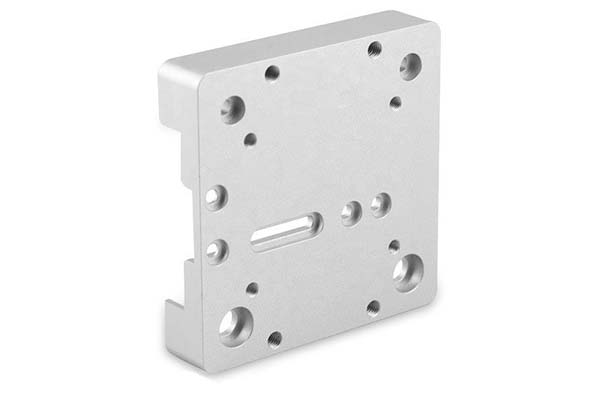
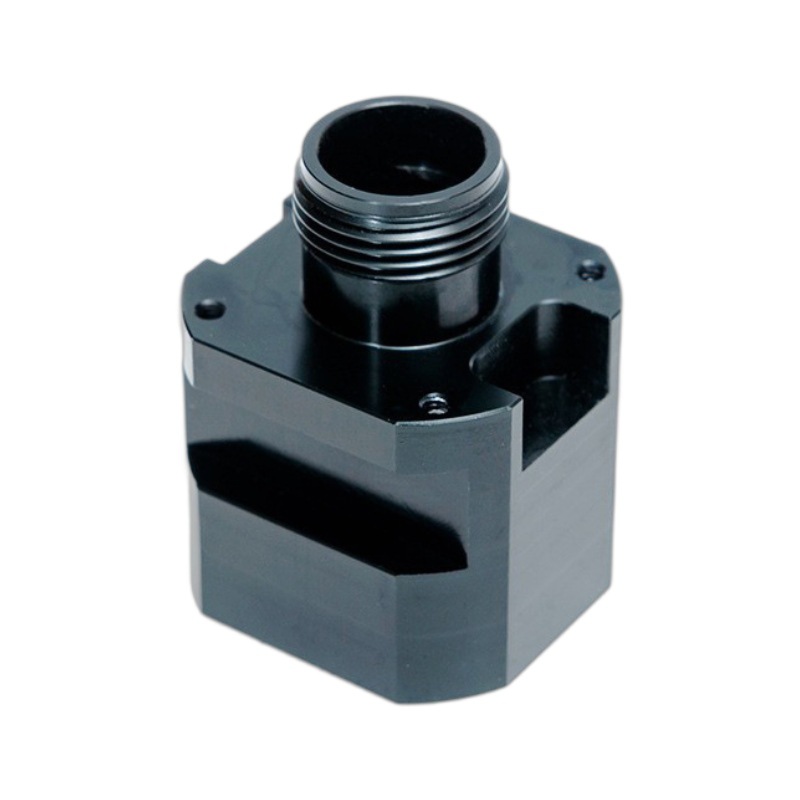
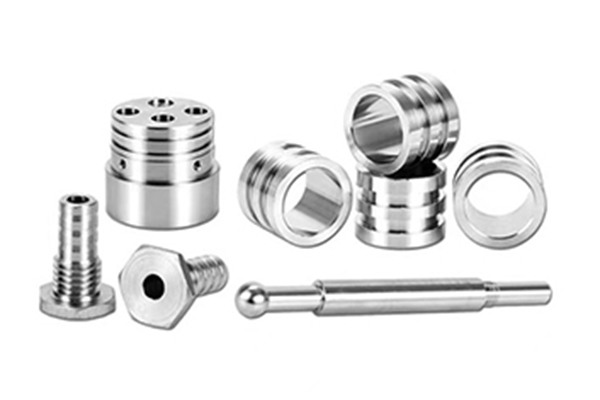
CNC machining uses computer-controlled tools to remove material from a solid block to create the desired part.
Advantages:
- High precision: Tolerances of ±0.01 mm or better—critical for medical devices and aerospace
- Wide material range: Metals (aluminum, titanium, steel), plastics, composites
- Excellent surface finish: Important for parts requiring smooth operation, like engine components
Best for: High-precision parts, functional testing, metals, small to medium batches (1–500 units)
Injection Molding
Injection molding injects molten material—typically plastic—into a mold cavity, where it cools and solidifies.
Advantages:
- High production efficiency: Hundreds of parts per hour once mold is created
- Cost-effective for high volumes: Per-unit cost decreases significantly with volume
- Consistent quality: Each part reliably represents the final product
Best for: Larger prototype batches (50–5,000 units), production-intent testing, high-volume validation
| Method | Best For | Precision | Setup Cost | Per-Unit Cost (Small Batch) |
|---|---|---|---|---|
| 3D Printing | Complex geometries, small batches | Moderate | Low | Moderate–High |
| CNC Machining | High precision, metals | High | Moderate | Moderate |
| Injection Molding | Larger batches, production validation | High | High (mold) | Low (at volume) |
What Key Considerations Affect Success?
Material selection and design for manufacturability are critical.
Material Selection
Material choice directly impacts performance, functionality, and cost.
Metals:
| Material | Properties | Applications |
|---|---|---|
| Aluminum | High strength-to-weight ratio, corrosion resistance, good thermal conductivity | Automotive, aerospace, consumer electronics—weight reduction is priority |
| Steel (Carbon) | High strength, wear resistance | Gears, shafts, machinery components |
| Stainless Steel | Excellent corrosion resistance | Medical devices, food processing |
| Titanium | Exceptional strength-to-weight, biocompatible | Aerospace, medical implants |
A study by the Aluminum Association found that aluminum-alloyed parts reduce weight by up to 30% compared to steel in automotive applications, while maintaining sufficient strength.
Plastics:
| Material | Properties | Applications |
|---|---|---|
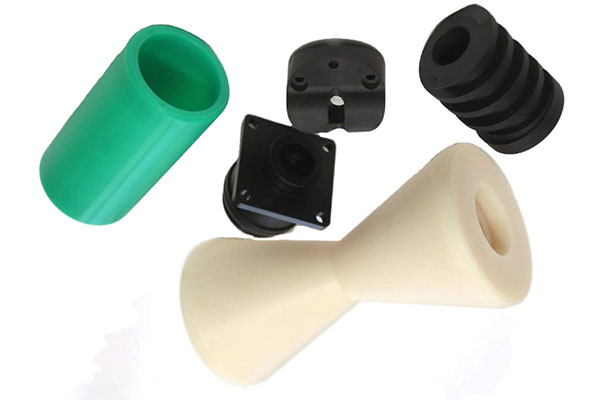
| ABS | Inexpensive, good mechanical properties, easy to print | Consumer product prototypes, functional testing |
| PLA | Biodegradable, low cost | Quick, low-cost concept models |
| Polycarbonate | High impact resistance, heat resistance | Electronic enclosures, parts needing durability |
Design for Manufacturability (DFM)
A well-designed part is not only functional but also easy and cost-effective to manufacture.
Simplify geometry: Complex geometries increase manufacturing time and cost. In CNC machining, undercuts and internal cavities may require special tooling or additional operations. A consumer electronics case study found that simplifying a smartphone casing design reduced manufacturing time by 20% and cost by 15%.
Define appropriate tolerances: Tighter tolerances require more precise processes and equipment—significantly increasing cost. Specify tolerances appropriate for the part’s function. For non-critical cosmetic parts, looser tolerances save cost without sacrificing usability.
Add draft angles (for injection molding): Draft angles allow molded parts to be easily removed from the mold. A general rule: at least 0.5–1 degree per side for most plastic injection-molded parts. Insufficient draft can cause parts to stick, damaging parts or molds and increasing waste.
How Do You Choose the Right Method?
The decision depends on your priorities.
| If your priority is… | Choose… |
|---|---|
| Complex geometry, small batch, speed | 3D printing |
| High precision, metal parts, functional testing | CNC machining |
| Larger batches, production-like parts, consistency | Injection molding |
| Cost-effectiveness for 1–10 parts | 3D printing |
| Cost-effectiveness for 50–500 parts | CNC machining or injection molding (depending on geometry) |
How Does Yigu Technology Approach Prototype Parts Manufacturing?
As a non-standard plastic and metal products custom supplier, Yigu Technology integrates prototype manufacturing into every client project.
We Handle Complex Custom Requirements
Our professional technical team is proficient in multiple manufacturing processes—3D printing, CNC machining, and injection molding. We provide one-stop solutions from design to production.
We Focus on Customer Satisfaction
We work closely with clients from the initial design stage, offering suggestions on material selection and design optimization. Our goal is to ensure prototype parts meet design requirements while being cost-effective.
We Ensure Quality
With advanced equipment and strict quality control systems, we ensure every prototype part has high precision and quality—helping clients accelerate product development cycles and gain competitive edge.
Conclusion
Prototype parts manufacturing is essential for validating designs, reducing risk, and optimizing products before production. Three primary methods—3D printing for complex geometries and speed, CNC machining for precision and metals, and injection molding for larger batches—serve different needs. Material selection and DFM principles ensure parts are functional, manufacturable, and cost-effective.
By choosing the right method and partner, you accelerate development, reduce costly errors, and bring better products to market.
Frequently Asked Questions
What are the most common materials used in prototype parts manufacturing?
Common plastics: ABS (strength, ease of processing), PLA (low-cost, biodegradable), polycarbonate (impact resistance, heat resistance). Common metals: aluminum (high strength-to-weight ratio), steel (durability), titanium (strength, corrosion resistance for aerospace and medical). Material choice depends on application requirements.
How long does it usually take to manufacture a prototype part?
Timelines vary by complexity and method. Simple 3D-printed plastic parts: hours to 1 day. CNC-machined parts: 1–5 days depending on precision and operations. Injection-molded prototypes (including mold making): 1–2 weeks or more for first batch.
What is the most cost-effective method for small-scale prototype parts manufacturing?
3D printing is often most cost-effective for small batches (1–10 parts). No expensive molds or tooling—low upfront investment. Compared to CNC machining (material waste, machining time) or injection molding (high mold costs), 3D printing uses only necessary material and requires minimal setup.
What is Design for Manufacturability (DFM) and why does it matter?
DFM is the practice of designing parts that are easy and cost-effective to manufacture. It includes simplifying geometry, specifying appropriate tolerances, and adding features like draft angles for molding. Good DFM reduces manufacturing time, cost, and waste. A well-designed part can reduce production time by 20% and cost by 15%.
Can prototype parts be used for functional testing?
Yes. CNC-machined parts in production-grade metals and plastics are suitable for functional testing under load, temperature, and fatigue. 3D-printed parts with proper material selection and post-processing can also serve functional testing, especially for low-stress applications. Injection-molded prototypes using production materials are ideal for final validation before mass production.
Contact Yigu Technology for Custom Manufacturing
Ready to bring your prototype parts to life? Yigu Technology offers 3D printing, CNC machining, and injection molding services for plastic and metal components. Our engineers provide DFM feedback and guide material selection to ensure your prototypes are functional and cost-effective. Contact us today to discuss your project.