Introduction
You have a product idea. You have a design. Now you need a physical prototype to test, validate, and refine. But you do not have the equipment, the staff, or the expertise in-house. This is where a prototyping shop becomes invaluable. These specialized facilities offer the tools, skills, and resources to turn your digital designs into tangible prototypes. This guide explores what prototyping shops offer, how they compare to in-house prototyping, and how to make the most of their services.
What Does a Prototyping Shop Offer?
Prototyping shops provide a range of capabilities under one roof.
Fabrication and Testing Equipment
Prototyping shops are equipped with diverse fabrication and testing tools. A typical shop offers:
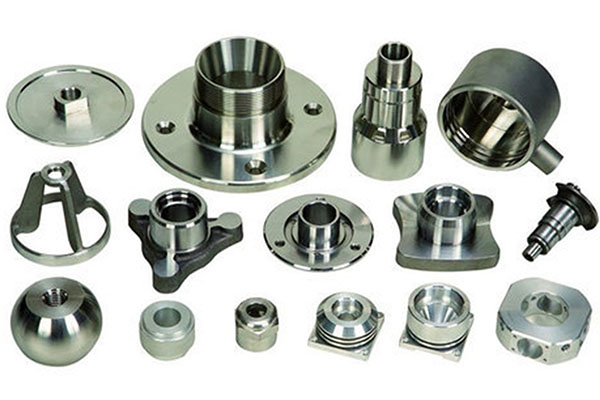
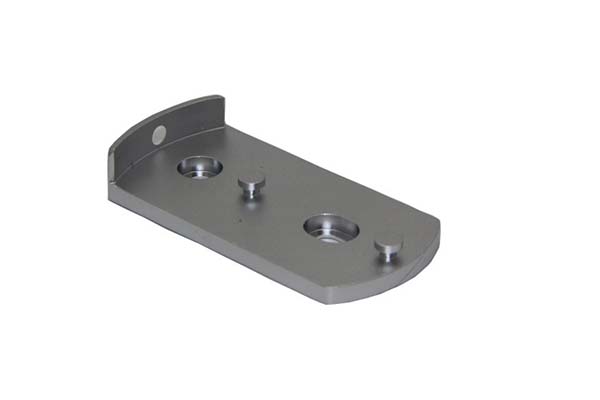
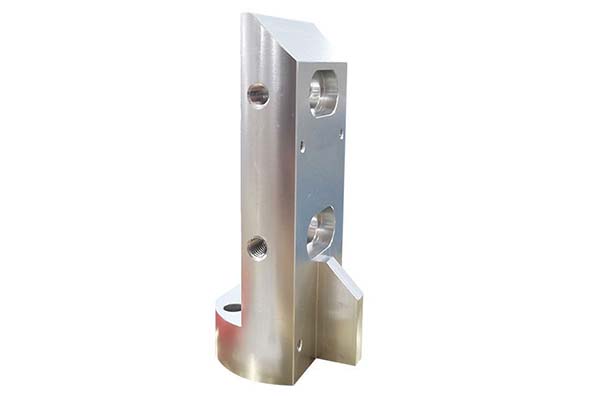
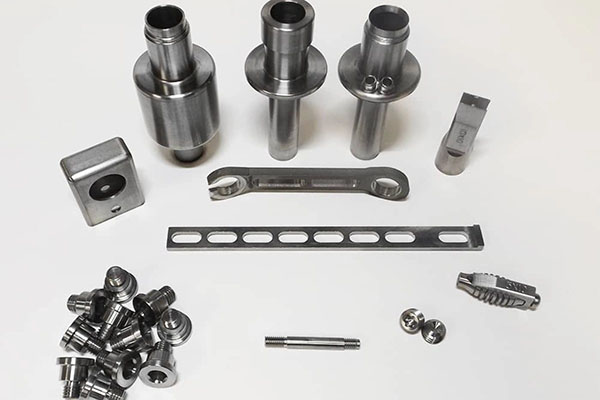
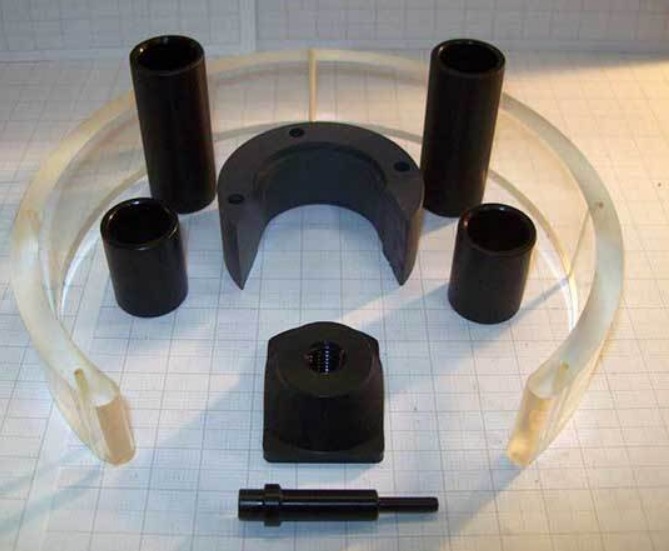
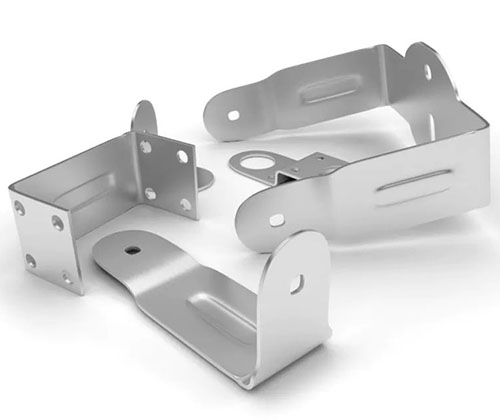
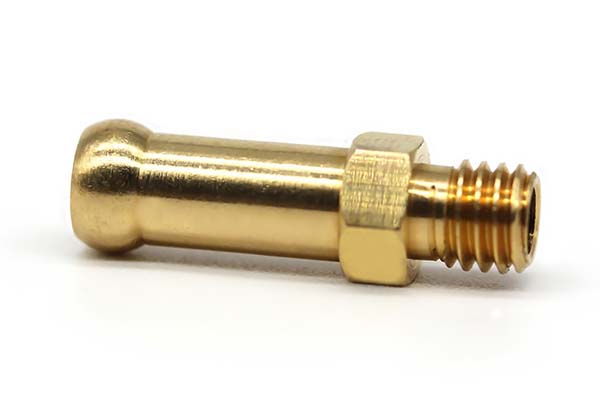
- CNC machining: Precision cutting, milling, turning for metals and plastics
- 3D printing: Additive manufacturing for complex geometries and rapid iteration
- Manual machining: Mills, lathes, and drills for quick one-off parts and modifications
- Testing equipment: Compression, tensile, fatigue, and functional testing capabilities
Applied Kinetics, for example, has a machine shop with CNC milling (20” x 14” x 18” travel with 4th axis capabilities) and CNC turning (up to Ø2” through chuck, maximum Ø8 1/4” OD, 16 1/2” machining range). They also offer manual machining for quick parts, jigs, and fixtures.
Testing capabilities include first-order compression and tensile testing, friction determination, fatigue/cycle testing, and functional testing of proof-of-concept assemblies.
Professional Staff
The staff are a key asset. Prototyping shops employ:
- Professional engineers: Provide technical guidance and design feedback
- Machinists: Operate equipment and produce high-quality parts
- Technicians: Handle assembly, testing, and quality control
Their expertise helps avoid common pitfalls. When working on a complex mechanical prototype, they can recommend the best manufacturing techniques based on past experience—saving time and resources.
In-House Testing and Assembly
Comprehensive testing ensures prototypes are thoroughly evaluated before moving forward.
Testing services:
- Compression and tensile testing
- Fatigue/cycle testing
- Functional testing of assemblies
Assembly services:
- Component-level and machine-level assembly
- Reverse engineering of proven equipment
- Documentation: assembly/disassembly procedures, maintenance, and safety manuals
3D Printing for Added Flexibility
In-house 3D printing is increasingly common. Shops offer:
- FFM (Fused Filament Fabrication) printing up to 30 cm x 30 cm x 30 cm
- SLA (Stereolithography) for high-detail, smooth finishes
- SLS (Selective Laser Sintering) for durable functional parts
3D printing enables complex geometries and is cost-effective for small-scale prototypes—especially compared to traditional manufacturing methods for low volumes.
How Do Prototyping Shops Compare to In-House Prototyping?
| Aspect | Prototyping Shop | In-House Prototyping |
|---|---|---|
| Equipment Diversity | Wide range of specialized equipment for various needs | Limited by company investment; smaller companies may lack high-end tools |
| Staff Expertise | Diverse backgrounds—engineers, machinists, technicians—bring broad industry knowledge | Focused expertise based on product line; may lack exposure to diverse industries |
| Cost for Small Projects | Cost-effective; shared among multiple users; subsidized rates for academic projects possible | Full cost of equipment, maintenance, and staff borne by company |
| Time to Market for New Skills | Quickly adapts to new techniques and technologies; clients access latest methods | Slower adoption of new skills without investment in training and research |
For companies without resources or expertise to set up in-house facilities, prototyping shops are essential.
How Do You Choose the Right Prototyping Shop?
Selecting the right partner requires careful evaluation.
Evaluate Equipment Capabilities
Ensure the shop has tools for your specific needs. If your prototype requires complex CNC machining, verify they have machines with sufficient precision and size capacity.
Assess Staff Expertise
Shops with experienced engineers and technicians provide valuable insights and high-quality work. Ask about their background and past projects.
Review Portfolio and References
Check their portfolio and customer reviews. Request examples of similar projects they have completed.
Compare Cost and Turnaround
Get quotes from multiple shops. Compare based on your budget and timeline. Understand what is included—materials, machine time, post-processing, testing.
How Do You Make the Most of a Prototyping Shop?
Effective collaboration maximizes value.
Define Requirements Clearly
From the start, clearly define:
- Design specifications: CAD files, tolerances, materials
- Timeline: When you need the prototype
- Budget: What you are willing to invest
- Testing requirements: What validation is needed
Communicate Early About Changes
Prototyping shops are flexible and can accommodate changes, but early communication is key. Minor changes may be made quickly at low cost. Significant changes may require re-evaluating scope, cost, and timeline.
Understand the Process
While shops offer great services, understanding the prototyping process on your end helps collaboration. Knowledge of materials, manufacturing methods, and design for manufacturability enables better communication and ensures the final prototype meets expectations.
Leverage Staff Expertise
Use the shop’s expertise. Ask questions. Seek advice on material selection, design optimization, and manufacturing techniques. Their experience across industries can prevent costly mistakes.
What Can a Prototyping Shop Handle?
Prototyping shops handle both simple and complex prototypes.
Simple Prototypes
For simple prototypes, shops use:
- Manual machining: Quick one-off parts
- Basic 3D printing: Fast concept models
- Standard materials: ABS, PLA, aluminum
Complex Prototypes
For complex prototypes, shops leverage:
- Advanced CNC machining: Tight tolerances, complex geometries
- Metal 3D printing: Functional metal parts
- In-house testing: Fatigue, compression, functional validation
- Experienced staff: Guidance on design and manufacturing
A complex mechanical design requiring precision machining and thorough testing can be fully developed—from fabrication to testing—within the same shop.
How Does Yigu Technology View Prototyping Shops?
As a non-standard plastic and metal products custom supplier, Yigu Technology partners with prototyping shops and understands their value.
We Leverage Their Expertise
For specialized capabilities—advanced CNC machining, complex assemblies, or specific testing—we collaborate with prototyping shops to deliver client projects efficiently.
We Value Flexibility
Prototyping shops offer the flexibility to scale production without investing in equipment. This is especially valuable for non-standard custom products where volumes vary.
We Emphasize Communication
Clear communication with prototyping shops ensures designs are executed correctly. We work closely with shop staff to align on requirements, timelines, and quality standards.
Conclusion
Prototyping shops are invaluable resources for product development. They offer diverse fabrication and testing equipment, professional staff, and flexible services—from simple concept models to complex functional prototypes. Compared to in-house prototyping, they provide access to broader expertise, shared costs, and faster adoption of new technologies.
To make the most of a prototyping shop, define requirements clearly, communicate early about changes, and leverage staff expertise. By choosing the right partner and collaborating effectively, you can turn ideas into validated prototypes faster and more cost-effectively.
Frequently Asked Questions
How do I choose the right prototyping shop for my project?
Consider equipment capabilities—ensure they have tools for your needs. Assess staff expertise—experienced engineers provide valuable insights. Check portfolio and customer reviews for past performance. Compare cost and turnaround time across multiple shops based on your budget and timeline.
Can a prototyping shop help with both simple and complex prototypes?
Yes. For simple prototypes, they use manual machining or basic 3D printing. For complex prototypes, they leverage advanced CNC machining, in-house testing, and experienced staff. A complex mechanical design requiring precision machining and thorough testing can be fully developed within the same shop.
What if I need to make changes to my prototype after it is completed?
Most prototyping shops are flexible and can accommodate changes. Communicate changes as early as possible. Minor changes may be made quickly at low cost. Significant changes may require re-evaluating scope, cost, and timeline. Work closely with shop staff to understand implications.
What is the difference between a prototyping shop and a manufacturing facility?
A prototyping shop specializes in early-stage development—quick turnaround, design iteration, testing, and validation. A manufacturing facility focuses on production—scaling volumes, optimizing processes for cost efficiency, and producing final parts. Many prototyping shops also offer small-batch production.
How much does it cost to use a prototyping shop?
Costs vary based on complexity, materials, and processes. Simple 3D-printed parts: $50–$500. CNC-machined metal parts: $200–$2,000. Complex assemblies with testing: higher. Many shops offer subsidized rates for academic projects. Request detailed quotes with breakdowns.
Contact Yigu Technology for Custom Manufacturing
Ready to bring your product idea to life with professional prototyping services? Yigu Technology partners with prototyping shops to deliver high-quality plastic and metal prototypes. Our engineers help you navigate material selection, design optimization, and manufacturing processes. Contact us today to discuss your project.