Introduction
You need a prototype that is strong, lightweight, and conducts heat efficiently. Plastic prototypes cannot handle the load. Steel prototypes are too heavy. Aluminum offers the perfect balance—high strength-to-weight ratio, excellent thermal conductivity, and good corrosion resistance. Rapid prototyping aluminum enables you to create functional metal prototypes quickly using technologies like 3D printing, CNC machining, and die casting. It is essential for industries where weight, performance, and speed matter—aerospace, automotive, electronics, and medical devices. At Yigu Technology, we produce aluminum prototypes daily. This article covers what you need to know: technologies, applications, materials, accuracy, and how to choose the right approach.
What Is Rapid Prototyping Aluminum?
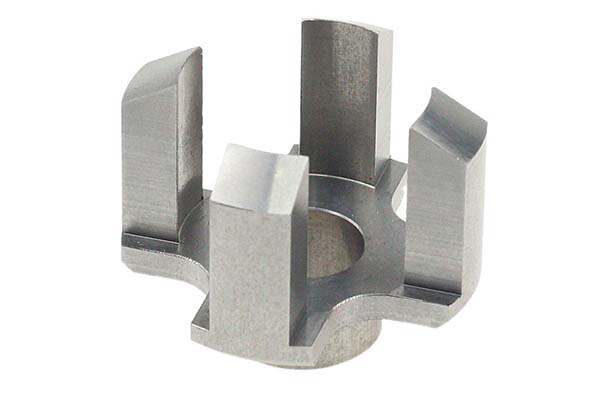
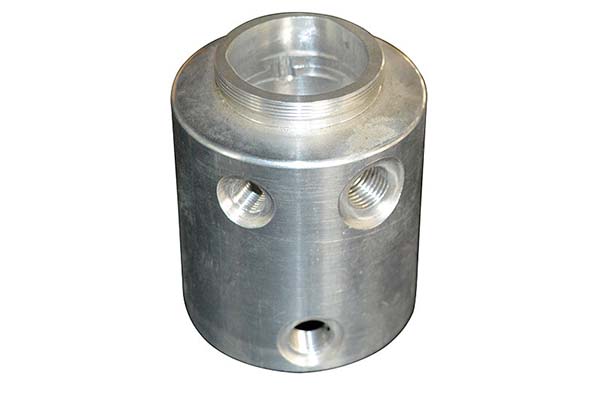
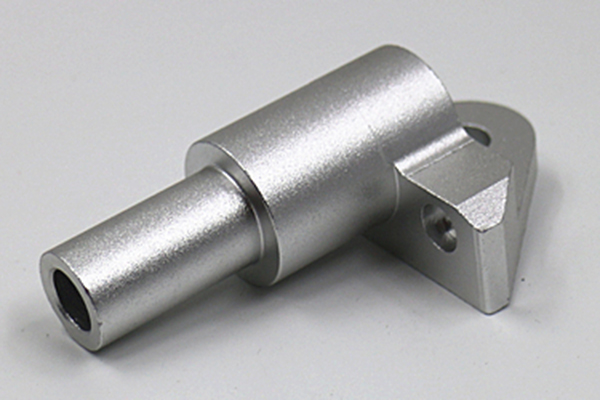
Rapid prototyping aluminum is the process of quickly manufacturing aluminum-based prototypes using advanced technologies—enabling designers and engineers to visually and physically evaluate designs, check for flaws, and make improvements before mass production.
Why aluminum?
- Lightweight: Density ~2.7 g/cm³ (1/3 of steel)
- High strength-to-weight ratio: Excellent for structural applications
- Thermal conductivity: 200–250 W/m·K—ideal for heat dissipation
- Corrosion resistance: Natural oxide layer protects against environmental damage
- Machinability: Easier to machine than steel or titanium
Example: In automotive development, a new engine component prototype in aluminum validates fit, function, and performance—reducing time-consuming and costly iterative processes later.
What Key Technologies Are Used?
3D Printing (Additive Manufacturing)
Selective Laser Melting (SLM) uses a high-power laser to melt and fuse aluminum powder layer by layer.
| Factor | Details |
|---|---|
| Advantages | High design freedom; complex geometries; internal channels, lattice structures |
| Limitations | Porosity issues; rougher surface finish; slower for large parts |
| Precision | ±0.1–0.3 mm (small-to-medium parts) |
| Best for | Complex geometries, internal cooling channels, one-off designs |
Example: Aerospace components with intricate internal cooling channels for heat dissipation—impossible with traditional manufacturing.
CNC Machining (Subtractive Manufacturing)
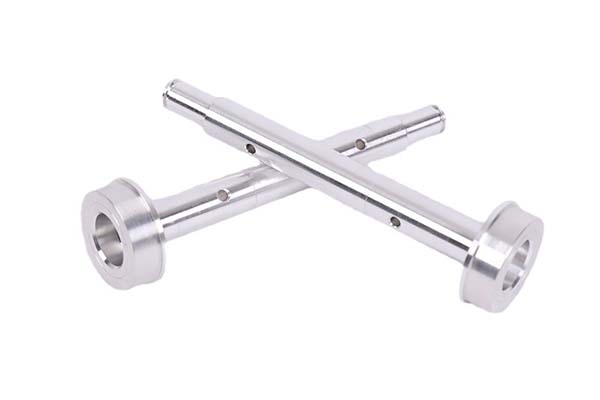
CNC machining removes material from a solid aluminum block using computer-controlled cutting tools.
| Factor | Details |
|---|---|
| Advantages | High precision; excellent surface finish; tight tolerances |
| Limitations | Time-consuming for complex shapes; material waste |
| Precision | ±0.01–0.05 mm (standard); ±0.001 inches (±0.025 mm) for high-end |
| Best for | High-precision parts, tight tolerances, smooth surface finishes |
Example: High-end consumer electronics or medical device components requiring precision fit and smooth surfaces.
Die Casting
Molten aluminum is forced into a mold cavity under high pressure.
| Factor | Details |
|---|---|
| Advantages | Efficient for medium-to-high volumes; good dimensional stability and surface quality |
| Limitations | Requires mold production (costly, time-consuming); not ideal for one-off prototypes |
| Precision | ±0.1–0.5 mm (medium-sized parts) |
| Best for | Medium-to-high volume prototypes with relatively simple geometries |
Example: Household appliance parts like aluminum alloy housings—quickly prototyped through die casting.
Where Is Rapid Prototyping Aluminum Applied?
Aerospace Industry
Demand for lightweight, high-strength materials makes aluminum prototyping essential.
| Application | Impact |
|---|---|
| Engine components (turbine blades, compressor parts) | Optimized design; weight reduction up to 30% compared to traditional materials |
| Fuselage structural parts | Enhanced strength-to-weight ratio; improved maneuverability and range |
Impact: Weight reduction directly contributes to fuel efficiency—less energy required to propel the aircraft.
Automotive Industry
Aluminum prototyping accelerates vehicle development and improves performance.
| Application | Impact |
|---|---|
| Engine blocks | Weight reduction 20–40% vs. cast iron; improved power-to-weight ratio; 5–10% potential fuel economy improvement |
| Wheels | Complex lightweight structures; reduced unsprung mass; improved handling and braking |
Example: Aluminum engine block prototypes validate thermal performance and mechanical strength before production.
Electronics Industry
Aluminum’s thermal conductivity and EMI shielding make it ideal for electronics.
| Application | Impact |
|---|---|
| Heat sinks | Intricate fin structures; increased surface area; lowers operating temperature by 10–15°C compared to some traditional materials |
| Enclosures | Excellent EMI protection; precise fit for internal components; physical damage protection |
What Materials Are Used?
| Alloy | Properties | Applications |
|---|---|---|
| 6061 aluminum | Good mechanical properties, high strength-to-weight, excellent corrosion resistance, easy to machine and weld | Aerospace, automotive, general prototyping |
| 7075 aluminum | High strength (especially T6 temper), more difficult to machine than 6061 due to higher hardness | Aircraft structural components, high-stress applications |
Selection criteria:
- 6061: General-purpose, good machinability, cost-effective
- 7075: Higher strength, more demanding applications, harder to machine
How Accurate Is the Process?
| Technology | Typical Accuracy | Factors Affecting Accuracy |
|---|---|---|
| 3D printing (SLM) | ±0.1–0.3 mm | Powder quality; laser power stability; post-processing |
| CNC machining | ±0.01–0.05 mm (standard); ±0.001 inches (±0.025 mm) for high-end | Machine precision; tool wear; CAM programming quality |
| Die casting | ±0.1–0.5 mm | Mold design; temperature control; material shrinkage |
Can Rapid Prototyping Aluminum Be Used for Large-Scale Production?
| Technology | Suitability for Large-Scale Production | Reason |
|---|---|---|
| 3D printing (SLM) | Limited | Slow production speeds (hours per part); high per-unit cost; expensive equipment and materials |
| CNC machining | Limited | Time-consuming subtractive process; cumulative machining time substantial for large volumes |
| Die casting | Suitable for medium-to-high volumes | Once mold is made, production is relatively quick; but high initial mold cost |
General guidance:
- Small-scale production or pre-production trials: Rapid prototyping aluminum is effective
- Large-scale production: Traditional mass-production methods (die casting for simple geometries; high-volume CNC) may be more cost-effective and efficient
Yigu Technology's Perspective
As a custom manufacturer of non-standard plastic and metal products, Yigu Technology values the role of rapid prototyping aluminum.
What we offer:
- Multiple technologies: 3D printing (SLM), CNC machining, die casting
- Customized solutions: Complex 3D-printed prototypes or high-precision CNC-machined parts
- One-stop service: Design consultation → production → surface treatment → delivery
- Material expertise: 6061 and 7075 aluminum alloys
Our advantage: We help customers optimize product design, reduce development cycles, and cut costs—achieving better competitiveness in the market.
Conclusion
Rapid prototyping aluminum enables functional metal prototypes with:
- Lightweight strength: High strength-to-weight ratio
- Excellent thermal conductivity: 200–250 W/m·K for heat dissipation
- Good corrosion resistance: Natural oxide layer
- Versatile technologies: 3D printing (complex geometries), CNC machining (precision), die casting (medium-to-high volumes)
Key applications:
- Aerospace: Engine components, structural parts—30% weight reduction potential
- Automotive: Engine blocks (20–40% lighter), wheels—5–10% fuel economy improvement
- Electronics: Heat sinks (10–15°C temperature reduction), enclosures (EMI protection)
Accuracy:
- CNC machining: ±0.01–0.05 mm (standard); ±0.001 inches (high-end)
- 3D printing: ±0.1–0.3 mm
- Die casting: ±0.1–0.5 mm
Materials:
- 6061: General-purpose, good machinability
- 7075: Higher strength, more demanding applications
Production scale:
- Effective for small-scale production and pre-production trials
- For large-scale production, traditional methods may be more cost-effective
By understanding technologies, materials, accuracy, and applications, you can leverage rapid prototyping aluminum to accelerate development, reduce risk, and bring better products to market faster.
Frequently Asked Questions
What are the common materials used in rapid prototyping aluminum?
6061 aluminum alloy: Good mechanical properties, high strength-to-weight, excellent corrosion resistance, easy to machine and weld—suitable for aerospace, automotive, general prototyping. 7075 aluminum alloy: High strength (especially T6 temper), used for high-stress applications like aircraft structural components. More difficult to machine than 6061 due to higher hardness.
How accurate is the rapid prototyping aluminum process?
3D printing (SLM): ±0.1–0.3 mm (small-to-medium parts). Accuracy affected by powder quality, laser stability, post-processing. CNC machining: ±0.01–0.05 mm standard; ±0.001 inches (±0.025 mm) for high-end. Affected by machine precision, tool wear, CAM programming. Die casting: ±0.1–0.5 mm. Affected by mold design, temperature control, material shrinkage.
Can rapid prototyping aluminum be used for large-scale production?
For large-scale production, rapid prototyping aluminum has limitations. 3D printing has low production speeds and high per-unit cost. CNC machining is time-consuming for large volumes. Die casting is suitable for medium-to-high volumes of relatively simple geometries but requires high initial mold cost. Rapid prototyping aluminum is effective for small-scale production and pre-production trials; for large-scale production, traditional mass-production methods may be more cost-effective and efficient.
What are the main advantages of aluminum over other metals for prototyping?
Aluminum offers: lightweight (2.7 g/cm³ vs. steel at 7.8 g/cm³), high strength-to-weight ratio, excellent thermal conductivity (200–250 W/m·K), good corrosion resistance, and good machinability. These properties make it ideal for aerospace, automotive, electronics, and medical applications where weight, performance, and thermal management matter.
Which technology should I choose for my aluminum prototype?
Choose 3D printing (SLM) for complex geometries, internal channels, lattice structures, and one-off designs. Choose CNC machining for high precision, tight tolerances, and smooth surface finishes. Choose die casting for medium-to-high volumes with relatively simple geometries and when mold costs can be amortized over larger quantities. Consider your design complexity, precision requirements, volume, and timeline.
Contact Yigu Technology for Custom Manufacturing
At Yigu Technology, we specialize in rapid prototyping aluminum and custom manufacturing. Our capabilities include 3D printing (SLM), CNC machining, die casting, and surface treatment. We serve aerospace, automotive, electronics, and medical industries.
If you need functional aluminum prototypes for testing, validation, or low-volume production, contact our engineering team. Let us help you choose the right technology, material, and approach for your application.