Introduction
Developing a medical device is unlike any other product development challenge. Lives depend on safety. Regulations demand precision. Errors are not an option. Medical device prototyping is the critical step that bridges theoretical concepts to life-saving products. Choosing the right prototyping partner can mean the difference between a smooth path to regulatory approval and costly delays, recalls, or failures. This guide explains what to look for, what questions to ask, and how to select a partner who can navigate the unique demands of medical device development.
Why Is Medical Device Prototyping So Important?
Medical device prototyping is the cornerstone of innovation in healthcare. It transforms concepts into physical models that can be tested, refined, and validated.
Facilitating Innovation
New ideas for treating diseases, improving diagnosis, and enhancing patient care emerge constantly. Prototyping allows these concepts to be tested. In minimally invasive surgical tools, prototyping enables engineers and medical professionals to experiment with different designs—testing functionality, ergonomics, and safety before mass production.
The global medical device market was valued at $532 billion in 2020 and is expected to grow at a CAGR of 5.6% through 2028 (Grand View Research). A significant part of this growth is driven by continuous innovation enabled by prototyping.
Improving Treatment Outcomes
Well-designed prototypes directly contribute to better outcomes. For implantable devices like pacemakers, prototyping optimizes size, power consumption, and functionality. A more compact, efficient pacemaker leads to less invasive procedures, reduced recovery times, and improved long-term cardiac function.
For diagnostic devices, prototyping develops more accurate, sensitive tools. New MRI prototypes provide higher-resolution images, enabling earlier disease detection and more effective treatment plans.
Reducing Risks and Costs
Prototyping serves as a risk-mitigation strategy. By creating prototypes early, companies identify design flaws, material compatibility issues, and manufacturing challenges before mass production.
A study by the FDA found that products with thorough prototyping and testing phases are less likely to face regulatory issues—saving time and money. If an infusion pump prototype shows dosage accuracy problems, the design is modified before large-scale production, avoiding costly recalls.
What Key Factors Should You Consider?
Selecting a medical device prototyping company requires evaluating several critical dimensions.
Experience and Expertise
Experience matters. A company with over 10 years in medical device prototyping has likely encountered and overcome diverse challenges.
Look for:
- Past projects: Have they worked on surgical instruments, diagnostic devices, or implantable devices?
- Diverse experience: Companies with experience across multiple areas bring broader perspective
- Track record: According to Medical Design & Outsourcing, companies with more than 5 years of experience are 30% more likely to complete projects on time and within budget
Technological Capabilities
Advanced capabilities are essential for high-quality medical prototypes.
| Technology | Advantage | Application |
|---|---|---|
| 3D Printing | Rapid creation of complex geometries; customized parts quickly | Dental implants precisely fitting patient jaw structure |
| Simulation Software | Predicts performance before physical production; reduces costly physical prototypes | Fluid dynamics simulation for blood flow in cardiovascular devices |
| CNC Machining | High precision; tight tolerances | Surgical tools requiring exact shape and size |
| SLA/SLS | Smooth surfaces, biocompatible materials | Detailed surgical guides, implant prototypes |
Regulatory Compliance
Medical devices are strictly regulated. Compliance with relevant standards is non-negotiable.
Key regulations:
- FDA (US): Comprehensive regulations for medical devices
- CE Marking (EU): Compliance with European health, safety, and environmental legislation
- ISO 13485: Quality management systems for medical devices
A company well-versed in these regulations guides you through the complex approval process. Non-compliance can result in costly delays or recalls. In 2020, a medical device company faced a recall because it did not meet FDA labeling requirements—causing significant financial losses.
Quality Assurance
Quality assurance is fundamental. A reliable company will have:
- Material testing: Ensure biocompatibility and suitability for intended use. Contact lens devices require thorough testing for eye safety.
- Clear material standards: High-quality materials enhance performance and durability.
- Comprehensive testing process: The Journal of Medical Devices found that products with comprehensive quality assurance have a 40% lower failure rate in the market.
Cost and Turnaround Time
Cost should not be the sole determinant. Extremely low prices may indicate corners cut on quality. Very high prices do not always guarantee better results.
Balance:
- Negotiate ways to reduce costs without sacrificing quality—using standard materials when possible
- Request reasonable, reliable timelines. Delays slow the entire development cycle
- Consider expedited services for an additional fee if time is critical
What Are Common Mistakes to Avoid?
Overlooking Regulatory Compliance
Some companies are not fully aware of FDA or other regulatory requirements. This can lead to costly delays or product rejections.
Avoid: Choose a company with proven regulatory expertise.
Choosing Based Solely on Price
A significantly lower-priced option may use sub-standard materials or have less experienced staff.
Avoid: Consider overall value—quality, expertise, and compliance—not just cost.
Ignoring Quality Systems
Lack of documented quality processes leads to inconsistent results.
Avoid: Look for ISO 13485 certification and clear quality assurance documentation.
How Do You Ensure Confidentiality?
Medical device ideas are valuable intellectual property.
Sign a Non-Disclosure Agreement (NDA)
Before starting any project, sign an NDA with the prototyping company. This legally binds them to keep your idea and related information confidential.
Limit Initial Information
Share only what is necessary for the company to understand basic requirements.
Verify Internal Security
Ensure the company has proper internal security measures—restricted access to project files, data encryption, and employee confidentiality agreements.
What After-Sales Support Should You Expect?
A reliable medical device prototyping company should offer post-project support.
Maintenance and Repair
Support for prototype malfunction or issues that arise during testing.
Improvement Advice
Recommendations for improving the prototype based on their experience—alternative materials, manufacturing techniques, or design modifications.
Training
Training on how to use the prototype effectively, especially for complex functionality.
How Does Yigu Technology Approach Medical Device Prototyping?
As a non-standard plastic and metal products custom supplier, Yigu Technology understands the unique demands of medical device prototyping.
We Focus on Biocompatible Materials
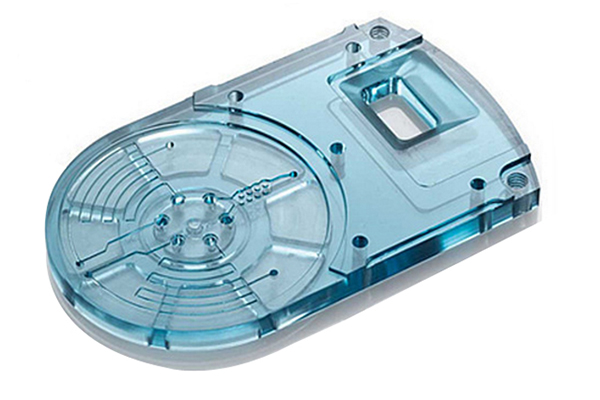
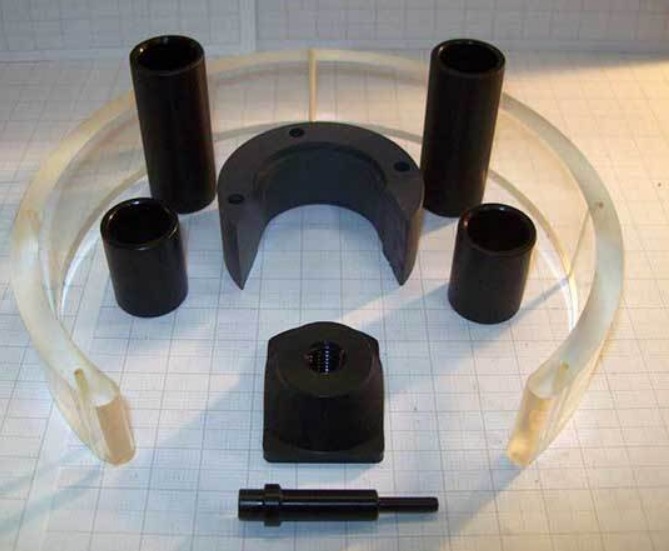
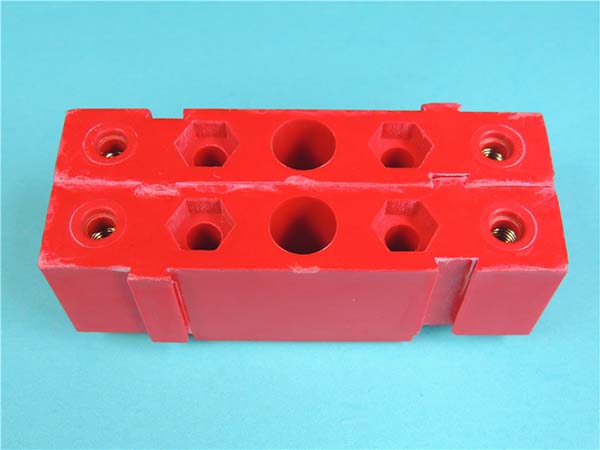
We offer biocompatible plastics like PETG (excellent chemical resistance, biocompatibility) and medical-grade metals like stainless steel 316L (corrosion resistance, strength). Material selection is critical for devices in contact with the human body.
We Provide High-Precision Manufacturing
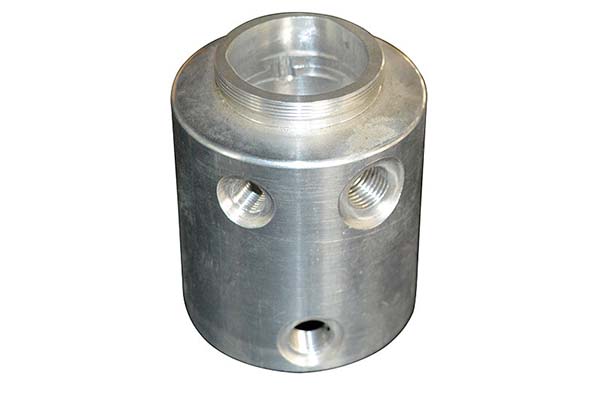
Our CNC machining achieves tight tolerances—essential for surgical instruments and implantable components. Every part fits precisely.
We Support Regulatory Compliance
We work with clients to ensure materials and processes meet FDA, CE, and ISO 13485 requirements. Our documentation supports your regulatory submissions.
We Collaborate Closely
We provide customized solutions combining material expertise and advanced manufacturing techniques—helping you bring safe, effective medical devices to market.
Conclusion
Choosing the right medical device prototyping company is a critical decision that impacts patient safety, regulatory approval, and market success. Evaluate experience, technological capabilities, regulatory compliance, quality assurance, and cost. Avoid common mistakes like overlooking compliance or choosing based solely on price. Protect your intellectual property with NDAs. Expect post-project support.
By selecting a partner who understands the unique demands of medical device development, you reduce risk, accelerate timelines, and bring life-saving products to market with confidence.
Frequently Asked Questions
What are the common mistakes to avoid when choosing a medical device prototyping company?
Common mistakes include overlooking regulatory compliance—leading to costly delays or rejections—and choosing based solely on price. A significantly lower-priced option may use sub-standard materials or have less experienced staff. Avoid these by thoroughly researching the company’s regulatory knowledge and evaluating overall value—quality, expertise, and compliance.
How can I ensure the confidentiality of my medical device prototype idea?
Sign a non-disclosure agreement (NDA) before starting any project. Limit information shared initially to only what is necessary for basic requirements. Ensure the company has proper internal security measures—restricted access to project files, data encryption, and employee confidentiality agreements.
What kind of after-sales support should I expect from a medical device prototyping company?
Expect post-project support including maintenance and repair services if the prototype malfunctions, advice on improvements based on their experience (alternative materials, manufacturing techniques), and training on how to use the prototype effectively, especially for complex functionality.
What certifications should a medical device prototyping company have?
Look for ISO 13485 (quality management for medical devices). For US market, familiarity with FDA regulations is essential. For EU market, CE marking expertise. Industry-specific certifications may apply depending on device classification.
How important is material selection in medical device prototyping?
Critical. Materials must be biocompatible (ISO 10993), suitable for the intended use, and compatible with sterilization methods. Biocompatible plastics like PETG and medical-grade metals like stainless steel 316L are common choices. Wrong material selection can lead to device failure, patient harm, or regulatory rejection.
Contact Yigu Technology for Custom Manufacturing
Ready to bring your medical device concept to life? Yigu Technology offers high-precision prototyping services with biocompatible materials and regulatory expertise. Our engineers help you select the right materials and processes for your application. Contact us today to discuss your project.