Introduction
Sydney has emerged as a hub for innovation, with startups, design studios, and established companies driving product development across industries. Rapid prototyping is central to this innovation—enabling businesses to turn digital designs into physical prototypes quickly and cost-effectively. This guide explains what rapid prototyping is, how the process works in Sydney, available materials, challenges, and how to choose the right partner.
What Is Rapid Prototyping?
Rapid prototyping (RP) is the process of creating physical models from digital designs, typically using 3D printing or other additive manufacturing techniques. It builds objects layer by layer—transforming CAD models into tangible prototypes.
The importance of rapid prototyping cannot be overstated. Traditional methods—machining, injection molding, casting—required expensive molds or tooling, taking weeks or months. With rapid prototyping, companies significantly reduce time and cost.
A Sydney startup developing a consumer electronic device can create a functional prototype within days—testing form, fit, and function early, gathering feedback, and avoiding costly later-stage changes.
How Does the Rapid Prototyping Process Work in Sydney?
Design and Modeling
The journey begins with CAD (Computer-Aided Design) software. Designers create highly detailed 3D models, precisely defining shape, dimensions, and internal structures.
In a Sydney-based industrial design studio working on a power tool prototype, designers use CAD to adjust grip texture for ergonomics or internal component layout for optimal functionality. CAD precision directly impacts prototype quality—minor errors in measurements or joints lead to problems during prototyping or final functionality.
Material Selection
Sydney’s rapid prototyping industry offers diverse materials, each with advantages and disadvantages.
| Material | Advantages | Disadvantages |
|---|---|---|
| PLA | Easy to print, low cost, biodegradable, variety of colors | Low heat resistance, brittle, not for high-stress applications |
| ABS | Higher strength, heat resistance, more durable | Strong odor, requires heated bed, not biodegradable |
| Nylon | Excellent strength, flexibility, abrasion resistance | Difficult to print, high cost, absorbs moisture |
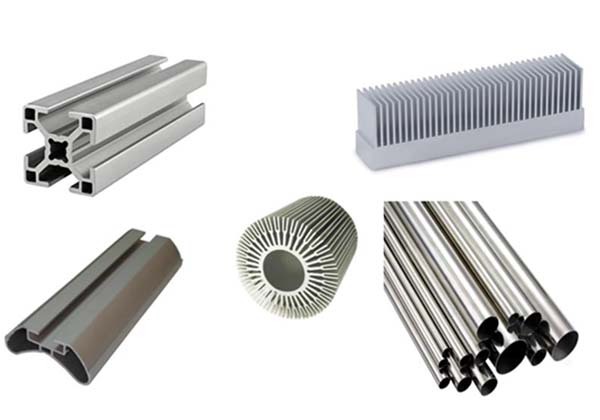
| Aluminum | High strength-to-weight, thermal/electrical conductivity | More expensive, complex processing, post-processing required |
| Stainless Steel | High corrosion resistance, great strength | High cost, complex processing, specialized equipment |
Material choice depends on intended use, budget, and equipment capabilities.
The Actual Prototyping Process
3D printing is the most common method. The CAD model is sliced into thin layers. For FDM (Fused Deposition Modeling) printers—popular in Sydney for affordability and ease—thermoplastic filament is melted and deposited layer by layer.
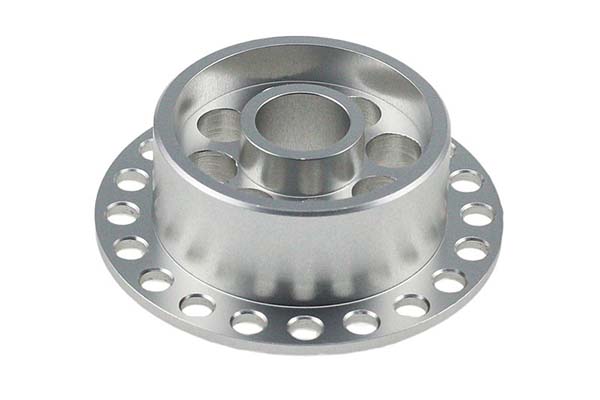
CNC machining is used when high precision and smooth surface finishes are required—aerospace or medical industries. A block of material is clamped; rotating cutting tools remove material to shape the prototype. Medical device prototypes requiring extremely precise dimensions and smooth surfaces often use CNC machining.
What Challenges Does Sydney’s Rapid Prototyping Industry Face?
Material Limitations
Although a wide range of materials is available, selection may be restricted for certain applications. Finding materials combining high strength, heat resistance, and electrical conductivity for aerospace prototypes can be difficult. Medical and automotive applications require biocompatibility and high-stress tolerance—not all materials meet these requirements.
Precision Concerns
A study of 100 rapid prototyping projects in Sydney found that about 30% had some level of dimensional inaccuracy. Conversion from CAD to physical prototype introduces errors—slicing causes layer-thickness variations; CNC tool wear and vibration affect precision.
How Are These Challenges Being Addressed?
New Materials
Local research institutions and companies are developing new materials. The University of Sydney, collaborating with manufacturing firms, has developed a composite material combining metal strength with plastic lightweight properties—potential for automotive and aerospace prototypes.
Advanced Technologies
Many Sydney service providers use high-end 3D printers with advanced calibration systems that automatically adjust printing parameters for consistent layer thickness and better dimensional accuracy.
For CNC machining, state-of-the-art machines with vibration-damping technology and real-time tool-wear monitoring detect and compensate for wear promptly—maintaining precision.
How Does Yigu Technology Approach Rapid Prototyping in Sydney?
As a non-standard plastic and metal products custom supplier, Yigu Technology brings extensive experience to Sydney’s rapid prototyping landscape.
We Offer a Wide Range of Materials
From specialized plastics to metals, we help clients select materials that meet their application requirements—strength, heat resistance, conductivity, biocompatibility.
We Provide High Precision
Our state-of-the-art equipment and skilled engineers proficient in both 3D printing and CNC machining ensure high-precision prototypes—minimizing common precision issues.
We Offer Tailored Solutions
Whether a small-scale startup needing an innovative product prototype or a large enterprise requiring functional prototypes for testing, we provide customized solutions. We work closely with clients from design to final delivery—accurately translating vision into high-quality prototypes.
How Accurate Is Rapid Prototyping?
Accuracy varies by process and equipment.
| Process | Typical Accuracy |
|---|---|
| Desktop 3D Printing (FDM) | Layer thickness: 0.1–0.3 mm |
| Industrial 3D Printing (SLA/SLS) | Layer thickness as low as 0.01 mm |
| CNC Machining | ±0.01–0.1 mm (depending on complexity and machine) |
Factors affecting accuracy: material properties (thermal expansion), CAD model quality, operator skill.
What Are the Most Common Materials Used in Sydney?
- PLA: Easy to print, low cost, biodegradable—suitable for visual prototypes
- ABS: Higher strength, heat resistance—suitable for functional prototypes needing durability
- Nylon: Excellent strength, flexibility—suitable for moving parts
- Aluminum: High strength-to-weight, conductivity—suitable for engineering applications
- Stainless Steel: High corrosion resistance, strength—suitable for harsh environments
Conclusion
Rapid prototyping in Sydney is transforming product development. From CAD design to material selection to 3D printing and CNC machining, the process enables faster iteration, lower costs, and better products. While challenges in materials and precision exist, ongoing innovation—new materials, advanced equipment—is addressing them.
By choosing the right partner—one with diverse materials, high-precision capabilities, and collaborative support—Sydney businesses can accelerate development and bring innovative products to market faster.
Frequently Asked Questions
What are the most common materials used for rapid prototyping in Sydney?
Common materials include PLA (easy to print, low cost, biodegradable—visual prototypes), ABS (higher strength, heat resistance—functional prototypes), nylon (strength, flexibility—moving parts), aluminum (high strength-to-weight, conductivity—engineering applications), and stainless steel (corrosion resistance, strength—harsh environments).
How accurate is the rapid prototyping process in Sydney?
Accuracy varies. Desktop 3D printers achieve 0.1–0.3 mm layer thickness. Industrial 3D printers reach 0.01 mm. CNC machining achieves ±0.01–0.1 mm depending on complexity and machine. Factors affecting accuracy: material properties (thermal expansion), CAD model quality, and operator skill.
What are the main challenges in rapid prototyping?
Material limitations—finding materials that meet specific performance requirements (high strength, heat resistance, conductivity, biocompatibility). Precision concerns—about 30% of projects experience dimensional inaccuracy due to slicing errors, tool wear, or vibration. Solutions include new material development and advanced equipment with calibration and monitoring systems.
Can rapid prototyping be used for functional testing?
Yes. Materials like ABS, nylon, aluminum, and stainless steel produce prototypes suitable for functional testing—withstanding mechanical stress, heat, and environmental conditions. For high-precision functional testing, CNC machining is often preferred.
How long does rapid prototyping take in Sydney?
Timelines vary by complexity and method. Simple 3D-printed parts: 1–3 days. Complex parts requiring CNC machining or post-processing: 5–10 days. Sydney’s local manufacturers offer faster turnaround due to proximity and efficient supply chains.
Contact Yigu Technology for Custom Manufacturing
Ready to accelerate your product development with rapid prototyping in Sydney? Yigu Technology offers 3D printing and CNC machining services with a wide range of materials. Our engineers help you select the right processes and materials for your application. Contact us today to discuss your project.