Introduction
In product development, speed and precision determine success. Companies that iterate quickly, test early, and refine based on real-world feedback gain competitive advantage. Manufacturing prototyping is the cornerstone of this process. It enables designers and engineers to test concepts, identify flaws, and refine designs before committing to mass production. According to industry data, companies that prioritize prototyping reduce development cycles by 30–50% and achieve a 25% higher success rate in product launches. At Yigu Technology, we help clients navigate this complex landscape. This guide breaks down the essentials of prototyping—offering actionable insights, data-driven comparisons, and expert advice to help you make informed decisions.
What Is the Critical Role of Prototyping?
Prototyping is not a “nice-to-have”—it is a strategic imperative.
| Benefit | Description |
|---|---|
| Reduce risk | Identify design flaws, manufacturing challenges, and performance issues early—saving millions in rework costs |
| Accelerate time-to-market | Rapid iterations mean faster validation and quicker launches |
| Enhance stakeholder confidence | Tangible prototypes build trust with investors, clients, and end-users |
| Drive innovation | Experimentation with new materials and geometries opens doors to groundbreaking solutions |
What Types of Prototypes Should You Consider?
Prototypes evolve through stages. Each serves a distinct purpose.
| Type | Purpose | Example |
|---|---|---|
| Concept model | Visualize form and user interaction; gather initial feedback | Cardboard mockups, 3D-printed roughs |
| Functional prototype | Test performance, mechanics, and durability | Working electronics, mechanical parts |
| User experience (UX) prototype | Simulate real-world interactions; gather user feedback | Interactive digital models, physical replicas |
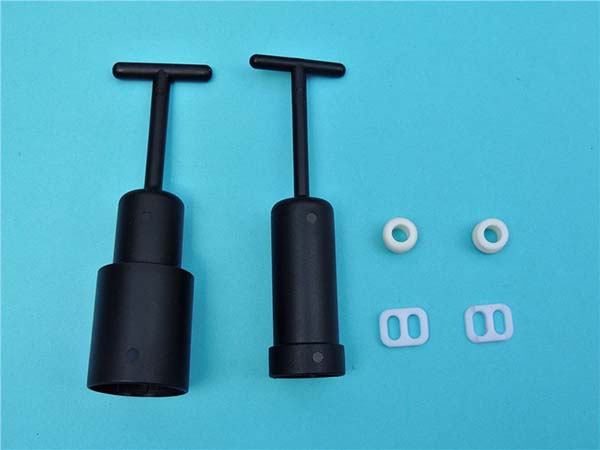
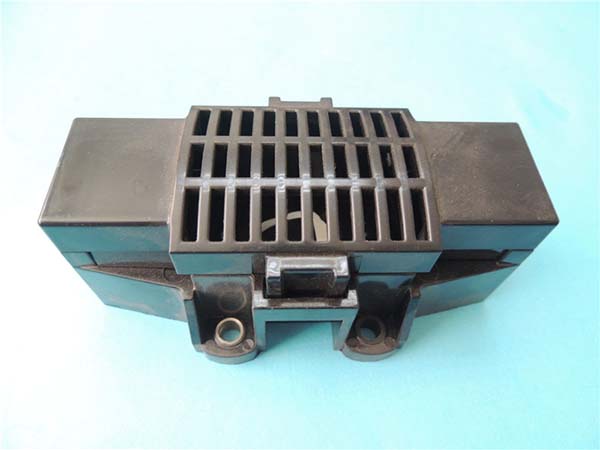
| Pre-production prototype | Validate manufacturability, materials, and assembly processes | Injection-molded parts, CNC-machined components |
Expert insight: Avoid the “one-size-fits-all” trap. Early-stage prototypes prioritize speed and cost-effectiveness. Later stages demand accuracy and material fidelity.
What Prototyping Technologies Are Available?
Additive Manufacturing (3D Printing)
| Technology | Materials | Strength (PSI) | Surface Finish | Best For |
|---|---|---|---|---|
| SLA | Photopolymers | 2,500–10,000 | Smooth | Cosmetic models, intricate geometries |
| SLS | Nylon, TPU | 5,300–11,300 | Textured | Functional testing, durable parts |
| DMLS | Stainless steel, titanium | 37,700–190,000 | Slightly rough | Metal prototypes, end-use components |
| FDM | ABS, PC | 5,200–9,800 | Layered texture | Cost-effective functional testing |
| MJF | Nylon | 6,960 | Smooth | High-speed production of nylon parts |
| PolyJet | Acrylic-based polymers | 7,200–8,750 | Exceptionally smooth | Multi-material, detailed models |
Key takeaway: SLA and PolyJet excel in aesthetics; SLS and DMLS offer superior functional performance.
Subtractive Manufacturing (CNC Machining)
| Factor | Details |
|---|---|
| Strength | 3,000–20,000 PSI |
| Materials | Metals, plastics, composites |
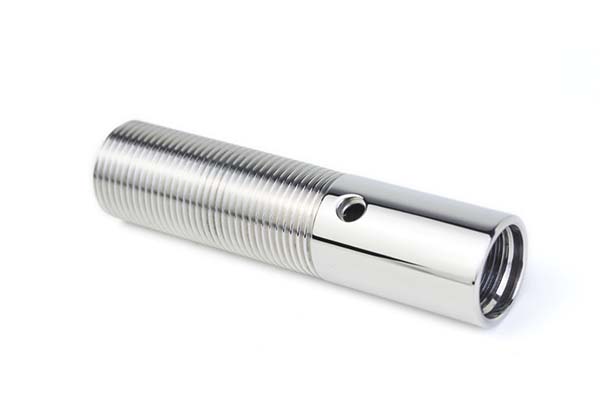
| Advantages | High precision, excellent surface finish, production-grade materials |
| Disadvantages | Higher material waste, slower for complex geometries |
| Ideal use case | Prototypes requiring tight tolerances or metallic properties |
Injection Molding
| Factor | Details |
|---|---|
| Strength | 3,100–20,000 PSI |
| Materials | Engineering plastics, liquid silicone rubber |
| Advantages | Production-grade quality, scalability |
| Disadvantages | High tooling costs, longer lead times |
| When to use | When ready to transition to mass production and need to validate manufacturability |
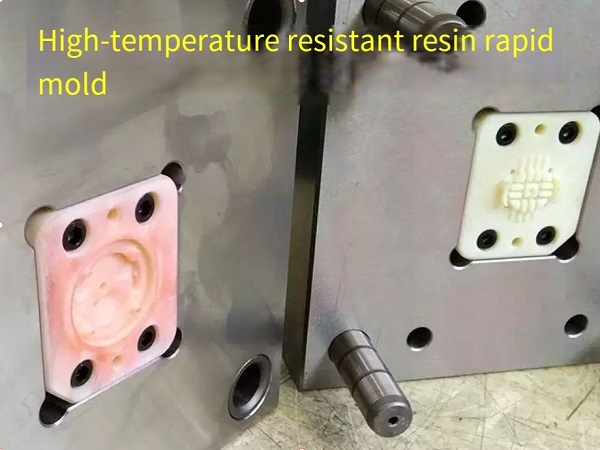
Expert tip: Combine additive and subtractive methods for hybrid prototyping. For example, 3D-print a mold for injection molding to reduce tooling costs.
How Do You Choose the Right Materials?
Selecting materials is a balancing act between functionality, cost, and manufacturability.
| Principle | Guidance |
|---|---|
| Function first | Choose materials that mimic the final product’s mechanical properties (e.g., heat resistance for a kitchen appliance) |
| Cost vs. performance | Budget-friendly materials (PLA for 3D printing) in early stages; premium materials (PEEK for high-strength) later |
| Process compatibility | Ensure materials work with your chosen technology. Avoid brittle materials in FDM due to layer adhesion issues |
| Sustainability | Consider recycled or bio-based materials to align with eco-conscious goals |
Case study: A medical device company used DMLS to prototype a titanium implant with 97% density—matching the strength of traditionally forged parts while reducing material waste by 40%.
How Do You Partner with the Right Manufacturer?
Your choice of manufacturer can make or break your project.
| Factor | What to Look For |
|---|---|
| End-to-end services | Partner who handles design, prototyping, and production under one roof |
| Technical expertise | Experience with your specific materials and technologies |
| Speed and flexibility | Ability to meet tight deadlines and accommodate design iterations |
| Quality assurance | Certifications (ISO 9001); rigorous testing protocols |
Why Choose Yigu Technology?
At Yigu Technology, we specialize in plastic and metal part custom solutions.
| Advantage | Description |
|---|---|
| Rapid turnaround | Prototypes delivered in as fast as 3 days |
| Advanced technologies | State-of-the-art CNC machining, DMLS, and injection molding |
| Cost optimization | Smart design-for-manufacturing (DFM) advice to reduce expenses |
| Global reach | Serving clients in automotive, aerospace, and medical sectors worldwide |
What Future Trends Should You Watch?
| Trend | Description |
|---|---|
| AI-driven design | Algorithms optimize part geometries for strength and material efficiency |
| Sustainable materials | Bio-based plastics and recycled metals gaining traction |
| Digital twins | Virtual prototypes that simulate real-world performance |
Prediction: By 2025, 70% of prototyping will involve hybrid processes combining additive and subtractive manufacturing.
Conclusion
Prototyping is both an art and a science. By understanding your goals, selecting the right technology and materials, and partnering with an expert manufacturer, you can turn your vision into a market-ready product efficiently and cost-effectively.
| Key Takeaway | Action |
|---|---|
| Reduce risk | Prototype early—identify flaws before production |
| Accelerate development | Rapid iterations shorten cycles by 30–50% |
| Choose the right technology | SLA for aesthetics; SLS/DMLS for function; CNC for precision |
| Select materials wisely | Balance function, cost, and process compatibility |
| Partner with experts | End-to-end services, technical expertise, quality assurance |
By following these principles, you can ensure your product’s success—from concept to market.
Frequently Asked Questions
How do I choose between 3D printing and CNC machining for my prototype?
3D printing: Ideal for complex shapes, low-volume runs, or rapid iteration. CNC machining: Better for tight tolerances, metallic parts, or high-strength requirements. Consider your precision needs, material, and volume.
Can I use different materials for prototyping than the final product?
Yes, but exercise caution. Material substitutions can affect performance—using plastic instead of metal may alter heat dissipation, strength, or durability. Always validate with functional testing using materials that mimic final product properties when possible.
What’s the typical cost range for a prototype?
Costs vary widely: 3D-printed prototypes: $100–$5,000. CNC-machined parts: $500–$10,000. Injection-molded prototypes: $2,000–$20,000 (including tooling). Factors include size, complexity, material, and technology.
What is the best prototyping technology for functional testing?
SLS (nylon): Good strength, complex geometries, durable parts. DMLS (metal): For metal prototypes requiring high strength and heat resistance. CNC machining: For tight tolerances and production-grade materials. Choose based on your functional requirements.
How do I ensure my prototype is manufacturable at scale?
Use pre-production prototypes with production-grade materials and processes (injection molding, CNC). Incorporate design for manufacturability (DFM) feedback from your manufacturer early. Validate assembly processes, tolerances, and material behavior before committing to mass production.
Contact Yigu Technology for Custom Manufacturing
At Yigu Technology, we specialize in manufacturing prototyping and custom solutions. Our capabilities include CNC machining, DMLS, injection molding, and design for manufacturability (DFM) feedback. We serve automotive, aerospace, medical, and consumer goods industries.
If you are developing a new product and want to ensure its success through effective prototyping, contact our engineering team. Let us help you navigate the journey from concept to market—efficiently, cost-effectively, and with confidence.