Introduction
You have a design. You need precision parts. But finding the right CNC machining service can be the difference between a successful project and costly delays, poor quality, or budget overruns. The right partner delivers accurate parts on time, communicates clearly, and helps optimize your design for manufacturability. This guide helps you identify the best CNC machining services in your area—considering factors like proximity, expertise, customer feedback, and service quality—and provides practical tips to ensure you get the best value for your project.
What Are CNC Machining Services?
Definition and Overview
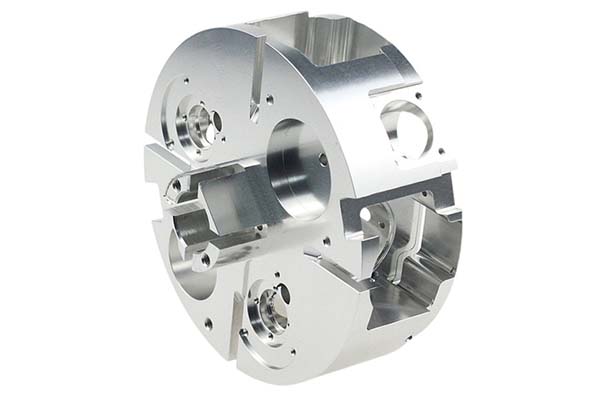
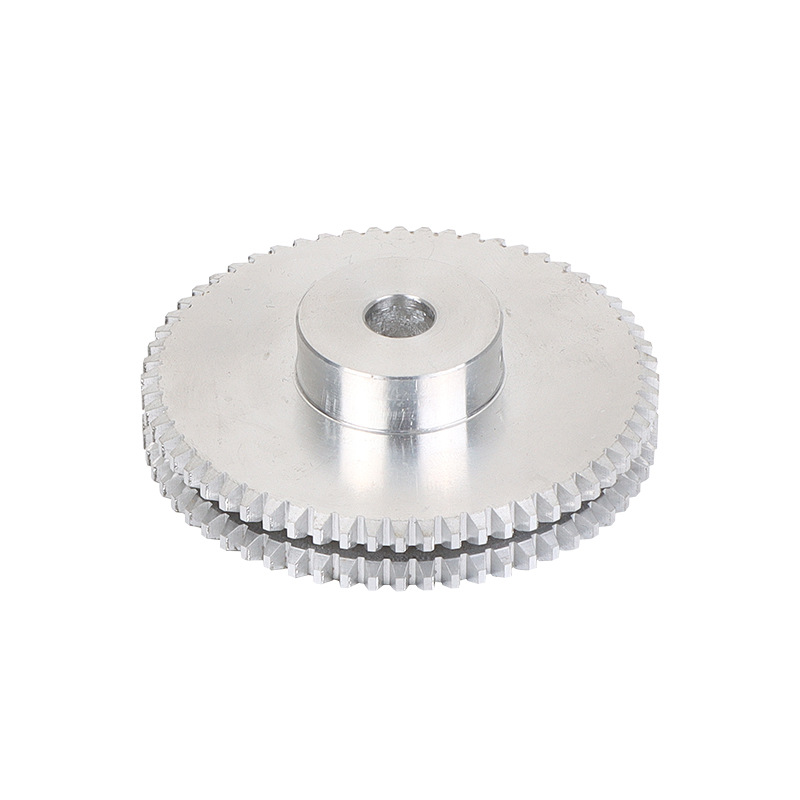
CNC (Computer Numerical Control) machining is a precise manufacturing process where computer software controls the movement of tools and machinery. This technology enables the creation of parts with high accuracy, tight tolerances, and complex geometries. CNC machining is essential for industries like aerospace, automotive, medical, and electronics, where precision is non-negotiable.
Key advantages:
- Automation reduces human error
- Consistent quality across production runs
- Ability to produce complex geometries
- Wide material compatibility (metals, plastics, composites)
Types of CNC Machining Processes
| Process | Description | Best For |
|---|---|---|
| CNC milling | Rotating cutting tools remove material | Complex shapes, slots, holes, contours |
| CNC turning | Workpiece rotates against stationary tool | Cylindrical parts: shafts, tubes, bushings |
| EDM (Electrical Discharge Machining) | Electrical discharges erode material | Hard materials, intricate details, sharp corners |
| Laser cutting | Focused laser beam cuts material | Sheet metal, clean edges, intricate patterns |
| CNC router | Router bit controlled by CNC | Woodworking, plastics, intricate designs |
How Do I Find CNC Services Near Me?
Using Online Directories and Maps
Online directories and mapping platforms are the simplest way to find local CNC machining services.
| Platform | Best For | Features |
|---|---|---|
| Google Maps | Quick search by location | Lists nearby providers; customer ratings and reviews |
| Yelp | Customer satisfaction assessment | Reviews, ratings, photos of work |
| Yellow Pages | Traditional directory | Listings categorized by services and location |
| Thomasnet | Industrial suppliers | Detailed company profiles, capabilities, certifications |
Search tip: Type “CNC machining services” followed by your city or ZIP code. Filter by ratings, distance, and services offered.
Reading Customer Reviews and Ratings
Customer feedback is a valuable resource for evaluating quality. When browsing reviews, pay attention to:
- Turnaround time: Are customers happy with delivery speed?
- Quality of work: Recurring issues with precision, surface finish, or defects?
- Customer service: How does the company handle inquiries, issues, and support?
- Pricing: Are rates reasonable for the quality provided?
Red flags:
- Multiple complaints about missed deadlines
- Consistent quality issues
- Poor communication or unresponsiveness
Contacting Local Manufacturers’ Associations
Many regions have manufacturers’ associations that support local businesses. These organizations often provide directories of member companies, including CNC machining services.
Notable associations:
- NTMA (National Tooling and Machining Association): US-based precision manufacturing network
- PMA (Precision Metalforming Association): Metalforming and fabricating
- Local manufacturing alliances: Often provide vetted member directories
These associations can give recommendations based on your specific needs and insights into industry standards and certifications.
What Criteria Should I Use to Select a CNC Service?
Quality of Work
Quality is the top priority. A reputable CNC service should have a track record of producing precise parts that meet specifications.
How to assess quality:
- Request samples: Ask for examples of previous work similar to your project
- Certifications: ISO 9001 (quality management) is a baseline; AS9100 for aerospace; ISO 13485 for medical
- Inspection methods: Do they use CMMs, optical comparators, surface profilometers?
- Quality reports: Will they provide inspection documentation with your parts?
Turnaround Time
Lead time is critical, especially for tight deadlines. A reliable service should provide realistic timelines.
Questions to ask:
- What is your typical lead time for projects like mine?
- Can you handle my order volume within my required timeframe?
- Do you offer expedited services? What are the costs?
Cost-Effectiveness
Price matters, but it should not be the only factor. Balance cost with quality, reliability, and service.
Cost considerations:
- Request quotes from at least three providers to compare
- Ask about hidden costs: Setup fees, material handling, expedited shipping
- Consider total value: A slightly higher cost may be worth it for better quality, faster delivery, or engineering support
Capabilities and Equipment
Ensure the service has the equipment and expertise to handle your project.
| Capability | What to Ask |
|---|---|
| Machine types | Do they have 3-axis, 4-axis, 5-axis mills? CNC lathes? Swiss-type? |
| Material experience | Have they worked with your material (titanium, stainless, PEEK, etc.)? |
| Part size | What is their maximum part size? Minimum feature size? |
| Tolerance capability | What tolerances can they routinely achieve? |
| Finishing services | Do they offer anodizing, plating, passivation, or other post-processing? |
Communication and Customer Service
Clear communication prevents misunderstandings and errors.
Look for:
- Responsive inquiries (within 24 hours)
- Willingness to ask questions about your design
- DFM (Design for Manufacturability) feedback—do they suggest improvements?
- Regular updates during production
What Tips Will Help Me Get the Best CNC Service?
Communicate Your Needs Clearly
Be as detailed as possible when describing your project:
- Dimensions: Provide precise measurements and tolerances
- Material: Specify type, grade, and any certifications required
- Surface finish: Indicate required finish (rough, smooth, polished, Ra value)
- Design features: Describe complex geometries thoroughly
- Quantity: Clarify number of parts and future scaling needs
- Drawings: Provide 2D drawings with GD&T (geometric dimensioning and tolerancing) alongside 3D CAD files
Request Quotes and Compare
After detailing your project requirements, request quotes from multiple providers.
Comparison factors:
- Price per unit
- Setup costs
- Lead time
- Included services (design review, inspection reports, shipping)
- Payment terms
Check Past Work and References
A provider’s past work tells you what they are capable of.
- Portfolio: Ask for examples of parts similar to yours
- Case studies: Request detailed project examples
- References: Speak with past clients about quality, reliability, professionalism
- Site visit: If possible, visit the facility to see equipment, organization, and quality processes
Start with a Small Trial Order
For critical projects, consider starting with a small trial order. This allows you to:
- Verify quality before committing to larger quantities
- Test communication and responsiveness
- Evaluate adherence to lead times
- Assess the provider’s problem-solving ability
What Are the Benefits of Choosing a Local CNC Service?
| Benefit | Explanation |
|---|---|
| Faster communication | Same time zone; easier phone and in-person meetings |
| Site visits | Tour the facility; see equipment and processes firsthand |
| Reduced shipping costs | Lower freight costs for heavy or large parts |
| Faster delivery | Shorter shipping distances; less transit time |
| Local support | Easier to address issues, returns, or modifications |
Trade-off: Local services may have higher hourly rates than international options. Balance proximity with cost and capability.
A Real-World Selection Success
A medical device startup needed 50 precision titanium components for a surgical instrument prototype. They followed a structured selection process:
- Searched online: Found 5 local CNC shops via Google Maps and Thomasnet
- Reviewed capabilities: Filtered to 3 shops with medical device experience and ISO 13485 certification
- Requested quotes: Provided detailed drawings and 3D models
- Checked references: Spoke with past clients about quality and lead times
- Selected partner: Chose a shop with competitive pricing, responsive communication, and DFM feedback
- Trial order: Placed initial order for 10 parts to verify quality
Results:
- Parts delivered in 7 days
- All parts passed inspection (±0.01 mm tolerances)
- Design improved based on DFM suggestions
- Long-term partnership established for production
Conclusion
Finding the best CNC machining services near you requires research, clear communication, and careful evaluation. Start with online directories—Google Maps, Yelp, Thomasnet—to identify local providers. Read customer reviews for insights on quality, turnaround, and service. Contact manufacturers’ associations for vetted recommendations. Evaluate candidates on quality (certifications, inspection methods), turnaround time, cost-effectiveness, and capabilities. Communicate your needs clearly with detailed drawings and specifications. Request quotes from multiple providers and compare total value, not just price. Check past work and references. Consider starting with a small trial order to verify quality and reliability. The right CNC partner will not just make parts—they will become a trusted partner in your success.
FAQs
How do I find CNC machining services near me?
Use online directories like Google Maps (search “CNC machining services” plus your city or ZIP code), Yelp, and Thomasnet. Contact local manufacturers’ associations like NTMA for member directories. Ask for recommendations from other businesses in your industry.
What should I look for when choosing a CNC machining service?
Prioritize quality (ISO certifications, inspection methods, past work), turnaround time, cost-effectiveness, and capability match (equipment, material experience, part size). Also evaluate communication—responsive, detail-oriented providers are more reliable partners.
How do I verify the quality of a CNC machining service?
Request samples of past work similar to your project. Check for ISO 9001, AS9100, or ISO 13485 certifications. Ask about inspection methods—do they use CMMs? Will they provide inspection reports? Contact references to ask about quality, consistency, and problem resolution.
Should I choose a local CNC service or consider international options?
Local services offer faster communication, site visits, reduced shipping costs, and quicker delivery. They are ideal for prototypes, tight deadlines, and projects requiring close collaboration. International services may offer lower per-unit costs for high-volume production but have longer lead times and shipping costs. Balance proximity with cost based on your project priorities.
How can I get the best price from a CNC machining service?
Request quotes from at least three providers to compare. Provide complete, detailed drawings and specifications to avoid quoting errors. Ask about setup costs, material sourcing fees, and expedite charges. Consider optimizing your design for manufacturability (DFM)—simpler designs with standard tolerances cost less. For repeat orders, discuss volume discounts.
Contact Yigu Technology for Custom Manufacturing
At Yigu Technology, we combine precision CNC machining with responsive service to deliver high-quality parts for aerospace, medical, automotive, and industrial clients. Our facility includes 5-axis milling, CNC turning, and CMM inspection—achieving tolerances down to ±0.005 mm. We hold ISO 9001 certification and follow AS9100 practices for aerospace work. Our engineering team provides DFM feedback to optimize your designs before production. Whether you are local or global, we offer clear communication, competitive pricing, and on-time delivery. Contact us to discuss your CNC machining project.