Introduction
You have a product idea. It is innovative, has market potential, and you are ready to move forward. But turning that idea into a tangible, testable product requires expertise, equipment, and resources that you may not have in-house. A professional prototyping agency bridges this gap. These specialized entities create physical or digital models—prototypes—that mimic the form, function, and look-and-feel of final products. This guide explains what prototyping agencies do, why they are essential, and how to select the right partner for your project.
What Is a Prototyping Agency?
A prototyping agency is a specialized entity dedicated to creating physical or digital models of products. These prototypes are detailed representations that help bridge the gap between an idea and a tangible product. Entrepreneurs, inventors, and established companies often have brilliant concepts but lack the in-house expertise or resources to turn them into workable prototypes. Prototyping agencies step in, leveraging technical know-how, state-of-the-art equipment, and experienced staff.
A startup with an idea for a new handheld fitness tracking device can work with a prototyping agency to define product requirements and use 3D printing, CAD, and advanced manufacturing techniques to create a prototype. This prototype tests functionality—accuracy in tracking steps, heart rate, sleep patterns.
Prototyping agencies are crucial for gathering early feedback. Presenting prototypes to potential customers, stakeholders, or investors provides valuable insights, enabling iterative improvements and reducing risk of costly mistakes in mass production. Studies show that products undergoing thorough prototyping and feedback-driven improvements are 40% more likely to succeed in the market.
Agencies handle complex projects involving multiple materials and manufacturing processes—plastics, metals, composites—selecting the right materials based on cost, durability, functionality. They manage transitions from rapid prototyping techniques to production-friendly methods as products move toward commercialization.
Why Should You Choose a Professional Prototyping Agency?
Expertise and Technical Know-How
Professional prototyping agencies employ skilled engineers, designers, and technicians with deep knowledge of materials, manufacturing processes, and design principles. They understand which materials work for specific applications—strength, flexibility, heat resistance—and which manufacturing techniques (3D printing, CNC machining, injection molding) deliver optimal results.
Access to Advanced Equipment
State-of-the-art equipment—industrial 3D printers, CNC machines, laser cutters—is expensive and requires specialized expertise. Prototyping agencies invest in this equipment, providing access without capital expenditure. Advanced equipment produces high-quality, accurate prototypes that closely represent final products.
Faster Time-to-Market
Professional agencies have streamlined processes and experienced teams that turn ideas into prototypes quickly. A McKinsey study found that companies adopting rapid prototyping reduce time-to-market by up to 50% . Speed enables faster response to market trends, customer demands, and emerging opportunities.
Cost-Effective Iteration
Catching design flaws early avoids costly re-engineering and tooling changes during mass production. A consumer electronics SME reduced development costs by 30% by identifying and correcting design issues before production using professional prototyping services.
Improved Communication and Collaboration
Physical prototypes provide tangible references for all stakeholders—designers, engineers, marketing teams, investors. This shared understanding improves communication, reduces misunderstandings, and ensures alignment with product vision.
How Do You Select the Right Prototyping Agency?
Portfolio Review
A prototyping agency’s portfolio reveals its capabilities. For medical devices, look for agencies with medical field experience. Analyze prototype quality, project complexity, and industry diversity. A diverse portfolio indicates a versatile agency adaptable to different challenges.
Client Testimonials and References
Client testimonials highlight strengths—ability to meet deadlines, high-quality work, excellent customer service. Ask for references and reach out to previous clients for firsthand accounts of their experience.
Technical Capabilities
Consider materials worked with—plastics, metals, composites. A good agency recommends the best material for your needs. Evaluate manufacturing processes—3D printing, CNC machining, injection molding. Advanced techniques lead to more accurate, high-quality prototypes. Expertise in CAD/CAM software is crucial for creating detailed, precise designs.
Communication and Collaboration
Effective communication is essential. A good agency listens to ideas, understands requirements, and provides timely updates. Gauge communication skills during initial consultation—prompt responses, ease of conversation. A collaborative agency involves you in decision-making—design changes, material selection, project aspects.
What Are the Costs and Timelines?
Cost Factors
Cost varies significantly based on:
- Project complexity: Simple single-component prototypes: a few hundred dollars. Complex multi-component prototypes for high-tech devices: thousands or tens of thousands.
- Materials: Common plastics less expensive than high-performance metals or advanced composites.
- Manufacturing processes: 3D printing relatively cost-effective for small-scale prototyping; complex, precise CNC machining more expensive.
Timelines
- Simple prototypes using rapid prototyping (3D printing, readily available materials): 3–5 days
- Complex projects requiring extensive design work, custom tooling, hard-to-source materials: 4–8 weeks or longer
A simple consumer product prototype can be produced quickly. A new medical implant requiring strict regulatory standards and special biocompatible materials takes much longer due to detailed testing and validation.
Can a Prototyping Agency Help with Mass Production?
Yes. Many prototyping agencies offer support for mass production after prototyping:
- Design optimization: Optimize designs for manufacturability
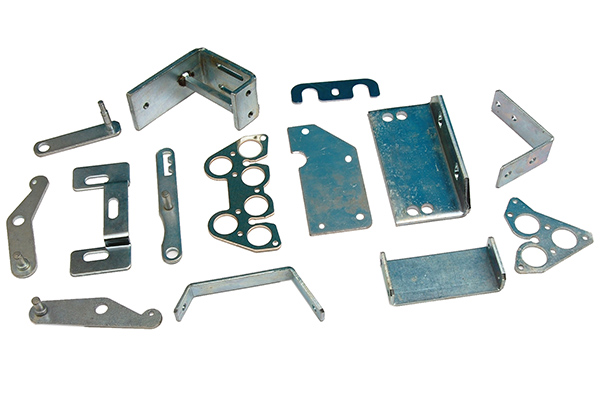
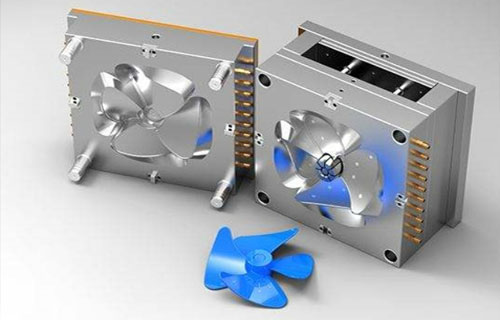
- Manufacturing process selection: Recommend production-level processes (injection molding for high-volume plastic parts, metal stamping for metal components)
- Supply chain management: Source raw materials in bulk
- Quality control: Ensure quality throughout mass production
Some agencies offer end-to-end services—from initial concept to full-scale production—making the entire product development journey seamless.
How Does Yigu Technology Collaborate with Prototyping Agencies?
As a non-standard plastic and metal products custom supplier, Yigu Technology deeply understands the significance of prototyping agencies. In our long-term cooperation with clients, we’ve witnessed how prototyping agencies act as catalysts in product development.
Flexibility and Expertise
Prototyping agencies offer flexibility and expertise that in-house teams often lack. They quickly adapt to different design concepts—crucial for custom projects. For a complex non-standard plastic part, an agency uses advanced 3D printing to create detailed prototypes, allowing design adjustments before mass production—reducing both time and cost.
Our Role
Our strength lies in deep-rooted knowledge of materials and manufacturing processes. We collaborate closely with prototyping agencies, providing insights into best materials based on intended use. Our precision manufacturing ensures seamless transition from prototype to mass production. By working hand-in-hand with prototyping agencies, we offer clients a one-stop solution—from concept to final product—with high-quality results.
Conclusion
Professional prototyping agencies are essential partners in product development. They provide expertise, access to advanced equipment, faster time-to-market, cost-effective iteration, and improved communication. Selecting the right agency requires evaluating portfolio, client testimonials, technical capabilities, and communication skills.
Costs and timelines vary based on complexity, materials, and processes. Many agencies support mass production after prototyping—optimizing designs, selecting processes, managing supply chains. By choosing the right partner, you transform ideas into successful products with reduced risk and accelerated timelines.
Frequently Asked Questions
How much does it cost to work with a prototyping agency?
Cost varies significantly. Simple single-component prototypes: a few hundred dollars. Complex multi-component prototypes for high-tech devices: thousands or tens of thousands. Materials and manufacturing processes also influence cost—common plastics less expensive than high-performance metals; 3D printing cost-effective for small-scale prototyping; complex CNC machining more expensive.
How long does the prototyping process usually take?
Simple prototypes using rapid prototyping (3D printing, readily available materials): 3–5 days. Complex projects requiring extensive design work, custom tooling, or hard-to-source materials: 4–8 weeks or longer. Medical implants requiring regulatory standards and biocompatible materials take longer due to detailed testing and validation.
Can a prototyping agency help with mass production after prototyping?
Yes. Many agencies support mass production—optimizing designs for manufacturability, selecting production-level processes (injection molding, metal stamping), managing supply chains, ensuring quality control. Some offer end-to-end services from initial concept to full-scale production.
What should I look for in a prototyping agency’s portfolio?
Look for relevant industry experience—medical devices, consumer electronics, automotive. Analyze prototype quality—precision, finish, functionality. Assess project complexity and industry diversity. A diverse portfolio indicates versatility and adaptability to different challenges.
How do I evaluate a prototyping agency’s communication skills?
Gauge during initial consultation: Do they respond promptly? Are they easy to talk to? Do they listen to your ideas and understand requirements? A collaborative agency involves you in decision-making—design changes, material selection, project aspects. Clear, regular updates throughout the project are essential.
Contact Yigu Technology for Custom Manufacturing
Ready to bring your product idea to life with a trusted prototyping partner? Yigu Technology collaborates with prototyping agencies to deliver high-quality custom plastic and metal components. Our engineers guide you through material selection, design optimization, and seamless transition from prototype to mass production. Contact us today to discuss your project.