Introduction
You have a product design. You need a physical prototype quickly to test, refine, and validate before production. But not all prototyping services are equal. A hobbyist with a desktop 3D printer cannot deliver the precision, material range, or reliability you need for functional testing. This is where a professional rapid prototyping factory makes the difference. These specialized facilities combine advanced equipment, skilled engineers, and rigorous quality processes to turn digital designs into high-quality prototypes—fast. This guide explains what a rapid prototyping factory does, how to choose the right one, and why the investment matters.
What Is a Rapid Prototyping Factory?
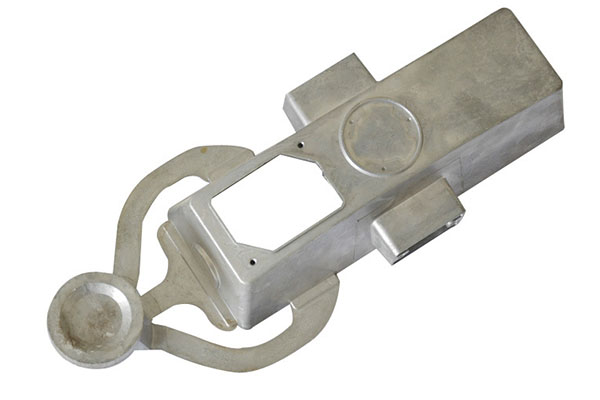
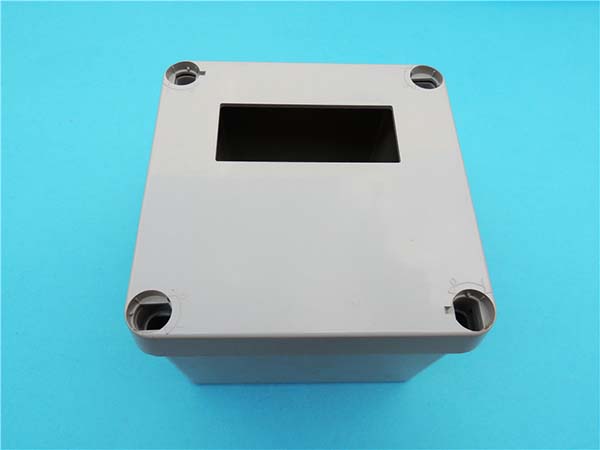
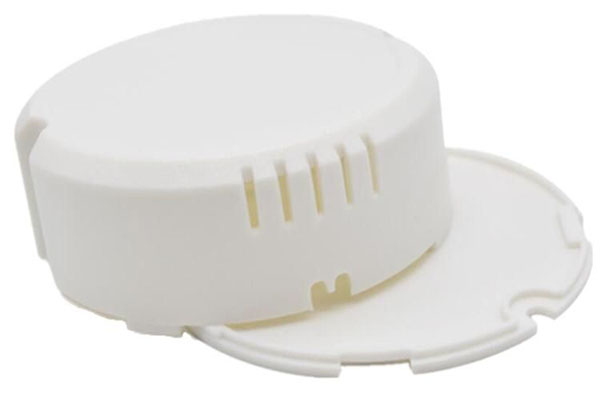
A rapid prototyping factory is a specialized manufacturing facility focused on quickly producing physical prototypes of products. It serves as the critical link between design and mass production.
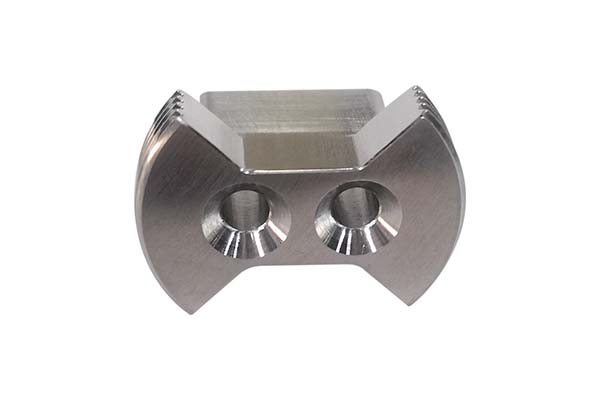
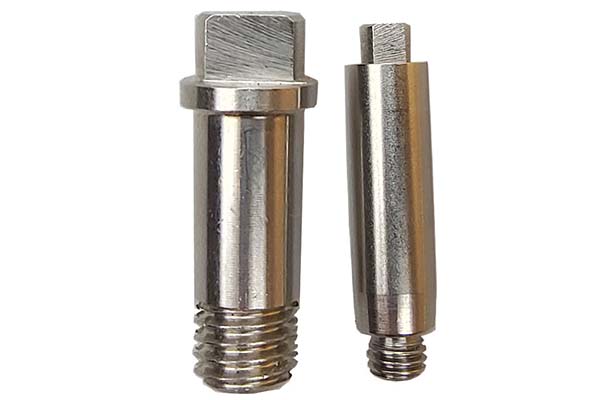
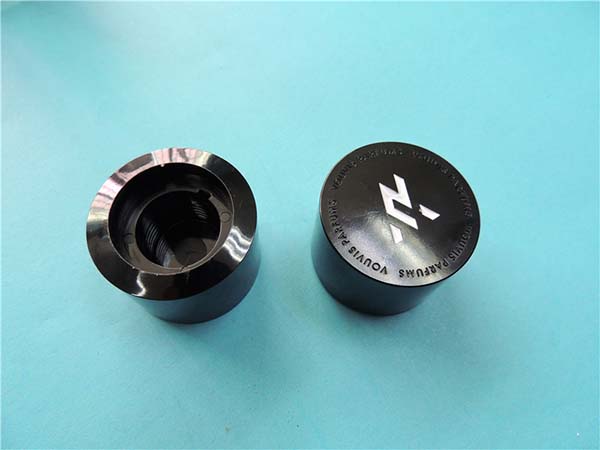
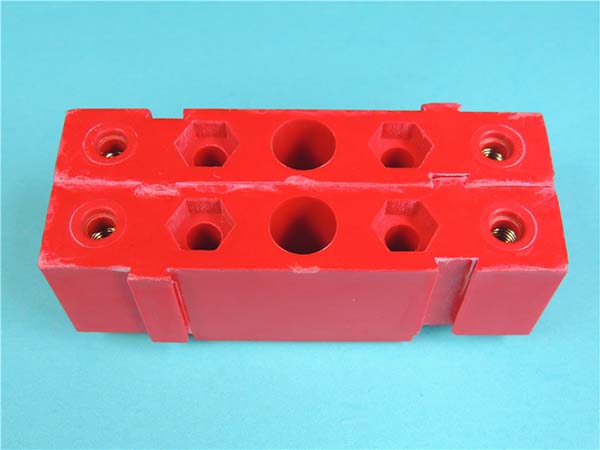
Using advanced technologies—3D printing, CNC machining, injection molding, and laser cutting—these factories transform digital designs into tangible objects in days, not weeks.
In the automotive industry, when a manufacturer designs a new interior component, a rapid prototyping factory can create a prototype within days. Designers and engineers test form, fit, and function before investing in expensive mass-production tooling.
The main function is accelerating the product development cycle. By creating prototypes quickly, companies identify design flaws early, make adjustments, and reach market faster. Industry statistics show prototyping time can be cut by up to 80%—from 6–8 weeks to just 1–2 weeks. This saves time and reduces costs associated with design rework during later production stages.
How Do You Choose the Right Factory?
Selecting the right partner is crucial for project success. Evaluate across several dimensions.
Experience and Expertise
Industry experience: Look for a factory with experience in your specific industry. A medical device company should partner with a factory that understands biocompatibility and regulatory compliance. A factory with 10+ years of experience in rapid prototyping is more likely to have encountered and solved a wide range of problems.
Team expertise: The factory should have skilled engineers, technicians, and designers proficient in different prototyping technologies. They should optimize 3D printing designs for best quality and accuracy. Certifications in advanced manufacturing technologies indicate expertise.
Equipment and Technology
Advanced equipment: State-of-the-art equipment is essential for high-quality prototyping. Multi-material 3D printers can create prototypes with different mechanical properties in a single build. CNC machines with high-precision spindles produce complex, accurate parts. A CNC milling machine with ±0.001 mm accuracy ensures prototypes meet tight tolerances.
New technology adoption: Forward-thinking factories keep up with trends. Binder jetting can produce high-volume prototypes quickly. Simulation software predicts prototype performance before physical production, saving time and resources.
Customer Service
Communication response speed: The factory should respond promptly—ideally within 24 hours. Delays in communication lead to project delays.
Project follow-up: A reliable factory provides regular updates on project status, including potential issues. If delays occur due to equipment maintenance, they communicate immediately and provide revised timelines.
After-sales support: Even after prototype delivery, the factory should be available to answer questions or provide support—advice on testing, or resolving defects through re-printing or re-machining.
What Technical Capabilities Should You Look For?
A professional factory offers a range of technologies.
| Technology | Best For | Key Advantages |
|---|---|---|
| FDM 3D Printing | Low-cost concept models | Affordable, fast, wide material range |
| SLA 3D Printing | High-detail prototypes | Smooth surfaces, fine features, accuracy to ±0.05 mm |
| SLS 3D Printing | Durable functional parts | Strong, no supports needed, complex geometries |
| CNC Machining | Precision metal and plastic parts | Tolerances to ±0.01 mm, production-grade materials |
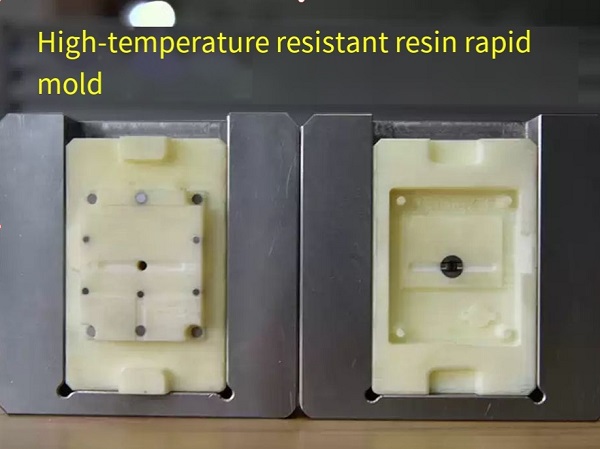
| Rapid Injection Molding | Small-batch production | Production-grade materials, faster than steel tooling |
A factory with a broad technology range can recommend the best method for your specific needs, rather than pushing one approach.
How Do Professional Factories Ensure Accuracy?
Accuracy is ensured through multiple mechanisms.
Equipment Calibration
3D printers are calibrated to ensure precise movement and consistent extrusion. CNC machines maintain high-precision spindle rotation and axis accuracy. Calibration uses precision measuring tools and follows manufacturer procedures.
Quality Control Process
- Design file review: Files are checked for errors that could affect accuracy
- In-process monitoring: Operators monitor machines and take measurements during production
- Final inspection: Prototypes are inspected using coordinate measuring machines (CMMs) with accuracy within ±0.01–0.1 mm
If deviations from specifications are detected, corrective actions—re-machining or re-printing—are taken.
What Is the Typical Turnaround Time?
Turnaround varies by complexity.
| Prototype Type | Typical Turnaround |
|---|---|
| Simple 3D-printed part | 1–3 days |
| Complex 3D-printed part | 3–7 days |
| CNC-machined part | 5–7 days |
| Multi-process with finishing | 1–2 weeks |
A simple plastic part with a simple shape can be printed and finished within a day if the design is ready and printers are available. Complex CNC-machined parts require precise programming, tool changes, and careful machining operations—taking longer.
Can a Rapid Prototyping Factory Handle Production?
While primarily known for prototyping, many factories can handle small to medium-scale production.
Advanced technologies like binder jetting 3D printing produce larger quantities faster than traditional 3D printing. A factory might produce hundreds to thousands of units depending on complexity and equipment.
Advantages for small-scale production:
- Ability to quickly adjust designs
- Lower upfront investment than traditional mass-production tooling
For large-scale mass production (tens of thousands+ units), traditional methods like injection molding in dedicated facilities remain more cost-effective due to high-volume capabilities.
How Does Yigu Technology Partner with Rapid Prototyping Factories?
As a non-standard plastic and metal products custom supplier, Yigu Technology values reliable rapid prototyping factories as essential partners.
We Leverage Their Speed
When developing new plastic-metal composite products, rapid prototyping factories enable quick turnaround. Design adjustments based on prototype test results are made promptly, ensuring final products meet high-quality standards.
We Expect Comprehensive Services
We look for factories offering:
- High-quality prototyping
- Professional advice on material selection
- Design optimization recommendations
- Cost-effective solutions
We Value Long-Term Partnerships
We partner with factories that understand our unique requirements and provide customized services. Long-term relationships enable continuous improvement and growth together.
Conclusion
Choosing a professional rapid prototyping factory is a strategic decision that impacts your product development timeline, quality, and cost. The right partner offers:
- Industry experience relevant to your application
- Advanced equipment for precision and flexibility
- Strong customer service with clear communication
- Quality systems ensuring accuracy and reliability
By investing in a professional partner rather than a low-cost hobbyist service, you reduce risk, accelerate development, and bring better products to market faster.
Frequently Asked Questions
What is the typical turnaround time for a prototype in a rapid prototyping factory?
Turnaround varies by complexity. Simple 3D-printed parts: 1–3 days. CNC-machined parts: 5–7 days. Multi-process prototypes with finishing: 1–2 weeks. Factors include design complexity, material availability, and factory workload.
Can a rapid prototyping factory handle large-scale production?
Rapid prototyping factories primarily focus on prototyping and small to medium-scale production (hundreds to thousands of units). Advanced technologies like binder jetting enable higher volumes than traditional 3D printing. For large-scale mass production (tens of thousands+ units), traditional methods like injection molding in dedicated facilities are more cost-effective.
How does a rapid prototyping factory ensure the accuracy of the prototypes?
Accuracy is ensured through regular equipment calibration, design file review, in-process monitoring, and final inspection using coordinate measuring machines (CMMs) with accuracy within ±0.01–0.1 mm. Any deviations trigger corrective actions.
What is the difference between a rapid prototyping factory and a local 3D printing shop?
A professional factory offers industrial-grade equipment, a range of technologies (CNC, SLA, SLS, injection molding), skilled engineers, quality systems, and regulatory compliance capabilities. A local 3D printing shop typically has desktop printers, limited materials, and may lack quality control processes. Choose based on your precision, material, and reliability requirements.
How much does professional rapid prototyping cost?
Costs vary based on technology, material, size, and complexity. Simple FDM parts: $10–$50. SLA or SLS parts: $50–$500. CNC-machined metal parts: $200–$2,000. Professional factories provide detailed quotes with transparent breakdowns—avoid providers with vague pricing.
Contact Yigu Technology for Custom Manufacturing
Ready to work with a professional rapid prototyping partner? Yigu Technology offers comprehensive prototyping services backed by industrial-grade equipment and engineering expertise. From 3D printing to CNC machining and rapid tooling, we deliver high-quality prototypes on your timeline. Contact us today to discuss your project.