Introduction
You need sheet metal parts. Maybe it is a custom enclosure, a batch of brackets, or a prototype for a new product. You search for “sheet metal companies near me” and get a long list of results. Some have been around for decades. Others are new. Some specialize in high-volume production. Others focus on custom prototypes.
How do you choose? The wrong shop can deliver parts that do not fit, use inferior materials, or miss your deadline. The right shop becomes a trusted partner who helps you refine your design, control costs, and deliver quality parts on time.
This guide walks you through what sheet metal companies do, what to look for, and how to evaluate your options. You will learn how to match a shop’s capabilities to your project and avoid common pitfalls.
What Do Sheet Metal Companies Do?
Understanding Sheet Metal
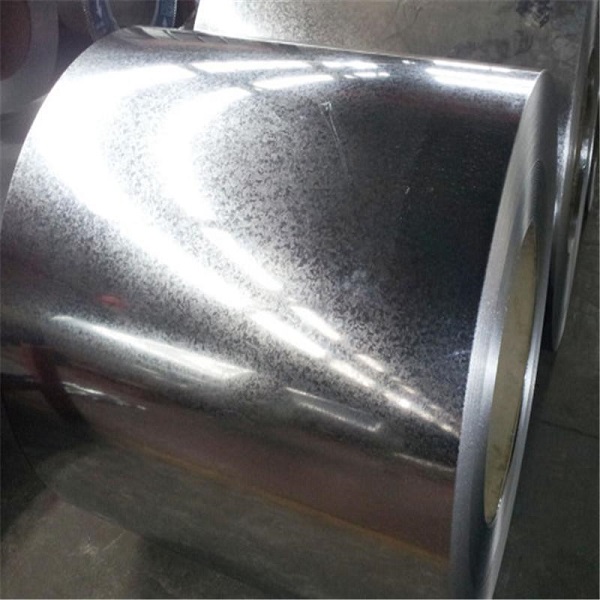
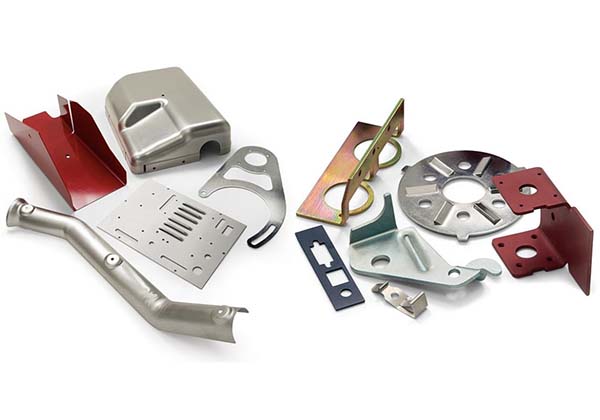
Sheet metal is thin, flat metal—typically less than 6 mm thick. Thicker material is classified as plate. Sheet metal is valued for its malleability, allowing it to be formed into complex shapes through cutting, bending, and rolling.
Common sheet metal materials include:
| Material | Key Properties | Typical Applications |
|---|---|---|
| Steel (Mild) | Strong, affordable, versatile | Automotive parts, machinery enclosures, construction |
| Stainless Steel | Corrosion-resistant, durable | Food equipment, medical devices, outdoor structures |
| Aluminum | Lightweight, corrosion-resistant, conductive | Aircraft components, automotive bodies, electronics |
| Copper | Excellent electrical conductivity, antibacterial | Electrical wiring, heat exchangers, decorative work |
Common Services Offered
Sheet metal companies typically offer a range of fabrication services:
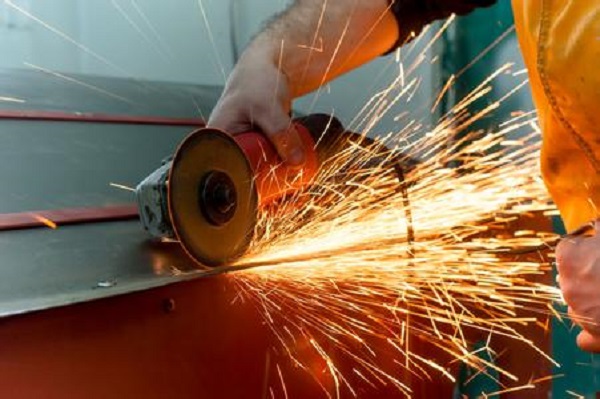
Cutting: The first step in most projects.
- Laser cutting: High precision, complex shapes, clean edges. Works on various thicknesses.
- Water jet cutting: Uses high-pressure water with abrasive. No heat-affected zone. Ideal for heat-sensitive materials.
- Shearing: Straight cuts for large sheets. Fast and cost-effective for simple shapes.
Bending: Shapes flat sheets into three-dimensional forms.
- CNC press brakes provide consistent, accurate bends.
- Factors like material thickness, yield strength, and bend radius affect results.
Welding: Joins separate pieces together.
- MIG welding: Faster, suitable for thicker materials.
- TIG welding: Higher precision, cleaner finish for thin materials and high-quality applications.
Stamping: Uses dies to shape metal under pressure.
- Highly efficient for mass-producing identical parts.
- Requires upfront die investment but delivers low per-unit costs at high volumes.
What Factors Should You Consider?
Experience and Expertise
Experience matters. A company that has been in business for 10–20 years has likely encountered a wide variety of projects and challenges. They have developed processes to handle complex requirements and unexpected issues.
Look for:
- Years in business: Longevity often indicates stability and customer satisfaction.
- Project portfolio: Does their past work align with your needs?
- Industry expertise: Some shops specialize in automotive, medical, aerospace, or architectural work.
Real-World Example: A medical device startup needed stainless steel enclosures with tight tolerances. They approached three shops. One had 25 years of experience in medical device fabrication. That shop understood the cleanliness requirements, material certifications, and documentation needs—delivering parts that passed FDA inspection without delays. The less experienced shops would have required multiple rounds of rework.
Quality of Materials and Workmanship
The materials a shop uses directly affect your product’s performance. High-grade stainless steel resists corrosion better than lower-grade alternatives. Quality aluminum maintains strength and finish over time.
Ask about:
- Material sourcing: Do they buy from reputable mills?
- Certifications: Can they provide material certifications (mill test reports)?
- Quality control: Do they have ISO 9001 certification or other quality management systems?
Workmanship is equally important. Precision in cutting, bending, and welding determines whether parts fit together correctly. Look for shops that use:
- Advanced CNC equipment for consistency
- In-process quality checks to catch issues early
- Skilled operators with certifications (e.g., AWS for welders)
Pricing and Cost-Effectiveness
Price matters, but it should not be the only factor. A very low quote may mean:
- Lower-quality materials
- Rushed work with poor quality control
- Hidden fees added later
To evaluate cost-effectiveness, consider:
| Factor | What to Look For |
|---|---|
| Total cost | Initial price + shipping + potential rework costs |
| Quality-price ratio | Compare quality against price. A slightly higher price for better materials and workmanship often pays off in durability |
| Transparency | Clear, itemized quotes with no hidden fees |
Case Study: A customer needed 200 aluminum brackets. Shop A quoted $8 each with a 10-day lead time. Shop B quoted $12 each with a 5-day lead time. Shop A’s brackets arrived with inconsistent hole placement—15% needed rework. Shop B’s parts fit perfectly the first time. The slightly higher price from Shop B actually saved money overall.
Customer Reviews and Reputation
Customer reviews offer insight into a company’s reliability. Look for patterns:
- On-time delivery: Do customers consistently receive parts when promised?
- Quality: Are there complaints about defects or poor workmanship?
- Communication: Do reviewers mention responsive customer service?
Check platforms like:
- Google Reviews
- Yelp
- Industry-specific forums (e.g., machining or fabrication communities)
Also ask for references. A confident shop will provide contact information for past clients. Call those references and ask specific questions about their experience.
How Do You Compare Multiple Shops?
Create a Shortlist
Start with a list of 3–5 shops that meet your basic criteria—location, services offered, and experience level. Visit their websites to review capabilities and past projects.
Request Detailed Quotes
Provide the same information to each shop:
- Engineering drawings (DXF, PDF, or STEP files)
- Material type and grade
- Thickness
- Quantity
- Required tolerances
- Finish requirements (powder coating, anodizing, etc.)
- Delivery deadline
A good quote includes:
- Itemized costs (material, labor, setup, finishing, shipping)
- Lead time
- Terms of payment
Evaluate Responses
Compare quotes side by side. Look beyond the bottom line:
| Shop | Price | Lead Time | Material Source | Quality Certifications | Notes |
|---|---|---|---|---|---|
| A | $1,200 | 10 days | Local supplier | None | Limited welding experience |
| B | $1,500 | 5 days | Major mill | ISO 9001 | In-house finishing |
| C | $950 | 15 days | Unknown | None | Lowest price, longest lead |
Shop B may be the best value despite higher price—faster delivery, certified materials, and in-house finishing reduce coordination risk.
Visit or Call
If possible, visit the shop. A clean, organized facility with well-maintained equipment suggests pride in workmanship. If a visit is not possible, schedule a call to discuss your project. Pay attention to:
- Do they ask good questions about your requirements?
- Are they transparent about their capabilities and limitations?
- Do they offer suggestions to improve design or reduce cost?
What About Small Projects?
Will Shops Accept Small Orders?
Many sheet metal companies accept small-scale projects. Small jobs can be an opportunity for shops to build relationships with new clients. However, some larger shops have minimum order quantities (MOQs) or may charge a higher per-unit cost for small runs.
Shops more likely to accept small projects:
- Job shops that specialize in custom work
- Prototype-focused fabricators
- Smaller, locally owned shops
For small projects, be prepared for:
- Higher per-unit cost (setup costs spread over fewer parts)
- Longer lead times if the shop prioritizes larger orders
- Minimum order fees in some cases
Real-World Example: A hobbyist needed five custom steel brackets for a home workshop project. A large industrial shop quoted a $500 minimum order. A small local job shop charged $120 total and delivered in one week. Matching project size to shop size saved money and time.
Prototype Services
Many shops offer prototype services. Prototyping allows you to test fit, function, and design before committing to full production. It is an opportunity to identify issues early—saving time and money later.
Ask potential shops:
- Do they offer prototype services?
- What is the typical lead time for a prototype?
- Can they scale from prototype to production?
How Do You Build a Long-Term Relationship?
Communicate Clearly
From the first inquiry, be clear about your project. Provide complete drawings and specifications. If something is flexible—like material or finish—say so. Shops can often suggest cost-saving alternatives if they understand your priorities.
Start with a Test Project
If you plan to work with a shop long-term, start with a small test project. This reveals their quality, communication style, and reliability without risking a large order. A successful test project builds trust for bigger jobs.
Plan for the Long Term
The best shop relationships grow over time. A shop that knows your products, tolerances, and preferences will deliver faster and with fewer errors. They will also be more willing to accommodate rush orders or design changes when you need them.
Conclusion
Choosing the right sheet metal company near me requires more than a quick online search. Start by understanding your own needs—material, thickness, quantity, and precision. Then evaluate shops based on:
- Experience and expertise in your industry
- Quality of materials and workmanship
- Pricing and cost-effectiveness (not just the lowest price)
- Customer reviews and reputation
Match the shop’s capabilities to your project size. Job shops are often best for small runs and prototypes. Larger shops may offer better pricing for high volumes.
A good sheet metal company is not just a vendor. They are a partner who helps you solve problems, improve designs, and deliver quality products. Take the time to find the right one, and your projects will run smoother from start to finish.
FAQs
How can I get an accurate quote from a sheet metal company?
Provide detailed engineering drawings with all dimensions, tolerances, and specifications. State the quantity clearly—larger volumes may lower unit cost. Specify material type and grade (e.g., 304 stainless, 6061 aluminum). Mention any special finishing requirements like powder coating or anodizing. The more complete your information, the more accurate your quote.
What if I have a small-scale sheet metal project? Will companies still take it?
Many shops accept small projects, especially job shops and prototype-focused fabricators. However, be prepared for higher per-unit costs since setup costs are spread over fewer parts. Some larger shops have minimum order quantities. Always call and ask—many are willing to work with small projects to build relationships.
How long does a typical sheet metal project take?
Lead times vary widely. Simple projects with standard materials and no custom tooling: a few days to one week. Complex projects involving intricate designs, custom tooling, or hard-to-source materials: 4–8 weeks. Factors include design approval, material procurement, production, and quality control. Always confirm lead times with your chosen shop before placing an order.
What certifications should I look for in a sheet metal company?
ISO 9001 certification indicates documented quality management systems—consistent processes, regular audits, and continuous improvement. For welding, look for AWS (American Welding Society) certified welders. For specific industries (aerospace, medical), look for specialized certifications like AS9100 or ISO 13485. Material certifications (mill test reports) provide traceability for critical applications.
Contact Yigu Technology for Custom Manufacturing
At Yigu Technology, we are a custom sheet metal fabricator serving clients across industries—automotive, electronics, medical, and more. Our capabilities include laser cutting, CNC bending, welding, and finishing. We handle projects from single prototypes to production runs, with clear quotes and on-time delivery. Contact us to discuss your sheet metal needs—we will help you find the right solution for your project.