Introduction
You have a design for a plastic or metal part. You know what it should look like and how it should function. But turning that design into a reliable, manufacturable product requires more than just building a sample. It requires prototype engineering—a systematic process that goes beyond simply making a prototype. This approach ensures that your part is tested, refined, and optimized before production. This guide explains what prototype engineering is, how it works, and why it delivers better results for plastic and metal parts.
What Is Prototype Engineering?
Prototype engineering is a comprehensive, systematic process that transforms a product concept into a tangible, functional model. It applies engineering principles to every aspect of prototype development—from initial planning to final testing and analysis.
When you engineer a prototype, you are not just building a model. You are:
- Strategically planning the development process
- Optimizing the design for performance and manufacturability
- Assessing performance through rigorous testing
- Documenting results to inform production decisions
For example, developing a new smartphone prototype involves determining screen specifications based on user research, designing internal circuitry for heat dissipation, and planning manufacturing processes for cost-effectiveness.
In contrast, simply making a prototype might involve quickly assembling a basic model to see how it looks. This basic approach often lacks the depth needed to catch design flaws, leading to suboptimal performance and higher costs later.
What Are the Key Steps in Prototype Engineering?
Prototype engineering follows a structured process. Each step builds on the previous one.
Writing a Prototyping Specification
This is the foundation. A prototyping specification is a detailed document that defines all requirements and expectations for the prototype. It answers:
- What design features need testing?
- What functions must the prototype perform?
- What manufacturing questions need answers?
For a medical device prototype, the specification might include biocompatible materials, precise dimensional tolerances, and compliance with industry standards.
Developing a Testing Plan
Based on the specification, a testing plan outlines how every aspect of the design will be validated. Testing can occur in-house, with internal staff, or with external potential customers.
Creating a Prototyping Project Plan
A project plan ensures smooth execution. The level of detail depends on complexity.
- Simple consumer product: A straightforward schedule with design finalization, prototype construction, and basic functionality testing
- Complex aerospace component: A detailed document with multiple dependencies, milestones, and phase gates—such as design review milestones before moving to construction
Designing the Prototypes
Even with a preliminary product design, the prototype stage often requires experimentation. Different features, materials, or colors may be explored. For an electric vehicle prototype, you might test different battery materials to find the best combination of energy density, cost, and safety.
Each variation should be documented so the manufacturing team knows exactly what to produce.
Constructing the Prototypes
Several methods are available for constructing prototypes.
| Method | Description | Best For |
|---|---|---|
| Modeling | Hand-assembled without large-scale machines | Quick, flexible changes; furniture, artistic designs |
| 3D Printing | Builds layer by layer from CAD models | Complex geometries, custom designs, rapid iteration |
| Rapid Manufacturing | CNC machining, welding, laser cutting, sheet metal forming | High-precision parts, metals, composites |
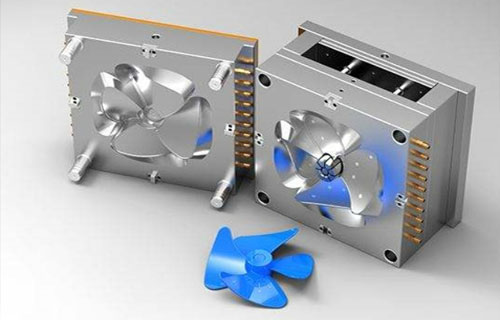
| Injection Molding | Uses molds to produce parts in production materials | Prototypes that must match final material properties |
| Virtual Prototyping | Computer-based simulation | Aerodynamics, thermal analysis, early-stage testing |
Carrying Out Your Test Plan
Once constructed, the prototype undergoes rigorous testing. Every test is documented—conditions, results, and observations. This data is invaluable for analyzing performance and identifying improvements.
Writing a Report
The final step is a detailed report summarizing testing results and analysis. It includes both quantitative data (performance metrics, test results) and qualitative information (user feedback, observations). This report becomes the basis for production decisions.
What Are the Benefits of Prototype Engineering?
The structured approach delivers clear advantages.
Cost Savings in the Long Run
Thorough testing during the prototype stage catches issues early. A consumer electronics company developing a new smartwatch discovered through prototype testing that the initial battery had a high self-discharge rate. Addressing this in the prototype stage—selecting a different battery chemistry and optimizing power management—saved the cost of a product recall later.
Improved Product Quality
Prototype engineering ensures the final product meets high standards for functionality, structure, and reliability. In aerospace, engineers test aerodynamics with multiple prototypes in wind tunnels, optimizing wing and fuselage shapes to reduce drag and improve fuel efficiency.
Faster Time to Market
The structured approach accelerates development.
| Metric | With Prototype Engineering | Without Prototype Engineering |
|---|---|---|
| Development Time | 12 months | 18 months |
| Design Iterations | 5 | 8 |
| Time to Market | 14 months | 20 months |
By identifying and addressing issues efficiently during the prototype stage, companies reduce iterations and launch sooner. Earlier market entry means earlier revenue, market share, and responsiveness to customer needs.
How Do Prototyping Methods Compare?
Understanding the differences between traditional and engineering-driven prototyping helps you choose the right approach.
Traditional vs. Engineering-Driven Prototyping
| Aspect | Traditional Prototyping | Engineering-Driven Prototyping |
|---|---|---|
| Process | Less structured; builds quickly with little documentation | Well-defined: specification, testing plan, project plan, design, construction, testing, reporting |
| Effect | Basic understanding; may overlook issues | In-depth understanding; identifies flaws early |
| Cost | Low upfront; high if rework is needed later | Higher upfront; lower overall through reduced rework |
| Time | Quick initial prototype; unpredictable overall | Slower start; faster overall due to fewer iterations |
| Flexibility | High early; difficult to change later | Flexibility within a structured framework |
A small startup developing a smartphone case might use traditional prototyping—quickly creating a simple case to get a feel for the design. But they may later discover the case doesn't fit or the material is too brittle.
A large electronics company developing a flagship smartphone uses engineering-driven prototyping. They start with detailed specifications—exact dimensions, materials, protection levels. They create multiple prototypes with different features, test rigorously, and address issues early. The result is a higher-quality final product.
What Manufacturing Techniques Are Available?
Different techniques serve different purposes in prototype engineering.
3D Printing
- Characteristics: Builds layer by layer; creates complex geometries; available in plastics, metals, ceramics
- Design Freedom: High
- Production Speed: Low for large-scale
- Cost: Low tooling, high unit cost for large-scale
- Best For: Complex geometries, custom designs, small batches
Rapid Manufacturing (CNC, Laser Cutting, etc.)
- Characteristics: Combines traditional methods for quick production; high precision; wide material range
- Design Freedom: Medium
- Production Speed: Medium–High
- Cost: High tooling, medium unit
- Best For: Precision parts, metals, composites, medium volumes
Injection Molding
- Characteristics: Injects molten material into a mold; highly efficient for large quantities
- Design Freedom: Low after mold creation
- Production Speed: High
- Cost: High tooling, low unit
- Best For: High-volume production, parts requiring production-grade materials
How Does Yigu Technology Apply Prototype Engineering?
At Yigu Technology, prototype engineering is central to how we serve clients. We apply a structured approach to every project.
We Start with Specifications
Before any work begins, we document requirements. What features need testing? What materials are required? What tolerances are critical? This specification guides everything that follows.
We Create Testing Plans
We plan how each aspect of the design will be validated. For a medical device component, testing might include biocompatibility, sterilization resistance, and mechanical stress.
We Match Manufacturing to Purpose
- For complex geometries, we use 3D printing
- For precision metal parts, we use CNC machining
- For production-grade plastic parts, we use rapid injection molding
We Document Everything
Every test is documented. Every iteration is recorded. The final report provides the data you need to move to production with confidence.
A Real-World Example
A client developing a handheld surgical instrument needed functional prototypes for surgeon trials. We started with a detailed specification—material requirements, ergonomic targets, sterilization compatibility. We created a testing plan that included grip comfort, button actuation force, and assembly fit.
Using CNC machining, we produced five sets of prototypes in 6061 aluminum for structural parts and ABS for housings. Surgeon feedback led to two design refinements. Each iteration was documented and retested. The final design moved to production tooling with confidence, avoiding the cost of post-launch modifications.
Conclusion
Prototype engineering is more than building a sample. It is a systematic process that transforms concepts into reliable, manufacturable products. By following a structured approach—specification, testing plan, project plan, design, construction, testing, reporting—you catch issues early, improve quality, and accelerate time to market.
For plastic and metal parts, the benefits are clear: lower long-term costs, better performance, and faster launches. Whether you are developing a simple bracket or a complex medical device, applying prototype engineering principles ensures your design is ready for production.
Frequently Asked Questions
What is the difference between prototype engineering and simply making a prototype?
Prototype engineering follows a structured process: specification, testing plan, project plan, design, construction, testing, and reporting. Simply making a prototype is often ad-hoc—building a quick model without thorough planning or documentation. Engineering-driven prototyping catches issues earlier and produces more reliable results.
How many prototype iterations are typical in engineering-driven prototyping?
Most projects go through 3 to 5 iterations. The number depends on product complexity and how well the initial specification captured requirements. Each iteration is documented and tested against the specification.
What manufacturing technique should I choose for my plastic part prototype?
3D printing works for complex geometries and early concept testing. Rapid injection molding is better when you need production-grade material properties and surface finish. Choose based on whether you are testing form, fit, or functional performance.
How does prototype engineering reduce costs?
By catching design flaws, material issues, and manufacturing problems early—when fixes are cheap. A change during prototyping might cost a few hundred dollars. The same change after production starts could cost thousands in rework, scrap, and delayed shipments.
Can prototype engineering be used for both plastic and metal parts?
Yes. The process is the same regardless of material. The difference lies in manufacturing techniques—3D printing or injection molding for plastics, CNC machining or rapid manufacturing for metals—and testing methods appropriate to the material properties.
Contact Yigu Technology for Custom Manufacturing
Ready to apply prototype engineering to your plastic or metal part? Yigu Technology offers comprehensive prototyping services backed by a structured engineering approach. From initial specification to final testing, our engineers help you optimize your design for performance and manufacturability. Contact us today to discuss your project.