Introduction
You have a product idea. You have sketched it, refined it, and you are ready to see it in physical form. But turning that idea into a testable, market-ready product requires more than just a concept. It requires a prototype—an early sample built to test and validate your design. Prototype Limited refers to companies or services that specialize in creating these critical early models. Their work is not just about making a basic model; it is about bringing product ideas to life in tangible, testable forms that accelerate development, reduce risk, and validate market potential. This guide explains what prototype services offer, why they matter, and how to navigate the process.
Why Is Prototype Development So Important?
Prototyping is not an optional step. It is essential for successful product development.
Risk Mitigation
A McKinsey study found that companies investing in prototyping early reduce the risk of product failure by up to 50%. By creating a prototype, businesses identify design flaws, functionality issues, and user experience problems before investing in mass production.
A tech startup developing a new mobile app can prototype the user interface flow. If users find navigation difficult, changes are made without the high costs of full app development.
Cost-Efficiency
A Product Development and Management Association report found that products skipping the prototyping stage are, on average, 30% more expensive to develop. Prototypes enable early feedback, preventing costly re-engineering later.
A manufacturer planning a new consumer product can test different materials and manufacturing processes with a prototype. If a material is too expensive or difficult to work with, changes are made early—saving significant production costs.
Market Validation
A CB Insights survey found that 42% of startups fail because there is no market need for their product. A prototype allows testing market interest before full investment.
A food startup can create a prototype snack product and distribute samples to consumers. Based on feedback, they determine market demand and make adjustments—reducing the risk of launching a product no one wants.
What Are the Key Aspects of Prototype Development?
Successful prototyping requires attention to design, materials, manufacturing, and testing.
Design Phase
The design phase is the foundation.
Market research: Understanding market trends, competitor products, and industry standards is essential. For a fitness tracker, research shows consumers demand accurate heart-rate monitoring, long battery life, and sleep tracking.
User needs analysis: Gathering feedback from potential users ensures the product meets real needs. Users might want a comfortable strap for sleep tracking and an easy-to-use interface.
Creative conception: Innovative ideas are developed. A fitness tracker might include a built-in UV sensor for outdoor enthusiasts.
Material Selection
Material choice significantly impacts quality, functionality, and cost.
| Material | Strength | Weight | Cost | Heat Resistance | Applications |
|---|---|---|---|---|---|
| ABS Plastic | Moderate | Light | Low–Moderate | Low–Moderate | Smartphone cases, consumer electronics |
| Aluminum | High | Light–Moderate | Moderate | High | Laptops, cameras, premium products |
| Silicone | Soft, flexible | Light | Low–Moderate | Low | Flexible wristbands, grips |
For a fitness tracker prototype, ABS plastic offers cost-effectiveness and lightweight design for everyday use. Aluminum provides premium appearance and durability. Silicone works for flexible, comfortable straps.
Manufacturing Process
Different manufacturing processes serve different needs.
3D Printing:
- Advantages: Complex geometries, high precision, fast turnaround. A custom-designed faceplate with intricate patterns can be printed in hours.
- Disadvantages: Limited material properties compared to traditional methods; surface finish may require post-processing.
- Best for: Small-scale prototypes, single units for testing.
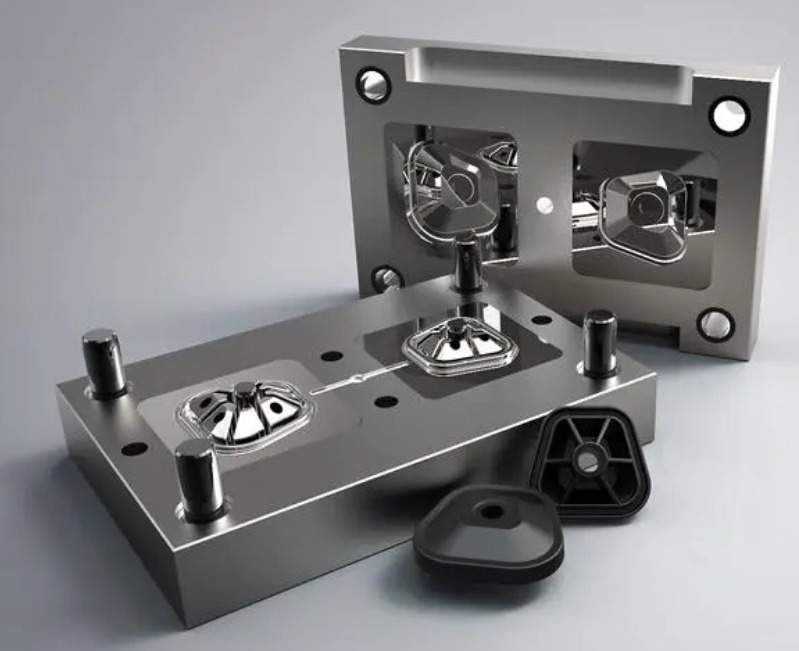
Injection Molding:
- Advantages: High-volume, consistent parts with good mechanical properties and smooth finishes. Ideal for multiple identical prototypes.
- Disadvantages: Expensive molds increase upfront cost; time-consuming for mold creation.
- Best for: When design is confident and larger numbers are needed for market testing.
Testing and Validation
Testing ensures the prototype meets standards and user expectations.
Functionality testing: Verify all features work as intended. For a fitness tracker, test heart-rate monitor, step counter, and sleep tracking for accuracy.
Durability testing: Subject prototypes to stress—dropping, bending, water exposure. A fitness tracker should withstand normal wear and tear.
User experience testing: Gather feedback on ease of use, comfort, and usability. Users might wear the tracker for a week and provide feedback on issues encountered.
What Are the Costs and Timelines?
Prototype costs and timelines vary widely.
Cost Factors
- Material costs: High-end materials like titanium cost significantly more than common plastics
- Manufacturing process: 3D printing is cost-effective for small, simple prototypes (starting at $100). Injection molding has upfront mold costs of several thousand dollars
- Complexity: Intricate internal mechanisms or high-precision finishes increase cost
Timeline Factors
- Design complexity: Complex designs can take 4–8 weeks for initial design
- Manufacturing: 3D printing produces simple prototypes in days; injection molding takes 2–6 weeks due to mold creation
- Testing: Extensive functionality, durability, and user testing adds 2–4 weeks
Simple prototypes: 1–2 weeks. Complex prototypes: 8–12 weeks or more.
Can You Make Changes After the Prototype Is Completed?
Yes, but with implications.
Cost implications: Changes usually incur additional costs. Changing material after production requires new materials and potentially new manufacturing processes.
Time implications: Simple design adjustments may take days; significant structural changes can take weeks.
Best practice: Communicate potential changes early with your prototype service provider to minimize impact on cost and time.
How Does Yigu Technology View Prototype Services?
As a non-standard plastic and metal products custom supplier, Yigu Technology understands the critical role of prototype services.
Quality Control
Prototypes identify potential quality issues early. For a custom-designed metal bracket, a prototype tests strength and durability of different materials and processes—ensuring final products meet high standards.
Cost Reduction
Non-standard product development can be costly. Prototypes determine the most cost-effective materials and production methods. For a plastic housing, testing different materials finds the best balance between cost and performance.
Accelerated Development
Time-to-market is crucial. Having a prototype early enables quicker feedback and improvements—allowing timely launch of new products.
Conclusion
Prototype Limited services are essential for successful product development. They enable early risk mitigation, cost reduction, and market validation. The design phase—market research, user needs analysis, creative conception—sets the foundation. Material selection and manufacturing processes must match application requirements. Thorough testing ensures prototypes meet standards and user expectations.
By understanding the costs, timelines, and iteration process, you can navigate prototyping effectively—turning ideas into products that succeed in the market.
Frequently Asked Questions
What is the typical cost of creating a prototype?
Costs vary widely. Material costs range from common plastics to high-end metals. 3D printing is cost-effective for small, simple prototypes—starting at $100. Injection molding has upfront mold costs of several thousand dollars. Complexity—intricate internal mechanisms or high-precision finishes—also increases cost.
How long does it usually take to develop a prototype?
Timelines depend on complexity. Simple prototypes: 1–2 weeks. Complex prototypes: 8–12 weeks or more. Design phase takes time for complex designs. 3D printing produces simple prototypes in days; injection molding takes 2–6 weeks for mold creation. Extensive testing adds 2–4 weeks.
Can I make changes to the prototype after it is completed?
Yes, but with implications. Changes incur additional costs (new materials, potentially new processes) and additional time (simple adjustments may take days; major changes may take weeks). Communicate potential changes early to minimize impact.
What is the difference between 3D printing and injection molding for prototypes?
3D printing builds parts layer by layer—ideal for complex geometries, fast turnaround, and small batches. Costs are low for simple prototypes, but material properties may be limited. Injection molding injects molten material into a mold—ideal for larger batches, consistent parts, and production-grade materials. Upfront mold costs are high, but per-unit cost is low at volume.
How do I choose the right material for my prototype?
Consider mechanical properties (strength, flexibility), weight, cost, heat resistance, and aesthetics. ABS plastic is cost-effective for consumer electronics. Aluminum offers premium appearance and durability. Silicone provides flexibility for wearable devices. Match material to application requirements and testing needs.
Contact Yigu Technology for Custom Manufacturing
Ready to bring your product idea to life with professional prototype services? Yigu Technology offers 3D printing, CNC machining, and rapid injection molding for plastic and metal prototypes. Our engineers help you select the right materials and processes for your application. Contact us today to discuss your project.