Introduction
In healthcare, the difference between a concept and a life-saving device comes down to rigorous testing and refinement. Medical device prototyping is the critical process that turns theoretical designs into physical models that can be tested, validated, and improved. It is the cornerstone of safe, effective, and patient-centric innovation. This guide explores the essential role of prototyping in healthcare—from definition and process to real-world applications and practical solutions to common challenges.
What Is Medical Device Prototyping?
Medical device prototyping involves creating physical models to test the functional, ergonomic, and safety aspects of a design before mass production. Unlike generic prototyping, medical applications demand strict adherence to biocompatibility standards, regulatory requirements, and clinical usability.
A neural monitoring device prototype, for example, must accurately simulate patient data while withstanding rigorous sterilization processes. The prototype is not just a demonstration of concept—it is a tool for validation, testing, and refinement.
Why Is Prototyping Non-Negotiable in Healthcare?
Prototyping in medical device development serves three critical functions.
Risk Mitigation
Early-stage testing reduces post-launch failures. Device recalls can cost companies up to $230 million per event. Catching issues during prototyping—when fixes are cheap—prevents catastrophic failures after market release.
Regulatory Compliance
Prototypes help validate designs against FDA and CE standards. Testing data from prototypes forms the basis of regulatory submissions. A well-documented prototyping process smooths the approval path.
User-Centric Design
Surgeons, nurses, and patients provide feedback on usability. A surgical tool that looks good on paper may be awkward in hand. Prototyping allows real users to interact with devices, leading to improvements like better grip, intuitive controls, and reduced fatigue.
What Does the Prototyping Process Look Like?
The journey from concept to clinic follows a structured path.
Preliminary Design and Conceptualization
This phase uses CAD software and 3D modeling to translate ideas into detailed blueprints. Collaboration is key.
Our team worked with orthopedic surgeons to design a minimally invasive spinal implant prototype. The surgeons provided input on insertion angles, biocompatible materials, and surgical workflow. Their feedback shaped the design before any physical prototype was created.
Material Selection and Fabrication
Material choice directly impacts safety and performance.
| Material Type | Application Example | Key Advantages |
|---|---|---|
| Titanium Alloy | Implants, orthopedic devices | High strength, corrosion resistance, biocompatible |
| Silicone | Wearable sensors, soft tissue interfaces | Flexibility, skin-friendly, durable |
| PEEK | High-stress implants, spinal cages | Strong, radiolucent, biocompatible |
| PLA (3D Printing) | Surgical guides, anatomical models | Cost-effective, rapid iteration |
Testing and Validation
Every prototype undergoes multi-layered testing:
- Functional testing: Simulating 10,000+ usage cycles for a syringe pump to verify reliability
- Biocompatibility testing: Ensuring materials don’t trigger immune responses (ISO 10993)
- User experience (UX) testing: Nurses testing a new IV catheter’s ease of use in simulated clinical settings
What Do Real-World Case Studies Show?
Real examples demonstrate prototyping’s impact.
Wearable Cardiac Monitor
Challenge: A company needed a wearable heart rate monitor with 99% accuracy for continuous use.
Solution: Prototypes were tested on 50+ patients in clinical settings. Testing revealed sensor placement issues and battery life limitations. Adjustments were made iteratively.
Outcome: FDA approval within 18 months—significantly faster than the industry average of 24–36 months.
Minimally Invasive Surgical Tool
Innovation: A steerable catheter prototype with 360° articulation for accessing hard-to-reach areas.
Iteration: The design went through 12 revisions based on surgeon feedback. Each iteration improved maneuverability, control, and precision.
Impact: In clinical trials, the tool reduced surgical time by 20% compared to conventional instruments.
Neural Implant for Epilepsy
Breakthrough: A prototype that interfaces with brain neurons to predict and prevent seizures.
Validation: The device underwent 200+ animal trials before human testing. Each trial refined electrode placement, signal processing, and safety protocols.
Result: Improved seizure prediction accuracy by 35%, offering new hope for patients with drug-resistant epilepsy.
What Challenges Does Medical Prototyping Face?
Despite its importance, medical prototyping presents significant hurdles.
Material Limitations
Finding materials that balance durability, biocompatibility, and manufacturability is challenging. A material that is strong enough for an implant may not be compatible with the body’s immune system. A material that is biocompatible may not withstand repeated sterilization cycles.
Cost Overruns
Advanced testing—gamma sterilization, accelerated aging, biocompatibility panels—increases expenses. A single biocompatibility test can cost $5,000–$20,000. Full validation for a complex device can exceed $100,000.
Regulatory Complexity
Navigating ISO 13485 (quality management for medical devices) and FDA guidelines requires specialized expertise. Missteps in documentation or testing can delay approvals by months.
What Practical Solutions Exist?
These challenges can be addressed with strategic approaches.
Hybrid Prototyping
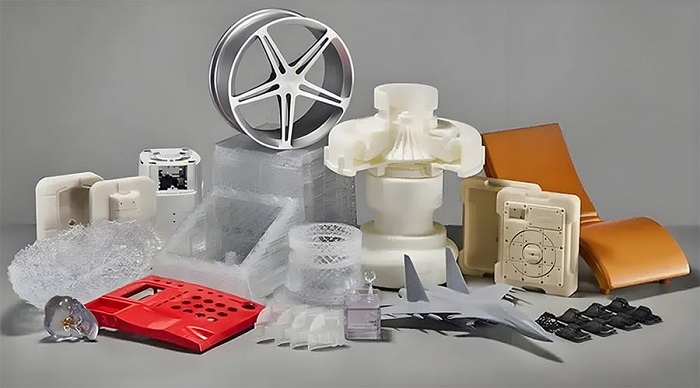
Combine 3D-printed functional models for early testing with CNC-machined final parts for validation. 3D printing enables rapid iteration. CNC machining delivers production-grade materials and tolerances for final testing.
Phased Testing
Prioritize critical safety features in early prototypes. Test the highest-risk elements first. If a component fails, you learn early—before investing in full development.
Regulatory Partnerships
Engage FDA consultants during the design phase, not after. Regulatory experts help map testing requirements, document processes, and avoid costly redesigns.
How Does Yigu Technology Approach Medical Prototyping?
At Yigu Technology, medical device prototyping is a core capability. We combine technical expertise with regulatory awareness to deliver prototypes that meet clinical and compliance requirements.
We Start with Clinician Input
We involve end users early. For a surgical tool project, we invited surgeons to handle initial prototypes, provide feedback, and suggest improvements. Their input shaped ergonomics, materials, and functionality.
We Select Materials Strategically
We guide clients through material selection based on:
- Biocompatibility (ISO 10993 standards)
- Sterilization method (autoclave, ethylene oxide, gamma)
- Mechanical properties (tensile strength, fatigue resistance)
For high-stress applications, we recommend PEEK or titanium. For flexible components, silicone or polyurethane.
We Test Rigorously
We conduct functional testing—simulating thousands of cycles. We coordinate biocompatibility testing with certified labs. We document everything for regulatory submissions.
We Leverage Digital Twins
Simulating prototypes in virtual environments reduces physical testing time by up to 40%. Digital twins allow rapid iteration without consuming physical materials, accelerating development.
Conclusion
Medical device prototyping is the bridge between concept and clinic. It enables risk mitigation, regulatory compliance, and user-centered design. Through rigorous testing and iterative refinement, prototypes become the foundation of safe, effective medical devices.
Real-world examples—from wearable monitors to neural implants—demonstrate prototyping’s impact on accelerating approvals, improving outcomes, and saving lives. While challenges in materials, cost, and regulation exist, strategic approaches like hybrid prototyping, phased testing, and regulatory partnerships overcome them.
As healthcare innovation accelerates, prototyping will remain essential. It transforms ideas into tools that clinicians trust and patients rely on.
Frequently Asked Questions
How do I choose the right materials for a medical prototype?
Start by identifying critical requirements: biocompatibility (ISO 10993), sterilization method (autoclave, ethylene oxide, gamma), and mechanical properties (tensile strength, fatigue resistance). Partner with material experts to test options like PEEK for high-stress applications, titanium for implants, or silicone for flexible components.
What regulatory steps must prototypes undergo?
Prototypes must comply with:
- Biocompatibility testing: Cytotoxicity, sensitization, irritation (ISO 10993)
- Performance standards: e.g., IEC 60601 for electrical medical equipment
- Clinical evaluation: If intended for human use, submit to Institutional Review Boards (IRBs)
Can startups afford medical device prototyping?
Yes, through strategic choices:
- Use cost-effective 3D printing for initial iterations
- Partner with academic research institutions for subsidized testing
- Focus on Minimum Viable Prototypes (MVPs) that validate core functionalities first
What is the typical timeline for medical device prototyping?
Timelines vary by complexity. A simple wearable device might take 3–6 months from concept to functional prototype. A complex implantable device with biocompatibility testing can take 12–24 months. Early involvement of regulatory consultants and clinicians accelerates the process.
How many prototype iterations are typical?
Most medical devices go through 5 to 15 iterations. Early iterations test basic functionality and ergonomics. Later iterations refine materials, manufacturing processes, and user experience. Each iteration builds on data from previous testing.
Contact Yigu Technology for Custom Manufacturing
Ready to bring your medical device concept to life? Yigu Technology offers prototyping services for medical devices, from 3D-printed concept models to CNC-machined functional prototypes. Our engineers guide you through material selection, testing, and documentation for regulatory compliance. Contact us today to discuss your project.