Introduction
You need a material that handles heat, resists electricity, and lasts for years. You have heard about Bakelite plastic products, but you are not sure if they fit your application.
Bakelite has a remarkable history. Invented in 1907 by Leo Hendrik Baekeland, it was the world’s first fully synthetic plastic. Before Bakelite, plastics came from modified natural materials like cellulose. Bakelite changed everything. It was hard, heat-resistant, and chemically stable.
More than a century later, Bakelite still serves industries from electrical to automotive to chemical processing. But with so many modern materials available, does it still make sense for your project?
This article covers the advantages, limitations, and selection criteria for Bakelite plastic products. You will learn what makes Bakelite special, where it excels, and how to choose the right product for your needs.
What Are Bakelite Plastic Products?
Bakelite plastic products are made from phenol-formaldehyde resin, a thermosetting plastic. Unlike thermoplastics that melt when heated, Bakelite cures permanently during manufacturing. Once set, it cannot be melted or reshaped.
The material is often combined with fillers like wood flour, cotton, or glass fibers. These fillers enhance specific properties. Wood flour adds mechanical strength. Cotton improves impact resistance. Glass fibers increase heat tolerance.
The result is a material with a unique combination of properties:
- High heat resistance
- Excellent electrical insulation
- Hardness and durability
- Good chemical resistance
What Advantages Do Bakelite Products Offer?
How Heat Resistant Is Bakelite?
Bakelite withstands 150–200°C for long-term use. This is significantly higher than many common plastics.
| Material | Maximum Continuous Use Temperature |
|---|---|
| Bakelite | 150–200°C |
| Polypropylene (PP) | 130–150°C |
| Polyethylene (PE) | 110–130°C |
| PVC | 60–80°C |
In electrical applications, this matters. Switch housings, fuse holders, and lamp sockets generate heat during operation. A study by a leading electrical safety institute found that Bakelite switch housings endured continuous operation at 180°C for over 1,000 hours without deformation or loss of insulation properties.
For industrial applications near heat sources, Bakelite maintains its integrity while other plastics soften and fail.
How Well Does It Insulate Electricity?
Bakelite offers outstanding electrical insulation. Its volume resistivity reaches 10¹²–10¹³ ohm-cm. Compare this to PVC at 10¹⁰–10¹¹ ohm-cm.
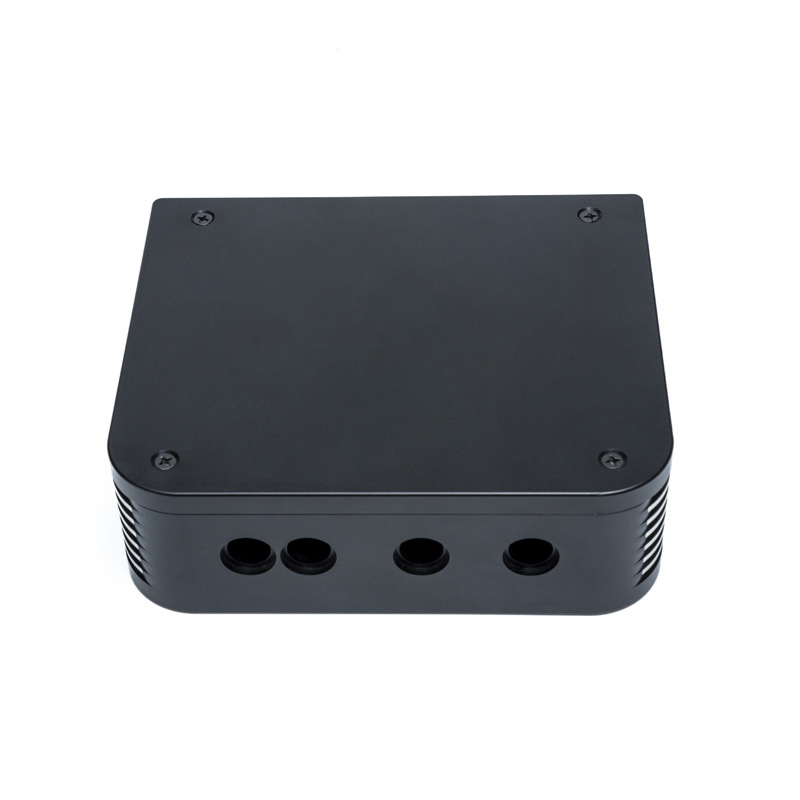
This high resistivity prevents current leakage. In industrial control switches, Bakelite bodies insulate electrical contacts from the external environment. Operators stay safe from shocks.
In high-voltage transmission systems, Bakelite insulators show remarkable reliability. One large power grid operator reported a failure rate of less than 0.1% over 10 years of service for Bakelite insulators in high-voltage lines.
How Hard and Durable Is It?
Bakelite has a Shore D hardness of 85–90. Low-density polyethylene, in contrast, measures around 50–60. This hardness translates to wear resistance and longevity.
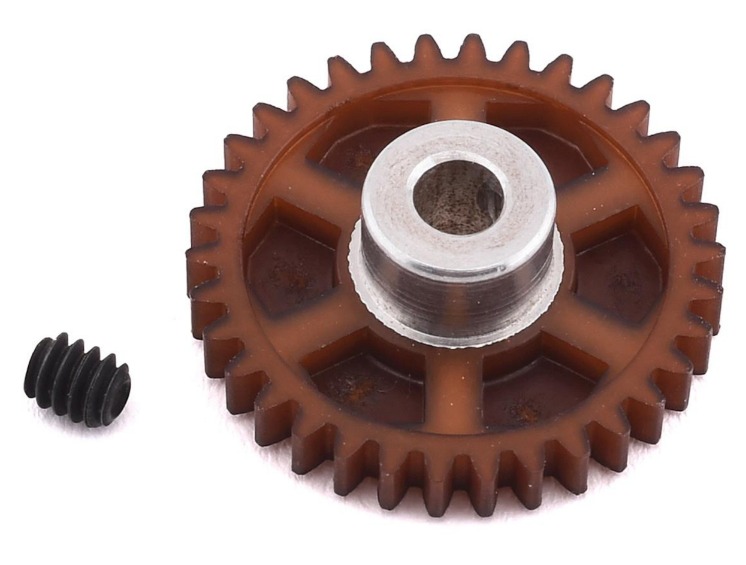
In mechanical applications, Bakelite gears last longer than many alternatives. A machinery factory case study showed Bakelite gears lasted 30% longer than traditional metal-coated plastic gears in medium-load transmission systems.
In automotive brake pads, Bakelite's hardness and wear resistance handle high friction forces. This ensures reliable braking performance over extended periods.
How Does It Resist Chemicals?
Bakelite resists dilute acids and weak alkalis effectively. In a standard chemical resistance test, Bakelite immersed in 10% hydrochloric acid for 24 hours showed less than 0.5% weight loss. The surface remained intact with no visible degradation.
This chemical resistance makes Bakelite valuable in chemical and pharmaceutical industries. Reaction vessels lined with Bakelite safely contain corrosive processes. Pipelines made from Bakelite transport chemical reagents without degradation.
What Are the Limitations?
Bakelite is brittle. It does not handle impact well. A sharp drop or heavy blow can cause cracking. For applications with impact risk, consider materials like polycarbonate or metal.
It offers limited color options. Traditional Bakelite comes in brown, black, and a few other shades. If color variety is essential, other plastics like ABS or acrylic may be better.
It is not recyclable in the conventional sense. As a thermoset, Bakelite cannot be melted and remolded. Waste material is often ground into filler for other composites.
How Do You Choose the Right Bakelite Product?
What Application Factors Matter?
Start by defining your specific requirements. Consider these four areas.
Temperature conditions: Will the product face sustained heat? If you are designing an electrical heating element housing or components near industrial furnaces, Bakelite's 150–200°C tolerance is valuable.
Electrical requirements: Does the application need insulation? For circuit boards, switchgear, or high-voltage components, Bakelite's high resistivity prevents leakage and short circuits.
Mechanical performance: Will the part bear load or experience wear? For gears, bearings, or brake pads, Bakelite's hardness and durability matter.
Chemical exposure: Will the product contact acids, alkalis, or solvents? Bakelite resists dilute acids and weak alkalis well. For concentrated chemicals or strong oxidizing agents, check compatibility carefully.
How Do You Evaluate Product Quality?
Check certifications. ISO 9001 indicates solid quality management. For electrical applications, look for UL recognition or other industry-specific certifications.
Review test reports. Independent third-party testing provides objective data. Look for heat-aging test results showing how properties change over time at specified temperatures.
Inspect visually. High-quality Bakelite products have smooth surfaces without cracks, bubbles, or impurities. Color should be uniform. Rough surfaces or visible defects suggest poor manufacturing quality.
Research the manufacturer. Established manufacturers with long track records are more likely to produce consistent quality. Read reviews. Check industry rankings. Ask for recommendations from professionals with Bakelite experience.
How Do You Balance Cost?
Cost considerations go beyond the purchase price.
Raw material costs depend on phenol and formaldehyde prices. When crude oil prices rise, phenol costs follow. This affects Bakelite pricing.
Processing costs vary by manufacturing method. Injection-molded products have different cost structures than compression-molded ones. Complex shapes cost more. High volumes reduce per-unit costs through economies of scale.
Long-term use costs matter too. Bakelite's durability means fewer replacements. A higher upfront cost may save money over time through reduced downtime and replacement expenses.
Create a cost-benefit analysis that accounts for:
- Initial purchase cost
- Expected service life
- Replacement frequency
- Downtime costs during replacement
- Performance reliability
What Real-World Examples Show Bakelite's Value?
Electrical Switchgear
A manufacturer of industrial control panels needed switch bodies that could handle continuous operation at high ambient temperatures. They switched from a thermoplastic to Bakelite. The result: switch bodies maintained dimensional stability at 160°C. Failure rates dropped by 80%. Customers reported fewer service calls.
Chemical Processing
A pharmaceutical plant used PVC-lined pipes for transporting reagent solutions. PVC degraded over time, requiring replacement every 18 months. Switching to Bakelite-lined pipes extended service life to over five years. The higher initial cost paid for itself in reduced maintenance and avoided downtime.
Automotive Component
A brake pad manufacturer incorporated Bakelite into their friction material formulation. The Bakelite-based pads showed 25% longer wear life compared to previous formulations. Field tests confirmed consistent braking performance across temperature ranges from -20°C to 180°C.
Conclusion
Bakelite plastic products offer a proven combination of high heat resistance, excellent electrical insulation, hardness and durability, and good chemical resistance. These properties make them valuable in electrical, mechanical, automotive, and chemical applications.
But Bakelite is not for every project. Its brittleness, limited color options, and non-recyclable nature are real constraints.
The key is matching material to application. Define your requirements clearly. Evaluate quality through certifications and testing. Balance upfront cost against long-term value.
When your application demands heat resistance, electrical insulation, and durability, Bakelite remains a reliable choice—more than a century after its invention.
FAQ
What are Bakelite plastic products used for?
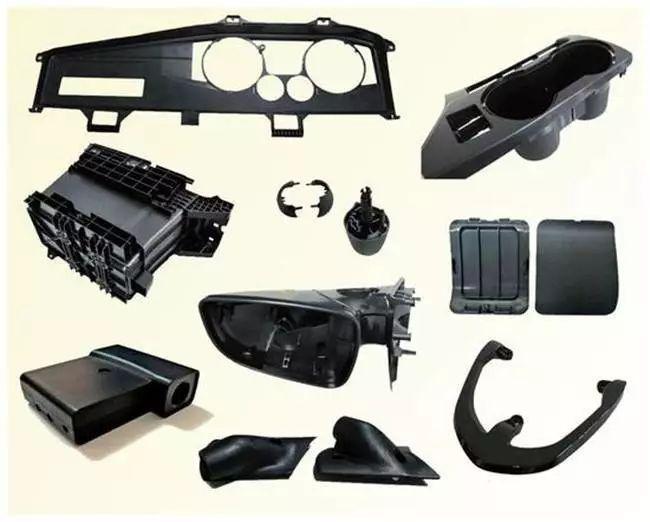
Bakelite products are used in electrical components like switch housings, fuse holders, and insulators; mechanical parts like gears and bearings; automotive components like brake pads; and chemical processing equipment like lined pipes and reaction vessels. Their heat resistance, electrical insulation, and durability make them suitable across these applications.
Is Bakelite safe for food contact?
Standard Bakelite is not typically rated for food contact. Older Bakelite products may contain fillers that are not food-safe. For food contact applications, check manufacturer specifications and look for food-grade certifications. For most industrial and electrical applications, safety is well established.
How does Bakelite compare to modern plastics?
Bakelite offers higher heat resistance than commodity plastics like PE and PP. It provides better electrical insulation than many alternatives. However, it is more brittle than materials like polycarbonate and offers fewer color options. Modern engineering plastics may outperform Bakelite in specific areas, but few match its combination of properties at comparable cost.
Can Bakelite be repaired if damaged?
Minor surface scratches can be polished. But cracks or breaks are difficult to repair because Bakelite is a thermoset. Once cured, it cannot be melted and rejoined. Replacement is usually the best option for damaged Bakelite components.
Contact Yigu Technology for Custom Manufacturing
Need custom Bakelite plastic products for your application? Yigu Technology specializes in precision fabrication of phenolic materials. We offer molding, machining, and finishing services to meet your exact specifications. Our team helps you select the right grade and formulation for your performance requirements. Contact us today to discuss your project.