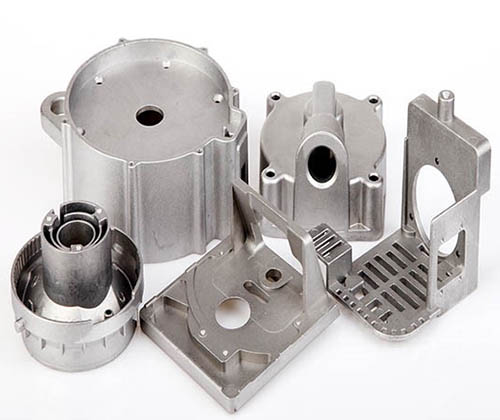
Finding the right partner for metal components can be challenging. A sheet metal shop offers specialized services to turn flat metal sheets into finished parts. This guide explains what these shops do, what materials they use, and how to choose the right one for your needs.
Introduction
A sheet metal shop is a facility where thin metal sheets become functional parts. Through cutting, bending, stamping, and finishing, raw materials transform into components for automotive, aerospace, electronics, and construction applications.
Understanding what a sheet metal shop offers helps you make better decisions. You will learn about common processes, materials, and services. You will also discover how to evaluate shops for your specific project requirements.
Common Processing Techniques
Cutting Methods
Cutting is the first step in most sheet metal projects. Different methods suit different needs.
| Method | How It Works | Best For |
|---|---|---|
| Shearing | Sharp blades cut straight lines, like scissors | Simple straight cuts, cost-effective |
| Laser Cutting | High-power beam melts or vaporizes metal | Complex shapes, intricate cutouts, high precision |
| Plasma Cutting | Ionized gas cuts through conductive metals | Thicker materials, faster than laser for heavy gauge |
| Waterjet Cutting | High-pressure water with abrasives | Materials sensitive to heat, thick plates |
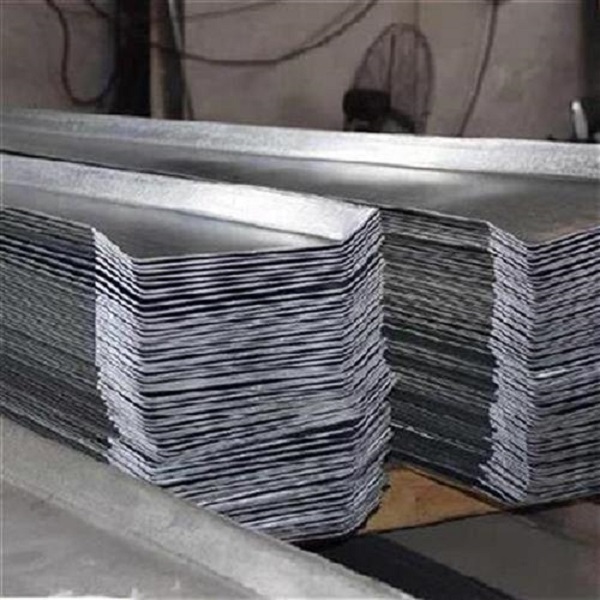
Shearing is the most straightforward method. It works like heavy-duty scissors. For straight cuts on simple shapes, it is fast and cost-effective.
Laser cutting delivers exceptional precision. It achieves positioning accuracy up to ±0.05mm. For electronic enclosures requiring exact dimensions and intricate cutouts, laser cutting is the preferred method.
Bending and Forming
After cutting, sheet metal often needs shaping. Press brakes perform this work.
A press brake uses a punch and die. The sheet metal sits between them. The punch forces the metal into the die, creating a bend. Operators control both the angle and the radius.
For HVAC ducts, sheet metal bends into rectangular or circular shapes. Specific angles and radii ensure proper fit and airflow. Modern press brakes achieve angle tolerances within ±0.5 degrees.
Stamping
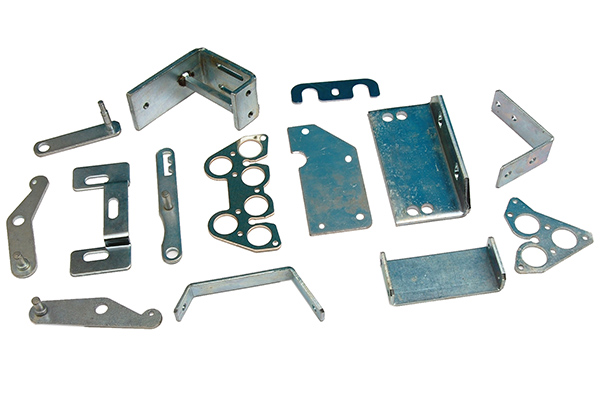
Stamping is a high-volume production process. A sheet metal blank sits in a stamping die. High pressure creates complex shapes in a single operation.
In automotive manufacturing, stamping produces body panels like hoods, doors, and fenders. A single stamping operation forms a large, complex panel from a flat sheet. This efficiency makes stamping ideal for volumes above 10,000 parts.
Key data point: Stamping can produce up to 1,000 parts per minute for simple components. Per-unit costs drop significantly once tooling is in place.
Materials Used in Sheet Metal Shops
Stainless Steel
Stainless steel contains at least 10.5% chromium. This forms a thin, protective oxide layer that prevents rust. It offers excellent corrosion resistance, high strength, and durability.
| Grade | Key Properties | Applications |
|---|---|---|
| 304 | Good corrosion resistance, formability | Food equipment, architectural trim, tanks |
| 316 | Superior corrosion resistance in chloride environments | Marine components, chemical processing |
| 430 | Lower cost, good for mild environments | Automotive trim, appliances |
Real-world example: A food processing plant chose 304 stainless steel for mixing tanks. After ten years of daily cleaning with sanitizing chemicals, the tanks showed no corrosion. The smooth surface remained easy to clean, meeting hygiene standards.
Aluminum
Aluminum is valued for its lightweight nature. With a density of 2.7 g/cm³—about one-third that of steel—it is ideal for weight-sensitive applications.
Aluminum also offers good corrosion resistance and excellent formability. It bends, stamps, and cuts easily.
In aerospace, aluminum sheet metal forms wings, fuselage panels, and interior components. Weight reduction directly improves fuel efficiency. In electronics, aluminum casings protect internal components while adding minimal weight.
Carbon Steel
Carbon steel is a cost-effective option. It contains iron and carbon, with carbon content typically ranging from 0.05% to 2.1%. Higher carbon content increases strength and hardness but reduces ductility.
| Type | Carbon Content | Properties | Applications |
|---|---|---|---|
| Low-Carbon | Less than 0.3% | Highly formable, easy to weld | Body panels, general fabrication |
| Medium-Carbon | 0.3%–0.6% | Higher strength | Gears, shafts, structural components |
| High-Carbon | Above 0.6% | Very hard, less ductile | Tools, springs, blades |
Carbon steel works well for structural applications. In industrial buildings, carbon steel sheets form beams, columns, and roofing. It provides strength and stability at reasonable cost.
Services Offered by a Sheet Metal Shop
Custom Fabrication
Custom fabrication is the core service of any sheet metal shop. Whether you need a complex industrial component or a simple precision part, a professional shop brings your design to life.
The process typically starts with consultation. Engineers understand your requirements—functionality, appearance, and performance. Using CAD/CAM software, they create a digital model. This model guides every step of fabrication.
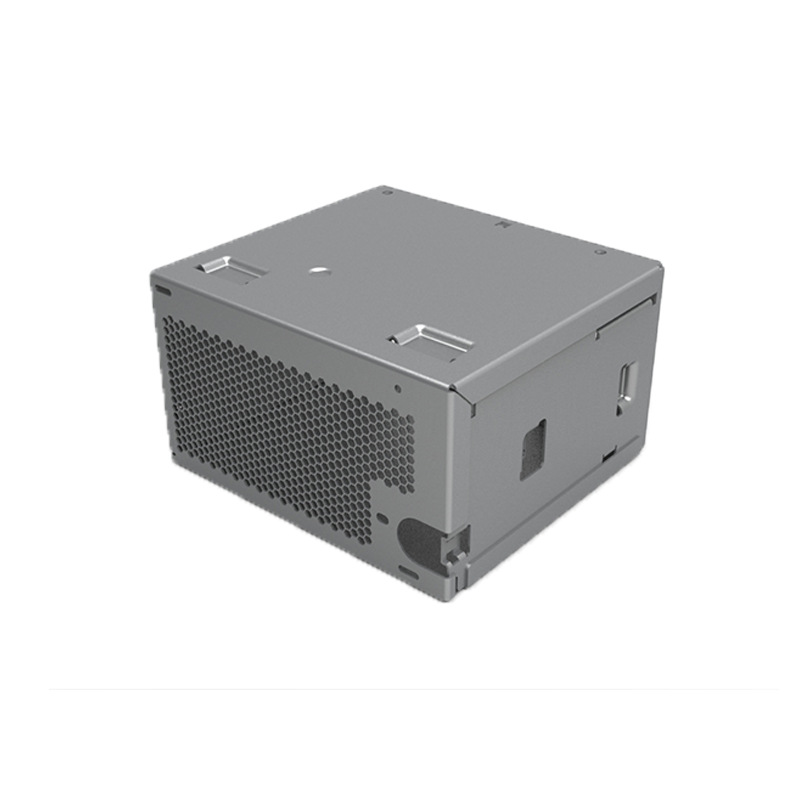
Example: A client needed a custom enclosure for electronic equipment. We selected aluminum for its lightweight and heat-dissipation properties. Laser cutting provided exact dimensions. Bending formed the enclosure shape. Cutouts for connectors, vents, and displays were added precisely where needed.
Prototyping
Prototyping is essential for product development. A prototype lets you test and validate your design before committing to full production. It helps identify flaws and make improvements early.
Real-world example: A startup developing a medical device came to us with a design for a sheet metal housing. We produced a prototype using rapid techniques. The client tested fit and functionality. They identified internal layout issues and ergonomic improvements. These changes were made early, saving time and cost compared to discovering problems during production.
Assembly and Finishing
A full-service sheet metal shop handles assembly and finishing, not just individual parts.
Assembly joins multiple fabricated parts into complete products. Methods include:
- Mechanical fastening: Screws, nuts, bolts
- Welding: MIG, TIG, spot welding
- Adhesive bonding: For specific material combinations
Finishing enhances appearance, durability, and corrosion resistance:
| Finish | Process | Benefits |
|---|---|---|
| Powder Coating | Dry powder cured with heat | Thick, durable, weather-resistant |
| Liquid Painting | Sprayed or rolled paint | Smooth, high-gloss finish for indoor use |
| Plating | Zinc, nickel, or chrome applied | Corrosion protection, wear resistance |
| Anodizing | Electrochemical process for aluminum | Hard oxide layer, color options, corrosion resistance |
How to Choose a Sheet Metal Shop
Evaluate Equipment and Capabilities
Look for shops with modern equipment. Laser cutters with ±0.05mm accuracy ensure precision. Press brakes with sufficient tonnage handle your material thickness. A shop with CNC punching and automated bending offers efficiency for repeat work.
Check Material Expertise
Different shops specialize in different materials. Some focus on stainless steel. Others work primarily with aluminum. Ask about their experience with your required material.
Assess Quality Control
A reliable shop has documented quality processes. Ask about:
- Inspection methods (CMM, calipers, visual)
- In-process checks vs. final-only inspection
- Certification (ISO 9001, AS9100)
- Quality reports provided with shipments
Review Lead Times
Custom fabrication typically takes 1–2 weeks. Prototyping may be faster. High-volume production with tooling can take 4–6 weeks. Confirm timelines before committing.
Yigu Technology’s Perspective
At Yigu Technology, we operate as a full-service sheet metal shop. Our experience spans automotive, aerospace, electronics, and medical device industries.
Our equipment includes laser cutters with positioning accuracy of ±0.05mm. Our press brakes handle bending forces up to 2000 tons, allowing work on thick-gauge sheet metal.
Our team averages over 10 years of experience in sheet metal design and processing. We use the latest CAD/CAM software to transform ideas into detailed production plans.
Customization is our focus. Whether you need small-batch prototyping or large-scale production, we tailor our services to your requirements. We provide advice on material selection, processing techniques, and cost-effective solutions.
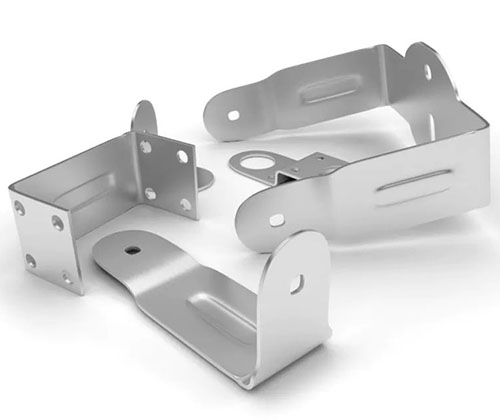
Real-world example: A client needed specialized brackets for an industrial application. We recommended switching from stainless steel to galvanized steel with powder coating. The change reduced material cost by 35% while maintaining corrosion resistance for the indoor environment.
Conclusion
A sheet metal shop transforms flat metal sheets into functional components. Cutting, bending, stamping, and finishing processes work together to create parts for diverse industries.
Stainless steel offers corrosion resistance. Aluminum provides light weight. Carbon steel delivers strength at lower cost. Each material serves specific applications.
Choosing the right shop involves evaluating equipment, material expertise, quality processes, and lead times. The right partner helps you avoid design flaws, reduce costs, and bring products to market faster.
FAQ
What services does a typical sheet metal shop offer?
Most sheet metal shops offer cutting (laser, shearing, plasma), bending, stamping, welding, assembly, and finishing (powder coating, plating, anodizing). Full-service shops handle projects from design through to finished assemblies.
How do I choose between laser cutting and shearing?
Choose shearing for simple straight cuts when cost is the main concern. Choose laser cutting for complex shapes, intricate cutouts, or when precision tolerances (as tight as ±0.05mm) are required. Laser cutting also minimizes material waste through optimized nesting.
What is the typical lead time for sheet metal fabrication?
Custom fabrication for prototypes or small batches typically takes 1–2 weeks. High-volume production with custom tooling takes 4–6 weeks, including 2–4 weeks for die fabrication. Rush services may be available for an additional fee.
How can I ensure quality in my sheet metal parts?
Work with shops that have ISO 9001 certification and documented quality processes. Request prototypes to validate design. Ask for inspection reports with your order. For critical applications, consider on-site visits to review equipment and quality practices.
Contact Yigu Technology for Custom Manufacturing
Need sheet metal components fabricated to your specifications? Yigu Technology combines advanced equipment with experienced engineers. From prototyping to production, we deliver quality and precision. [Contact us] to discuss your project requirements.