Finding the right sheet metal solution can feel overwhelming. Between custom fabrication, high-volume production, and finishing options, the choices seem endless. This guide breaks down each approach, helping you match the right solution to your project goals.
Introduction
Sheet metal solutions cover everything from design to finished parts. They transform flat metal sheets—steel, aluminum, copper, and more—into custom components. The goal is simple: create durable, precise parts that meet your needs without wasting time or money.
Whether you need one prototype or 50,000 identical parts, the right solution makes the difference. This guide walks you through available options, how to choose, and what to expect from modern sheet metal services.
Types of Sheet Metal Solutions
Custom Fabrication Solutions
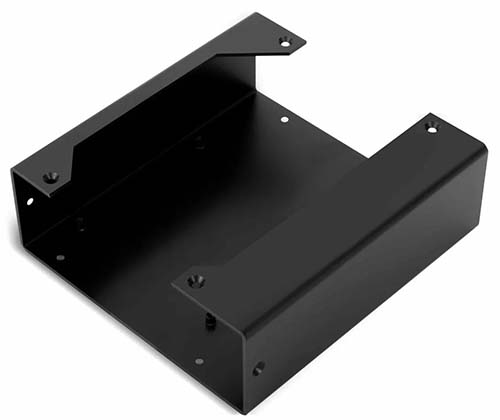
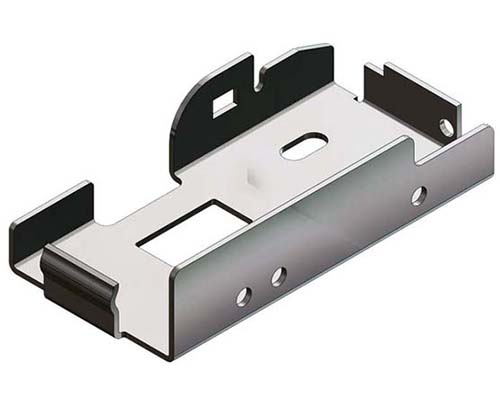
Custom fabrication creates unique or low-to-medium-volume parts. It works when standard off-the-shelf components won't do. Specialized machinery, architectural features, and prototypes all fall into this category.
Key processes include:
| Process | What It Does | Best For |
|---|---|---|
| CNC Punching | Punches holes and slots with precision up to ±0.005 inches | Electrical enclosures, mounting brackets |
| Laser Cutting | Cuts complex shapes with smooth edges | Medical devices, decorative panels |
| Press Brake Bending | Forms angles, channels, and U-shapes | HVAC ductwork, structural supports |
Real-world example: A robotics company needed a custom housing for a new sensor. Standard enclosures didn't fit. Using laser cutting for intricate vent patterns and press brake bending for the box shape, we delivered a lightweight, durable component in under two weeks.
High-Volume Production Solutions
When you need thousands or millions of identical parts, high-volume solutions focus on speed, consistency, and low per-unit cost. Automation reduces errors and drives efficiency.
Common processes:
- Stamping: Uses a custom die and press to shape metal at speeds up to 1,000 parts per minute. Ideal for car door panels, battery casings, and appliance components.
- Roll Forming: Feeds sheet metal through rollers to create continuous uniform shapes. Perfect for long parts like roof panels and conveyor belts.
- Automated Welding: Robots weld parts together with consistent joint strength. Standard in automotive assembly lines.
Key data point: According to the Fabricators & Manufacturers Association International (FMA), stamping reduces per-unit costs by up to 30% compared to custom fabrication for volumes over 10,000 parts.
Finishing and Assembly Solutions
Cutting and bending are only part of the story. Finishing protects and enhances. Assembly combines multiple parts into complete products.
Popular finishing processes:
- Powder Coating: Applies a dry powder cured with heat. Creates a hard, scratch-resistant finish. Used on outdoor furniture, toolboxes, and automotive frames.
- Anodizing: Converts aluminum surfaces into a protective oxide layer. Can be dyed in various colors. Common in consumer electronics and architectural trim.
- Plating: Adds a thin layer of chrome, nickel, or zinc. Improves corrosion resistance and conductivity. Used for electrical connectors and decorative parts.
Assembly processes include:
- Riveting: Permanent fasteners for strong, vibration-resistant connections
- Brazing/Soldering: Joins parts without melting the base metal
- Snap-Fit Assemblies: Built-in tabs and slots eliminate extra fasteners
How to Choose the Right Solution
Step 1: Define Your Requirements
Start with these questions:
What is the end use? Outdoor parts need corrosion resistance. Structural parts need strength. Visible parts need good finish.
What material are you using? Different metals work better with specific processes. Here is a quick guide:
| Material | Custom Fabrication | High-Volume Production | Recommended Finishes |
|---|---|---|---|
| Aluminum | Excellent (laser, bending) | Excellent (stamping, roll forming) | Anodizing, powder coating |
| Mild Steel | Good (CNC punching, welding) | Excellent (stamping) | Powder coating, zinc plating |
| Stainless Steel | Excellent (laser, welding) | Limited (harder to stamp) | Passivation, electropolishing |
| Copper | Good (bending, soldering) | Poor (soft, deforms easily) | Plating, patina |
What is your production volume?
- 1–10 parts: Custom fabrication
- 10–500 parts: Custom fabrication or low-volume stamping
- 500–10,000 parts: Evaluate both; stamping tooling may be justified
- 10,000+ parts: High-volume stamping or roll forming
What are your budget and timeline? Custom fabrication costs more per part but has lower upfront costs. High-volume processes require tooling investment—typically $5,000–$20,000 for stamping dies—but per-unit costs drop significantly.
Step 2: Evaluate Provider Capabilities
Not all shops offer the same services. Verify:
- Process expertise: Does their equipment match your needs?
- Quality certifications: ISO 9001 or AS9100 indicate consistent quality
- Material sourcing: Can they supply the exact metal you need?
- Lead times: Custom fabrication: 1–2 weeks. High-volume with tooling: 4–6 weeks
Real-world example: A medical device company needed 500 custom instrument trays. They considered stamping but realized the upfront die cost ($10,000) wasn't justified for 500 parts. Instead, they chose laser cutting and powder coating. Total cost was $8,000 with delivery in 10 days—saving both time and money.
Step 3: Test with Prototypes
Before full production, order a prototype. This lets you:
- Check fit and functionality
- Evaluate finish durability
- Identify design flaws early
Most providers offer prototype services for $100–$500 per part. This small investment prevents costly mistakes in production.
Latest Trends in Sheet Metal Solutions
Automation and AI Integration
AI is transforming sheet metal work. Systems now:
- Optimize cutting paths: Reduce material waste by up to 15%
- Predict maintenance: Detect worn components before failure
- Improve quality control: Use computer vision to inspect parts faster than humans
A study by the International Federation of Robotics (IFR) found that sheet metal factories using AI-driven automation saw a 22% increase in productivity and an 18% reduction in defects between 2022 and 2024.
Sustainable Solutions
Environmental focus is growing. Key trends include:
- Recycled materials: Sheet metal made from 100% recycled steel or aluminum uses 75% less energy to produce than virgin metal (Aluminum Association data)
- Waterless finishing: Powder coating replaces wet painting, eliminating wastewater
- Energy-efficient machines: New equipment uses up to 30% less energy than older models
A construction company recently chose roll-formed roof panels from recycled steel with powder coating. The project's carbon footprint dropped by 25% compared to using virgin metal and wet paint.
Additive Manufacturing Integration
3D printing complements traditional sheet metal work. It creates complex prototypes or small parts that are hard to make with cutting and bending. A hybrid approach—3D printing for custom adapters, laser cutting for structural components—combines precision with speed.
Yigu Technology’s Perspective
At Yigu Technology, we see sheet metal solutions as partnerships, not transactions. The right solution transforms projects. We have helped startups launch products with fast prototypes. We have helped manufacturers scale with cost-effective stamping.
Collaboration matters most. We work with clients from the design stage to optimize manufacturability. Adjusting a bend angle can reduce waste. Recommending a different finish can extend product life.
Sustainability also matters. We offer recycled materials and energy-efficient processes. These choices help clients meet environmental goals without compromising quality.
Conclusion
The best sheet metal solution aligns with your project needs, budget, and timeline. Custom fabrication offers flexibility for prototypes and low volumes. High-volume production delivers cost efficiency at scale. Finishing and assembly complete the picture.
Start by defining your requirements. Evaluate providers carefully. Test with prototypes when possible. With the right partner, sheet metal solutions turn your designs into durable, precise, cost-effective components.
FAQ
How much do sheet metal solutions cost?
Costs vary widely. Custom fabrication (1–100 parts) typically runs $50–$500 per part. High-volume production (10,000+ parts) drops to $5–$50 per part after tooling fees of $5,000–$20,000. Finishing adds $2–$10 per part (powder coating runs $2–$5 per square foot).
What is the typical lead time for sheet metal solutions?
Custom fabrication takes 1–2 weeks. High-volume production with tooling takes 4–6 weeks (including 2–4 weeks for tooling setup). Finishing adds 3–5 days.
Can sheet metal solutions handle complex designs?
Yes. Modern processes like laser cutting and CNC bending create complex shapes with tolerances as tight as ±0.005 inches. For intricate designs, work with your provider to optimize for manufacturability—for example, avoid holes smaller than material thickness.
Which material is best for my project?
Aluminum: lightweight, corrosion-resistant, ideal for aerospace and electronics. Mild steel: strong, low-cost, good for structural parts. Stainless steel: highly corrosion-resistant, ideal for food processing and medical equipment. Copper: excellent conductivity, used for electrical components.
How do I ensure quality for my sheet metal parts?
Choose a provider with quality certifications (ISO 9001, AS9100). Request a prototype to test fit and finish. Ask for quality control reports including dimensional checks and coating thickness tests. Reputable shops typically offer 1–5 year warranties on their work.
Contact Yigu Technology for Custom Manufacturing
Need sheet metal solutions tailored to your project? Yigu Technology offers custom fabrication, finishing, and assembly services. From prototypes to production runs, we deliver precision and quality. [Contact us] to discuss your requirements.